Introduction
A specific blocker of dopamine receptors. It speeds gastrointestinal peristalsis, causes prolactin release, and is used as antiemetic and tool in the study of dopaminergic mechanisms.
Uses
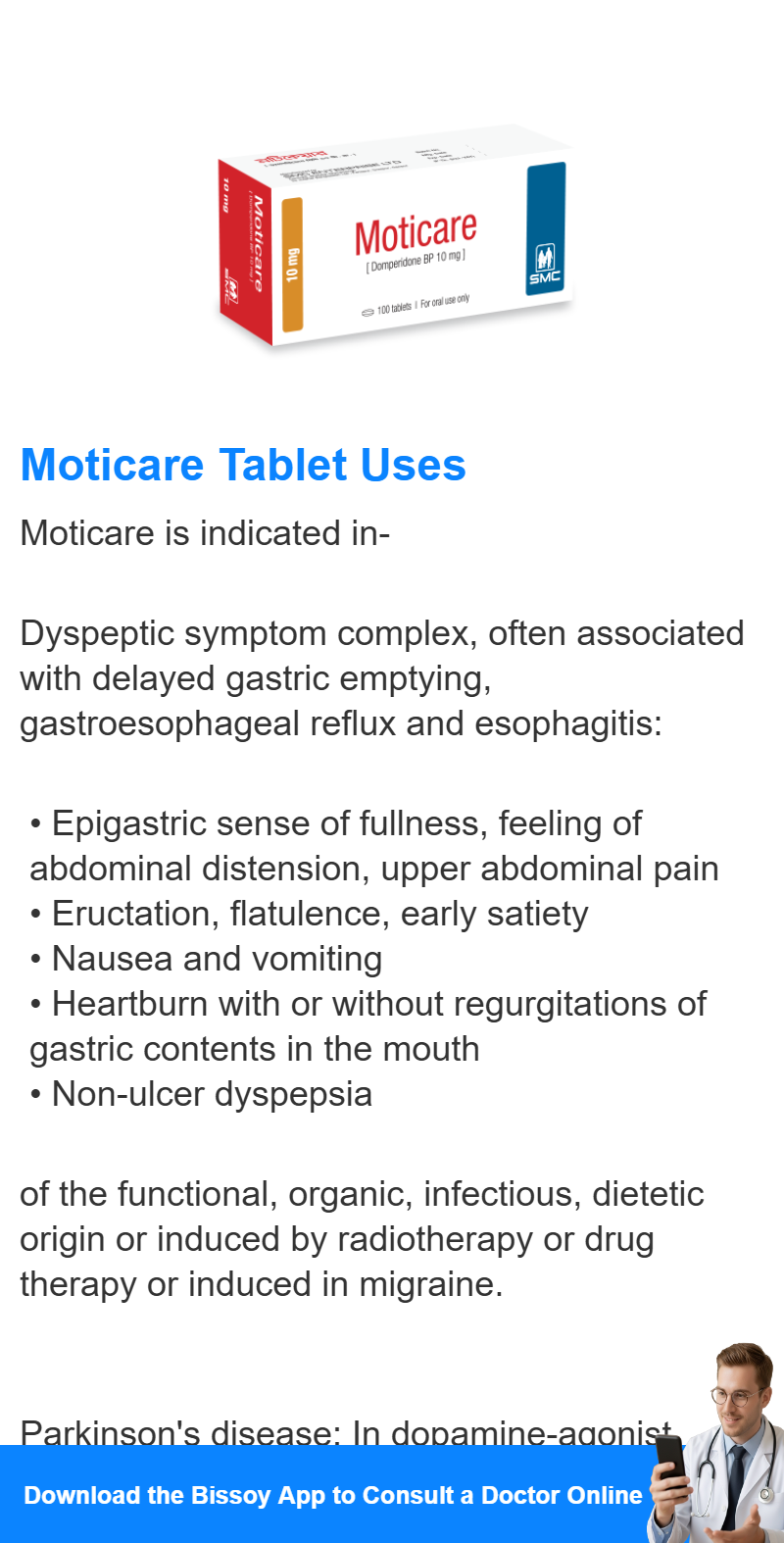
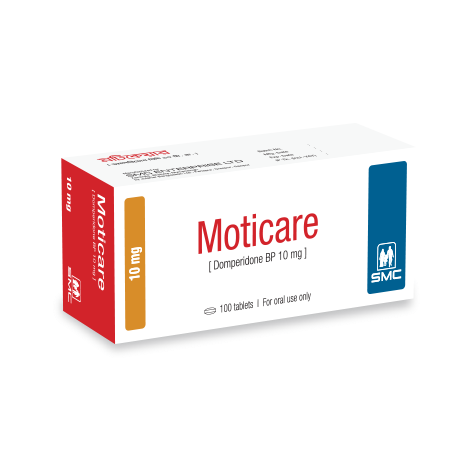
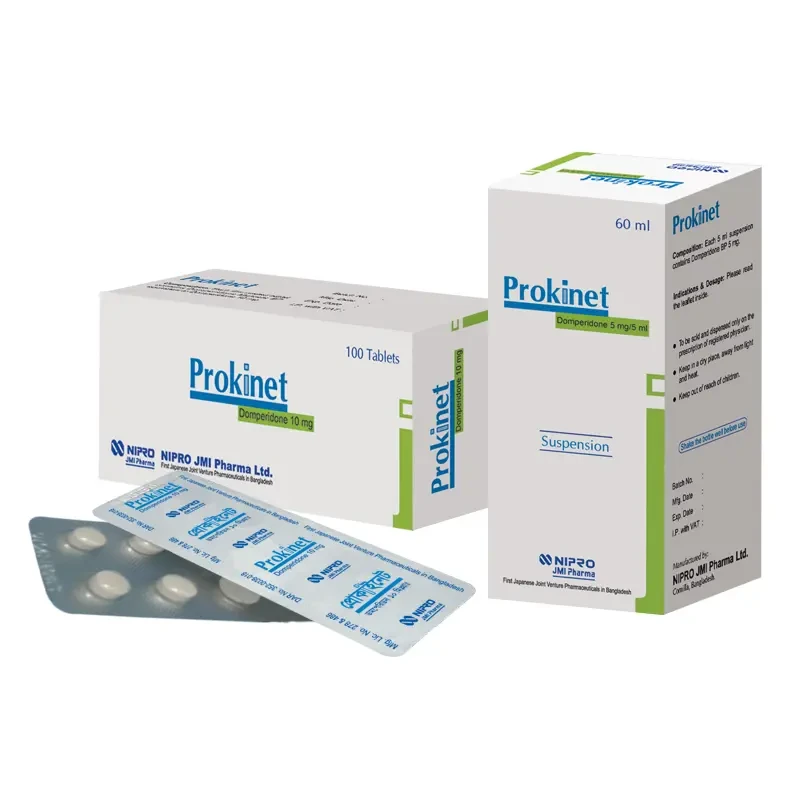
Domperidone is a dopamine receptor antagonist used as a peristaltic stimulant and anti-emetic agent for dyspepsia, indigestion, epigastric pain, nausea, and vomiting.
For management of dyspepsia, heartburn, epigastric pain, nausea, and vomiting.
Associated Conditions
Pharmacodynamics
Domperidone is a specific blocker of dopamine receptors. It speeds gastrointestinal peristalsis, causes prolactin release, and is used as antiemetic and tool in the study of dopaminergic mechanisms.
Mechanism of Action
Domperidone acts as a gastrointestinal emptying (delayed) adjunct and peristaltic stimulant. The gastroprokinetic properties of domperidone are related to its peripheral dopamine receptor blocking properties. Domperidone facilitates gastric emptying and decreases small bowel transit time by increasing esophageal and gastric peristalsis and by lowering esophageal sphincter pressure. Antiemetic: The antiemetic properties of domperidone are related to its dopamine receptor blocking activity at both the chemoreceptor trigger zone and at the gastric level. It has strong affinities for the D2 and D3 dopamine receptors, which are found in the chemoreceptor trigger zone, located just outside the blood brain barrier, which - among others - regulates nausea and vomiting
Protein Binding
91%-93%
Half Life
7 hours
Toxicity
Side effects include galactorrhea, gynecomastia, or menstrual irregularities.
Food Interactions
- Take before a meal. Take 15-30 minutes before meals.
Dosage
The usual recommended oral dose of Domperidone is as follows:
- Adults: 10-20 mg (1-2 tablet or 10-20 ml suspension), every 6-8 hours daily. The maximum dose of Domperidone is 80 mg daily.
- Children: 2-4 ml suspension/10 kg body weight or 0.4-0.8 ml paediatric drops/10 kg body weight, every 6-8 hours daily.
- Adults: 10-20 mg (1-2 tablet or 10-20 ml suspension), every 6-8 hours daily.
- Children: 0.2-0.4 mg/kg (2-4 ml suspension/10 kg or 0.4-0.8 ml paediatric drops/10 kg) body weight, every 6-8 hours daily.
- Adults: 20 mg (2 tablets or 20 ml suspension), every 6-8 hours daily
- Children: 0.2-0.4 mg/kg (2-4 ml suspension/10 kg or 0.4-0.8 ml paediatric drops/10 kg) body weight, every 6-8 hours daily. (In acute nausea and vomiting maximum period of treatment is 12 weeks).
- Adults (including elderly): 30-60 mg every 4-8 hours.
- Children: The maximum daily dose rectally in children's is 30 mg for those weighting 10 to 25 kg. The dose may be divided throughout day if necessary.
- The maximum period of treatment is 12 weeks.