Introduction

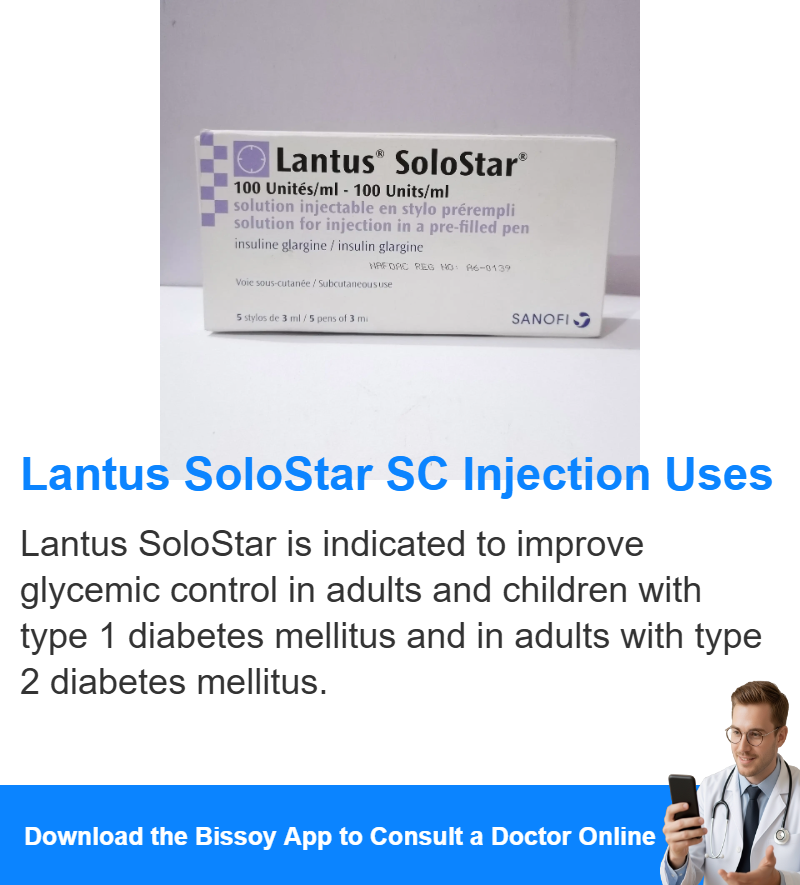
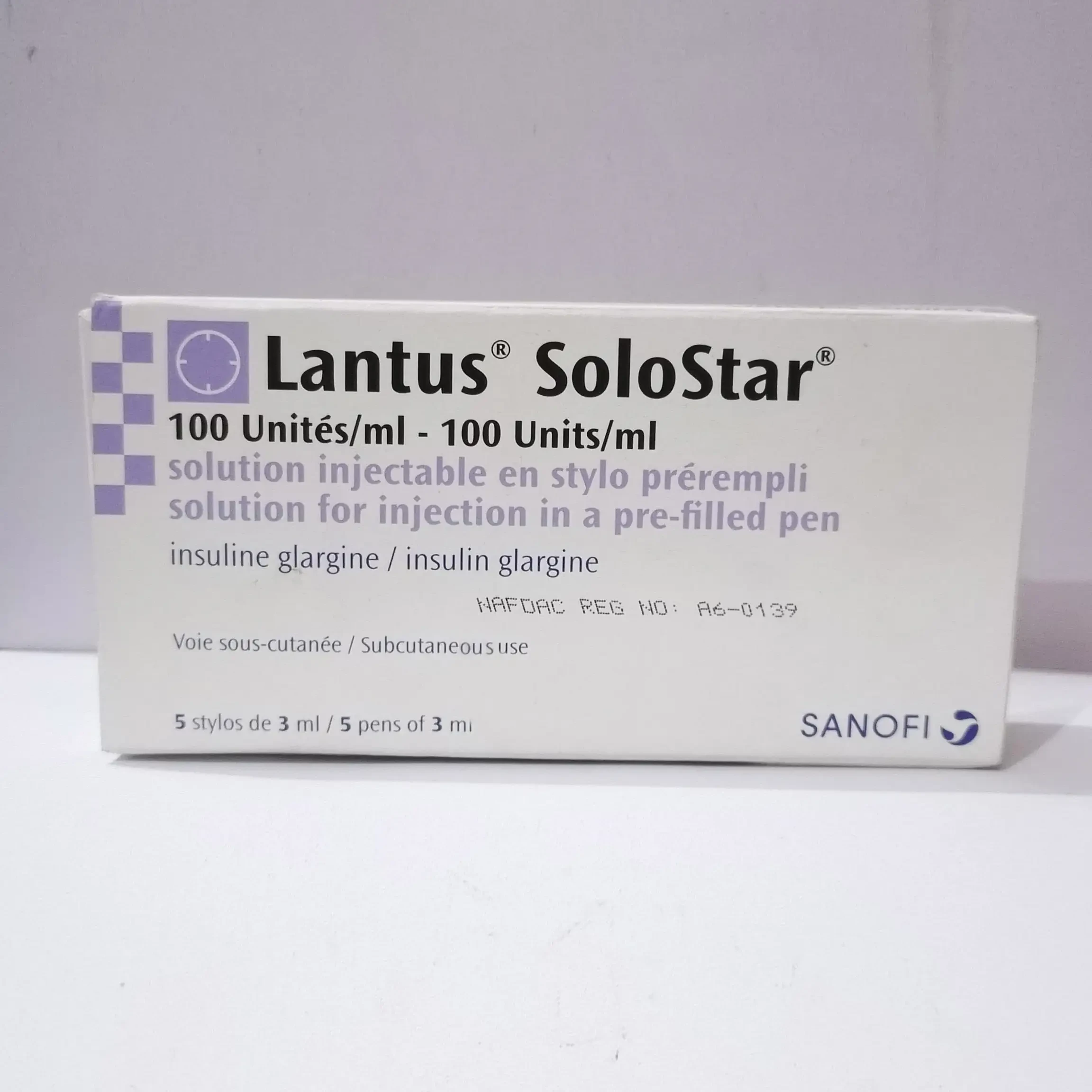
Lantus SoloStar SC Injection 100 IU/ml is a long-acting insulin analog used in the management of diabetes mellitus. It is designed to provide a steady, baseline level of insulin over an extended period, helping to control blood glucose levels in patients with type 1 or type 2 diabetes. Insulin Glargine is produced through recombinant DNA technology, which allows for a consistent and predictable pharmacokinetic profile.

Uses

Insulin Glargine is used for:

  • Management of blood glucose levels in adults and children with type 1 diabetes.
  • Management of blood glucose levels in adults with type 2 diabetes, often in combination with oral antidiabetic agents.
  • It helps to provide a long-acting basal insulin coverage, reducing the risk of hyperglycemia between meals and overnight.
Brand Name Lantus SoloStar
Type SC Injection
Weight 100 IU/ml
Generic Insulin Glargine [rDNA]
Manufacturer Sanofi Bangladesh Ltd.
Available in English বাংলা

Mechanism of Action

Insulin Glargine mimics the action of endogenous insulin by binding to insulin receptors on target cells, facilitating the uptake of glucose into cells and regulating glucose metabolism. It differs from human insulin in its amino acid sequence, which allows it to form microprecipitates in the subcutaneous tissue. This results in a slow and steady release of insulin into the bloodstream, providing prolonged blood glucose control.

How Long Does It Take to Work?

Insulin Glargine begins to lower blood glucose levels within 1 to 2 hours after subcutaneous injection. Its peak effect is not sharply defined, but it maintains a consistent level of insulin activity for approximately 24 hours, making it effective for once-daily dosing.

Absorption

Insulin Glargine is absorbed slowly from the subcutaneous tissue due to its formulation and the formation of microprecipitates. It has a relatively stable and consistent absorption profile, which contributes to its long duration of action.

Route of Elimination

Insulin Glargine is metabolized primarily in the liver, where it is converted to active metabolites. The insulin itself is not excreted directly but is broken down into smaller peptides and amino acids that are then excreted in the urine.

Dosage

Adults:

  • The usual starting dose for type 1 diabetes is 0.5 to 1 unit/kg of body weight per day. For type 2 diabetes, starting doses typically range from 10 to 20 units per day.
  • Dosage adjustments should be based on individual blood glucose monitoring and clinical response. The dose can be increased or decreased as necessary to maintain target blood glucose levels.

Children:

  • The dosage for children with type 1 diabetes is also individualized based on body weight, blood glucose levels, and insulin sensitivity.

Administration

Insulin Glargine is administered subcutaneously, typically once daily at the same time each day to maintain consistent insulin levels. It can be injected into the abdomen, thigh, or upper arm. It should not be mixed with other insulins or injected intramuscularly or intravenously.

Side Effects

Common side effects include hypoglycemia, weight gain, and injection site reactions such as redness, swelling, or itching. Less common side effects may include allergic reactions and lipodystrophy (changes in subcutaneous fat at the injection site).

Toxicity

Symptoms of overdose or excessive dosing of Insulin Glargine include severe hypoglycemia, which can lead to symptoms such as confusion, sweating, shakiness, and in severe cases, loss of consciousness or seizures. Treatment involves administering glucose or glucagon to raise blood glucose levels.

Precautions

Precautions include monitoring for hypoglycemia, especially when initiating therapy or adjusting doses. Patients should be aware of symptoms of low blood sugar and know how to treat it. Caution is also advised in patients with renal or hepatic impairment, as these conditions can affect insulin metabolism and clearance.

Interaction

Drug interactions may occur with medications that affect blood glucose levels, including:

  • Other antidiabetic agents (e.g., sulfonylureas, meglitinides)
  • Medications that can cause hypoglycemia (e.g., beta-blockers, certain antibiotics)
  • Medications that can affect insulin absorption or metabolism (e.g., corticosteroids, thyroid hormones)

Disease Interaction

Insulin Glargine should be used with caution in patients with conditions that affect glucose metabolism, such as renal or hepatic disease. Monitoring and dose adjustments may be required in these cases.

Drug Interaction

Potential drug interactions include:

  • Drugs that can increase the risk of hypoglycemia (e.g., certain antibiotics, other hypoglycemic agents)
  • Drugs that may decrease the effectiveness of insulin (e.g., corticosteroids, estrogen-containing medications)
  • Drugs that can affect insulin absorption (e.g., certain oral medications)

Food Interactions

Food interactions are minimal; however, maintaining a consistent eating schedule and carbohydrate intake can help prevent hypoglycemia. Alcohol consumption should be monitored as it can increase the risk of hypoglycemia.

Pregnancy Use

Insulin Glargine is classified as a category C drug for pregnancy. It should be used during pregnancy only if the potential benefits outweigh the risks. Close monitoring of blood glucose levels is essential during pregnancy to ensure adequate glycemic control.

Lactation Use

Insulin Glargine is excreted in breast milk in very small amounts. It is generally considered safe for use during lactation, but breastfeeding mothers should monitor their blood glucose levels closely and adjust insulin doses as needed.

Acute Overdose

Acute overdose of Insulin Glargine can lead to severe hypoglycemia. Symptoms may include confusion, sweating, rapid heartbeat, and in severe cases, loss of consciousness. Immediate treatment involves administering oral glucose or glucagon, and seeking emergency medical help if necessary.

Contraindication

Insulin Glargine is contraindicated in individuals with hypersensitivity to insulin or any of its excipients. It should not be used during episodes of hypoglycemia, and caution is advised in patients with severe renal or hepatic impairment.

Use Direction

Patients should follow their healthcare provider’s instructions for administering Insulin Glargine. It should be injected subcutaneously once daily, typically at the same time each day. Monitoring blood glucose levels regularly and adjusting doses based on blood glucose readings and clinical response is essential for effective management.

Storage Conditions

Store Insulin Glargine in the refrigerator (2°C to 8°C or 36°F to 46°F) until it is used. Once in use, it can be kept at room temperature (up to 25°C or 77°F) for up to 28 days. Do not freeze or expose to excessive heat or light.

Volume of Distribution

The volume of distribution of Insulin Glargine is not well-documented, but it is distributed throughout the body’s tissues and fluids, similar to other insulin preparations.

Half-Life

The half-life of Insulin Glargine is approximately 12 to 19 hours. Its prolonged duration of action is due to its slow absorption from the subcutaneous tissue and the formation of microprecipitates.

Clearance

Insulin Glargine is cleared primarily by the liver, with a small portion being excreted unchanged in the urine. The clearance rate may be influenced by liver and renal function, and dose adjustments may be required in patients with impaired organ function.

See in details version Lantus SoloStar SC Injection 100 IU/ml also Lantus SoloStar SC Injection 100 IU/ml in bangla

Social card

Uses

Some Frequently Asked Questions About Lantus SoloStar SC Injection 100 IU/ml

1. What is Lantus SoloStar SC Injection 100 IU/ml?

Lantus SoloStar SC Injection 100 IU/ml is a long-acting insulin analog used to manage blood sugar levels in people with diabetes.

2. What is Insulin Glargine used for?

It is used to treat both type 1 and type 2 diabetes to help control blood glucose levels.

3. How does Insulin Glargine work?

It provides a steady release of insulin over 24 hours, helping to regulate blood sugar levels.

4. Is Insulin Glargine a rapid-acting insulin?

No, it is a long-acting insulin.

5. What are the brand names of Insulin Glargine?

Common brand names include Lantus, Basaglar, and Toujeo.

6. How is Insulin Glargine administered?

It is injected subcutaneously (under the skin) once daily.

7. When should I take Insulin Glargine?

It is usually taken at the same time each day, either in the morning or at bedtime.

8. Can Insulin Glargine be mixed with other insulins?

No, it should not be mixed with other insulins.

9. What are the common side effects of Insulin Glargine?

Common side effects include hypoglycemia (low blood sugar), weight gain, and injection site reactions.

10. How long does Insulin Glargine last in the body?

It lasts approximately 24 hours.

11. Can Insulin Glargine be used in children?

Yes, it is approved for use in children aged 6 years and older with type 1 diabetes.

12. Can pregnant women use Insulin Glargine?

Yes, but only under a doctor's supervision.

13. How should Insulin Glargine be stored?

Unopened vials should be stored in the refrigerator. Once opened, they can be kept at room temperature for up to 28 days.

14. Can Insulin Glargine be frozen?

No, do not freeze it. Frozen insulin should be discarded.

15. Can I reuse insulin needles?

No, always use a new needle for each injection.

16. What happens if I miss a dose?

Take it as soon as possible, but do not double the dose.

17. Can Insulin Glargine cause weight gain?

Yes, weight gain is a common side effect due to improved glucose control.

18. Can I drink alcohol while using Insulin Glargine?

Alcohol can affect blood sugar levels, so it should be consumed with caution.

19. Does Insulin Glargine cause low blood sugar?

Yes, hypoglycemia is a potential risk if too much insulin is taken.

20. What are the symptoms of low blood sugar?

  • Shakiness
  • Hunger
  • Dizziness
  • Sweating
  • Confusion

21. What should I do if my blood sugar is too low?

Consume a fast-acting carbohydrate like glucose tablets, juice, or candy, then check your blood sugar levels.

22. Can I inject Insulin Glargine in the same spot every day?

No, rotate injection sites to avoid skin problems.

23. What is the best site for injecting Insulin Glargine?

Common injection sites include the abdomen, thighs, and upper arms.

24. Does Insulin Glargine work immediately?

No, it starts working within a few hours and lasts up to 24 hours.

25. Can Insulin Glargine be used in combination with other diabetes medications?

Yes, it is often used with oral diabetes medications.

26. Can I stop taking Insulin Glargine if my blood sugar levels improve?

No, consult your doctor before making any changes to your insulin regimen.

27. Can I overdose on Insulin Glargine?

Yes, an overdose can cause severe hypoglycemia and requires emergency medical attention.

28. Can Insulin Glargine be used in type 1 diabetes?

Yes, it is commonly used for type 1 diabetes management.

29. Can Insulin Glargine be used in type 2 diabetes?

Yes, it is often prescribed for type 2 diabetes when oral medications are not sufficient.

30. Is Insulin Glargine better than other insulins?

It depends on individual needs; some people may benefit more from rapid-acting or mixed insulins.

31. Can Insulin Glargine cause allergic reactions?

Yes, although rare, allergic reactions such as rash, itching, or difficulty breathing may occur.

32. Can I take Insulin Glargine before meals?

No, it is a basal insulin and should not be used for mealtime coverage.

33. Can I exercise while using Insulin Glargine?

Yes, but monitor your blood sugar levels as exercise can lower them.

34. Can I drive while taking Insulin Glargine?

Yes, but be aware of hypoglycemia symptoms while driving.

35. What should I do if my insulin pen malfunctions?

Use a backup insulin pen or vial and contact your pharmacy.

36. How do I dispose of used insulin needles?

Place them in a sharps container and follow local disposal guidelines.

37. Does Insulin Glargine interact with other medications?

Yes, some medications may increase or decrease insulin effects.

38. What foods should I avoid while taking Insulin Glargine?

Avoid excessive sugar and high-carb foods that can spike blood sugar.

39. How often should I check my blood sugar when using Insulin Glargine?

At least once daily or as advised by your doctor.

40. Can I use Insulin Glargine if I have kidney disease?

Yes, but dosage adjustments may be needed.

41. Can I use Insulin Glargine if I have liver disease?

Yes, but consult your doctor for proper dosing.

42. Can Insulin Glargine cause high blood sugar?

If dosed incorrectly or missed, it can lead to high blood sugar.

43. Can Insulin Glargine cause heart problems?

Some studies suggest a potential risk; consult your doctor if concerned.

44. Can I travel with Insulin Glargine?

Yes, carry it in a temperature-controlled bag and bring extra supplies.

*** Taking medicines without doctor's advice can cause long-term problems.
Prof. Dr. Khandoker Ziaul Islam Zia

Prof. Dr. Khandoker Ziaul Islam Zia

Glaucoma, Phaco, Laser & Vitreo-Retina Specialist Surgeon

Call Doctor
Dr. Chiranjeeb Biswas

Dr. Chiranjeeb Biswas

Mental Health Specialist

Call Doctor
Dr. A.M. Farid Uddin Ahmed

Dr. A.M. Farid Uddin Ahmed

Orthopedics (Bone, Joint, Trauma, Spine) Specialist & Surgeon

Call Doctor
Related Medicines