Introduction
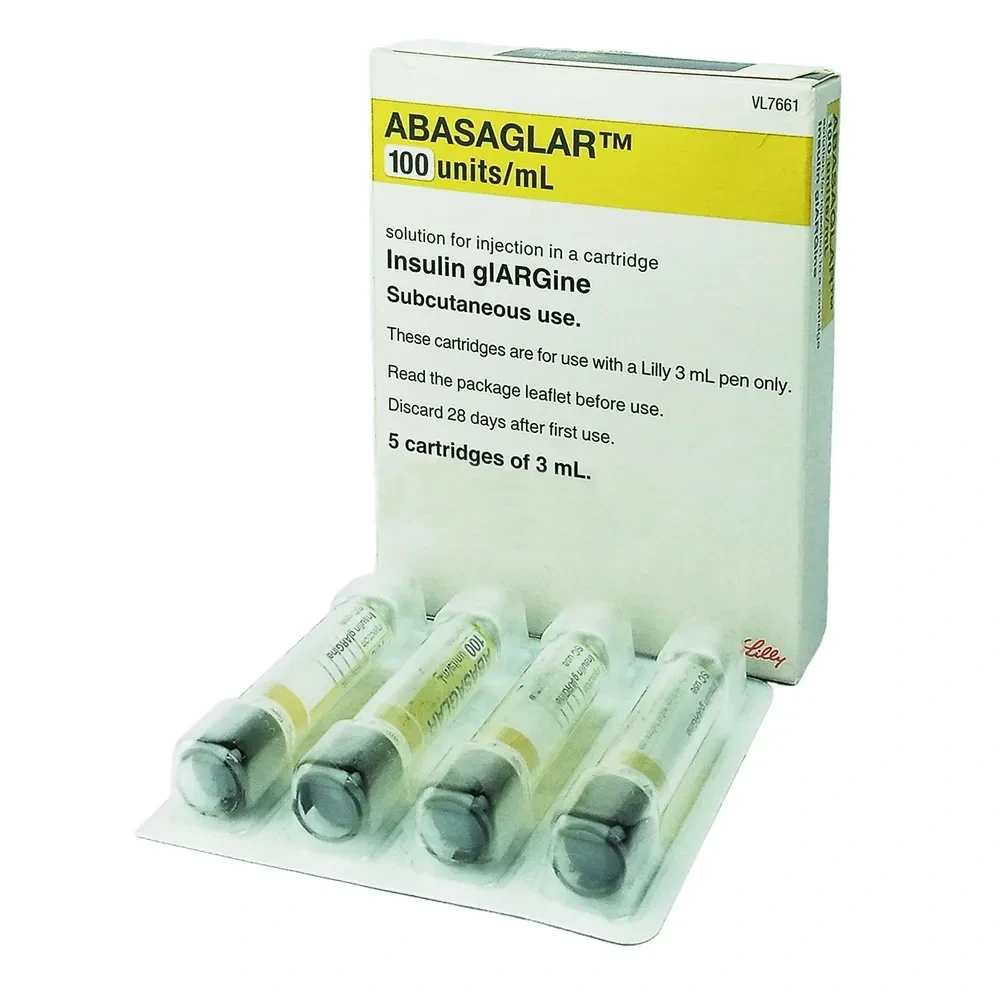
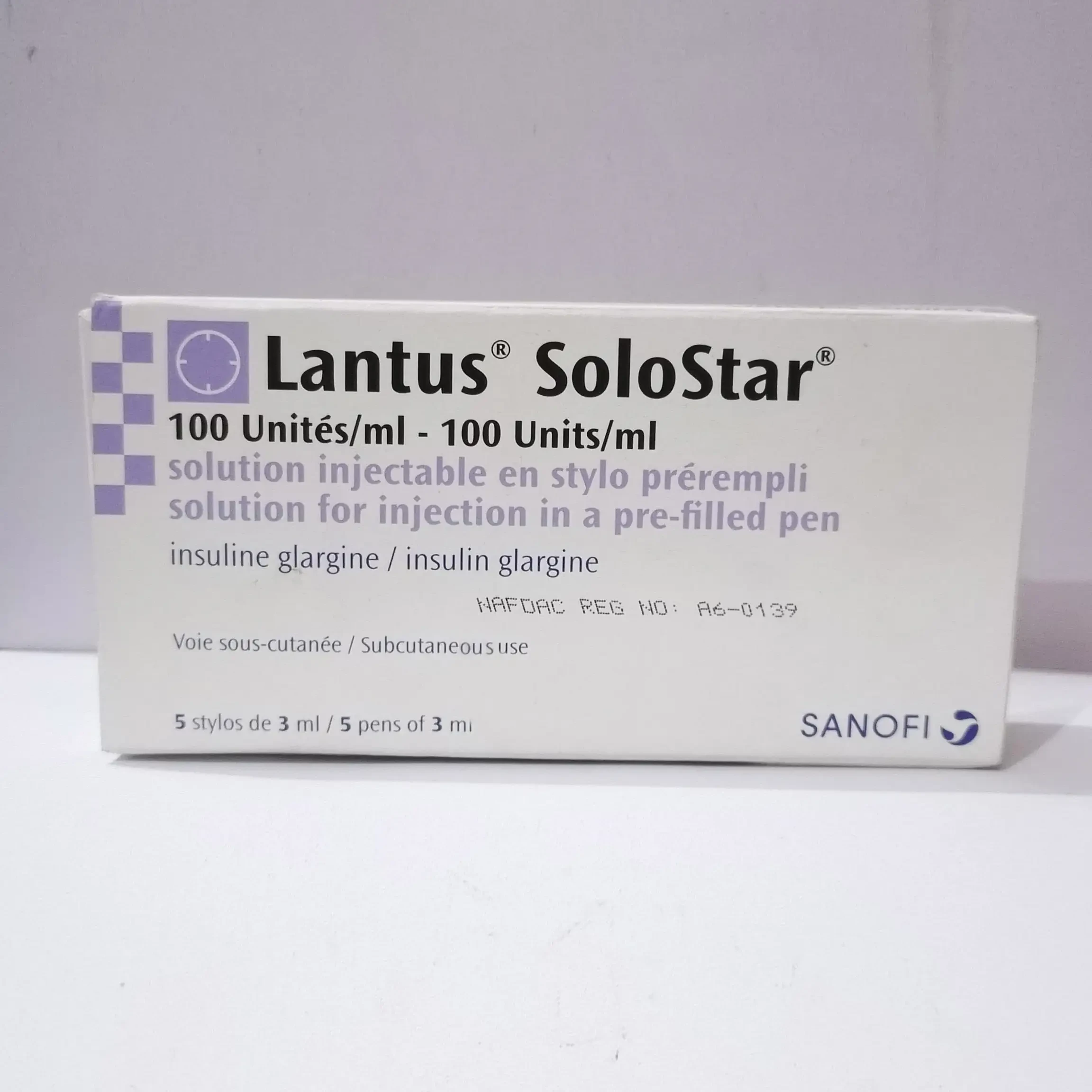
Insulin glargine is a long-acting recombinant basal insulin designed to mimic background pancreatic insulin, providing steady blood glucose control for up to 24 hours with no pronounced peak. It works by promoting glucose uptake into cells for storage as glycogen or fat while suppressing hepatic glucose production, lipolysis, and proteolysis. Modifying the amino acid sequence makes it soluble at pH 4, but forms microprecipitates at physiological pH (7.4), enabling a slow, controlled release into the bloodstream. It serves as a primary, life-sustaining treatment for Type 1 Diabetes and as an advanced option for Type 2 Diabetes when oral medications like metformin no longer suffice. Standard 100 IU/mL formulations (Lantus, Basaglar, Abasaglar) are dosed once daily and often paired with mealtime "bolus" insulins, whereas high-concentration Toujeo (300 IU/mL) offers an extended duration up to 30 hours. Adequate insulin therapy is essential to prevent acute complications like Diabetic Ketoacidosis (DKA) from fat breakdown, as well as long-term cardiovascular and neurological damage from chronic hyperglycemia.
Uses
Insulin glargine is a modified form of long-acting or basal insulin used to control hyperglycemia in diabetes mellitus.
Insulin glargine is indicated to improve glycemic control in adults and pediatric patients with type 1 diabetes mellitus and in adults with type 2 diabetes mellitus.
Associated Conditions
Pharmacodynamics
Insulin is a natural hormone produced by beta cells of the pancreas. In non-diabetic individuals, the pancreas produces a continuous supply of low levels of basal insulin along with spikes of insulin following meals. Increased insulin secretion following meals is responsible for the metabolic changes that occur as the body transitions from a postabsorptive to absorptive state. Insulin promotes cellular uptake of glucose, particularly in muscle and adipose tissues, promotes energy storage via glycogenesis, opposes catabolism of energy stores, increases DNA replication and protein synthesis by stimulating amino acid uptake by liver, muscle and adipose tissue, and modifies the activity of numerous enzymes involved in glycogen synthesis and glycolysis. Insulin also promotes growth and is required for the actions of growth hormone (e.g. protein synthesis, cell division, DNA synthesis). Insulin glargine is a long-acting insulin analogue with a flat and predictable action profile. It is used to mimic the basal levels of insulin in diabetic individuals.
Mechanism of Action
Insulin glargine binds to the insulin receptor (IR), a heterotetrameric protein consisting of two extracellular alpha units and two transmembrane beta units. The binding of insulin to the alpha subunit of IR stimulates the tyrosine kinase activity intrinsic to the beta subunit of the receptor. The bound receptor autophosphorylates and phosphorylates numerous intracellular substrates such as insulin receptor substrates (IRS) proteins, Cbl, APS, Shc and Gab 1. Activation of these proteins leads to the activation of downstream signalling molecules including PI3 kinase and Akt. Akt regulates the activity of glucose transporter 4 (GLUT4) and protein kinase C (PKC), both of which play critical roles in metabolism. Insulin glargine is completely soluble at pH 4, the pH of administered solution, and has low solubility at physiological pH 7.4. Upon subcuteous injection, the solution is neutralized resulting in the formation of microprecipitates. Small amounts of insulin glargine are released from microprecipitates giving the drug a relatively constant concentration over time profile over 24 hours with no pronounced peak. This release mechanism allows the drug to mimic basal insulin levels within the body.
Absorption
Because of the modifications to the A and B chain, the isoelectric point shifts towards a neutral pH and insulin glargine is more stable in acidic conditions than regular insulin. As insulin glargine is less soluble at neutral pH, once injected, forms microprecipitates. Slow release of insulin glargine from microprecipitates provides a relatively constant concentration of insulin over 24 hours. Onset of action is approximately 1.1 hours.
The pharmacokinetic profiles for single 0.4, 0.6, and 0.9 U/kg doses of Toujeo in 24 patients with type 1 diabetes mellitus was evaluated in a euglycemic clamp study. The median time to maximum serum insulin concentration was 12 (8–14), 12 (12–18), and 16 (12–20) hours, respectively. Steady-state insulin concentrations are reached by at least 5 days of once-daily subcutaneous administration of 0.4 U/kg to 0.6 U/kg doses of Toujeo over 8 days in patients with type 1 diabetes mellitus.
The median time to maximum effect of Basaglar (measured by the peak rate of glucose infusion) was approximately 12.0 hours. The pharmacodynamic profile of Basaglar following subcutaneous injection demonstrated sustained glucose lowering activity over 24 hours with no pronounced peak. The mean area under the glucose infusion rate curves (measure of overall pharmacodynamic effect) and maximum glucose infusion rate were 1670 mg/kg and 2.12 mg/kg/min, respectively. On average, serum insulin concentrations declined to baseline by approximately 24 hours.
Toxicity
Inappropriately high dosages relative to food intake and/or energy expenditure may result in severe and sometimes prolonged and life-threatening hypoglycemia. Neurogenic (autonomic) signs and symptoms of hypoglycemia include trembling, palpitations, sweating, anxiety, hunger, nausea and tingling. Neuroglycopenic signs and symptoms of hypoglycemia include difficulty concentrating, lethargy/weakness, confusion, drowsiness, vision changes, difficulty speaking, headache, and dizziness. Mild hypoglycemia is characterized by the presence of autonomic symptoms. Moderate hypoglycemia is characterized by the presence of autonomic and neuroglycopenic symptoms. Individuals may become unconscious in severe cases of hypoglycemia. Other adverse events that may occur include allergic reaction, injection site reaction, lipodystrophy, pruritis, and rash.
Food Interactions
No interactions found.