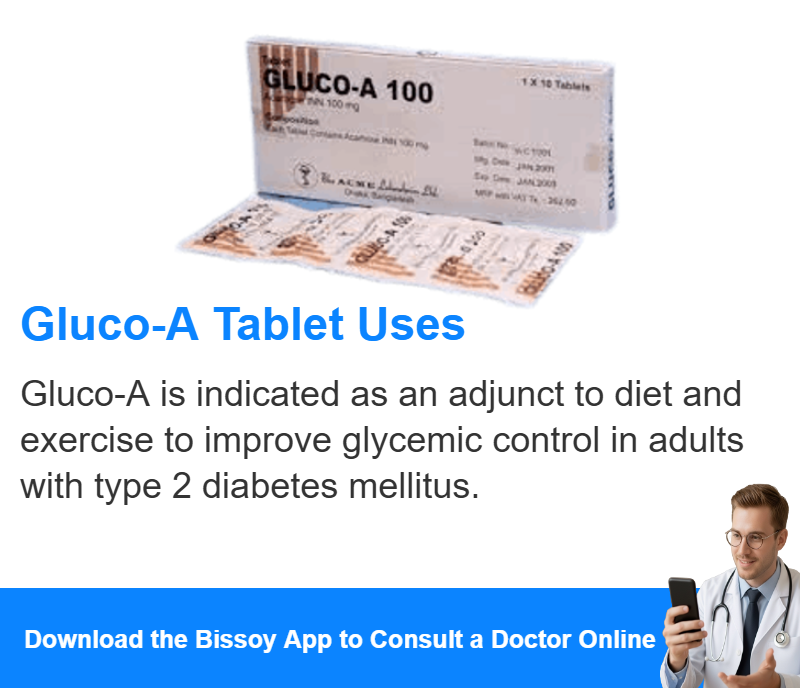
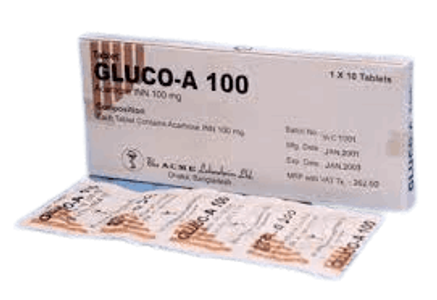
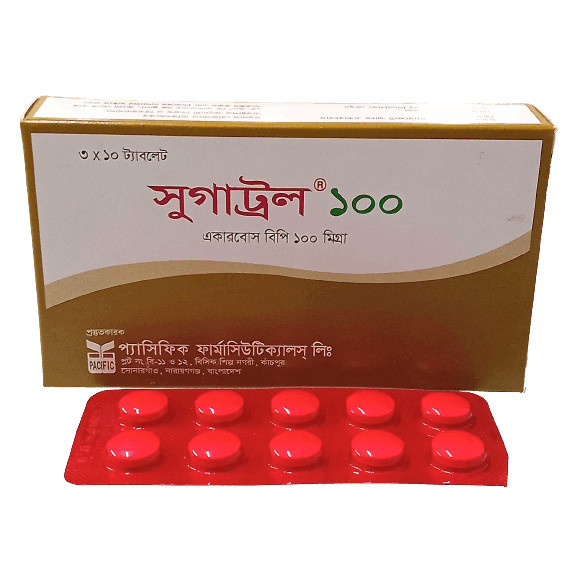
Gluco-A Tablet 100 mg Introduction

Gluco-A Tablet 100 mg is a prescription anti-diabetic medication used to help control high levels of blood glucose (sugar) in people with type 2 diabetes. It belongs to a class of drugs called Alpha-glucosidase inhibitors, and works by slowing down the digestion and absorption of carbohydrates from the diet. This helps to prevent a surge in blood glucose levels after meals.

Gluco-A Tablet 100 mg Uses

Gluco-A Tablet 100 mg is used to reduce blood glucose (sugar) levels in people with type 2 diabetes. It can be used alone or in combination with other diabetes medications. Gluco-A Tablet 100 mg works by slowing down the digestion and absorption of carbohydrates from the diet. This helps to prevent a surge in blood glucose levels after meals.

Gluco-A Tablet 100 mg Mechanism of Action

Gluco-A Tablet 100 mg acts as an alpha-glucosidase inhibitor. This means it inhibits the activity of an enzyme called alpha-glucosidase. This enzyme is responsible for breaking down carbohydrates into simpler forms, such as glucose. By inhibiting the action of this enzyme, Gluco-A Tablet 100 mg can help to reduce the absorption of carbohydrates from the diet. This prevents the digestion of carbohydrates and thereby prevents a surge in blood glucose levels after meals.

How Long Does it Take for Gluco-A Tablet 100 mg to Work?

Gluco-A Tablet 100 mg begins to work within minutes of taking it and its effects last for several hours. It typically takes several weeks to reach its full effectiveness. However, some people may reach the desired effects sooner. The specifics vary from person to person and can depend on diet, exercise routine, and other factors.

Gluco-A Tablet 100 mg Absorption

Gluco-A Tablet 100 mg is absorbed from the intestine in varying amounts. Studies have indicated that the absorption of acarbose is most effective at a dosage of 25 to 100 mg. However, the exact amount of absorption may vary depending on dosage size, formulation, digestion rate, and other factors.

Gluco-A Tablet 100 mg Route of Elimination

Gluco-A Tablet 100 mg is eliminated from the body via the kidneys. The vast majority of acarbose is excreted in the urine unchanged, while the rest is metabolized in the liver and then eliminated.

Gluco-A Tablet 100 mg Dosage

The recommended starting dose of acarbose is 25 to 50 mg taken three times daily with meals. The dosage can be increased upon medical advice up to a maximum of 100 mg three times daily. Gluco-A Tablet 100 mg should be taken with meals only. Do not take acarbose with snacks or meals that are low in carbohydrates.

Gluco-A Tablet 100 mg Administration

Gluco-A Tablet 100 mg tablets should be taken orally with meals only. The tablet should be swallowed whole with a full glass of water and should not be chewed, crushed, or broken. The dose of acarbose should be adjusted according to blood glucose levels and other factors as indicated by the healthcare provider.

Gluco-A Tablet 100 mg Side Effects

The most common side effects associated with acarbose include flatulence, abdominal pain, nausea, headache, and diarrhea. Other less common side effects include dizziness, fatigue, and skin rash. If any of these side effects occur, it is important to seek medical advice right away.

Gluco-A Tablet 100 mg Toxicity

It is important to take acarbose as directed, as an overdose of acarbose can be dangerous. Symptoms of an overdose can include severe nausea, vomiting, abdominal pain, and diarrhea. If an overdose is suspected, it is important to seek medical help right away.

Gluco-A Tablet 100 mg Precaution

Before taking acarbose, it is important to inform the healthcare provider about any allergies or sensitivities to acarbose or other drugs, as well as any history of medical problems or illnesses. Gluco-A Tablet 100 mg should also be used with caution in people who have kidney disease, liver disease, or any other condition that affects the metabolism of carbohydrates.

Gluco-A Tablet 100 mg Interaction

Gluco-A Tablet 100 mg may interact with other medications. It is important to tell the healthcare provider about all prescribed and over-the-counter drugs, vitamins, and supplements being taken, as these can interact with acarbose and cause undesirable effects. It is also important to inform the healthcare provider of any other medical conditions or allergies before taking acarbose.

Gluco-A Tablet 100 mg Disease Interaction

Gluco-A Tablet 100 mg may interact with certain diseases and can affect their treatment. This includes kidney ailments, liver disease, and any condition that affects the metabolism of carbohydrates. People with these conditions should discuss the risks and benefits of taking acarbose with their healthcare provider before starting treatment.

Gluco-A Tablet 100 mg Drug Interaction

When taken with certain medications, the effects of acarbose can be affected. Examples of medications that may interact with acarbose include sulfonylureas, thiazolidinediones, and biguanides. Some antibiotics and antifungal medications may also interact with acarbose. Always check with the healthcare provider about any medication being taken.

Gluco-A Tablet 100 mg Food Interactions

Gluco-A Tablet 100 mg may interact with certain foods, including those that contain high amounts of simple sugars. The effects of acarbose may be affected when taken with certain foods, so it is important to talk to the healthcare provider before making any dietary changes. Certain foods, such as those that are high in fiber or complex carbohydrates, may be beneficial for controlling blood glucose levels.

Gluco-A Tablet 100 mg Pregnancy Use

Gluco-A Tablet 100 mg has not been studied in pregnant women and should be used with caution during pregnancy. It is important to talk to the healthcare provider before taking acarbose during pregnancy as it can affect fetal development. Taking acarbose can also cause low blood glucose levels in infants, so monitoring of the infant is recommended if acarbose is used during pregnancy.

Gluco-A Tablet 100 mg Lactation Use

It is not known whether acarbose passes into breastmilk. It is important to consult the healthcare provider before taking acarbose while breastfeeding to ensure that the baby is not exposed to any potential risks. If acarbose is used during breastfeeding, it is important to monitor the infant for any changes in behavior or health.

Gluco-A Tablet 100 mg Acute Overdose

An overdose of acarbose can be dangerous and can cause extreme nausea, vomiting, abdominal pain, and diarrhea. If an overdose is suspected, it is important to seek medical help right away. If the overdose is minor, the healthcare provider may advise to stop taking the medication or reduce the dosage.

Gluco-A Tablet 100 mg Contraindication

Gluco-A Tablet 100 mg should not be used in people who have any known sensitivities or allergies to acarbose or other drugs. It should also not be used in people with any condition that affects carbohydrate metabolism, such as diabetic ketoacidosis, prostate cancer, or inflammatory bowel disease. Always consult the healthcare provider before taking acarbose.

Gluco-A Tablet 100 mg Use Direction

Gluco-A Tablet 100 mg is taken orally with meals only. The recommended starting dose is 25 to 50 mg taken three times daily with meals. The dosage can be increased upon medical advice up to a maximum of 100 mg three times daily. Gluco-A Tablet 100 mg should be taken with meals only. Do not take acarbose with snacks or meals that are low in carbohydrates.

Gluco-A Tablet 100 mg Storage Conditions

Gluco-A Tablet 100 mg tablets should be stored at room temperature, in a dry and dark place. Do not store in direct sunlight or heat. Keep out of reach of children and pets. Do not use acarbose if the tablets have changed in color or shape.

Gluco-A Tablet 100 mg Volume of Distribution

The volume of distribution of acarbose is approximately 0.1 L/kg. This means that the protein-binding of acarbose is saturable and that the drug has a low systemic bioavailability.

Gluco-A Tablet 100 mg Half Life

The half-life of acarbose is approximately 1 to 2 hours. This means that the drug is eliminated from the body within 4 to 8 hours, depending on how much is taken.

Gluco-A Tablet 100 mg Clearance

The clearance of acarbose is approximately 0.6 mL/min/kg. This indicates that the drug is eliminated from the body at a rapid rate and is unlikely to accumulate in the body.

See in details version Gluco-A Tablet 100 mg also Gluco-A Tablet 100 mg in bangla

Social card

Uses

Some Frequently Asked Questions About Gluco-A Tablet 100 mg

1. What is Gluco-A Tablet 100 mg?

Gluco-A Tablet 100 mg is an oral medication used to manage type 2 diabetes by slowing carbohydrate digestion and absorption.

2. What is Gluco-A Tablet 100 mg used for?

Gluco-A Tablet 100 mg is used to control blood sugar levels in patients with type 2 diabetes, usually along with diet and exercise.

3. How does Gluco-A Tablet 100 mg work?

It inhibits enzymes that break down carbohydrates in the intestines, reducing glucose absorption and preventing spikes in blood sugar after meals.

4. Is Gluco-A Tablet 100 mg an insulin?

No, Gluco-A Tablet 100 mg is not insulin; it is an alpha-glucosidase inhibitor that helps regulate blood sugar levels.

5. How should Gluco-A Tablet 100 mg be taken?

Gluco-A Tablet 100 mg should be taken with the first bite of each main meal.

6. Can Gluco-A Tablet 100 mg be used alone?

Yes, but it is often combined with other diabetes medications like metformin or insulin for better blood sugar control.

7. What are the side effects of Gluco-A Tablet 100 mg?

Common side effects include:

  • Flatulence (gas)
  • Diarrhea
  • Abdominal pain
  • Bloating

8. Does Gluco-A Tablet 100 mg cause hypoglycemia?

No, Gluco-A Tablet 100 mg alone does not cause low blood sugar, but it may increase the risk when combined with insulin or sulfonylureas.

9. Can Gluco-A Tablet 100 mg be taken on an empty stomach?

No, it should be taken with food to be effective.

10. How long does Gluco-A Tablet 100 mg take to work?

It starts working immediately after a meal, reducing post-meal blood sugar spikes.

11. Can children take Gluco-A Tablet 100 mg?

Gluco-A Tablet 100 mg is usually not recommended for children.

12. Can pregnant women take Gluco-A Tablet 100 mg?

Gluco-A Tablet 100 mg should be used in pregnancy only if prescribed by a doctor.

13. Can Gluco-A Tablet 100 mg be used for type 1 diabetes?

No, it is not commonly used for type 1 diabetes.

14. Can Gluco-A Tablet 100 mg cause weight loss?

Some people experience mild weight loss due to reduced calorie absorption.

15. Can Gluco-A Tablet 100 mg cause weight gain?

No, it does not typically cause weight gain.

16. What should I do if I miss a dose?

If you miss a dose, skip it and take the next dose with your next meal. Do not double the dose.

17. Can Gluco-A Tablet 100 mg be taken with metformin?

Yes, it is commonly prescribed with metformin for better blood sugar control.

18. Can Gluco-A Tablet 100 mg be taken with insulin?

Yes, but monitor blood sugar closely to avoid hypoglycemia.

19. Can Gluco-A Tablet 100 mg cause diarrhea?

Yes, diarrhea is a common side effect, especially when starting treatment.

20. Can Gluco-A Tablet 100 mg cause bloating?

Yes, bloating and gas are common side effects due to fermentation of undigested carbohydrates.

21. Can I drink alcohol while taking Gluco-A Tablet 100 mg?

Alcohol should be consumed in moderation as it may affect blood sugar levels.

22. Does Gluco-A Tablet 100 mg interact with other medications?

Yes, it may interact with:

  • Digoxin
  • Intestinal adsorbents
  • Enzymes like pancreatin

23. Can Gluco-A Tablet 100 mg cause liver damage?

Rarely, Gluco-A Tablet 100 mg can cause elevated liver enzymes. Regular liver function tests are recommended.

24. Can Gluco-A Tablet 100 mg be crushed?

No, Gluco-A Tablet 100 mg tablets should be swallowed whole.

25. How should Gluco-A Tablet 100 mg be stored?

Store at room temperature, away from moisture and heat.

26. Is Gluco-A Tablet 100 mg a prescription medication?

Yes, Gluco-A Tablet 100 mg requires a doctor's prescription.

27. Can Gluco-A Tablet 100 mg be taken with herbal supplements?

Some herbal supplements may interact with Gluco-A Tablet 100 mg. Consult your doctor before use.

28. Can Gluco-A Tablet 100 mg be used in elderly patients?

Yes, but with caution, as elderly patients may be more sensitive to gastrointestinal side effects.

29. Can Gluco-A Tablet 100 mg cause pancreatitis?

No, Gluco-A Tablet 100 mg is not known to cause pancreatitis.

30. Can Gluco-A Tablet 100 mg affect kidney function?

Patients with kidney disease should use Gluco-A Tablet 100 mg cautiously.

31. Can Gluco-A Tablet 100 mg be used in prediabetes?

Yes, it may be used to prevent the progression of prediabetes to type 2 diabetes.

32. Is Gluco-A Tablet 100 mg available as a generic drug?

Yes, generic versions of Gluco-A Tablet 100 mg are available.

33. Can Gluco-A Tablet 100 mg cause constipation?

Constipation is not a common side effect.

34. Can Gluco-A Tablet 100 mg be used for gestational diabetes?

It is not commonly recommended for gestational diabetes.

35. Can Gluco-A Tablet 100 mg be used in combination with sulfonylureas?

Yes, but the risk of hypoglycemia may increase.

36. Can Gluco-A Tablet 100 mg be stopped suddenly?

Yes, but stopping it may lead to increased blood sugar levels.

37. Can Gluco-A Tablet 100 mg cause dizziness?

Dizziness is not a common side effect.

38. Is Gluco-A Tablet 100 mg safe for long-term use?

Yes, if monitored regularly by a doctor.

39. Can Gluco-A Tablet 100 mg cause nausea?

Yes, but it is usually mild.

40. Can Gluco-A Tablet 100 mg be taken with probiotics?

Probiotics may help reduce digestive side effects of Gluco-A Tablet 100 mg.

41. Can Gluco-A Tablet 100 mg be used for weight loss?

It is not a weight loss medication, but it may help with weight control in diabetes.

42. Can Gluco-A Tablet 100 mg be taken with aspirin?

Gluco-A Tablet 100 mg can generally be taken with aspirin, but consult your doctor.

43. Can Gluco-A Tablet 100 mg be used in non-diabetic patients?

It is not commonly prescribed for non-diabetic patients.

44. Can Gluco-A Tablet 100 mg be used in combination with SGLT2 inhibitors?

Yes, but consult your doctor for the best combination therapy.

45. Can Gluco-A Tablet 100 mg be taken after meals?

No, it should be taken with the first bite of food.

46. Can Gluco-A Tablet 100 mg cause allergic reactions?

Yes, though rare, allergic reactions like rash or swelling may occur.

47. Does Gluco-A Tablet 100 mg affect cholesterol levels?

It may have a mild beneficial effect on cholesterol levels.

48. Can Gluco-A Tablet 100 mg be taken with thyroid medications?

Yes, but take them at different times to avoid interaction.

49. Can Gluco-A Tablet 100 mg cause changes in appetite?

No significant effects on appetite have been reported.

50. Can Gluco-A Tablet 100 mg cause fatigue?

Fatigue is not a common side effect.

*** Taking medicines without doctor's advice can cause long-term problems.
Dr. Shahnaz Akter

Dr. Shahnaz Akter

Skin & Sexual Diseases Specialist

Call Doctor
Related Medicines