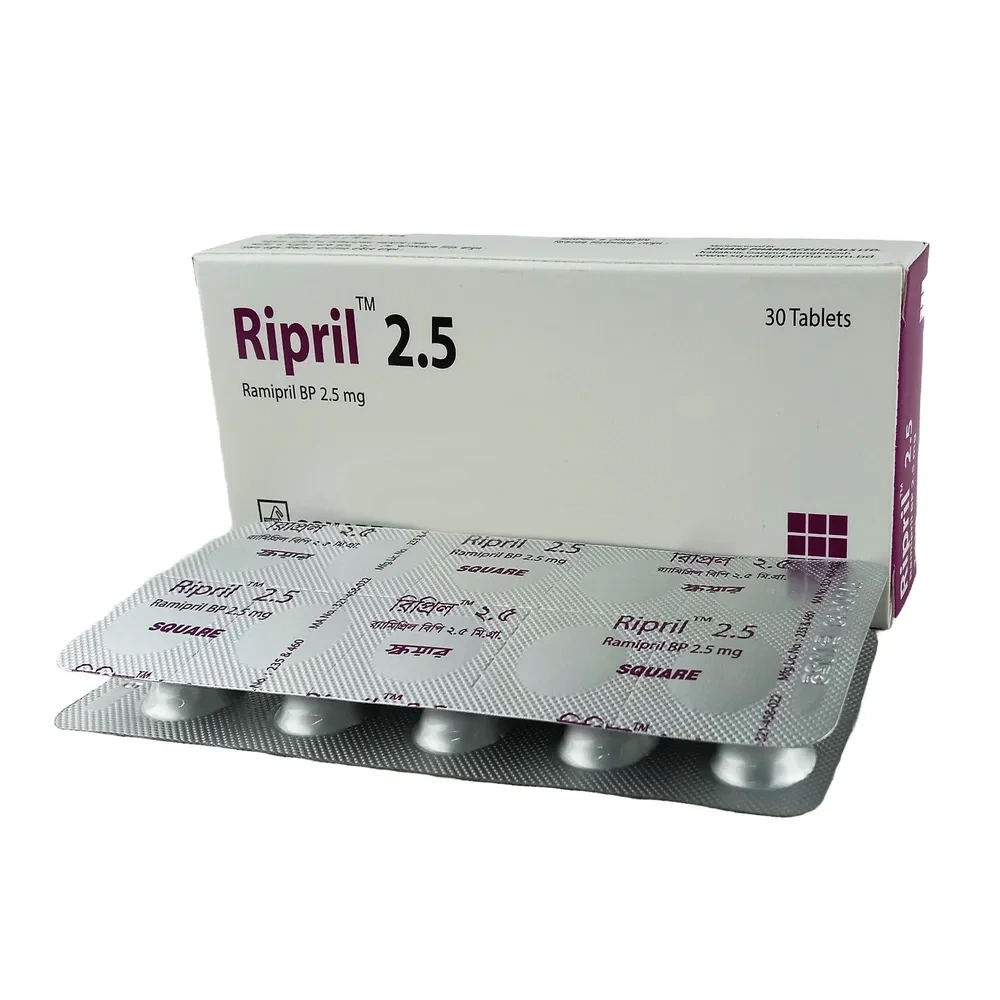
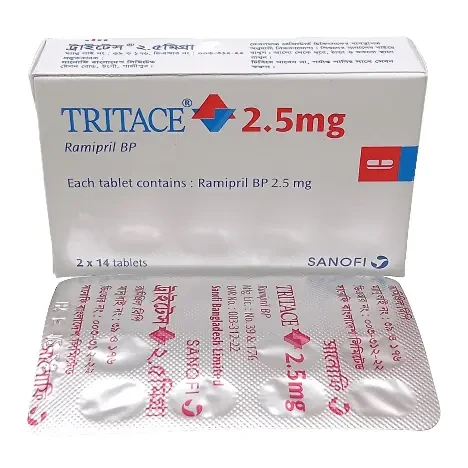
G-Ramipril Tablet 2.5 mg Introduction

G-Ramipril Tablet 2.5 mg is a medication used to treat hypertension (high blood pressure) and congestive heart failure. It belongs to a group of drugs called Angiotensin-converting Enzyme (ACE) inhibitors. It works by blocking the action of an enzyme that is responsible for the constriction of the blood vessels. This reduces blood pressure and makes it easier for the heart to pump blood.

G-Ramipril Tablet 2.5 mg Uses

G-Ramipril Tablet 2.5 mg is typically used to treat hypertension (high blood pressure) and congestive heart failure. It is also used to reduce cardiovascular morbidity and mortality due to hypertension-related diseases such as heart attack, stroke, and diabetes. Additionally, G-Ramipril Tablet 2.5 mg can be used to protect the kidneys in patients with diabetes and to reduce the risk of renal failure.

G-Ramipril Tablet 2.5 mg Mechanism of Action

G-Ramipril Tablet 2.5 mg works by blocking the action of an enzyme called Angiotensin-converting Enzyme (ACE). ACE is responsible for the conversion of angiotensin I to angiotensin II. Angiotensin II is then responsible for constricting blood vessels which can lead to increased blood pressure. By blocking the action of ACE, G-Ramipril Tablet 2.5 mg prevents the formation of angiotensin II and allows the blood vessels to relax, thus reducing blood pressure.

How Long Does G-Ramipril Tablet 2.5 mg Take to Work

The effects of G-Ramipril Tablet 2.5 mg can be seen within 1-2 weeks of starting the drug. The full effects of the drug, however, may take up to 4 weeks. During this time, the patient should continue to take the drug as directed to achieve the desired effects.

G-Ramipril Tablet 2.5 mg Absorption

G-Ramipril Tablet 2.5 mg is readily and completely absorbed following oral administration. The bioavailability is approximately 20-40% due to presystemic metabolism in the gastrointestinal tract. Peak plasma concentrations occur within 1 hour after administration.

Route of Elimination

G-Ramipril Tablet 2.5 mg is excreted mainly through the kidney. In patients with renal impairment, the drug is eliminated more slowly due to reduced renal clearance.

G-Ramipril Tablet 2.5 mg Dosage

The recommended starting dose of G-Ramipril Tablet 2.5 mg is 2.5mg taken orally once daily. The dosage can be increased up to 10mg if necessary. It is best to take the drug at the same time every day to maintain a steady level in the blood. The drug should only be taken as directed by your doctor, and never exceed the recommended dosage.

Administration

G-Ramipril Tablet 2.5 mg is available in tablets to be taken by mouth. The drug should be taken once daily with a glass of water. It is important to take the medication at the same time every day to ensure a consistent level of the drug in the body. It should be swallowed whole and not crushed, chewed, or dissolved.

Side Effects

Common side effects of G-Ramipril Tablet 2.5 mg include headache, dizziness, nausea, diarrhea, runny nose and cough. Other side effects may include weakness, fatigue, muscle cramps, and rash. It is important to contact your doctor should any of these side effects persist or worsen.

Toxicity

Overdoses of G-Ramipril Tablet 2.5 mg can cause potentially fatal hypotension and oliguria. In these cases, immediate treatment with intravenous fluids and pressor agents is recommended.

Precautions

Patients should inform their doctor of any existing medical conditions before taking G-Ramipril Tablet 2.5 mg. If the patient is taking other medications, it is important that the doctor be informed. The use of G-Ramipril Tablet 2.5 mg should be avoided in patients with anemia, severe renal impairment or renal failure, or history of angioedema.

Interactions

G-Ramipril Tablet 2.5 mg can interact with certain medications such as diuretics, other anti-hypertensive medications, non-steroidal anti-inflammatory drugs, and potassium supplements. It is important to inform your doctor of any medications that you are taking to avoid any dangerous drug interactions.

Disease Interactions

G-Ramipril Tablet 2.5 mg can interact with certain diseases such as diabetes, congestive heart failure, and renal impairment. It is important to inform your doctor of any existing medical conditions before taking G-Ramipril Tablet 2.5 mg.

Drug Interactions

G-Ramipril Tablet 2.5 mg can interact with certain drugs such as diuretics, other anti-hypertensive medications, non-steroidal anti-inflammatory drugs, and potassium supplements. It is important to inform your doctor of any medications that you are taking to avoid any dangerous drug interactions.

Food Interactions

G-Ramipril Tablet 2.5 mg can interact with certain foods such as dairy, alcoholic beverages, and foods high in potassium. It is important to talk to your doctor or pharmacist about any dietary changes before taking G-Ramipril Tablet 2.5 mg.

Pregnancy Use

It is not recommended to take G-Ramipril Tablet 2.5 mg during pregnancy, as it may cause adverse effects in the unborn baby. If you are pregnant or planning to become pregnant it is important to talk to your doctor before taking this medication.

Lactation Use

It is not recommended to take G-Ramipril Tablet 2.5 mg while breastfeeding. If you are breastfeeding or planning to breastfeed it is important to talk to your doctor before taking this medication.

Acute Overdose

Symptoms of an acute overdose of G-Ramipril Tablet 2.5 mg include hypotension, oliguria, tachycardia, and electrolyte disturbances. If an overdose is suspected, seek immediate medical attention.

Contraindication

G-Ramipril Tablet 2.5 mg should not be used by patients who are hypersensitive to the drug or its ingredients, or who have a history of angioedema. If any of these applies to you, it is important to consult your doctor before taking G-Ramipril Tablet 2.5 mg.

Use Direction

G-Ramipril Tablet 2.5 mg should be used as directed by a doctor. It is important to always follow the doctor's instructions carefully and take the drug at the same time every day with a glass of water. Do not exceed the recommended dosage.

Storage Condition

G-Ramipril Tablet 2.5 mg should be stored at room temperature away from direct sunlight and moisture. Do not store in the bathroom or kitchen. Keep out of reach of children and pets.

Volume of Distribution

The volume of distribution of G-Ramipril Tablet 2.5 mg varies depending on age, gender, weight, and other factors. It has been estimated to range from 0.3 to 1.6 L/kg.

Half Life

The half-life of G-Ramipril Tablet 2.5 mg is approximately 11 hours for a typical adult. In elderly patients, the half-life may be prolonged.

Clearance

The clearance of G-Ramipril Tablet 2.5 mg is approximately 25 mL/min for a typical adult. It may vary with age, gender, and other factors.

Dosage Information

The recommended starting dose of G-Ramipril Tablet 2.5 mg for hypertension is 2.5mg taken orally once daily. The dosage can be increased up to 10mg if necessary. It is best to take the drug at the same time every day to maintain a steady level in the blood. The drug should only be taken as directed by your doctor, and never exceed the recommended dosage.

See in details version G-Ramipril Tablet 2.5 mg also G-Ramipril Tablet 2.5 mg in bangla

Some Frequently Asked Questions About G-Ramipril Tablet 2.5 mg

1. What is G-Ramipril Tablet 2.5 mg?

G-Ramipril Tablet 2.5 mg is an angiotensin-converting enzyme (ACE) inhibitor, a type of medication used primarily to treat high blood pressure (hypertension), heart failure, and to improve survival rates after a heart attack. It works by relaxing blood vessels, which lowers blood pressure and reduces the workload on the heart. G-Ramipril Tablet 2.5 mg is available in tablet form and is typically prescribed under brand names like Altace or generics.

2. What class of drug is G-Ramipril Tablet 2.5 mg?

G-Ramipril Tablet 2.5 mg belongs to the class of drugs known as ACE inhibitors. These medications inhibit the enzyme responsible for converting angiotensin I to angiotensin II, a substance that narrows blood vessels and increases blood pressure. By blocking this process, G-Ramipril Tablet 2.5 mg helps maintain healthier circulation and heart function.

3. How does G-Ramipril Tablet 2.5 mg work in the body?

G-Ramipril Tablet 2.5 mg works by inhibiting the angiotensin-converting enzyme (ACE), which prevents the formation of angiotensin II. This leads to vasodilation (widening of blood vessels), reduced blood pressure, and decreased strain on the heart. Additionally, it reduces aldosterone production, which helps prevent fluid retention, further aiding in blood pressure control and heart health.

4. What conditions does G-Ramipril Tablet 2.5 mg treat?

G-Ramipril Tablet 2.5 mg is used to manage several cardiovascular conditions, including:

  • Hypertension: To lower high blood pressure.
  • Heart failure: To improve heart function in patients with weakened hearts.
  • Post-myocardial infarction: To enhance survival and prevent further heart damage after a heart attack.
  • Kidney protection: In some cases, to slow kidney disease progression in patients with diabetes or high blood pressure.

5. Is G-Ramipril Tablet 2.5 mg used for anything other than blood pressure?

Yes, beyond treating hypertension, G-Ramipril Tablet 2.5 mg is prescribed for heart failure and post-heart attack care. It’s also sometimes used off-label or as part of a regimen to protect kidney function in patients with conditions like diabetic nephropathy, where high blood pressure and diabetes damage the kidneys over time.

6. How is G-Ramipril Tablet 2.5 mg taken?

G-Ramipril Tablet 2.5 mg is taken orally in tablet form, usually once or twice daily, depending on the doctor’s instructions. It can be taken with or without food, but consistency in timing (e.g., morning or evening) is recommended to maintain stable blood levels.

7. What is the typical starting dose of G-Ramipril Tablet 2.5 mg?

The starting dose for hypertension is usually 2.5 mg once daily. For heart failure or post-heart attack treatment, it might begin at 1.25 mg or 2.5 mg, gradually increasing based on tolerance and response. Doctors adjust doses individually, often up to a maximum of 10 mg daily.

8. Can G-Ramipril Tablet 2.5 mg be taken with food?

Yes, G-Ramipril Tablet 2.5 mg can be taken with or without food. Food does not significantly affect its absorption, but taking it with a meal may help reduce stomach upset in some patients. The key is to take it at the same time each day for optimal effect.

9. What should I do if I miss a dose of G-Ramipril Tablet 2.5 mg?

If you miss a dose, take it as soon as you remember unless it’s nearly time for your next scheduled dose. In that case, skip the missed dose and resume your regular schedule. Never double up on doses to make up for a missed one, as this could lead to dangerously low blood pressure (hypotension).

10. How long does it take for G-Ramipril Tablet 2.5 mg to work?

G-Ramipril Tablet 2.5 mg begins lowering blood pressure within 1–2 hours of the first dose, with peak effects after 3–6 hours. However, its full benefits, especially for heart failure or kidney protection, may take weeks of consistent use to become noticeable.

11. What are the common side effects of G-Ramipril Tablet 2.5 mg?

Common side effects include:

  • Dry cough: A persistent, tickly cough due to increased bradykinin levels.
  • Dizziness: Often from lowered blood pressure, especially when standing up quickly.
  • Fatigue: Feeling tired or weak as the body adjusts.
  • Headache: A mild, temporary discomfort in some users.
These side effects are usually mild and may subside with time.

12. What are the serious side effects of G-Ramipril Tablet 2.5 mg?

Serious side effects, though rare, include:

  • Angioedema: Swelling of the face, throat, or limbs, which requires immediate medical attention.
  • Low blood pressure: Severe dizziness or fainting.
  • Kidney problems: Reduced urine output or swelling in the legs.
  • High potassium levels (hyperkalemia): Symptoms like muscle weakness or irregular heartbeat.
Seek emergency care if these occur.

13. Why does G-Ramipril Tablet 2.5 mg cause a cough?

The cough is a well-known side effect of ACE inhibitors like G-Ramipril Tablet 2.5 mg. It occurs because the drug increases brjualykinin levels, a substance that can irritate the lungs and trigger a dry, persistent cough. If it becomes bothersome, a doctor may switch you to an alternative like an ARB (angiotensin receptor blocker).

14. Can G-Ramipril Tablet 2.5 mg cause dizziness?

Yes, dizziness is common, especially when starting G-Ramipril Tablet 2.5 mg or increasing the dose. It’s often due to a drop in blood pressure (hypotension). To minimize this, rise slowly from sitting or lying down, and avoid dehydration.

15. Does G-Ramipril Tablet 2.5 mg affect kidney function?

G-Ramipril Tablet 2.5 mg can both protect and, in rare cases, harm the kidneys. It reduces pressure in the kidney’s blood vessels, helping prevent damage in conditions like diabetic nephropathy. However, in patients with pre-existing kidney issues or dehydration, it may reduce kidney function, so regular monitoring (e.g., creatinine levels) is advised.

16. Who should not take G-Ramipril Tablet 2.5 mg?

G-Ramipril Tablet 2.5 mg is contraindicated in:

  • Pregnant women: Especially in the second and third trimesters, due to risk of fetal harm.
  • People with angioedema history: From prior ACE inhibitor use or other causes.
  • Severe kidney artery stenosis: Narrowed kidney arteries can worsen with G-Ramipril Tablet 2.5 mg.
  • Allergy to ACE inhibitors: If allergic reactions have occurred before.

17. Is G-Ramipril Tablet 2.5 mg safe during pregnancy?

No, G-Ramipril Tablet 2.5 mg is not safe during pregnancy, particularly in the second and third trimesters. It can cause serious harm to the fetus, including kidney failure, low amniotic fluid, or death. Women planning pregnancy or who become pregnant should consult their doctor immediately to switch to a safer alternative.

18. Can I take G-Ramipril Tablet 2.5 mg while breastfeeding?

G-Ramipril Tablet 2.5 mg passes into breast milk in small amounts. While no significant harm has been widely reported, it’s best to consult a doctor. Alternatives like enalapril (another ACE inhibitor) may be preferred during breastfeeding due to more safety data.

19. Does G-Ramipril Tablet 2.5 mg interact with other medications?

Yes, G-Ramipril Tablet 2.5 mg can interact with:

  • Potassium supplements or potassium-sparing diuretics: Increases risk of hyperkalemia.
  • NSAIDs (e.g., ibuprofen): May reduce G-Ramipril Tablet 2.5 mg’s effectiveness and harm kidneys.
  • Lithium: Can increase lithium levels, leading to toxicity.
  • Other blood pressure drugs: May amplify hypotension.
Always inform your doctor of all medications you’re taking.

20. Can I drink alcohol while taking G-Ramipril Tablet 2.5 mg?

Moderate alcohol consumption is generally safe, but excessive drinking can lower blood pressure too much when combined with G-Ramipril Tablet 2.5 mg, causing dizziness or fainting. It’s best to limit alcohol and discuss with your doctor if you drink regularly.

21. Does G-Ramipril Tablet 2.5 mg cause weight gain?

Weight gain is not a common side effect of G-Ramipril Tablet 2.5 mg. However, fluid retention (edema) can occur in rare cases, especially in heart failure patients, which might be mistaken for weight gain. If you notice unexplained weight changes, consult your doctor.

22. Can G-Ramipril Tablet 2.5 mg be taken at night?

Yes, G-Ramipril Tablet 2.5 mg can be taken at night if it suits your schedule or if daytime dizziness is a concern. The key is consistency—take it at the same time daily for steady blood levels.

23. How long do I need to take G-Ramipril Tablet 2.5 mg?

G-Ramipril Tablet 2.5 mg is often a long-term or lifelong medication for chronic conditions like hypertension or heart failure. Stopping it suddenly can cause blood pressure to spike or worsen heart conditions, so only discontinue under medical supervision.

24. Can G-Ramipril Tablet 2.5 mg be stopped suddenly?

No, stopping G-Ramipril Tablet 2.5 mg abruptly can lead to a rebound increase in blood pressure or worsening of heart failure symptoms. Always taper off under a doctor’s guidance if discontinuation is necessary.

25. Does G-Ramipril Tablet 2.5 mg affect blood sugar levels?

G-Ramipril Tablet 2.5 mg does not directly affect blood sugar. In fact, it may improve insulin sensitivity slightly in diabetic patients, but this is not its primary effect. Diabetics should monitor blood sugar as usual.

26. Can G-Ramipril Tablet 2.5 mg cause high potassium levels?

Yes, G-Ramipril Tablet 2.5 mg can increase potassium levels (hyperkalemia) by reducing aldosterone, which normally helps excrete potassium. This risk is higher if combined with potassium supplements or certain diuretics. Blood tests can monitor this.

27. What should I avoid while taking G-Ramipril Tablet 2.5 mg?

Avoid:

  • Dehydration: From excessive sweating, vomiting, or diarrhea, as it can worsen hypotension.
  • High-potassium foods: Like bananas or oranges in excess, unless monitored.
  • Strenuous exercise without hydration: Due to blood pressure effects.

28. Can G-Ramipril Tablet 2.5 mg cause fatigue?

Yes, fatigue is a reported side effect, especially during the first few weeks as your body adjusts to lower blood pressure. If it persists or worsens, consult your doctor to rule out other causes.

29. Is G-Ramipril Tablet 2.5 mg safe for elderly patients?

Yes, but elderly patients may need lower starting doses (e.g., 1.25 mg) due to slower kidney function and higher sensitivity to blood pressure drops. Regular monitoring is essential.

30. Does G-Ramipril Tablet 2.5 mg affect the liver?

G-Ramipril Tablet 2.5 mg is metabolized by the liver, but liver damage is rare. Elevated liver enzymes have been reported in very few cases, so patients with liver disease should be monitored.

31. Can G-Ramipril Tablet 2.5 mg be used in children?

G-Ramipril Tablet 2.5 mg is not typically approved for children unless specifically prescribed by a specialist for conditions like hypertension or kidney disease. Dosing would be carefully calculated based on weight.

32. What’s the maximum dose of G-Ramipril Tablet 2.5 mg?

The maximum recommended dose is 10 mg per day, often split into two 5 mg doses, depending on the condition being treated and patient tolerance.

33. Can G-Ramipril Tablet 2.5 mg cause swelling?

Swelling (edema) is rare but can occur, especially in the legs if heart failure worsens. However, angioedema (sudden swelling of the face or throat) is a serious allergic reaction requiring urgent care.

34. How is G-Ramipril Tablet 2.5 mg different from other ACE inhibitors?

G-Ramipril Tablet 2.5 mg is similar to drugs like lisinopril or enalapril but has a longer half-life, allowing once-daily dosing in many cases. Its effectiveness post-heart attack is also well-documented compared to some others.

35. Can G-Ramipril Tablet 2.5 mg prevent heart attacks?

G-Ramipril Tablet 2.5 mg doesn’t directly prevent heart attacks but reduces risk by lowering blood pressure, improving heart function, and protecting blood vessels, especially in high-risk patients.

36. Does G-Ramipril Tablet 2.5 mg affect cholesterol?

G-Ramipril Tablet 2.5 mg has no direct effect on cholesterol levels. Its cardiovascular benefits come from blood pressure control and vessel relaxation, not lipid changes.

37. Can I take G-Ramipril Tablet 2.5 mg with a diuretic?

Yes, G-Ramipril Tablet 2.5 mg is often combined with diuretics like hydrochlorothiazide for better blood pressure control. However, this increases the risk of low blood pressure or electrolyte imbalances, so monitoring is needed.

38. What tests should I get while on G-Ramipril Tablet 2.5 mg?

Regular tests include:

  • Blood pressure checks: To ensure it’s controlled.
  • Kidney function: Creatinine and eGFR levels.
  • Potassium levels: To avoid hyperkalemia.

39. Can G-Ramipril Tablet 2.5 mg cause depression?

Depression is not a common side effect of G-Ramipril Tablet 2.5 mg. If mood changes occur, they’re more likely due to underlying health conditions or other medications.

40. Is G-Ramipril Tablet 2.5 mg addictive?

No, G-Ramipril Tablet 2.5 mg is not addictive. It doesn’t affect the brain’s reward system or cause dependency, though it’s a maintenance drug for chronic conditions.

41. Can G-Ramipril Tablet 2.5 mg be crushed or split?

Tablets can often be split if scored, but crushing or chewing is not recommended unless specified, as it may alter absorption. Check with your pharmacist or doctor.

42. Does G-Ramipril Tablet 2.5 mg cause hair loss?

Hair loss is not a typical side effect of G-Ramipril Tablet 2.5 mg. If it occurs, it might be due to stress, illness, or another medication.

43. Can G-Ramipril Tablet 2.5 mg be used for anxiety?

No, G-Ramipril Tablet 2.5 mg is not indicated for anxiety. It treats physical conditions like hypertension, not mental health disorders.

44. What’s the half-life of G-Ramipril Tablet 2.5 mg?

G-Ramipril Tablet 2.5 mg’s effective half-life is around 13–17 hours, allowing once-daily dosing. Its active metabolite, ramiprilat, has a longer duration of action.

45. Can G-Ramipril Tablet 2.5 mg cause a rash?

A rash is a rare side effect but can occur, especially if allergic. If accompanied by swelling or breathing issues, seek medical help immediately.

46. Does G-Ramipril Tablet 2.5 mg affect exercise?

G-Ramipril Tablet 2.5 mg shouldn’t limit exercise but may cause dizziness during intense activity, especially if dehydrated. Start slowly and stay hydrated.

47. Can G-Ramipril Tablet 2.5 mg be taken with aspirin?

Yes, low-dose aspirin (e.g., for heart protection) is usually safe with G-Ramipril Tablet 2.5 mg, but high-dose aspirin or NSAIDs may reduce its effectiveness.

48. Is G-Ramipril Tablet 2.5 mg expensive?

G-Ramipril Tablet 2.5 mg is widely available as a generic, making it affordable in most regions. Costs vary by country and insurance coverage.

49. Can G-Ramipril Tablet 2.5 mg cause stomach problems?

Mild stomach upset, nausea, or abdominal pain can occur but are uncommon. Taking it with food may help reduce these effects.

50. How should G-Ramipril Tablet 2.5 mg be stored?

Store G-Ramipril Tablet 2.5 mg at room temperature (15–30°C or 59–86°F), away from moisture and heat. Keep it out of reach of children and in its original container.

*** Taking medicines without doctor's advice can cause long-term problems.
Prof. Dr. Md. Nurul Huda

Prof. Dr. Md. Nurul Huda

Kidney Diseases, Dialysis & Internal Medicine Specialist

Nephrology Doctor in Chittagong
Call Doctor
Dr. TH Johra Moon Moon

Dr. TH Johra Moon Moon

Gynecology, Obstetrics Specialist & Laparoscopic Surgeon

Gynecologist in Dhaka
Call Doctor
Dr. D.B. Pal

Dr. D.B. Pal

Eye Specialist & Phaco Surgeon

Eye Doctor in Barishal
Call Doctor
Related Medicines