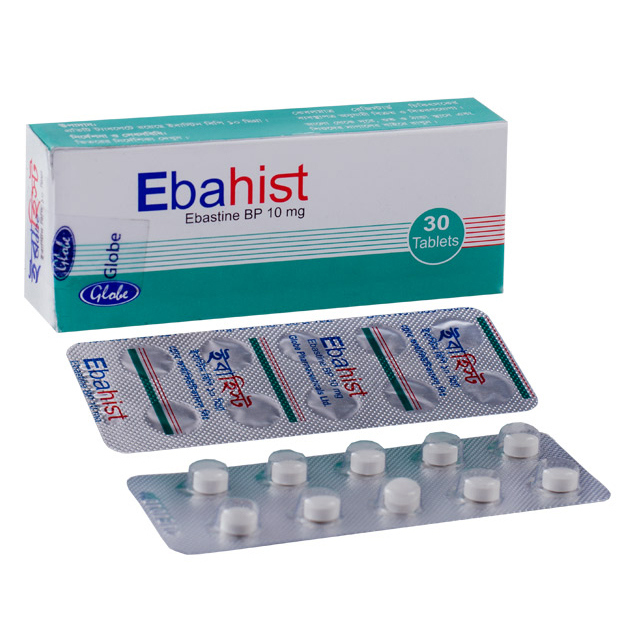
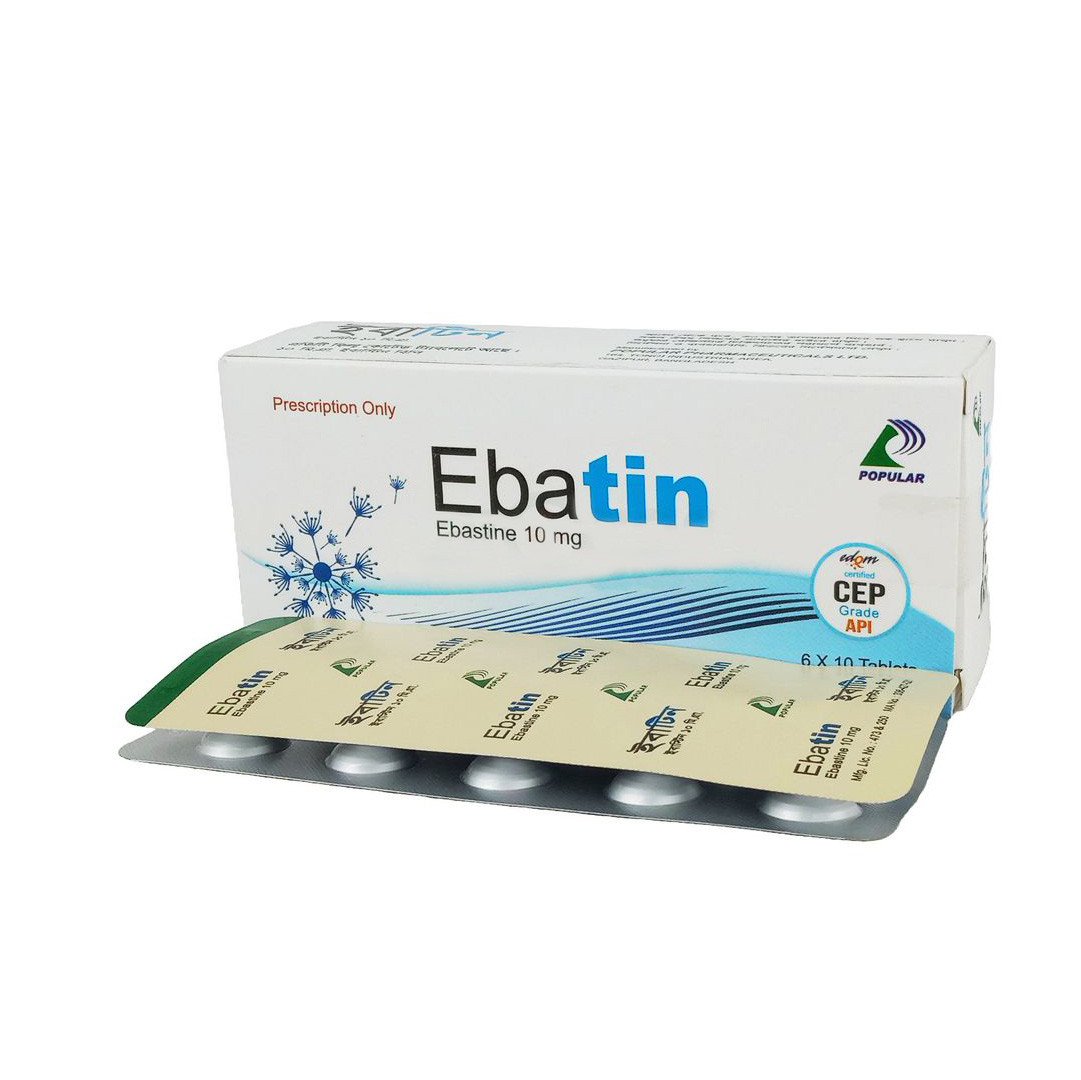
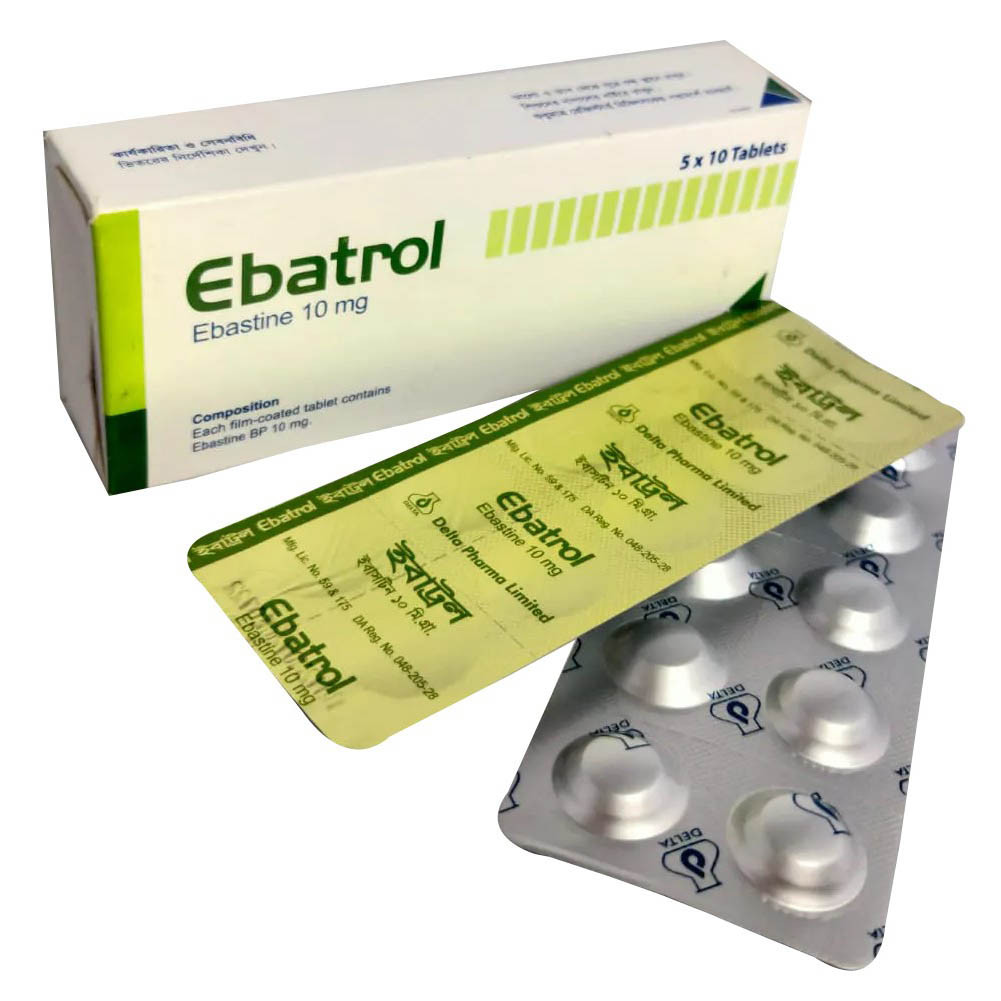
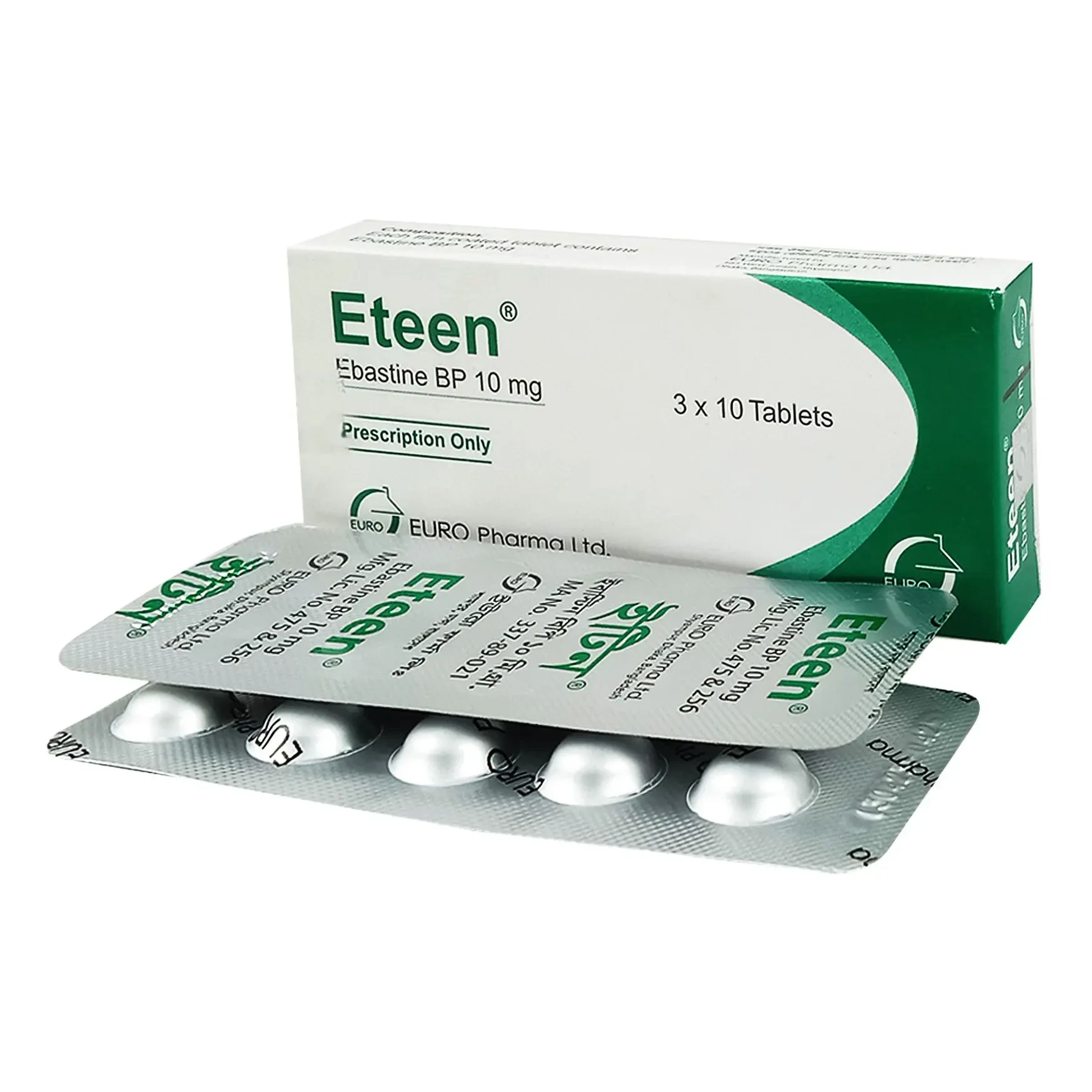
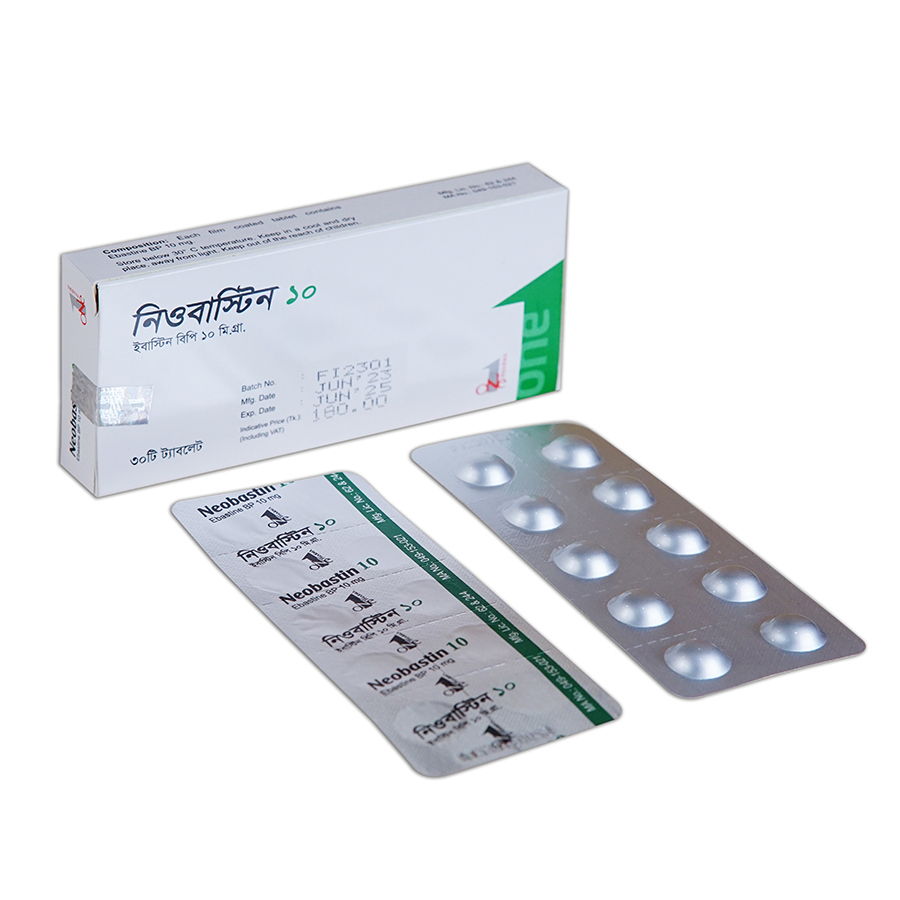
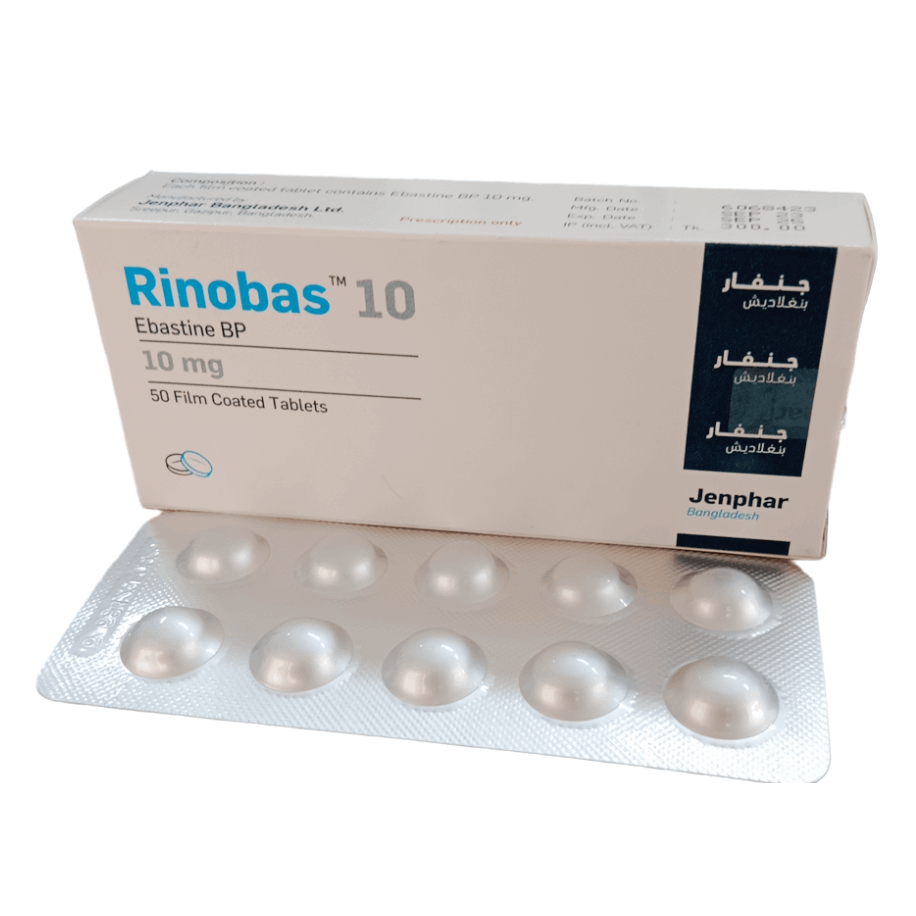
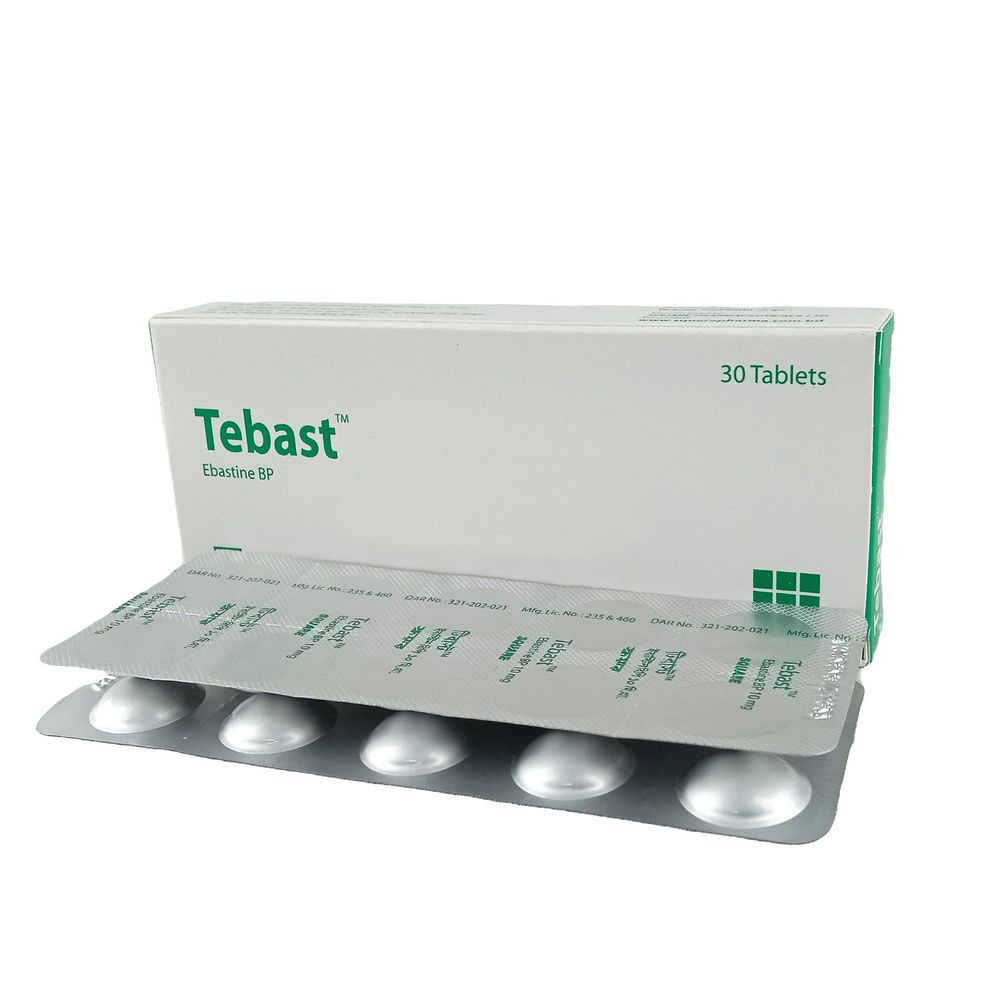
Ebahist Tablet 10 mg is an antiallergenic drug that belongs to a class of medications known as non-sedating antihistamines. It is traditionally used for the treatment of seasonal allergic rhinitis, including hay fever, as well as chronic urticaria. It acts as a H1 receptor antagonist and is also used off-label for relief from pruritus of mild to moderate intensity.
Ebahist Tablet 10 mg is used to treat a number of allergic reactions to environmental factors, such as pollen, dust, animal dander, and other irritants that cause symptoms including sneezing, itchy and watery eyes, itching of the nose and skin, and runny nose.
| Brand Name | Ebahist |
|---|---|
| Type | Tablet |
| Weight | 10 mg |
| Generic | Ebastine |
| Manufacturer | Globe Pharmaceuticals Ltd. |
| Available in | English বাংলা |
Ebahist Tablet 10 mg is a selective H1-receptor antagonist. It binds to the histamine receptors on cells in the human body, blocking the action of histamine, which is responsible for many of the symptoms associated with allergies. By blocking the action of histamine, ebastine can reduce the symptoms of rhinitis and chronic urticaria.
Ebahist Tablet 10 mg usually starts to work quickly, with some users experiencing relief within an hour of taking the medicine. It is important to continue taking the medicine regularly to get the best results.
Ebahist Tablet 10 mg is rapidly and completely absorbed following oral administration. Peak plasma concentrations are reached in 1-4 hours.
Ebahist Tablet 10 mg is mainly metabolized by the cytochrome P450 enzyme CYP3A4 in the liver and is eliminated primarily via the kidneys.
The normal dosage of ebastine is 10mg taken orally once a day, preferably in the evening. Depending on the patient’s individual response, the dosage can be increased to 20mg if necessary.
Ebahist Tablet 10 mg should be taken orally with or without food. If taken with food, it may take longer to work. If possible, the dose should be taken in the evening, as this will reduce the risk of drowsiness.
Common side effects of ebastine include: dry mouth, nausea, drowsiness, fatigue, headache, and insomnia. If any of these side effects are severe or do not go away, it is best to consult with a doctor.
Ebahist Tablet 10 mg has a low toxicity and is usually well tolerated. Overdose may result in symptoms such as tachycardia, dizziness, nausea, vomiting, and confusion. In cases of severe overdose, coma and respiratory depression may occur.
Ebahist Tablet 10 mg should not be used by patients with known hypersensitivity to the according or any of the other inactive ingredients. It should also not be used with alcohol, as this may increase the risk of adverse effects. It should also be avoided in patients with severe hepatic impairment.
Ebahist Tablet 10 mg may interact with certain drugs (e.g. atazanavir, ritonavir, etc.), so it is important to tell your doctor if you are taking any other medications. In addition, it may interact with certain foods, such as grapefruit juice, so it is important to avoid these.
Ebahist Tablet 10 mg may interact with certain diseases, such as hepatic impairment, so it is important to tell your doctor if you have any pre-existing medical conditions. In addition, it may worsen certain conditions, such as asthma or chronic obstructive pulmonary disease (COPD), so it is important to exercise caution if you have these conditions.
Ebahist Tablet 10 mg may interact with certain drugs (e.g. atazanavir, ritonavir, etc.), so it is important to tell your doctor if you are taking any other medications. In addition, certain drugs may increase the effects of ebastine, so it is important to exercise caution when taking them together.
Ebahist Tablet 10 mg may interact with certain foods, such as grapefruit juice, so it is important to avoid these. In addition, it is important to tell your doctor about any dietary supplements or herbal remedies you are taking.
Ebahist Tablet 10 mg is not recommended for use in pregnant women, as it may be associated with increased risks of adverse effects in the fetus. It is important to discuss the potential risks and benefits with your doctor before using this medication.
Ebahist Tablet 10 mg is excreted in breast milk, so it is not recommended for use in breastfeeding women. If you wish to use this medication, it is important to discuss the potential risks and benefits with your doctor.
Signs and symptoms of an acute overdose may include tachycardia, dizziness, nausea, vomiting, and confusion. If an overdose is suspected, it is important to seek emergency medical attention.
Ebahist Tablet 10 mg is contraindicated in patients with a known hypersensitivity to the according or any of the other inactive components. It is also contraindicated in patients with severe hepatic impairment or those taking other drugs that interact with ebastine.
Ebahist Tablet 10 mg should be taken according to the instructions given by your doctor. It is usually taken orally once a day, preferably in the evening, with or without food.
Ebahist Tablet 10 mg should be stored at room temperature in a dry, light-resistant container. It should be protected from moisture and direct light.
Ebahist Tablet 10 mg has an average volume of distribution of 0.4 L/kg.
The elimination half-life of ebastine ranges from 7 to 10 hours.
The average clearance of ebastine is estimated to be 0.25 L/h/kg.
See in details version Ebahist Tablet 10 mg also Ebahist Tablet 10 mg in bangla
Prof. Dr. Md. Abul Kashem Sarker
Urology (Kidneys, Ureters, Prostate) Specialist & Surgeon