Aniducon IV Infusion 100 mg/vial Introduction

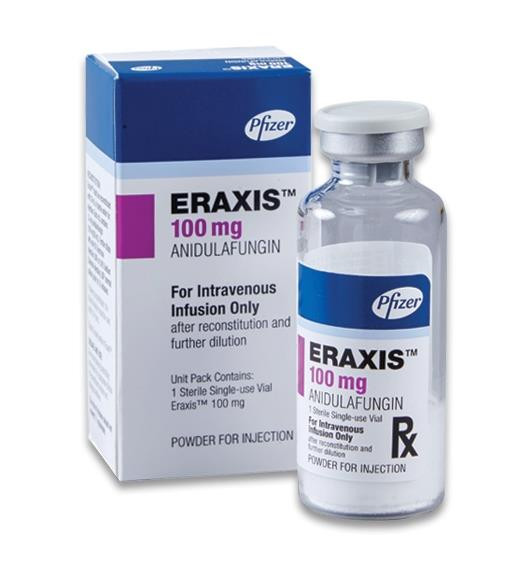
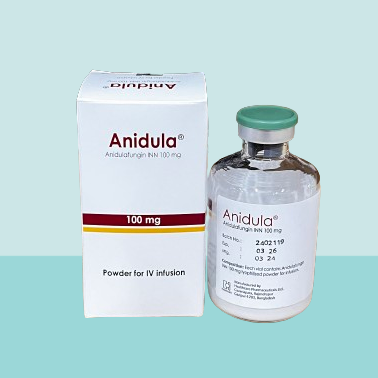
Aniducon IV Infusion 100 mg/vial is an antifungal medication used to treat certain types of fungal infections, such as esophageal candidiasis (EC) (a fungal infection of the esophagus), candidemia (when the bloodstream is infected with Candida yeast), and other serious fungal infections of the body. It is a semisynthetic echinocandin, derived from a fermentation product of Glarea lozoyensis. Aniducon IV Infusion 100 mg/vial is sold under the brand name Eraxis and is available in powder and intravenous forms.

Uses for Aniducon IV Infusion 100 mg/vial

Aniducon IV Infusion 100 mg/vial is used to treat certain fungal infections, including:

  • Esophageal candidiasis (EC) (a fungal infection of the esophagus)
  • Candidemia (when the bloodstream is infected with Candida yeast)
  • Other serious fungal infections of the body

Brand Name Aniducon
Type IV Infusion
Weight 100 mg/vial
Generic Anidulafungin
Manufacturer Beacon Pharmaceuticals PLC
Available in English বাংলা

Mechanism of Action

Aniducon IV Infusion 100 mg/vial works by disrupting cell wall formation of the fungus, inhibiting the ability of the fungus to produce essential components necessary for its growth. This causes the fungus to die off, stopping the spread of the infection. Aniducon IV Infusion 100 mg/vial is considered non-cytotoxic, meaning it does not cause damage to human cells.

How Long Does it Take to Work?

It may take several days for symptoms to improve, however, some users have reported feeling relief within 24 hours. The length of time it takes for Aniducon IV Infusion 100 mg/vial to work may vary based on the type and severity of the infection.

Absorption

Aniducon IV Infusion 100 mg/vial is poorly absorbed when taken orally. Intravenous administration is the preferred route of administration.

Route of Elimination

Aniducon IV Infusion 100 mg/vial is eliminated primarily in the feces. It is also eliminated in small amounts in the urine.

Dosage

Duration of treatment: There are insufficient data to support the 100 mg dose for longer than 35 days of treatment.

Patients with renal and hepatic impairment: No dosing adjustments are required for patients with mild, moderate, or severe hepatic impairment. No dosing adjustments are required for patients with any degree of renal insufficiency, including those on dialysis.

Other special population: No dosing adjustments are required for adult patients based on gender, weight, ethnicity, HIV positivity, or elderly.
 
Adults Pediatric (1 Month of Age and Older)
Candidemia and other forms of Candida infections
200 mg loading dose on Day 1, followed by 100 mg once daily maintenance dose thereafter for at least 14 days after the last positive culture 3 mg/kg (not to exceed 200 mg) loading dose on Day 1, followed by 1.5 mg/kg (not to exceed 100 mg) once daily maintenance dose thereafter for at least 14 days after the last positive culture
Esophageal Candidiasis
100 mg loading dose on Day 1, followed by 50 mg once daily maintenance dose thereafter for a minimum of 14 days and for at least 7 days following resolution of symptoms Not approved
Method of Administration: For intravenous use only. Anidulafungin should be reconstituted with water for injection to a concentration of 3.33 mg/mL and subsequently diluted to a concentration of 0.77 mg/mL. It is recommended that Anidulafungin be administered at a rate of infusion that does not exceed 1.1 mg/min (equivalent to 1.4 mL/min when reconstituted and diluted per instructions). Anidulafungin must not be administered as a bolus injection.

The recommended dose of Aniducon IV Infusion 100 mg/vial is 200 mg administered intravenously on the first day, followed by 100 mg administered intravenously once daily. The duration of treatment depends on the type and severity of the infection being treated.

Administration

Aniducon IV Infusion 100 mg/vial should be administered intravenously. It should not be administered orally as it is poorly absorbed.

Side Effects

The most common side effects associated with Aniducon IV Infusion 100 mg/vial include:

  • Nausea
  • Vomiting
  • Diarrhea
  • Headache
  • Rash

Toxicity

The most significant toxicity associated with Aniducon IV Infusion 100 mg/vial is kidney failure. Other rare but serious side effects can include liver failure, convulsions, and coma.

Precaution

Before taking Aniducon IV Infusion 100 mg/vial, tell your healthcare provider if you have any allergies, including to other antifungal medications, such as caspofungin or micafungin. Also, tell your healthcare provider if you are taking any other medications, including over-the-counter medications, supplements, or vitamins. Talk to your healthcare provider about any other medical conditions you have before taking Aniducon IV Infusion 100 mg/vial.

Interaction

Aniducon IV Infusion 100 mg/vial may interact with a variety of medications. Therefore, it is important to inform your healthcare provider of all medications you are taking. Some of the drug interactions with Aniducon IV Infusion 100 mg/vial include:

  • Other antifungal medications
  • Beta blockers
  • Oral corticosteroids
  • Cyclosporine

Disease Interaction

Aniducon IV Infusion 100 mg/vial may interact with certain diseases, such as kidney problems, liver problems, or other serious infections. Tell your healthcare provider if you have any of these conditions or if you have had them in the past.

Drug Interaction

Aniducon IV Infusion 100 mg/vial may interact with other drugs, including certain antibiotics, antipsychotics, beta blockers, and oral corticosteroids. It is important to tell your healthcare provider about all medications you are taking. Some drug interactions with Aniducon IV Infusion 100 mg/vial can be serious and may require dose adjustment or discontinuation of the medication.

Food Interactions

Aniducon IV Infusion 100 mg/vial is not known to interact with any food or beverages. However, it is always best to talk to your healthcare provider about any dietary restrictions while taking Aniducon IV Infusion 100 mg/vial.

Pregnancy Use

Aniducon IV Infusion 100 mg/vial should not be used during pregnancy. There is limited data available on the safety of Aniducon IV Infusion 100 mg/vial for pregnant woman and no well-controlled studies have been done in pregnant women.

Lactation Use

It is not known whether Aniducon IV Infusion 100 mg/vial is secreted in human milk. Due to the potential for serious adverse reactions in nursing infants, Aniducon IV Infusion 100 mg/vial should not be used in nursing mothers unless the potential benefits outweigh the potential risks.

Acute Overdose

If an overdose of Aniducon IV Infusion 100 mg/vial occurs, promptly seek medical attention. Symptoms of an overdose may include nausea, vomiting, diarrhea, and abdominal pain.

Contraindication

Aniducon IV Infusion 100 mg/vial should not be used in patients who are hypersensitive to it or any of its components. It should also not be used in patients with known or suspected heart valve infection (endocarditis).

Dosage Directions

The recommended dose of Aniducon IV Infusion 100 mg/vial is 200 mg administered intravenously on the first day, followed by 100 mg administered intravenously once daily. The duration of treatment depends on the type and severity of the infection being treated.

Storage Condition

Aniducon IV Infusion 100 mg/vial should be stored at room temperature away from moisture and heat. Do not freeze.

Volume of Distribution

The volume of distribution for Aniducon IV Infusion 100 mg/vial is 3.3 L.

Half Life

The half-life of Aniducon IV Infusion 100 mg/vial is approximately 52 hours.

Clearance

The clearance of Aniducon IV Infusion 100 mg/vial is approximately 64 mL/min.

See in details version Aniducon IV Infusion 100 mg/vial also Aniducon IV Infusion 100 mg/vial in bangla

Some Frequently Asked Questions About Aniducon IV Infusion 100 mg/vial

*** Taking medicines without doctor's advice can cause long-term problems.
Prof. Dr. Col. Md. Abdul Hannan

Prof. Dr. Col. Md. Abdul Hannan

Cardiovascular & Thoracic Surgery Specialist

Call Doctor
Prof. Dr. AHM Feroz

Prof. Dr. AHM Feroz

Medicine (All Diseases of Adults) Specialist

Call Doctor
Prof. Dr. Md. Abdul Hye

Prof. Dr. Md. Abdul Hye

Eye Diseases Specialist & Phaco Surgeon

Call Doctor
Related Medicines