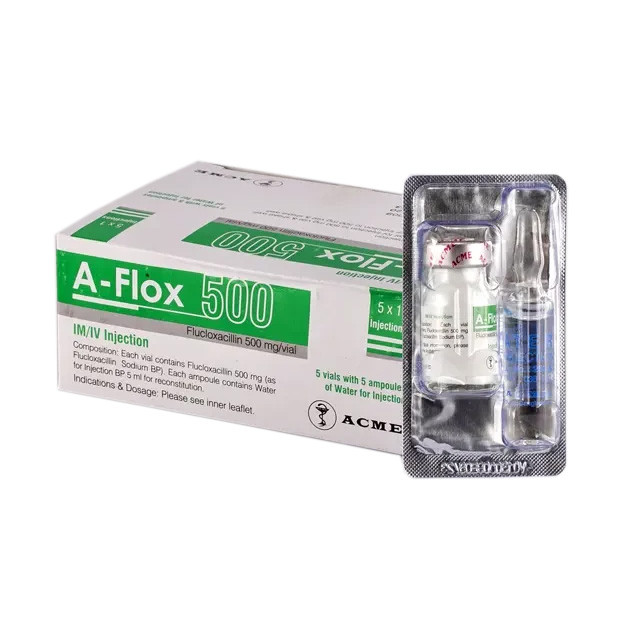
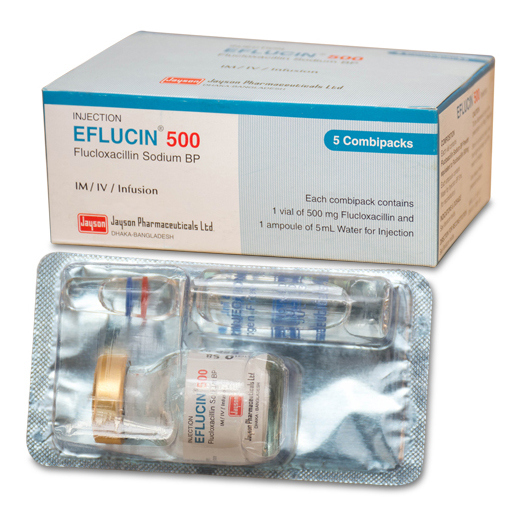
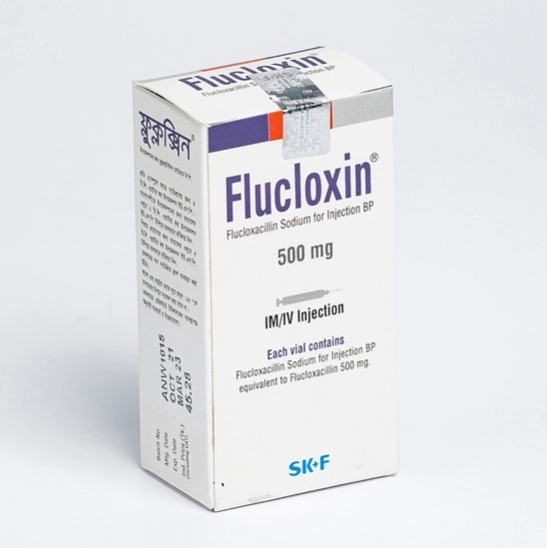
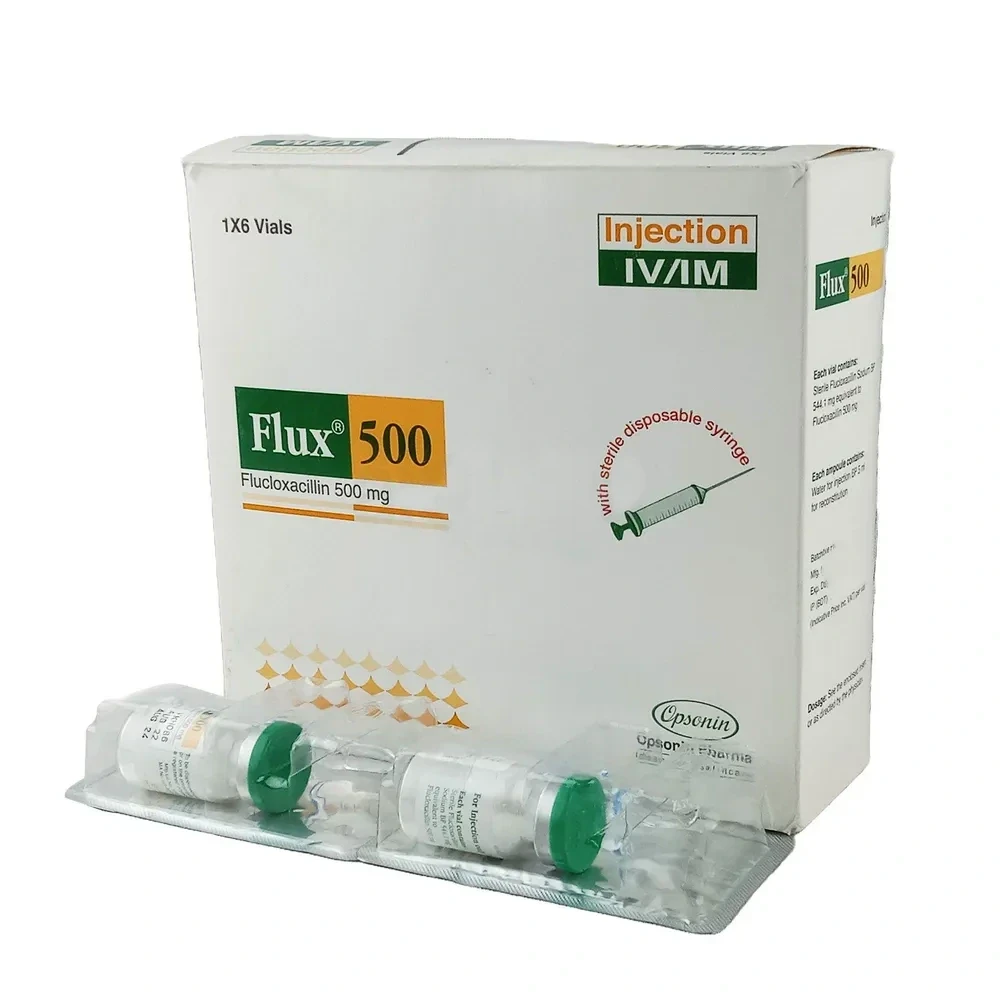
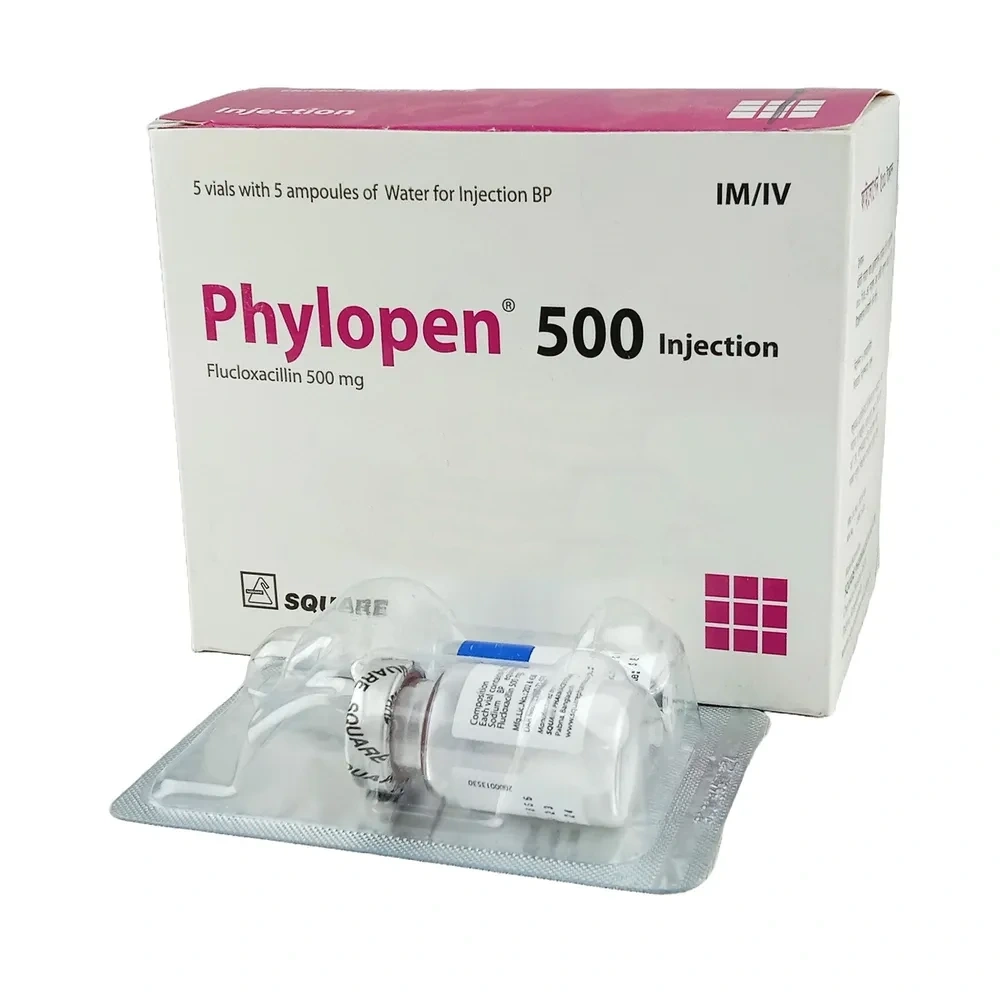
1. What is A-Flox IM/IV Injection 500 mg/vial?
A-Flox IM/IV Injection 500 mg/vial is a type of antibiotic that belongs to the class of penicillins. It is used to treat a variety of bacterial infections, especially those caused by Staphylococcus bacteria.
2. What conditions can A-Flox IM/IV Injection 500 mg/vial treat?
A-Flox IM/IV Injection 500 mg/vial is commonly used to treat:
- Skin infections (such as abscesses, cellulitis, and impetigo)
- Respiratory infections (such as pneumonia and bronchitis)
- Bone and joint infections (such as osteomyelitis)
- Ear infections (such as otitis media)
- Soft tissue infections
3. How does A-Flox IM/IV Injection 500 mg/vial work?
A-Flox IM/IV Injection 500 mg/vial works by inhibiting the growth of bacteria. It interferes with the synthesis of the bacterial cell wall, ultimately killing the bacteria.
4. What is the usual dosage of A-Flox IM/IV Injection 500 mg/vial?
The dosage of A-Flox IM/IV Injection 500 mg/vial varies depending on the severity of the infection. It is typically taken every 6 to 8 hours, but the exact dosage should be prescribed by your healthcare provider.
5. Can A-Flox IM/IV Injection 500 mg/vial be used for infections caused by viruses?
No, A-Flox IM/IV Injection 500 mg/vial is an antibiotic that only works against bacterial infections and is not effective against viral infections such as the flu or common cold.
6. How should A-Flox IM/IV Injection 500 mg/vial be taken?
A-Flox IM/IV Injection 500 mg/vial can be taken orally in capsule or liquid form, or administered intravenously. Always follow your healthcare provider's instructions for the proper method of administration.
7. Are there any common side effects of A-Flox IM/IV Injection 500 mg/vial?
Common side effects may include:
- Upset stomach
- Diarrhea
- Nausea
- Skin rash
8. What should I do if I miss a dose of A-Flox IM/IV Injection 500 mg/vial?
If you miss a dose, take it as soon as you remember. However, if it's almost time for your next dose, skip the missed dose and continue with your regular schedule. Do not take two doses at once.
9. Can A-Flox IM/IV Injection 500 mg/vial be used during pregnancy?
A-Flox IM/IV Injection 500 mg/vial is generally considered safe during pregnancy when prescribed by a healthcare provider. However, always consult your doctor before taking any medication during pregnancy.
10. Can A-Flox IM/IV Injection 500 mg/vial be used while breastfeeding?
A-Flox IM/IV Injection 500 mg/vial can pass into breast milk in small amounts. It is generally considered safe during breastfeeding, but you should consult your doctor before using it while nursing.
11. Can A-Flox IM/IV Injection 500 mg/vial cause an allergic reaction?
Yes, some individuals may experience an allergic reaction to A-Flox IM/IV Injection 500 mg/vial, which may include symptoms like:
- Rash
- Itching
- Swelling, particularly of the face, lips, or throat
- Breathing difficulties
If any of these symptoms occur, seek medical attention immediately.
12. Can A-Flox IM/IV Injection 500 mg/vial interact with other medications?
Yes, A-Flox IM/IV Injection 500 mg/vial can interact with other medications, including:
- Warfarin (blood thinners)
- Other antibiotics
- Probenecid
Always inform your doctor of all the medications you're currently taking.
13. How long does A-Flox IM/IV Injection 500 mg/vial take to work?
A-Flox IM/IV Injection 500 mg/vial typically starts working within a few hours, but it may take a few days for the full effect to be seen. Always complete the full course of treatment, even if you feel better.
14. Can A-Flox IM/IV Injection 500 mg/vial cause diarrhea?
Yes, diarrhea is a common side effect of A-Flox IM/IV Injection 500 mg/vial, especially when the body is adjusting to the antibiotic. If diarrhea becomes severe or persists, contact your doctor.
15. Can A-Flox IM/IV Injection 500 mg/vial be taken on an empty stomach?
A-Flox IM/IV Injection 500 mg/vial is usually best taken on an empty stomach, about 1 hour before or 2 hours after meals, for optimal absorption. However, follow your doctor's recommendations.
16. Can A-Flox IM/IV Injection 500 mg/vial be used to treat a cold or the flu?
No, A-Flox IM/IV Injection 500 mg/vial is an antibiotic used to treat bacterial infections and is not effective against viral infections such as the common cold or flu.
17. Can A-Flox IM/IV Injection 500 mg/vial cause liver problems?
In rare cases, A-Flox IM/IV Injection 500 mg/vial can cause liver problems. Symptoms of liver issues may include yellowing of the skin or eyes (jaundice), dark urine, or abdominal pain. Seek medical attention if these occur.
18. Can A-Flox IM/IV Injection 500 mg/vial be used for tooth infections?
Yes, A-Flox IM/IV Injection 500 mg/vial can be used to treat bacterial infections in the mouth, including tooth infections caused by susceptible bacteria.
19. Can A-Flox IM/IV Injection 500 mg/vial be used for urinary tract infections (UTIs)?
A-Flox IM/IV Injection 500 mg/vial may be used for UTIs caused by susceptible bacteria, but other antibiotics are often preferred for treating UTIs. Consult your doctor for the best treatment.
20. Can A-Flox IM/IV Injection 500 mg/vial cause nausea?
Yes, nausea is a possible side effect. Taking the medication with food or drinking plenty of fluids may help reduce nausea.
21. How should A-Flox IM/IV Injection 500 mg/vial be stored?
Store A-Flox IM/IV Injection 500 mg/vial at room temperature, away from moisture and heat. Keep it out of the reach of children.
22. Can A-Flox IM/IV Injection 500 mg/vial be used for ear infections?
Yes, A-Flox IM/IV Injection 500 mg/vial can be used to treat bacterial ear infections, such as otitis media, caused by susceptible bacteria.
23. Is A-Flox IM/IV Injection 500 mg/vial effective against MRSA?
A-Flox IM/IV Injection 500 mg/vial is effective against most strains of Staphylococcus aureus, but some strains, including Methicillin-resistant Staphylococcus aureus (MRSA), may be resistant. Your doctor may prescribe a different antibiotic for MRSA.
24. Can A-Flox IM/IV Injection 500 mg/vial be used for chest infections?
Yes, A-Flox IM/IV Injection 500 mg/vial is commonly used to treat chest infections like pneumonia or bronchitis, especially when caused by susceptible bacteria.
25. Can A-Flox IM/IV Injection 500 mg/vial be used for wound infections?
Yes, A-Flox IM/IV Injection 500 mg/vial is effective for treating wound infections, particularly those caused by Staphylococcus bacteria.
26. Can A-Flox IM/IV Injection 500 mg/vial be used for boils?
Yes, A-Flox IM/IV Injection 500 mg/vial is often prescribed to treat boils and abscesses caused by bacterial infections.
27. Can A-Flox IM/IV Injection 500 mg/vial be taken with food?
A-Flox IM/IV Injection 500 mg/vial is best taken on an empty stomach, but if it causes stomach upset, it may be taken with food. Follow your doctor's instructions.
28. Can A-Flox IM/IV Injection 500 mg/vial be used for sinus infections?
Yes, A-Flox IM/IV Injection 500 mg/vial may be used to treat sinus infections (sinusitis) caused by bacteria susceptible to the drug.
29. What should I do if I overdose on A-Flox IM/IV Injection 500 mg/vial?
If you suspect an overdose, seek emergency medical attention immediately. Symptoms of an overdose may include nausea, vomiting, and diarrhea.
30. Is A-Flox IM/IV Injection 500 mg/vial safe for children?
A-Flox IM/IV Injection 500 mg/vial can be used in children, but the dosage must be adjusted based on the child's age and weight. Consult your doctor for appropriate dosing information.
31. Can A-Flox IM/IV Injection 500 mg/vial be used for skin rashes?
A-Flox IM/IV Injection 500 mg/vial may be used for skin rashes caused by bacterial infections. However, rashes caused by other factors should be evaluated by a doctor.
32. Can A-Flox IM/IV Injection 500 mg/vial be used for sore throats?
Yes, A-Flox IM/IV Injection 500 mg/vial may be prescribed for sore throats caused by bacterial infections, such as those caused by Streptococcus bacteria.
33. Can A-Flox IM/IV Injection 500 mg/vial cause headaches?
Headaches are not a common side effect of A-Flox IM/IV Injection 500 mg/vial, but they can occur in some individuals.
34. Can A-Flox IM/IV Injection 500 mg/vial cause dizziness?
A-Flox IM/IV Injection 500 mg/vial may cause dizziness or lightheadedness in some people. If you experience these symptoms, avoid activities that require concentration, such as driving.
35. Can A-Flox IM/IV Injection 500 mg/vial be used for sepsis?
Yes, A-Flox IM/IV Injection 500 mg/vial can be used to treat sepsis caused by susceptible bacteria, although it is often given in combination with other antibiotics.
36. How long should I take A-Flox IM/IV Injection 500 mg/vial?
The duration of treatment with A-Flox IM/IV Injection 500 mg/vial depends on the type of infection and its severity. It is important to complete the full course of antibiotics as prescribed by your doctor.
37. Can A-Flox IM/IV Injection 500 mg/vial cause allergic reactions in people with penicillin allergies?
Yes, individuals who are allergic to penicillin may also be allergic to A-Flox IM/IV Injection 500 mg/vial. If you have a known penicillin allergy, inform your doctor before using this medication.
38. Can A-Flox IM/IV Injection 500 mg/vial cause kidney problems?
In rare cases, A-Flox IM/IV Injection 500 mg/vial may cause kidney problems. Symptoms of kidney issues include changes in urination or swelling in the legs and feet. Contact your doctor if you notice any of these symptoms.
39. What is the shelf life of A-Flox IM/IV Injection 500 mg/vial?
The shelf life of A-Flox IM/IV Injection 500 mg/vial is typically around 2 to 3 years. Always check the expiration date on the packaging and dispose of expired medication properly.
40. Can A-Flox IM/IV Injection 500 mg/vial be used to treat tooth abscesses?
Yes, A-Flox IM/IV Injection 500 mg/vial can be prescribed to treat tooth abscesses caused by bacterial infections.
41. Is A-Flox IM/IV Injection 500 mg/vial available over-the-counter?
No, A-Flox IM/IV Injection 500 mg/vial is a prescription-only medication and should only be used under the supervision of a healthcare provider.
42. Can A-Flox IM/IV Injection 500 mg/vial be used for staph infections?
Yes, A-Flox IM/IV Injection 500 mg/vial is commonly used to treat staph infections, especially those caused by methicillin-sensitive Staphylococcus aureus (MSSA).
43. Can A-Flox IM/IV Injection 500 mg/vial cause difficulty breathing?
Yes, difficulty breathing may occur as part of an allergic reaction. If you experience this, stop using the medication and seek immediate medical help.
44. Can A-Flox IM/IV Injection 500 mg/vial be used for impetigo?
Yes, A-Flox IM/IV Injection 500 mg/vial is commonly prescribed to treat impetigo, a bacterial skin infection.
45. Can A-Flox IM/IV Injection 500 mg/vial be used for boils on the skin?
Yes, A-Flox IM/IV Injection 500 mg/vial is effective in treating boils caused by Staphylococcus bacteria.
46. Can A-Flox IM/IV Injection 500 mg/vial be used for acne?
A-Flox IM/IV Injection 500 mg/vial may be used in certain cases of acne if the condition is caused by a bacterial infection. Consult your doctor for the best treatment.
47. What should I do if I experience side effects from A-Flox IM/IV Injection 500 mg/vial?
If you experience side effects, inform your doctor immediately. For serious reactions, such as anaphylaxis or severe rash, seek emergency medical attention.
48. Can A-Flox IM/IV Injection 500 mg/vial cause a sore throat?
A sore throat is not a common side effect, but if you develop a sore throat while using A-Flox IM/IV Injection 500 mg/vial, consult your doctor.
49. Is A-Flox IM/IV Injection 500 mg/vial effective for urinary tract infections (UTIs)?
A-Flox IM/IV Injection 500 mg/vial is not typically the first choice for UTIs, but it can be effective for UTIs caused by susceptible bacteria.
50. Can A-Flox IM/IV Injection 500 mg/vial cause a fever?
A-Flox IM/IV Injection 500 mg/vial may cause a mild fever in some individuals, particularly during the initial days of treatment. If you develop a high fever or other severe symptoms, consult your doctor.