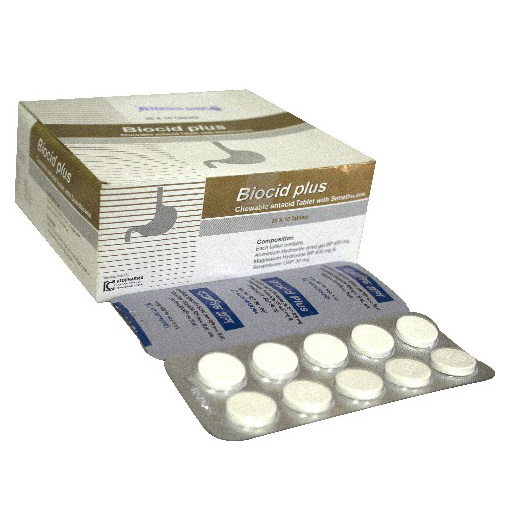
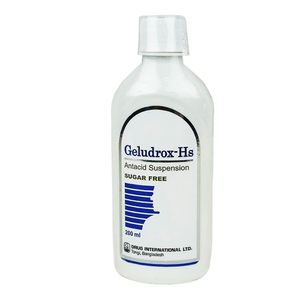
1. What is নোকিড প্লাস?
This is a combination medication used to relieve heartburn, acid indigestion, and bloating or gas. Aluminium Hydroxide and Magnesium Hydroxide are antacids that neutralize stomach acid, while Simethicone is an anti-foaming agent that breaks up gas bubbles in the stomach and intestines. It’s available over-the-counter (OTC) in products like Mylanta, Maalox Plus, or generics, as liquids or chewable tablets.
2. What class of drug does this combination belong to?
It’s classified as an antacid (from Aluminium Hydroxide and Magnesium Hydroxide) and an antiflatulent (from Simethicone). Together, they address both acid-related discomfort and gas-related symptoms, making it a multi-symptom relief option.
3. How does this combination work?
It works through three actions:
- Aluminium Hydroxide: Neutralizes stomach acid by forming aluminium chloride and water.
- Magnesium Hydroxide: Also neutralizes acid, forming magnesium chloride and water.
- Simethicone: Reduces surface tension of gas bubbles, causing them to combine and be expelled via burping or flatulence.
This trio provides fast relief from acidity and bloating.
4. What conditions does this combination treat?
It treats:
- Heartburn: Burning from acid reflux.
- Acid indigestion: Stomach discomfort from excess acid.
- Gas and bloating: Pressure or fullness from trapped gas.
- Sour stomach: General acid-related upset.
It’s symptomatic relief, not a cure for underlying issues.
5. Is it used for anything other than acid and gas?
Primarily, it targets acid and gas relief. Aluminium Hydroxide alone can bind phosphates in kidney disease, but this combination is formulated for digestive comfort, not systemic conditions.
6. How is it taken?
It’s taken orally as a liquid suspension or chewable tablet. Liquids should be shaken well, and chewables must be thoroughly chewed before swallowing. It’s typically taken after meals or when symptoms occur, per package or doctor instructions.
7. What is the typical dosage for adults?
A common dose is 10–20 mL of liquid or 2–4 chewable tablets (e.g., 200–400 mg Aluminium Hydroxide, 200–400 mg Magnesium Hydroxide, 20–40 mg Simethicone per dose), taken 1–4 times daily as needed, often after meals and at bedtime. Maximum daily limits (e.g., 80 mL or 16 tablets) should not be exceeded without medical advice.
8. What is the dosage for children?
For children, dosing depends on age and weight and requires a doctor’s guidance. For ages 6–12, it might be half the adult dose (5–10 mL or 1–2 tablets), but it’s not usually recommended under 6 without supervision.
9. Can it be taken with food?
It’s typically taken after meals or when symptoms arise, not with food directly. Post-meal use targets acid and gas produced during digestion, enhancing relief.
10. What should I do if I miss a dose?
As it’s taken as needed, missing a dose isn’t an issue. Take it when symptoms return, but don’t double up, as it’s for symptom relief, not a scheduled regimen.
11. How quickly does it work?
It acts within 5–15 minutes. The antacids neutralize acid quickly, and Simethicone disperses gas soon after, with relief lasting 1–3 hours depending on diet and digestion.
12. What are the common side effects?
Common side effects include:
- Constipation: From Aluminium Hydroxide slowing bowel motility.
- Diarrhea: From Magnesium Hydroxide’s laxative effect.
- Chalky taste: A mild aftertaste from the antacids.
Simethicone rarely causes side effects.
13. What are the serious side effects?
Rare but serious effects include:
- Electrolyte imbalance: High magnesium or aluminium levels with prolonged use.
- Kidney issues: Aluminium buildup in renal failure patients.
- Severe bowel changes: Obstruction or persistent diarrhea.
Seek help for symptoms like confusion or severe pain.
14. Why does it cause constipation or diarrhea?
Aluminium Hydroxide binds water in the gut, causing constipation, while Magnesium Hydroxide draws water in, causing diarrhea. The combination aims to balance these, but individual responses vary. Simethicone doesn’t affect bowels.
15. Can it cause bloating?
It’s meant to reduce bloating, but acid neutralization produces carbon dioxide, which might cause mild bloating or burping temporarily. Simethicone helps counteract this.
16. Who should not take this combination?
It’s not suitable for:
- People with kidney disease: Risk of aluminium/magnesium buildup.
- Those allergic to ingredients: Rare hypersensitivity.
- Patients with bowel obstruction: Constipation risk.
Consult a doctor if these apply.
17. Is it safe during pregnancy?
It’s generally safe for occasional use in pregnancy, as it’s minimally absorbed. However, prolonged use may affect electrolytes, so pregnant women should consult a doctor.
18. Can I take it while breastfeeding?
Yes, it’s safe during breastfeeding, with negligible amounts in breast milk. Avoid excessive use and confirm with a healthcare provider for prolonged needs.
19. Does it interact with other medications?
Yes, it can reduce absorption of:
- Antibiotics: E.g., tetracycline, fluoroquinolones.
- Iron supplements: Binds to iron.
- Other drugs: E.g., digoxin, levothyroxine.
Take it 2 hours before or after other medications.
20. Can I drink alcohol while taking it?
Alcohol doesn’t interact directly, but it can worsen acid reflux or gas, reducing the combination’s effectiveness. Limit alcohol during use.
21. Does it cause weight gain?
No, it doesn’t affect metabolism or cause weight gain. Bloating or water retention from bowel changes might be mistaken for weight gain.
22. Can it be taken at night?
Yes, it’s often taken at bedtime to relieve nighttime heartburn, gas, or reflux, improving sleep comfort.
23. How long can I take it?
It’s safe for occasional use (up to 2 weeks) without medical advice. Longer use risks electrolyte imbalances or kidney issues, so see a doctor if symptoms persist.
24. Can I stop taking it suddenly?
Yes, stopping poses no withdrawal risk since it’s used as needed. Symptoms may return if the cause (e.g., diet, GERD) isn’t addressed.
25. Does it affect blood sugar?
No, it acts locally in the gut and doesn’t impact blood sugar or systemic metabolism.
26. Can it cause high magnesium or aluminium levels?
Yes, prolonged use or kidney issues can lead to hypermagnesemia or aluminium accumulation, causing symptoms like weakness or confusion. This is rare with normal use.
27. What should I avoid while taking it?
Avoid:
- Medications too close in time: Space them out by 2 hours.
- Excessive dairy: May increase calcium-related risks.
- Gas-producing foods: E.g., beans, if treating bloating.
28. Can it cause fatigue?
Fatigue isn’t a direct effect. If it occurs, it might stem from electrolyte shifts or the underlying condition.
29. Is it safe for elderly patients?
Yes, but elderly patients with reduced kidney function should use it cautiously and avoid long-term use without monitoring due to accumulation risks.
30. Does it affect the liver?
No, it’s not metabolized by the liver and acts locally in the digestive tract, with minimal systemic impact.
31. Can it be used in children?
Yes, but only under medical supervision for those under 12. Doses are adjusted for age and weight to avoid side effects.
32. What’s the maximum daily dose?
Typically, 80 mL of liquid or 16 tablets (e.g., 200–400 mg of each antacid, 20–40 mg Simethicone per dose), not exceeding 4 doses in 24 hours unless advised otherwise.
33. Can it cause burping?
Yes, Simethicone helps release gas via burping, and acid neutralization produces carbon dioxide, which may also cause burping. This is usually a sign it’s working.
34. How is it different from other antacids?
Unlike plain antacids (e.g., calcium carbonate), it includes Simethicone for gas relief, making it more versatile. The aluminium-magnesium mix also balances bowel effects better.
35. Can it prevent ulcers?
No, it relieves ulcer symptoms but doesn’t heal or prevent them. PPIs or H2 blockers are needed for ulcer treatment.
36. Does it affect cholesterol?
No, it has no effect on cholesterol, as it works only in the gut and isn’t absorbed systemically.
37. Can it be taken with other antacids?
It’s not typically necessary, as it’s a complete formulation. Adding other antacids (e.g., Tums) could increase side effect risks without much benefit.
38. What tests should I get if using it long-term?
For extended use, monitor:
- Kidney function: Creatinine levels.
- Electrolytes: Magnesium, aluminium, calcium.
This prevents buildup or imbalances.
39. Can it cause mood changes?
No, it doesn’t affect the brain or mood, as it’s not absorbed significantly into the bloodstream.
40. Is it addictive?
No, it’s not habit-forming. Frequent use might indicate an underlying issue needing medical attention.
41. Can it be chewed or crushed?
Chewable tablets are designed to be chewed. Regular tablets shouldn’t be crushed unless specified, and liquids need no alteration.
42. Does it cause hair loss?
No, there’s no link to hair loss. Any such effect would be unrelated.
43. Can it be used for nausea?
It’s not specifically for nausea but may help if nausea is due to acid or gas. Other causes won’t respond.
44. What’s the shelf life?
Usually 2–3 years from manufacture. Check the expiration date—expired products may lose potency but aren’t harmful.
45. Can it cause a rash?
A rash is rare but possible if allergic to an ingredient. Stop use and consult a doctor if it occurs.
46. Does it affect exercise?
No direct effect, but relieving gas and acid might improve exercise comfort. Overuse could cause bowel changes impacting activity.
47. Can it be taken with aspirin?
Yes, but take it 2 hours apart, as it may reduce aspirin absorption. It can also ease aspirin-related stomach irritation.
48. Is it expensive?
No, it’s an affordable OTC option, with generics costing a few dollars per bottle or pack, varying by region.
49. Can it cause bad breath?
No, it doesn’t cause bad breath. A chalky taste might linger briefly but fades quickly.
50. How should it be stored?
Store at room temperature (15–30°C or 59–86°F), away from heat, moisture, and sunlight. Keep liquids tightly closed and shake before use.