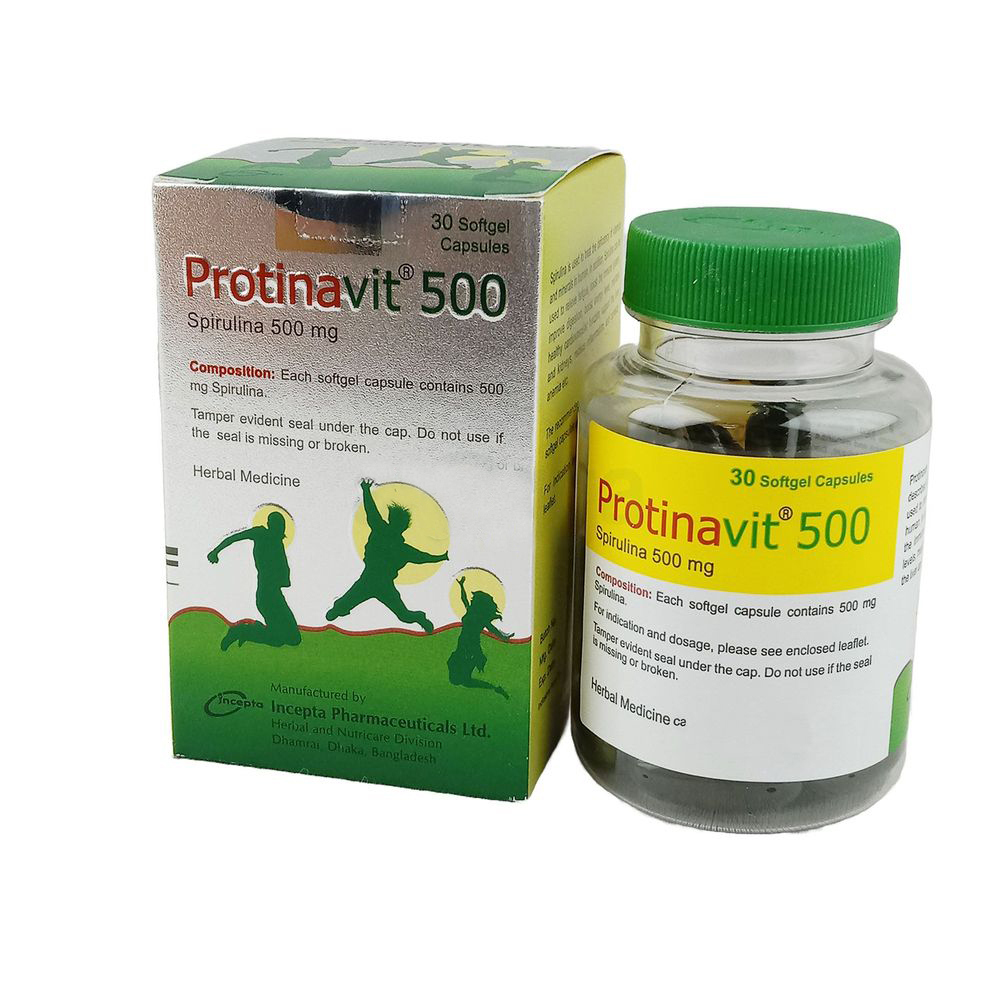
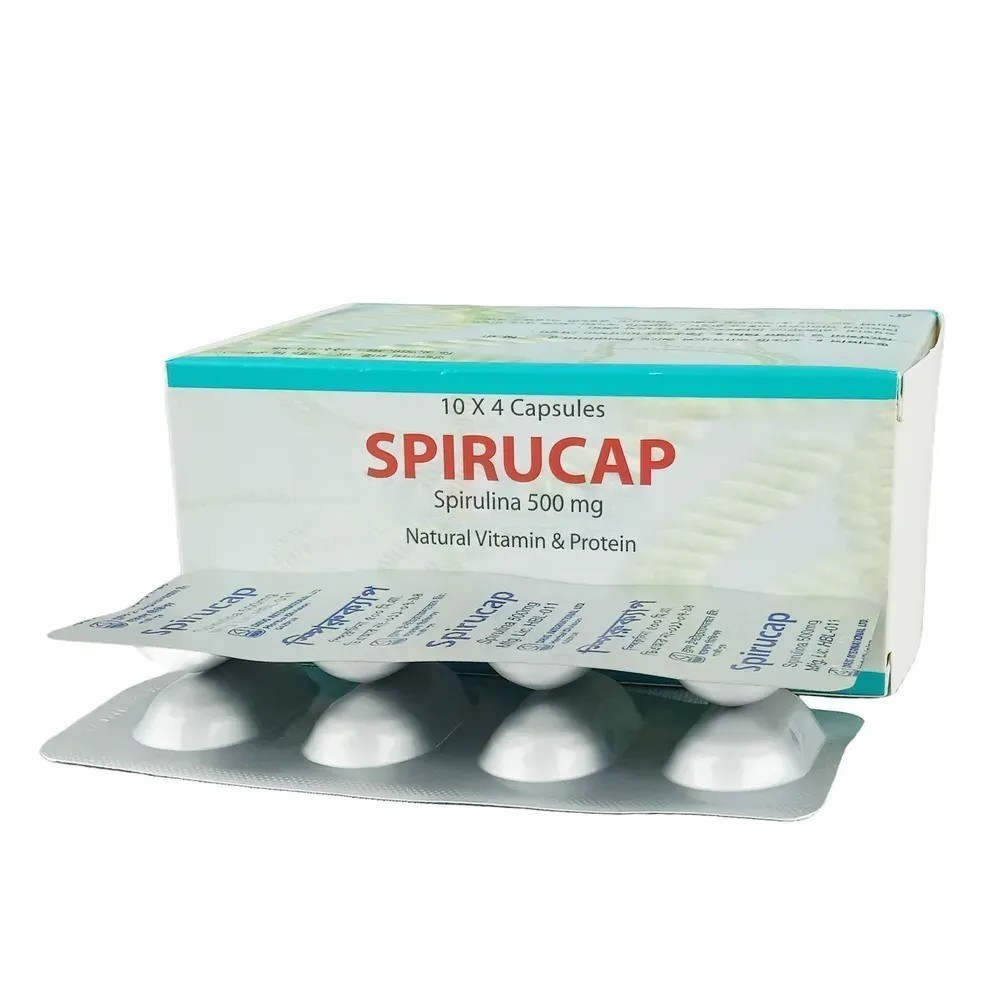
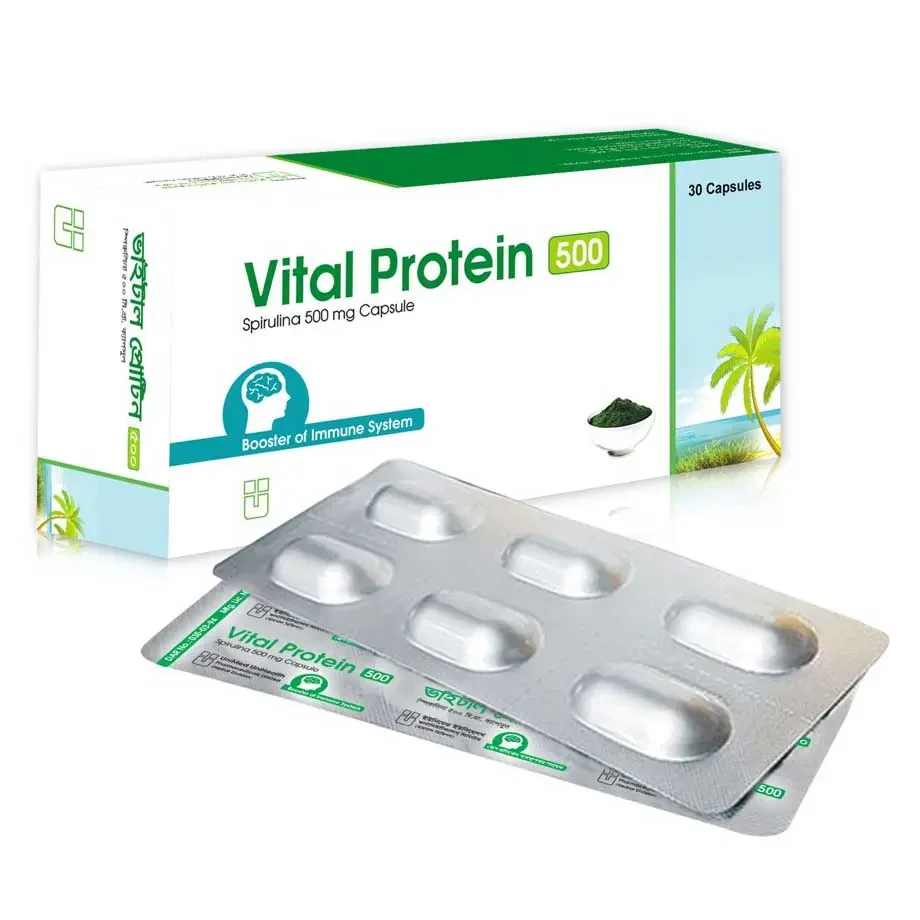
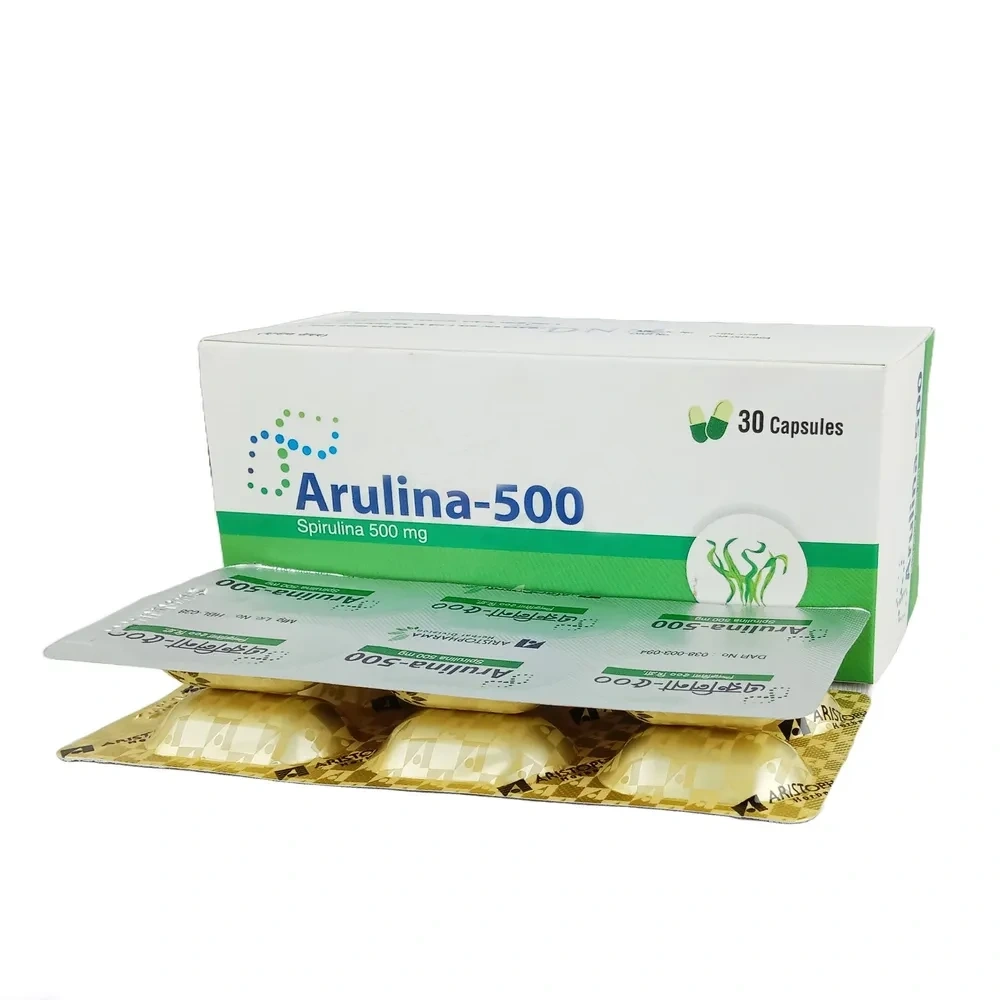
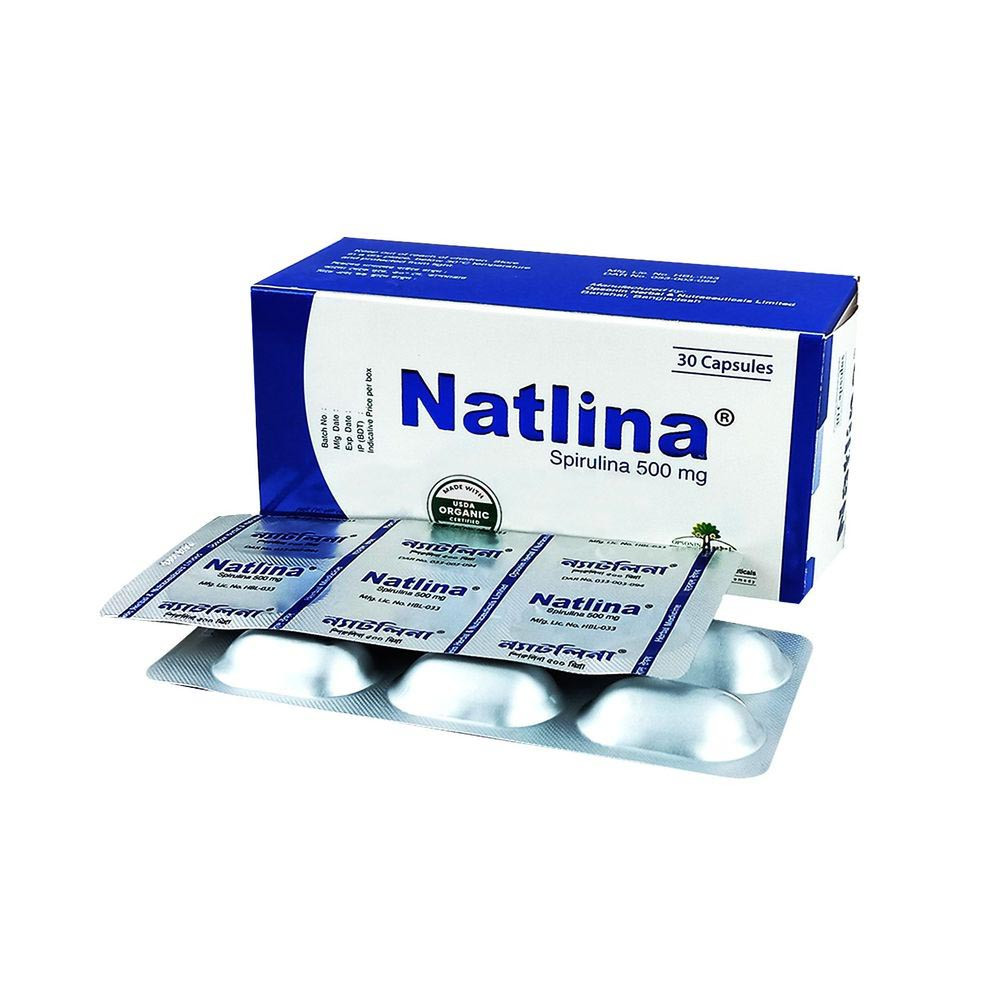
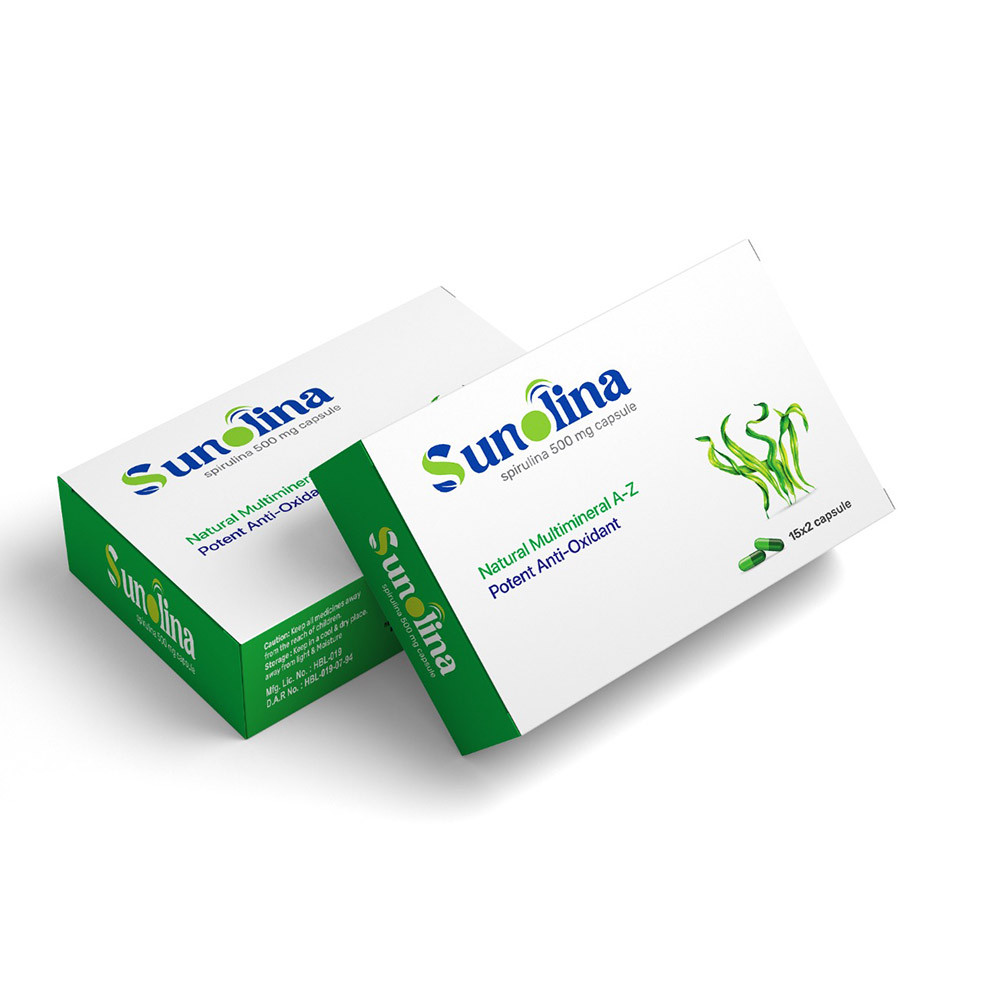
1. What is Vitalina?
Vitalina is a type of blue-green algae that is often considered a superfood due to its high nutrient content. It is rich in proteins, vitamins, minerals, and antioxidants, making it beneficial for overall health.
2. How does Vitalina work in the body?
Vitalina works by providing essential nutrients that help support various bodily functions. It boosts the immune system, enhances energy levels, promotes healthy skin, and can aid in detoxifying the body due to its antioxidant properties.
3. What are the health benefits of Vitalina?
Vitalina has numerous health benefits, including:
- Rich in proteins and amino acids
- Contains vitamins such as B1, B2, B3, and folic acid
- High in essential minerals like iron, magnesium, and calcium
- Supports the immune system and reduces inflammation
- Aids in detoxifying the body and boosting energy levels
It is considered beneficial for maintaining general health and preventing nutritional deficiencies.
4. How should I take Vitalina?
Vitalina can be taken in various forms, including powder, tablets, or capsules. It is usually consumed with water or mixed into smoothies, juices, or meals. The recommended dosage varies, but typically 1-3 grams per day is common for adults.
5. Is Vitalina safe to use?
Vitalina is generally considered safe when taken in recommended doses. However, it is important to purchase Vitalina from reputable sources, as contaminated Vitalina can contain harmful toxins. People with autoimmune diseases or phenylketonuria should consult a doctor before using Vitalina.
6. Can Vitalina help with weight loss?
Vitalina may aid in weight loss by helping reduce appetite, increasing metabolism, and supporting healthy digestion. The protein content in Vitalina can also promote satiety and reduce cravings, making it a useful supplement for those aiming to lose weight.
7. Can Vitalina boost energy levels?
Yes, Vitalina is known to boost energy levels due to its high content of vitamins, minerals, and protein. The amino acids in Vitalina can help improve muscle strength and reduce fatigue, while the antioxidants help combat oxidative stress, leading to more sustained energy throughout the day.
8. Does Vitalina support immune function?
Vitalina can enhance immune function due to its high antioxidant content, particularly phycocyanin, which helps fight oxidative stress. The combination of vitamins and minerals in Vitalina also strengthens the immune system and protects the body from infections.
9. Can Vitalina improve gut health?
Vitalina has prebiotic properties that promote the growth of beneficial gut bacteria, helping to improve digestion and gut health. It also supports the absorption of nutrients and can help alleviate digestive issues such as constipation and bloating.
10. Is Vitalina effective for detoxification?
Vitalina is often used as a detoxifier because of its ability to bind to heavy metals and toxins in the body, helping to eliminate them through urine. Its antioxidant properties also assist in neutralizing free radicals and reducing oxidative stress.
11. Can Vitalina help lower cholesterol levels?
Vitalina has been shown to have a positive effect on cholesterol levels. Some studies suggest that it can help lower total cholesterol and LDL (bad cholesterol) while increasing HDL (good cholesterol), thus supporting heart health.
12. Does Vitalina have any anti-inflammatory effects?
Yes, Vitalina has potent anti-inflammatory properties due to its antioxidant content. Phycocyanin, the main pigment in Vitalina, has been shown to inhibit inflammation, which may help with conditions like arthritis, joint pain, and muscle inflammation.
13. Is Vitalina good for skin health?
Vitalina is beneficial for skin health due to its high levels of vitamins A, C, and E, which help protect the skin from free radical damage and promote collagen production. Its antioxidant and anti-inflammatory properties can also aid in treating acne and improving overall skin texture.
14. Can Vitalina help manage diabetes?
Some studies suggest that Vitalina may help manage blood sugar levels by improving insulin sensitivity and reducing blood glucose levels. However, it should not be used as a replacement for prescribed diabetes medications. Consult your healthcare provider before using Vitalina for diabetes management.
15. Does Vitalina improve brain function?
Yes, Vitalina contains essential nutrients like B vitamins, magnesium, and antioxidants, which support brain health. It may improve cognitive function, memory, and mental clarity by protecting brain cells from oxidative damage and supporting neurotransmitter production.
16. Can Vitalina improve cardiovascular health?
Vitalina is believed to improve cardiovascular health by reducing cholesterol levels, lowering blood pressure, and preventing the formation of blood clots. It can also help improve endothelial function, which plays a key role in maintaining healthy blood vessels and circulation.
17. Is Vitalina good for muscle recovery?
Vitalina is a great source of protein and amino acids, which are essential for muscle repair and recovery. Its anti-inflammatory properties can also help reduce muscle soreness after exercise, making it a useful supplement for athletes and active individuals.
18. Can Vitalina be used for anemia treatment?
Vitalina is rich in iron, which can help improve iron levels in the body and prevent iron-deficiency anemia. It is particularly beneficial for vegetarians and vegans who may struggle to get enough iron from plant-based sources.
19. How long should I take Vitalina?
The duration of Vitalina supplementation depends on your health goals. It can be taken daily as part of a long-term health regimen. However, it is advisable to consult with a healthcare provider for personalized advice on duration and dosage.
20. Can Vitalina help with allergies?
Vitalina has been shown to reduce symptoms of allergies, particularly hay fever, by boosting the immune system and reducing inflammation. Its antioxidant content may also help reduce the histamine response associated with allergic reactions.
21. Can Vitalina interact with other medications?
Vitalina may interact with certain medications, particularly immunosuppressants, anticoagulants, and blood pressure medications. Always inform your healthcare provider about any supplements you are taking to avoid potential interactions.
22. Is Vitalina safe for pregnant or breastfeeding women?
Vitalina is generally considered safe during pregnancy and breastfeeding, but it is best to consult a healthcare provider before starting any new supplements to ensure safety for both mother and child.
23. Can Vitalina cause side effects?
Vitalina is typically safe, but in some cases, it can cause mild side effects such as stomach upset, nausea, or diarrhea. If you experience any severe side effects like allergic reactions or difficulty breathing, stop using Vitalina and seek medical attention immediately.
24. What is the best time to take Vitalina?
Vitalina can be taken at any time of day. However, it is often recommended to take it in the morning or before meals for the best absorption. Some people prefer taking it before workouts for an energy boost.
25. How should Vitalina be stored?
Vitalina should be stored in a cool, dry place, away from direct sunlight and moisture. It is important to keep it in an airtight container to preserve its potency and prevent contamination.
26. Can Vitalina help with hair growth?
Vitalina contains essential amino acids, vitamins, and minerals that promote healthy hair growth. Its rich protein content supports hair follicles, while its antioxidants help prevent hair damage and thinning.
27. Can Vitalina be used to treat high blood pressure?
Some studies suggest that Vitalina may help reduce high blood pressure by improving blood circulation and promoting healthy blood vessel function. However, it should not replace prescribed medications for high blood pressure. Consult your healthcare provider for advice.
28. Can Vitalina be used for detoxifying the liver?
Vitalina has detoxifying properties that may help support liver function. It can aid in the removal of toxins and heavy metals from the liver, promoting overall liver health and function.
29. Does Vitalina support healthy vision?
Vitalina is rich in vitamin A and beta-carotene, which are essential for maintaining healthy vision. These nutrients can help prevent age-related macular degeneration and other eye conditions.
30. Is Vitalina effective for detoxing from heavy metals?
Vitalina has been shown to bind to heavy metals, such as mercury and lead, helping to eliminate them from the body. It is often used as a detoxifying agent for individuals exposed to environmental toxins.
31. Can Vitalina be used to improve sleep?
Vitalina contains tryptophan, an amino acid that helps produce serotonin, a neurotransmitter that regulates sleep. While it may support sleep quality, it should not be relied upon as the primary treatment for sleep disorders.
32. Can I take Vitalina if I have a shellfish allergy?
Vitalina is a type of algae and is not related to shellfish. However, if you have a known allergy to algae or have had a reaction to Vitalina in the past, consult your healthcare provider before using it.
33. How does Vitalina help with mental clarity?
Vitalina is rich in nutrients like B vitamins, which are essential for brain health and function. Its antioxidants may help protect the brain from oxidative stress, supporting mental clarity and cognitive function.
34. Can Vitalina help with muscle cramps?
Vitalina's high magnesium and potassium content may help reduce the frequency and intensity of muscle cramps. These minerals are essential for muscle function and relaxation.
35. Can Vitalina help with joint pain?
Vitalina has anti-inflammatory properties that may help reduce joint pain and inflammation associated with conditions like arthritis. It may provide relief by promoting healthy circulation and reducing swelling.
36. Can Vitalina lower blood sugar levels?
Some research suggests that Vitalina may help lower blood sugar levels by improving insulin sensitivity. It may be beneficial for individuals with type 2 diabetes, but always consult a healthcare provider before use.
37. How much Vitalina should I take daily?
The typical dosage of Vitalina is 1-3 grams per day, though higher doses (up to 10 grams) can be taken for specific health concerns. It’s best to start with a smaller dose and gradually increase it.
38. Is Vitalina suitable for vegetarians and vegans?
Yes, Vitalina is a plant-based source of protein, making it suitable for both vegetarians and vegans. It is also a great source of vitamins and minerals that are often lacking in plant-based diets.
39. Can Vitalina be taken with other supplements?
Vitalina can typically be taken alongside other supplements, such as multivitamins or omega-3s. However, always consult your healthcare provider to avoid any potential interactions or over-supplementation.
40. Does Vitalina help with PMS symptoms?
Vitalina's anti-inflammatory properties and ability to balance hormones may help alleviate symptoms of premenstrual syndrome (PMS), such as mood swings, bloating, and cramps.
41. Can Vitalina help with hangovers?
Vitalina may help alleviate hangover symptoms due to its detoxifying properties. It can aid in rehydration, reduce oxidative stress, and replenish essential vitamins and minerals depleted by alcohol consumption.
42. Does Vitalina help with fatigue?
Vitalina's rich nutrient profile helps combat fatigue by providing the body with essential vitamins, minerals, and amino acids. Its antioxidant properties also help reduce oxidative stress, which contributes to fatigue.
43. Can Vitalina help improve athletic performance?
Yes, Vitalina may enhance athletic performance by boosting endurance, reducing muscle damage, and increasing energy levels. Its protein and amino acids support muscle repair and growth, making it a popular supplement for athletes.
44. Is Vitalina suitable for children?
Vitalina is generally safe for children, but it's important to consult with a healthcare provider before introducing it to ensure the correct dosage and to check for potential allergies or interactions with other medications.
45. How does Vitalina help with aging?
Vitalina’s antioxidant content helps combat free radical damage, which is a primary cause of aging. By reducing oxidative stress, it may help slow the aging process and promote healthy skin, joints, and cognitive function.
46. Can Vitalina be taken with probiotics?
Yes, Vitalina can be taken with probiotics. The combination of Vitalina's prebiotic properties and probiotics' ability to support gut health can provide enhanced digestive benefits.
47. Is there a difference between Vitalina and Chlorella?
Both Vitalina and Chlorella are algae, but they differ in their nutrient content. Vitalina is higher in protein and essential fatty acids, while Chlorella is higher in chlorophyll and may have stronger detoxifying effects.
48. Can Vitalina help with seasonal allergies?
Vitalina’s immune-boosting and anti-inflammatory properties may help reduce symptoms of seasonal allergies, such as sneezing and congestion, by regulating the body's immune response.
49. Can Vitalina be used as a replacement for multivitamins?
Vitalina is rich in vitamins and minerals and can complement a healthy diet. However, it is not a complete replacement for multivitamins, as it may lack certain nutrients like vitamin D or B12.
50. Can Vitalina help with mental health conditions?
Vitalina’s nutrient profile, including omega-3 fatty acids, B vitamins, and antioxidants, may support mental health by improving mood, reducing stress, and promoting cognitive function. However, it should not replace professional treatment for mental health conditions.