Introduction
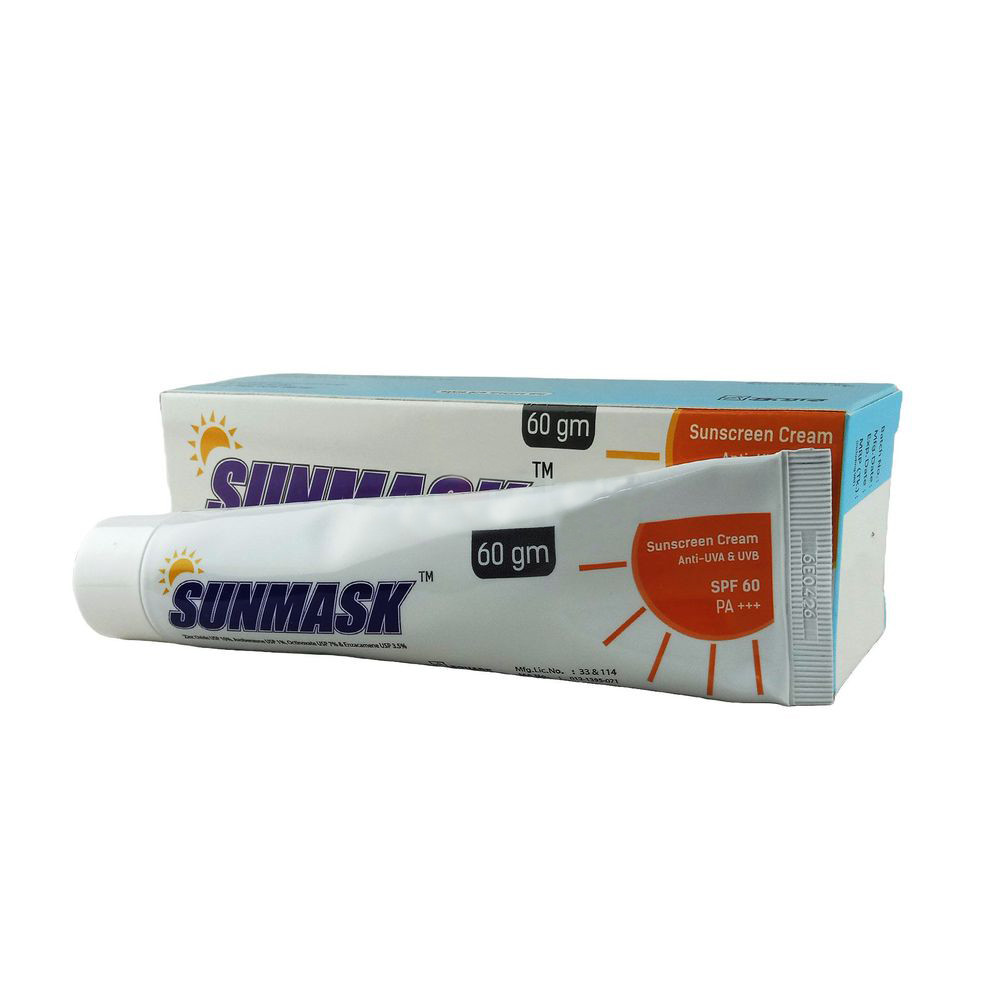
Zinc Oxide, Octinoxate, Enzacamene, and Avobenzone are active ingredients commonly used in sunscreen formulations. Each ingredient provides protection against ultraviolet (UV) radiation, helping to prevent sunburn and reduce the risk of skin cancer. These ingredients are used in various combinations in topical sunscreen products to offer broad-spectrum UV protection.
Uses
These compounds are used primarily in sunscreens to:
- Protect the skin from harmful UV rays (both UVA and UVB).
- Prevent sunburn and premature aging of the skin.
- Reduce the risk of skin cancer associated with UV exposure.
Mechanism of Action
Each ingredient works as follows:
- Zinc Oxide: Acts as a physical sunscreen by forming a barrier on the skin that reflects and scatters UV rays. It provides broad-spectrum protection against both UVA and UVB radiation.
- Octinoxate (also known as Octyl Methoxycinnamate): Absorbs UVB rays and helps prevent them from penetrating the skin. It protects against sunburn and reduces skin damage from UV exposure.
- Enzacamene: Absorbs UVB radiation and provides additional protection by enhancing the stability and efficacy of other sunscreen agents.
- Avobenzone: Provides broad-spectrum protection by absorbing the full spectrum of UVA rays, which helps in preventing skin aging and DNA damage.
How Long Does It Take to Work?
These sunscreen agents generally start to work immediately upon application, though it is recommended to apply sunscreen at least 15 minutes before sun exposure to ensure optimal protection.
Absorption
These ingredients have different absorption profiles:
- Zinc Oxide: Not significantly absorbed through the skin, acting primarily on the surface.
- Octinoxate: Absorbed into the skin but generally remains in the outer layers, minimizing systemic absorption.
- Enzacamene: Absorbed into the skin, where it provides protection against UVB rays.
- Avobenzone: Absorbed into the skin and provides protection across the UVA spectrum.
Route of Elimination
Since these ingredients are used topically and generally have minimal systemic absorption:
- Zinc Oxide: Excreted primarily through the skin and not significantly metabolized.
- Octinoxate: Metabolized in the skin and excreted through urine.
- Enzacamene: Metabolized in the skin and excreted through urine.
- Avobenzone: Metabolized and excreted primarily through urine.
Dosage
Apply on the exposed area of the body to sunlight (such as face, neck & body) at least 30 minutes before exposure and whenever necessary. Massage on to skin until absorbed. To ensure maximum protection, repeat the application every two hours after continuous exposure to the sun and after swimming, physical exercise.The dosage of these ingredients is determined by the concentration in the sunscreen product. Typical concentrations include:
- Zinc Oxide: 5-20% in sunscreen formulations.
- Octinoxate: 2-7.5% in sunscreen formulations.
- Enzacamene: 1-4% in sunscreen formulations.
- Avobenzone: 3-5% in sunscreen formulations.
Administration
Apply the sunscreen product containing these ingredients evenly to all exposed skin areas. Reapply every 2 hours or after swimming, sweating, or towel drying. Follow the product's specific directions for application and reapplication.
Side Effects
Potential side effects include:
- Zinc Oxide: Rarely, skin irritation or allergic reactions.
- Octinoxate: Potential for skin irritation or allergic reactions.
- Enzacamene: May cause skin irritation or sensitization in some individuals.
- Avobenzone: Rarely, may cause skin irritation or allergic reactions.
Toxicity
These ingredients are generally considered safe for topical use. However, excessive or improper use may cause:
- Skin irritation
- Allergic reactions
- Potential systemic effects if large amounts are applied
In the case of severe reactions, discontinue use and seek medical attention.
Precautions
When using products containing these ingredients:
- Avoid direct contact with eyes.
- Do not apply to broken or irritated skin.
- Perform a patch test prior to first use to check for allergic reactions.
Interaction
Interactions are minimal as these ingredients are used topically. However, using multiple sunscreen products or other topical medications may alter the efficacy of sun protection. Always check product labels for compatibility.
Disease Interaction
Use with caution in individuals with:
- Known hypersensitivity or allergy to any of the sunscreen ingredients.
- Skin conditions that may be aggravated by topical application.
Drug Interaction
Drug interactions are unlikely with these topical agents. However, consult with a healthcare provider if using other topical medications to avoid potential interactions.
Food Interactions
Food interactions are not applicable as these ingredients are used topically and not ingested.
Pregnancy Use
These ingredients are generally considered safe for use during pregnancy when applied topically as directed. However, it is always best to consult with a healthcare provider before using any sunscreen products during pregnancy.
Lactation Use
These ingredients are also considered safe for use during lactation. Ensure that the product is applied properly and avoid direct contact with the baby’s skin. Consult with a healthcare provider if there are concerns.
Acute Overdose
Acute overdose is unlikely with topical application. In case of accidental ingestion, seek medical attention. For topical overdoses, discontinue use and wash the affected area with water.
Contraindication
Contraindications include:
- Known hypersensitivity to any of the ingredients.
- Use on open wounds or severely irritated skin.
Use Direction
Apply sunscreen generously to all exposed skin areas before sun exposure. Reapply every 2 hours or more frequently if swimming or sweating. Follow specific product directions for best results.
Storage Conditions
Store in a cool, dry place away from direct sunlight and heat. Keep out of reach of children. Check product labels for specific storage instructions.
Volume of Distribution
As these ingredients are applied topically, they generally have minimal systemic distribution. They act primarily on the surface of the skin.
Half Life
The half-life of these ingredients varies:
- Zinc Oxide: Does not have a systemic half-life due to minimal absorption.
- Octinoxate: Approximately 0.5-1 hour in systemic circulation, but limited.
- Enzacamene: Limited systemic absorption; thus, half-life is not well-documented.
- Avobenzone: Approximately 1-2 hours in systemic circulation, with minimal absorption.
Clearance
These ingredients are cleared from the skin with minimal systemic impact:
- Zinc Oxide: Excreted via skin desquamation.
- Octinoxate: Excreted primarily via urine.
- Enzacamene: Metabolized and excreted in urine.
- Avobenzone: Metabolized and excreted in urine.