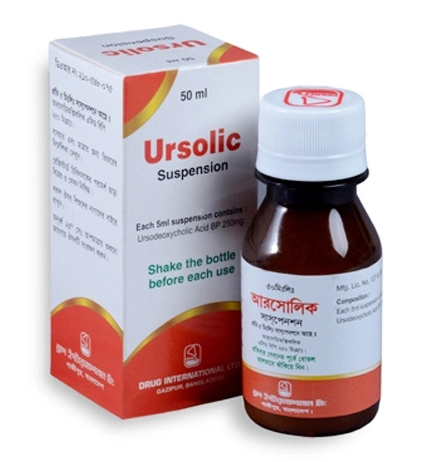
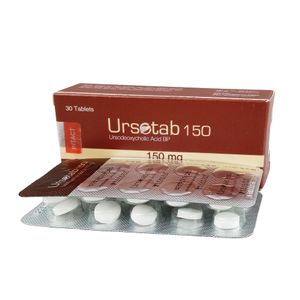
Introduction
Ursodeoxycholic acid is an epimer of chenodeoxycholic acid. It is a mammalian bile acid found first in the bear and is apparently either a precursor or a product of chenodeoxycholate. Its administration changes the composition of bile and may dissolve gallstones. It is used as a cholagogue and choleretic.
Uses
Ursodeoxycholic acid is a bile acid used for the treatment of primary biliary cirrhosis (PBC), dissolution of radiolucent gallstones in patients with a functioning gallbladder, and treatment of hepatobiliary disorders associated with cystic fibrosis in pediatric patients.
The drug decreases the absorption of cholesterol and is used to dissolve (cholesterol) gallstones in patients as an alternative to a surgical procedure to remove the gallstones.
Associated Conditions
Pharmacodynamics
Ursodiol (commonly known as ursodeoxycholic acid) is a product of metabolism of bacteria in the intestine. It is considered a secondary bile acid. The other type of bile acid, primary bile acids, are produced hepatically and subsequently stored in the gallbladder. When primary bile acids are secreted into the large intestine, they can be broken down into secondary bile acids by bacteria present in the intestine. Both types of bile acids assist in the metabolism of dietary fat. Ursodeoxycholic acid regulates cholesterol levels by slowing the rate at which the intestine is able to absorb cholesterol and also acts to break down micelles, which contain cholesterol. Because of this property, ursodeoxycholic acid is used to treat gall stones non-surgically.
Mechanism of Action
Ursodeoxycholic acid reduces elevated liver enzyme levels by facilitating bile flow through the liver and protecting liver cells. The main mechanism if anticholelithic. Although the exact process of ursodiol's anticholelithic action is not completely understood, it is thought that the drug is concentrated in bile and decreases biliary cholesterol by suppressing hepatic synthesis and secretion of cholesterol and by inhibiting its intestinal absorption. The reduced cholesterol saturation permits the gradual solubilization of cholesterol from gallstones, resulting in their eventual dissolution.
Route of Elimination
Only small quantities of ursodiol appear in the systemic circulation and very small amounts are excreted into urine. Eighty percent of lithocholic acid formed in the small bowel is excreted in the feces, but the 20% that is absorbed is sulfated at the 3-hydroxyl group in the liver to relatively insoluble lithocholyl conjugates which are excreted into bile and lost in feces.
Toxicity
Neither accidental nor intentional overdosing with ursodeoxycholic acid has been reported. Doses of ursodeoxycholic acid in the range of 16-20 mg/kg/day have been tolerated for 6-37 months without symptoms by 7 patients. The LD50 for ursodeoxycholic acid in rats is over 5000 mg/kg given over 7-10 days and over 7500 mg/kg for mice. The most likely manifestation of severe overdose with ursodeoxycholic acid would probably be diarrhea, which should be treated symptomatically.
Food Interactions
- Take with food.