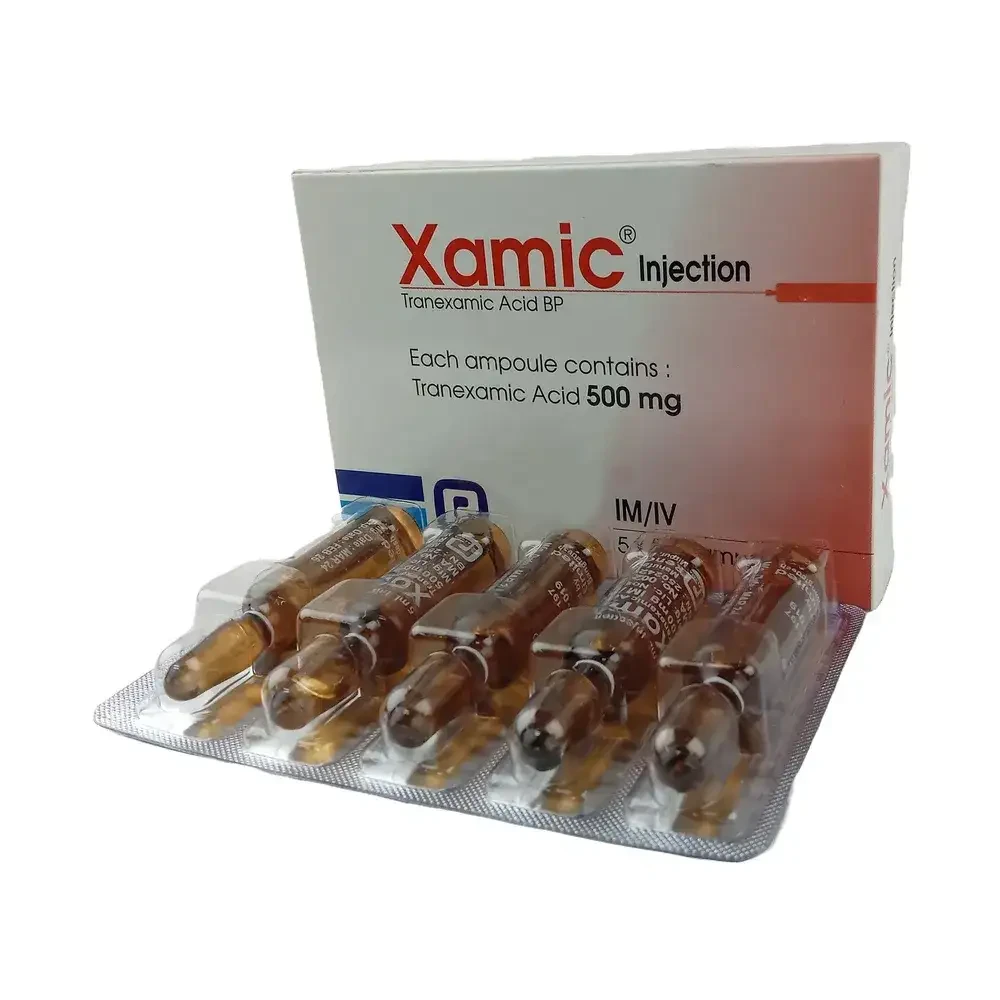
Introduction
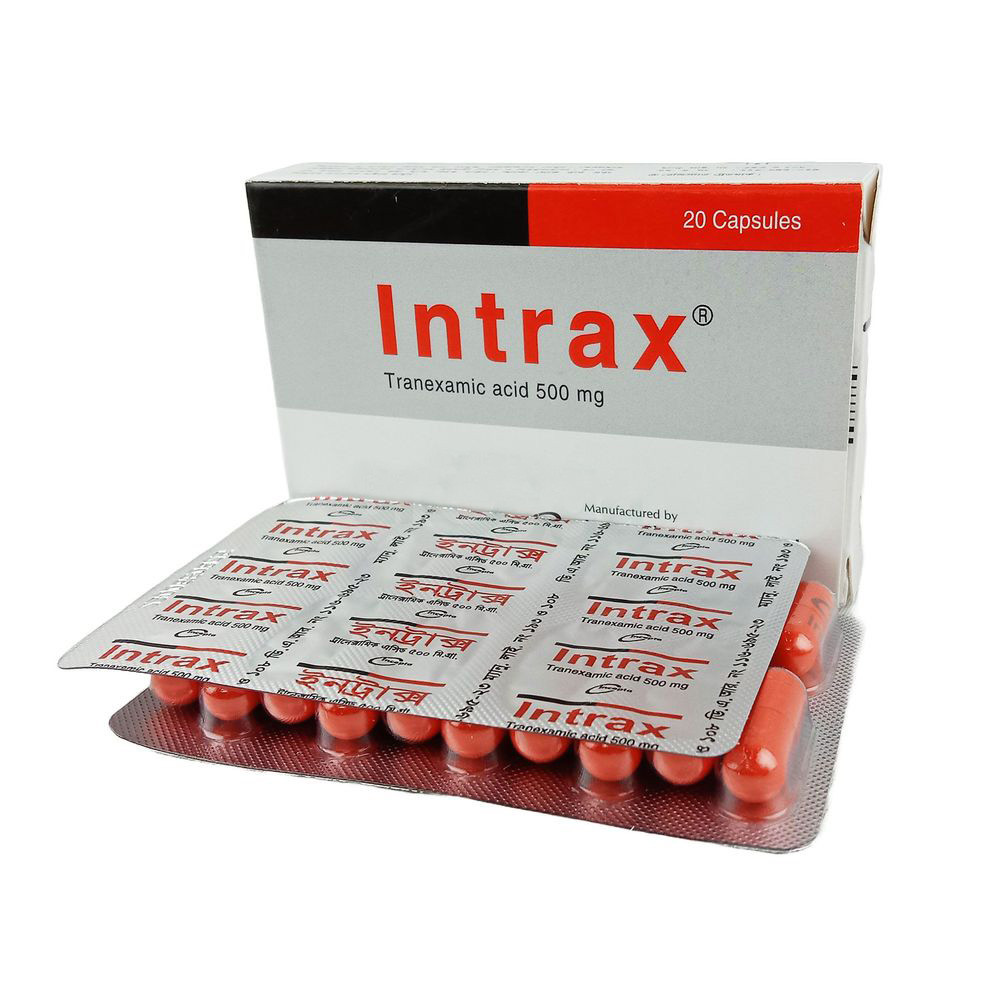
Tranexamic acid is a synthetic derivative of lysine used as an antifibrinolytic in the treatment and prevention of major bleeding. It possesses a similar mechanism of action to aminocaproic acid but is approximately 10-fold more potent.
It was first patented in 1957 and received its initial US approval in 1986.
Uses
Tranexamic acid is an antifibrinolytic used to reduce or prevent hemorrhagic episodes, especially in the context of hyperfibrinolytic disorders.
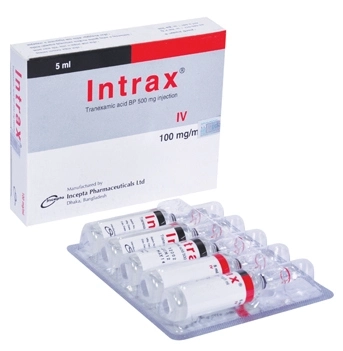
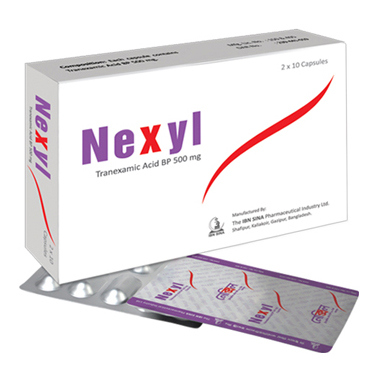
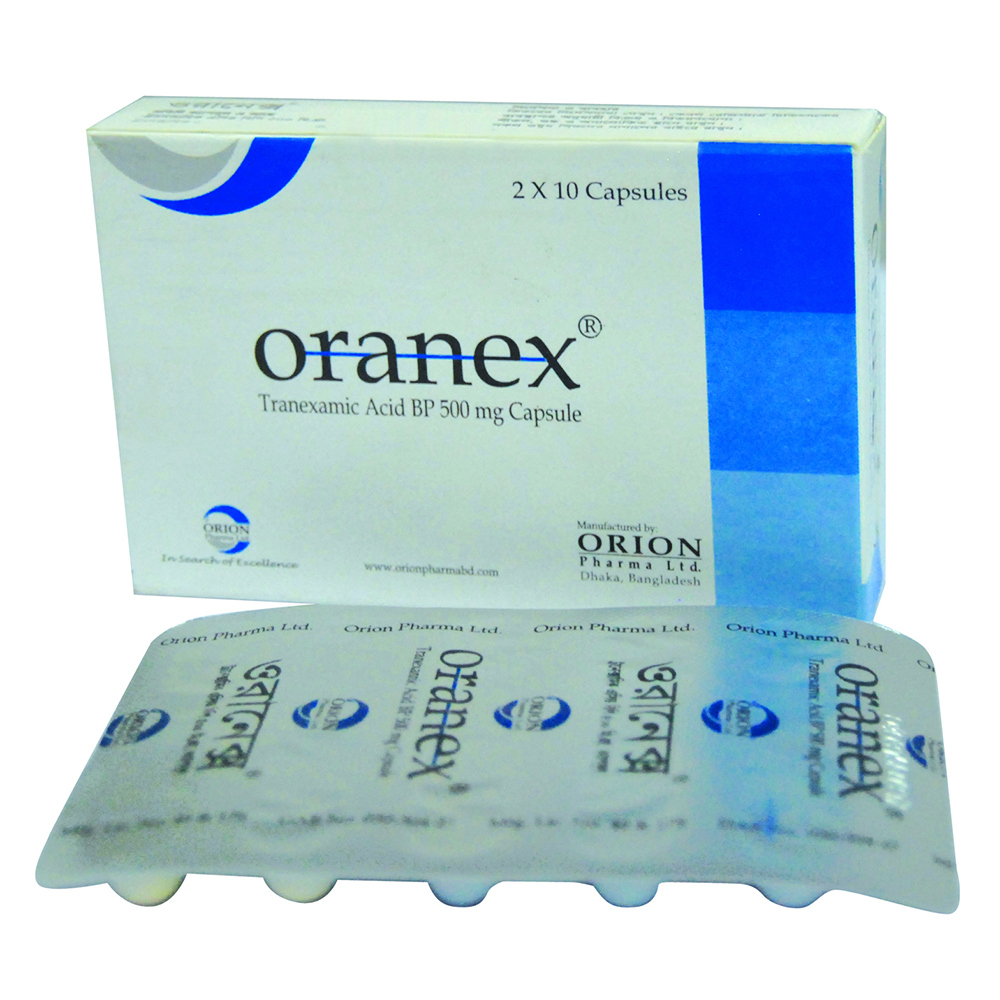
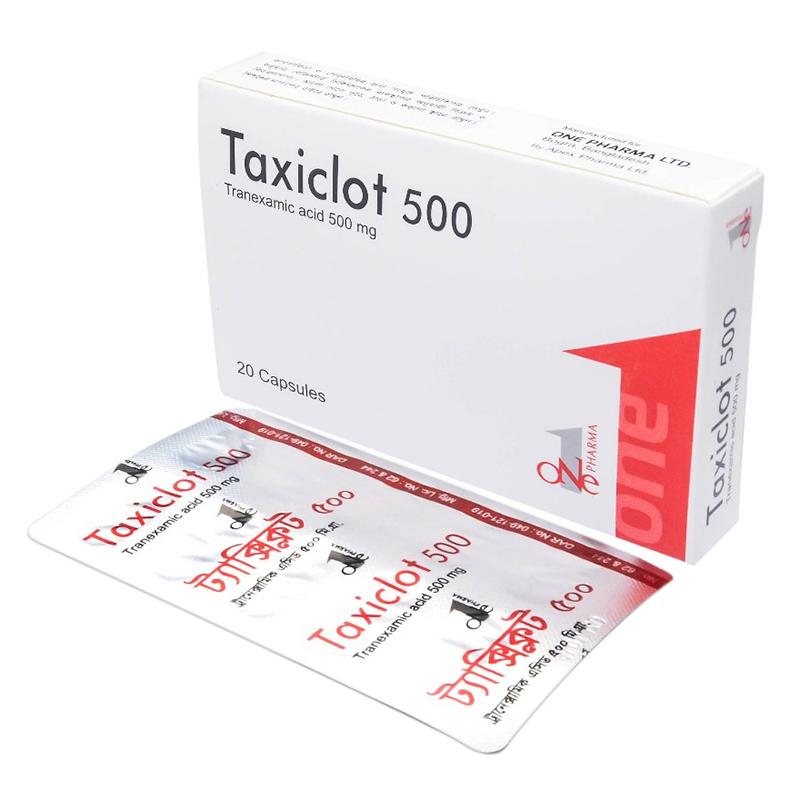
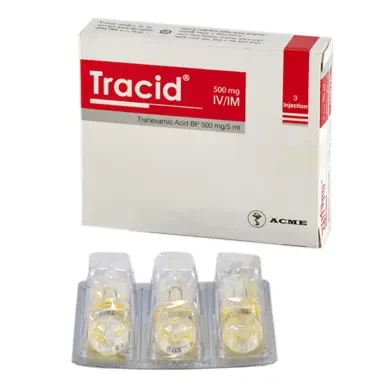
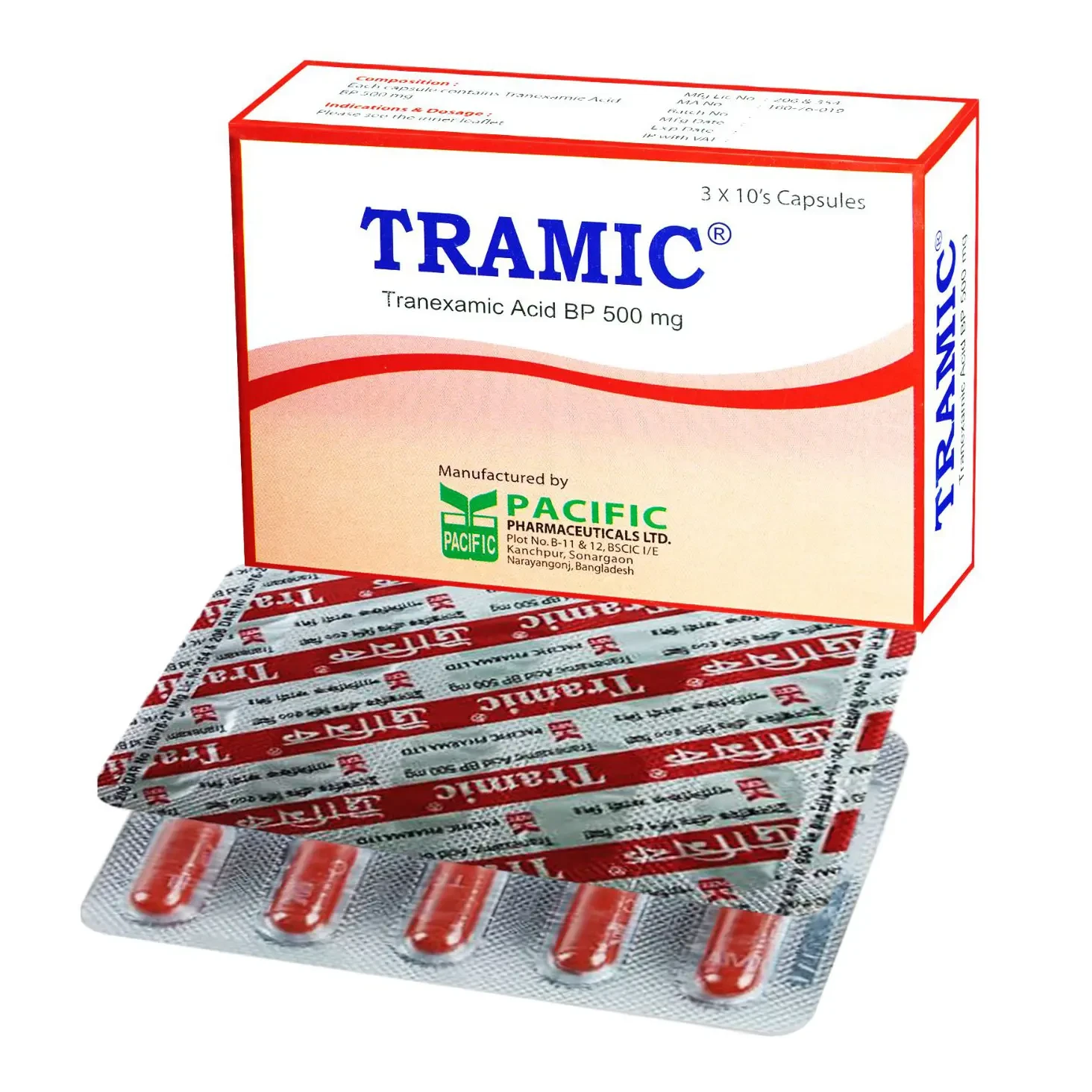
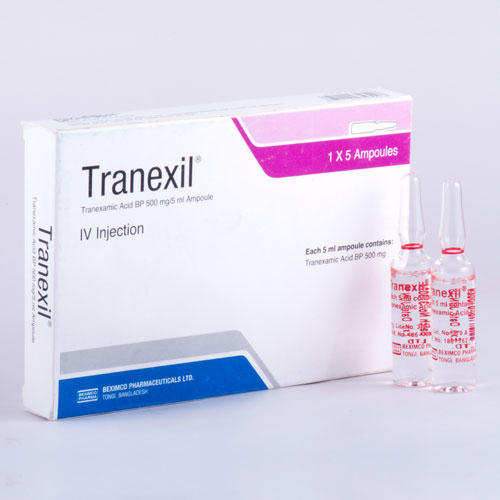
Taken orally, tranexamic acid is indicated for the treatment of hereditary angioedema, cyclic heavy menstrual bleeding in premenopausal females, and other instances of significant bleeding in the context of hyperfibrinolysis. Given intravenously, tranexamic acid is indicated for short-term use (2-8 days) in patients with hemophilia to prevent or reduce bleeding following tooth extraction.
Associated Conditions
Pharmacodynamics
Tranexamic acid is an antifibrinolytic that competitively inhibits the activation of plasminogen to plasmin. At much higher concentrations it behaves as a noncompetitive inhibitor of plasmin similar to aminocaproic acid, a similar antifibrinolytic which is 10-fold less potent. Tranexamic acid binds more strongly than aminocaproic acid to both the strong and weak receptor sites of the plasminogen molecule in a ratio corresponding to the difference in potency between the compounds. In patients with hereditary angioedema, inhibition of the formation and activity of plasmin by tranexamic acid may prevent attacks of angioedema by decreasing plasmin-induced activation of the first complement protein (C1).
Off-target antagonism of GABA(A) receptors may be associated with the development of convulsions and hyperexcitability following tranexamic acid administration - the risk appears higher with improper administration or administration during cardiovascular surgery. Consider EEG monitoring of patients with a history of seizure.
Mechanism of Action
Tranexamic acid competitively and reversibly inhibits the activation of plasminogen via binding at several distinct sites, including four or five low-affinity sites and one high-affinity site, the latter of which is involved in its binding to fibrin. The binding of plasminogen to fibrin induces fibrinolysis - by occupying the necessary binding sites tranexamic acid prevents this dissolution of fibrin, thereby stabilizing the clot and preventing hemorrhage.
Absorption
The bioavailability of tranexamic acid after oral administration in humans is approximately 30 to 50% of the ingested dose and is not affected by food intake. The Cmax and Tmax following multiple oral doses (1300 mg three times daily x 5 days) were 16.41 mcg/mL and 2.5 h, respectively.
Volume of Distribution
The initial volume of distribution of tranexamic acid is 0.18 L/kg and its steady-state volume of distribution is 0.39 L/kg. Tranexamic acid distributes into cerebrospinal fluid and the aqueous humor of the eye at concentrations approximately 1/10th of typical plasma concentrations. Tranexamic acid is also able to cross the placenta, found in cord blood at concentrations equivalent to maternal plasma concentrations.
Protein Binding
Tranexamic acid is approximately 3% protein-bound in plasma at therapeutic concentrations. As it does not bind to serum albumin, it is likely that this protein binding is accounted for by tranexamic acid's binding to serum plasminogen.
Route of Elimination
Urinary excretion is the primary means of tranexamic acid elimination, with >95% of an administered dose excreted in the urine as unchanged parent drug. The rate of excretion is dependent on the route of administration - approximately 90% of an intravenously administered dose is excreted within 24 hours whereas only 39% of an orally administered dose is excreted within the same time frame.
Half Life
Following intravenous administration, the apparent elimination half-life is approximately 2 hours and the mean terminal half-life is approximately 11 hours.
Clearance
The plasma clearance of tranexamic acid is 110-116 mL/min.
Toxicity
Reported symptoms of tranexamic acid overdose include severe gastrointestinal symptoms, hypotension, thromboembolism, visual impairment, convulsions, mental status changes, and rash.
Food Interactions
- Take with or without food. The co-administration of food does not significantly affect tranexamic acid disposition.
Dosage
- The usual dose: 500-1000 mg 3 times daily.
- For prophylaxis: The mean recommended daily doses are 0.5-1 gm orally, 500 mg by the parenteral (intravenous or intramuscular) route.
- For therapy of hemorrhagic manifestations: the oral dose increases to 1-3 gm given in divided doses: in cases of particular seriousness and urgency, begin by injecting an ampoule (500 mg) slowly by intravenous route and administer the necessary subsequent oral doses.
- For prophylaxis: For every kg of body weight from 5-10 mg are orally administered daily in divided doses.
- For therapeutic purposes: The oral doses are doubled (from 10 to 20 mg/kg), while the intravenous and intramuscular treatment is begun with 10 mg/kg (=0.5 ml every 5 kg) by the slow intravenous route, continuing the oral administration up to the required dose. Where it is more convenient (e.g. in small babies) the ampoules, diluted in a little sweetened water, maybe orally administered instead of the Capsules.