Introduction
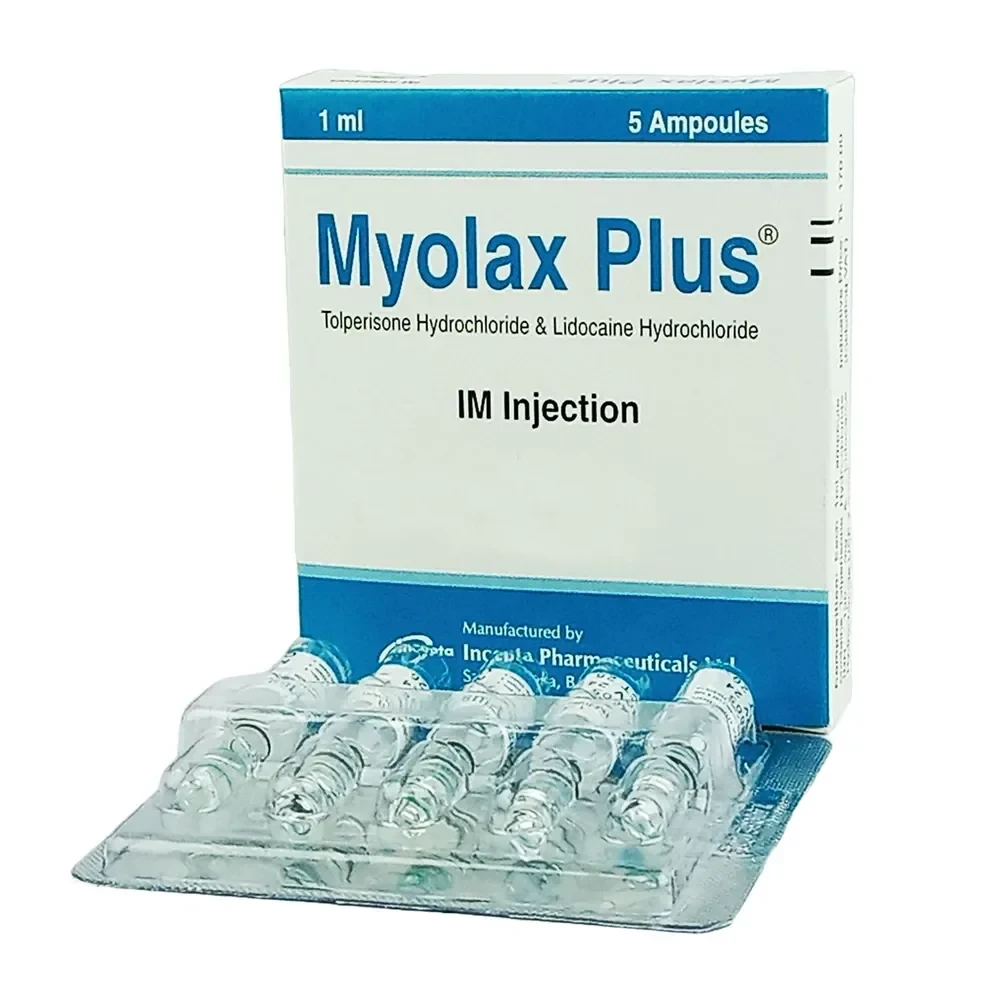
Tolperisone and Lidocaine are used in combination for their synergistic effects in treating muscle spasticity and providing localized anesthesia. Tolperisone is a muscle relaxant that helps alleviate muscle stiffness and spasms, while Lidocaine is a local anesthetic used to numb specific areas of the body.
Uses
This combination is used for:
- Relief of muscle spasticity and discomfort in conditions such as muscle strains or spastic disorders.
- Providing localized anesthesia during minor surgical or diagnostic procedures.
Mechanism of Action
The mechanism of action involves:
- Tolperisone: Acts centrally to inhibit spinal reflexes, reducing muscle tone and spasticity. It is believed to work by stabilizing neuronal membranes and modulating neurotransmitter release.
- Lidocaine: Blocks sodium channels in the neuronal membrane, preventing the propagation of nerve impulses and thereby providing local anesthesia.
How Long Does It Take to Work?
The onset of action typically:
- Tolperisone: Takes approximately 1 to 2 hours to provide relief from muscle spasticity.
- Lidocaine: Generally provides anesthesia within 1 to 5 minutes when applied topically or injected.
Absorption
Absorption characteristics are as follows:
- Tolperisone: Absorbed from the gastrointestinal tract when administered orally. Peak plasma levels are reached within 1 to 2 hours.
- Lidocaine: Absorbed rapidly at the site of application or injection. Systemic absorption occurs but is minimized with local use.
Route of Elimination
Elimination routes include:
- Tolperisone: Metabolized in the liver and excreted primarily through the urine.
- Lidocaine: Metabolized in the liver and excreted in the urine. It has a significant first-pass effect when taken orally.
Dosage
The usual dose is one ampoule twice daily by intramuscularly. Injection should be given slowly. Accordingly to age and symptom, the dosage may be changed.Typical dosages are:
- Tolperisone: Usually 50 to 150 mg taken 2 to 3 times daily, depending on the severity of symptoms and individual response.
- Lidocaine: Applied as a topical gel or solution or administered via injection. The dose varies based on the procedure, typically 1-5 mL of a 1-2% solution for local anesthesia.
Administration
Administration methods are:
- Tolperisone: Administered orally in the form of tablets or capsules.
- Lidocaine: Applied topically to the skin or mucous membranes or administered via injection directly into the area requiring anesthesia.
Side Effects
Common side effects include:
- Tolperisone: Drowsiness, dizziness, nausea, and headache.
- Lidocaine: Temporary numbness, tingling, or burning at the site of application. Rare systemic effects include dizziness or seizures.
Toxicity
Toxicity risks include:
- Tolperisone: Overdose can lead to severe drowsiness, hypotension, or impaired motor function.
- Lidocaine: Excessive doses or systemic absorption can cause CNS toxicity, including seizures, and cardiovascular issues like arrhythmias.
Precautions
Precautions include:
- Tolperisone: Use with caution in patients with liver impairment or a history of drug allergies.
- Lidocaine: Avoid in patients with a history of hypersensitivity to local anesthetics. Monitor for signs of systemic absorption during use.
Interaction
Drug interactions may occur with:
- Tolperisone: May interact with other central nervous system depressants, potentially enhancing sedative effects.
- Lidocaine: May interact with other local anesthetics or antiarrhythmic drugs.
Disease Interaction
Considerations for disease interactions:
- Tolperisone: Use cautiously in patients with severe hepatic or renal impairment.
- Lidocaine: Use cautiously in patients with liver disease or severe cardiovascular conditions.
Drug Interaction
Drug interactions include:
- Tolperisone: May interact with other muscle relaxants or sedatives, enhancing their effects.
- Lidocaine: May interact with medications affecting hepatic enzyme activity, influencing Lidocaine metabolism.
Food Interactions
Food interactions are generally minimal but maintaining a balanced diet supports overall health and reduces potential side effects.
Pregnancy Use
Use during pregnancy should be approached with caution:
- Tolperisone: Limited data on safety; use only if benefits outweigh potential risks.
- Lidocaine: Generally considered safe for short-term use; use with caution and under medical supervision.
Lactation Use
Generally considered safe for short-term use during lactation, but avoid direct contact of Lidocaine with areas that may come into contact with the infant's mouth. Consult a healthcare provider for specific recommendations.
Acute Overdose
Acute overdose effects include:
- Tolperisone: Symptoms of overdose may include severe drowsiness, hypotension, and impaired motor function.
- Lidocaine: Excessive doses may lead to CNS toxicity (seizures), cardiovascular issues, and respiratory depression.
Contraindication
Contraindications include:
- Tolperisone: Hypersensitivity to Tolperisone or severe liver impairment.
- Lidocaine: Hypersensitivity to Lidocaine or other local anesthetics, severe liver disease, or certain cardiovascular conditions.
Use Direction
Follow the specific instructions provided by the healthcare provider or product label:
- Administer Tolperisone orally as directed.
- Apply Lidocaine to the affected area or administer via injection based on the procedure requirements.
Storage Conditions
Store medications in a cool, dry place, away from direct sunlight and heat. Keep out of reach of children and ensure containers are tightly closed.
Volume of Distribution
Volume of distribution is generally not a primary concern for topical or localized use. However, for systemic drugs:
- Tolperisone: Has a moderate volume of distribution, indicating distribution beyond the central compartment.
- Lidocaine: Has a large volume of distribution when used systemically, reflecting extensive tissue binding.
Half Life
Half-life details:
- Tolperisone: Approximately 1.5 to 2 hours, with effects lasting longer due to its pharmacodynamic properties.
- Lidocaine: Approximately 1.5 to 2 hours, but effects can be prolonged with certain formulations or higher doses.
Clearance
Clearance information:
- Tolperisone: Cleared through the liver and kidneys.
- Lidocaine: Metabolized primarily in the liver and excreted through the kidneys.