Introduction
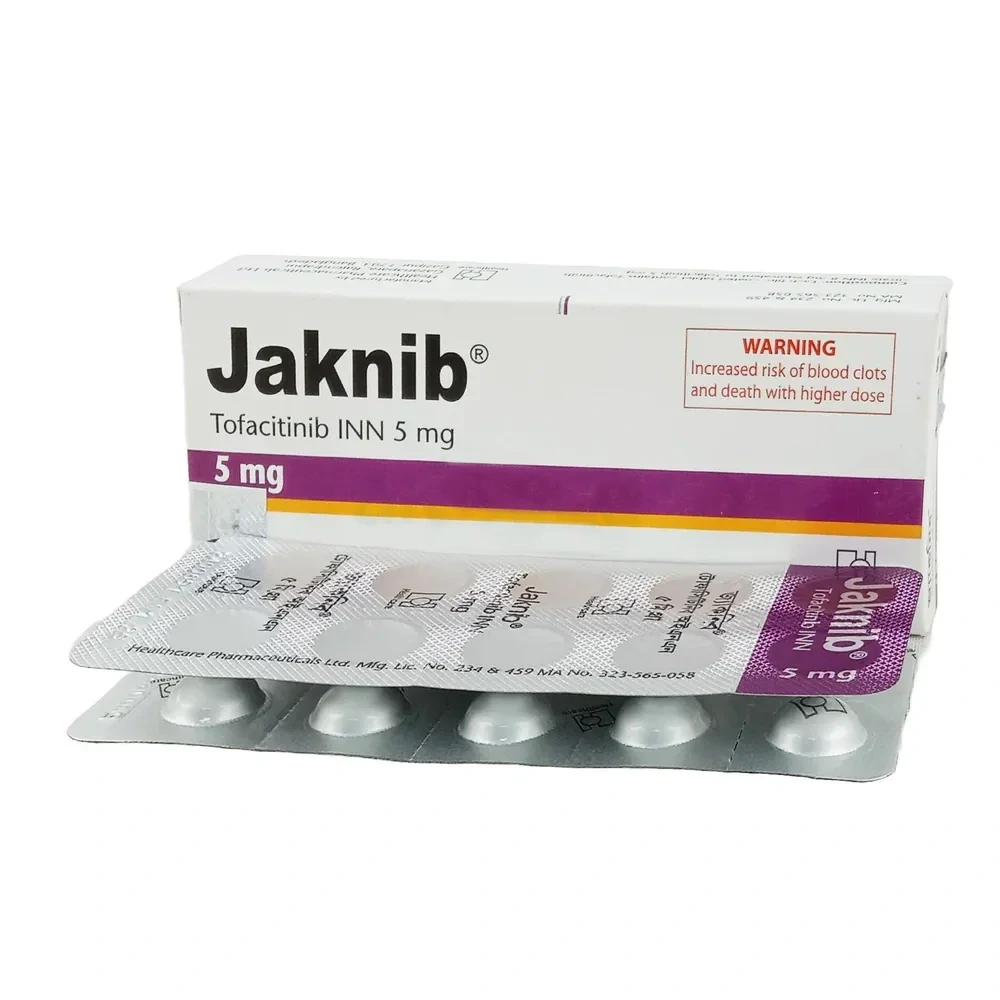
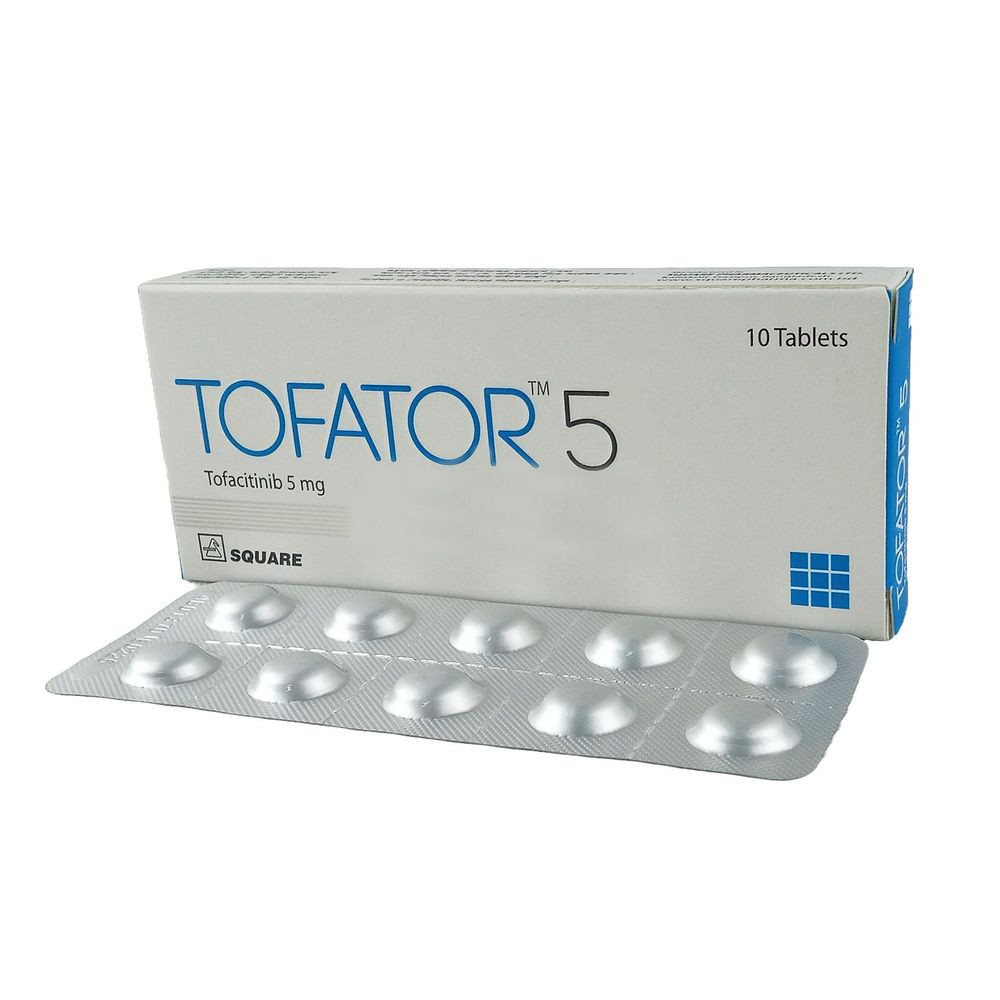
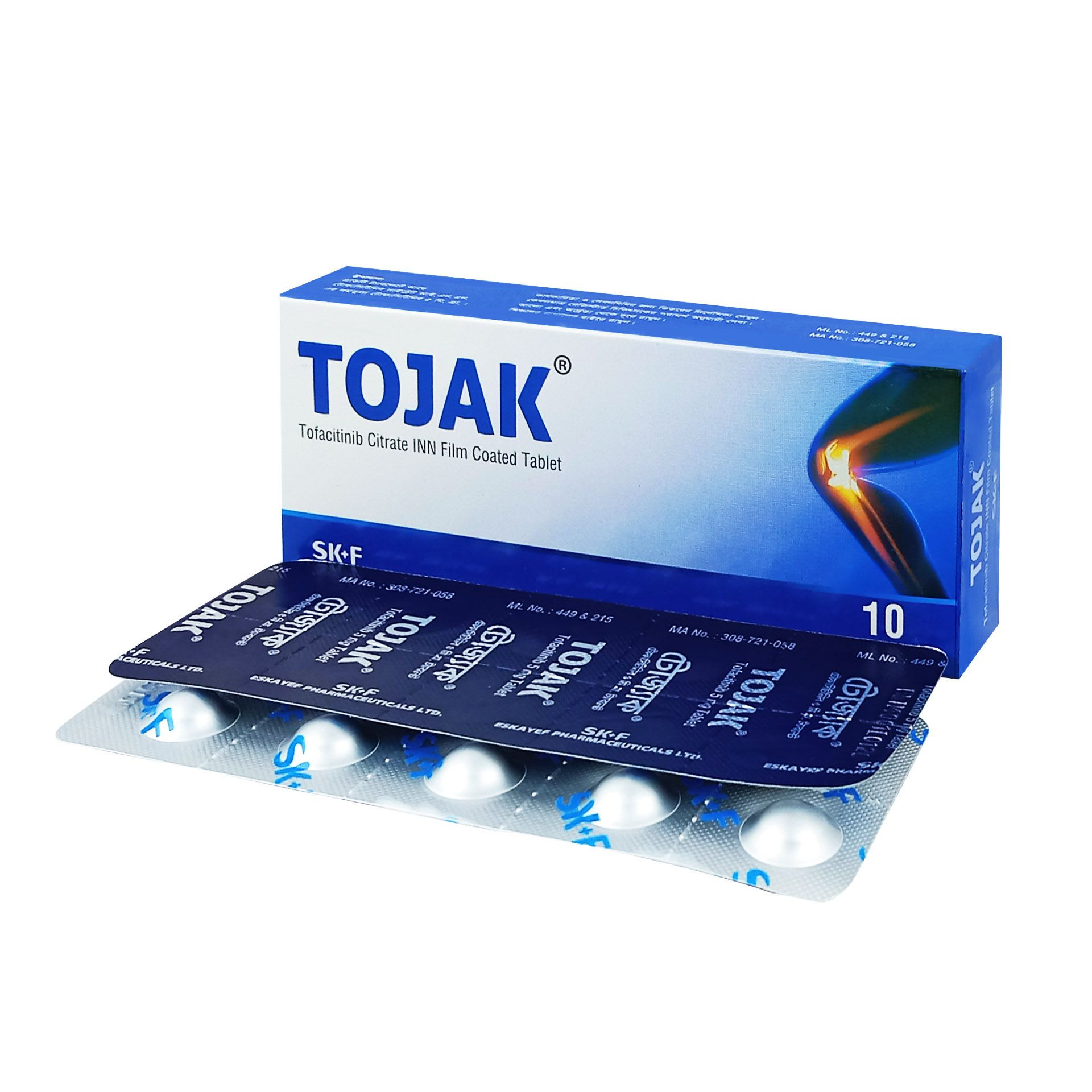
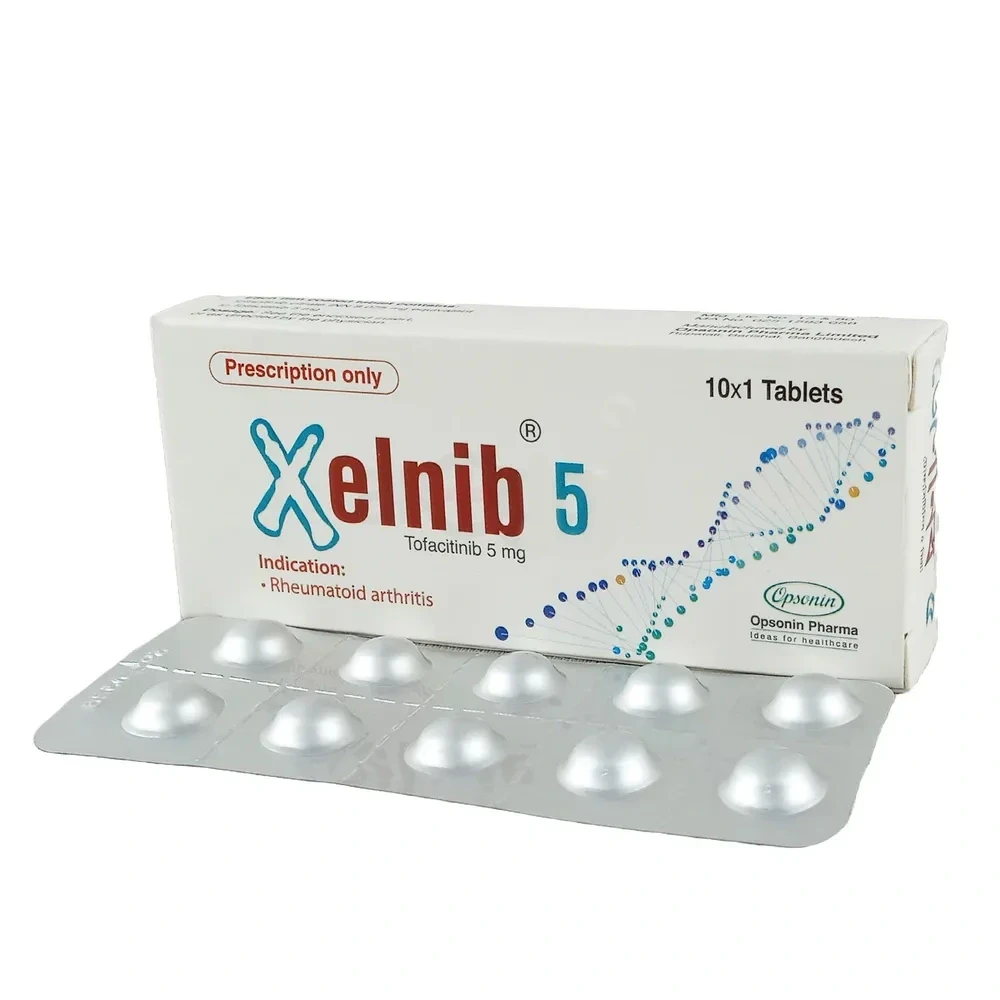
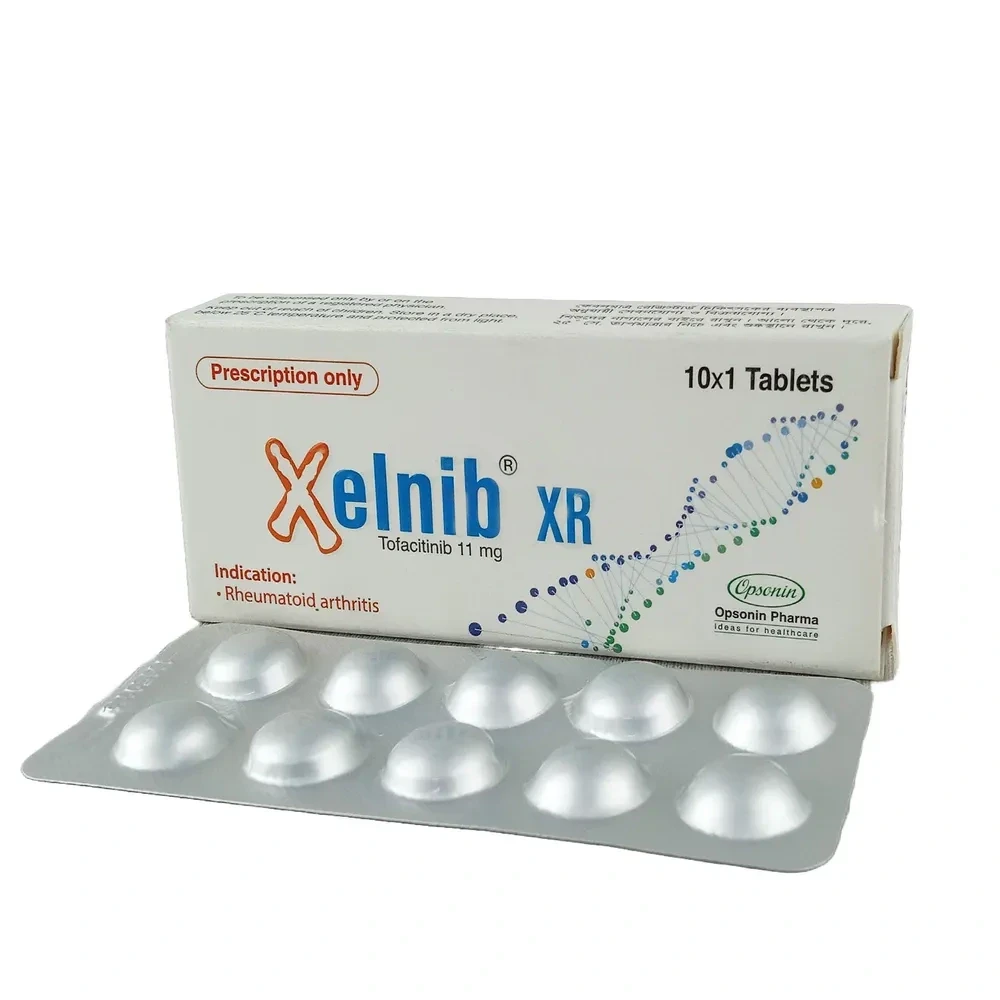
Tofacitinib is an oral Janus kinase (JAK) inhibitor that suppresses intracellular signaling pathways involved in immune cell function and hematopoiesis. By inhibiting JAK enzymes, it reduces inflammatory responses and is used to treat moderate to severe rheumatoid arthritis, particularly in patients with an inadequate response or intolerance to methotrexate. Tofacitinib has also been investigated for the prevention of organ transplant rejection and the treatment of psoriasis. Common adverse effects include nausea and headache, while more serious risks involve immunologic and hematologic complications.
Uses
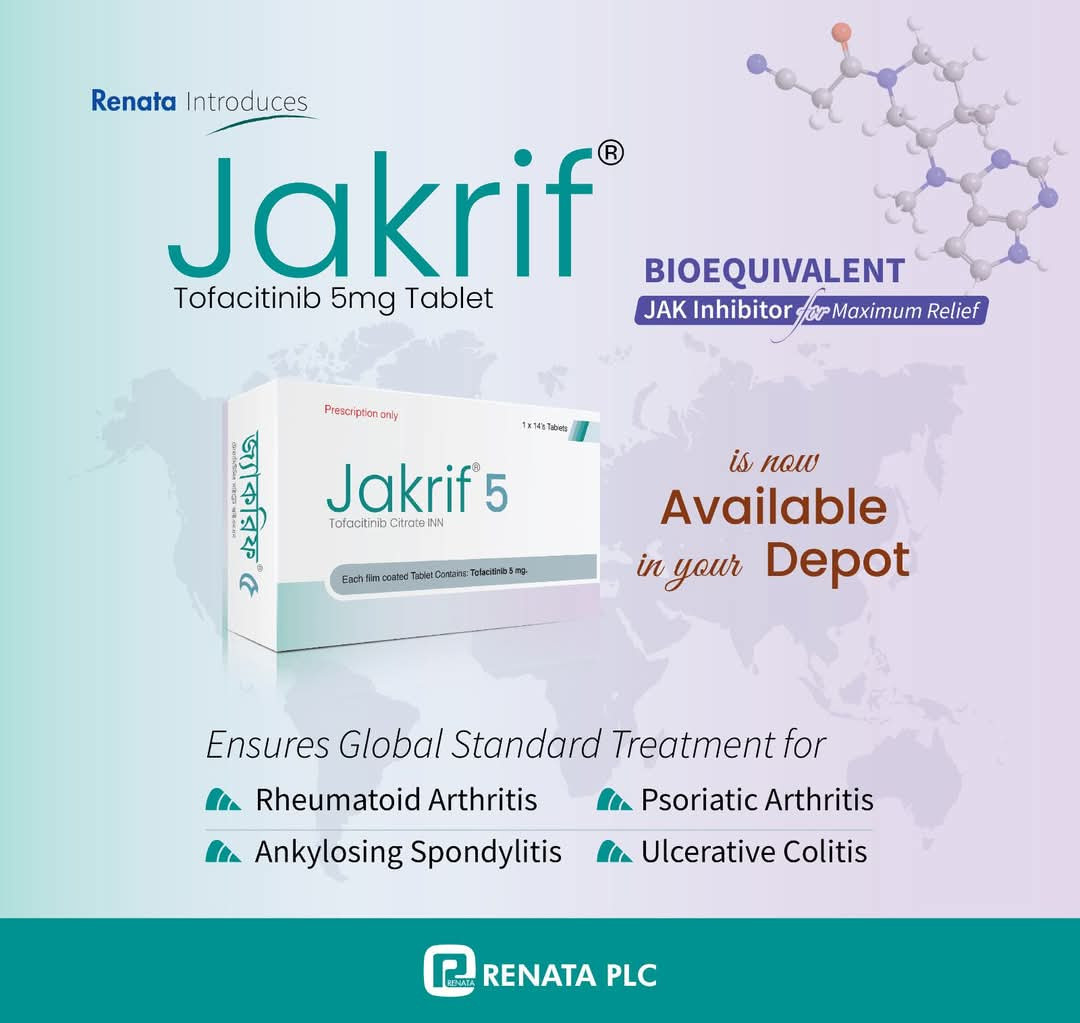
Tofacitinib is a Janus kinase (JAK) inhibitor used to treat rheumatoid and psoriatic arthritis, and ulcerative colitis. It is not recommended to be combined with biologic therapies or potent immunosuppressants like cyclosporine or azathioprine.
For the treatment of moderate to severe rheumatoid arthritis which is resistant or intolerant to methotrexate therapy. It may also be used as an adjunct to methotrexate therapy, or other non-biologic disease-modifying antirheumatic drugs (DMARDS), when methotrexate alone is not sufficient.
Tofacitinib has also been investigated as a preventative therapy for kidney transplant rejections, and as a treatment for psoriasis, ulcerative colitis, and ankylosing spondylitis.
It is not to be initiated in patients with a history of chronic or recurrent infections, or in the presence of active infection, even if localized, due to reports of serious and sometimes fatal infections (commonly pneumonia, herpes zoster and urinary tract infections). Use of tofacitinib is also discouraged in those who have been, or are likely to be, exposed to TB. An increased likelihood of exposure may be encountered by traveling to certain areas. In addition, tofacitinib is not to be used in patients with severe hepatic impairment, or low hemoglobin (less than 9g/dL). Cautioned is advised when using tofacitinib in patients at risk of gastrointestinal perforation, and in the elderly who are more susceptible to infection.
Associated Conditions
Pharmacodynamics
Tofacitinib targets inflammation present in rheumatoid arthritis by inhibiting the janus kinases involved in the inflammatory response pathway.
In placebo controlled trials of rheumatoid arthritis patients receiving 5mg or 10mg of tofacitinib twice daily, higher ACR20 responses were observed within 2 weeks in some patients (with ACR20 being defined as a minimum 20% reduction in joint pain or tenderness and 20% reduction in arthritis pain, patient disability, inflammatory markers, or global assessments of arthritis by patients or by doctors, according to the American College of Rheumatology (ACR) response criteria list), and improvements in physical functioning greater than placebo were also noted.
Common known adverse effects of tofacitinib include headaches, diarrhea, nausea, nasopharyngitis and upper respiratory tract infection. More serious immunologic and hematological adverse effects have also been noted resulting in lymphopenia, neutropenia, anemia, and increased risk of cancer and infection.
Before initiations of tofacitinib patients should be tested for latent infections of tuberculosis, and should be closely monitored for signs and symptoms of infection (fungal, viral, bacterial, or mycobacterial) during therapy. Therapy is not to be started in the presence of active infection, systemic or localized, and is to be interrupted if a serious infection occurs.
Tofacitinib has been associated with an increased risk of lymphomas, such as Epstein-Barr virus associated lymphomas, and other malignancies (including lung, breast, gastric, and colorectal cancers). It is recommended to monitor lymphocytes, neutrophils, hemoglobin, liver enzymes, and lipids.
Tofacitinib use is associated with a rapid decrease in C-reactive protein (CRP), dose dependent decreases in natural killer cells, and dose dependent increases in B cells. Depression in C-reactive protein levels continue after 2 weeks of tofacitinib discontinuation and suggest that pharmacodynamic activity last longer than pharmacokinetic half life.
Mechanism of Action
Rheumatoid arthritis is an autoimmune disease characterized by a dysregulation of pro-inflammatory cytokines including IL7, IL15, IL21, IL6, IFN-alpha, and IFN-beta. (3) Cytokines signalling results in tissue inflammation and joint damage by stimulating the recruitment and activation of immune cells via the janus kinase signalling pathway.
Tofacitinib is a partial and reversible janus kinase (JAK) inihibitor that will prevent the body from responding to cytokine signals. By inhibiting JAKs, tofacitinib prevents the phosphorylation and activation of STATs. The JAK-STAT signalling pathway is involved in the transcription of cells involved in hematopoiesis, and immune cell function. Tofacitinib works therapeutically by inhibiting the JAK-STAT pathway to decrease the inflammatory response. However, there is evidence to suggest that it may also achieve efficacy via other pathways as well.
Absorption
74% oral absorption (absolute bioavailability), with peak plasma concentrations (T max) achieved in 0.5-1 hour.
Administration with fatty meals does not alter AUC but reduces Cmax by 32%.
Volume of Distribution
Vd= 87L after intravenous administration. Distribution is equal between red blood cells and plasma.
Protein Binding
40%, mostly bound to albumin.
Route of Elimination
70% metabolized in the liver by CYP3A4 (major) and CYP2C19 (minor). Metabolites produced are inactive. 30% renally eliminated as unchanged drug.
Half Life
~3 hours
Toxicity
Minimum lethal dose in rat: 500 mg/kg. Maximum asymptomatic dose in non human primate: 40 mg/kg.
Lymphatic, immune system, bone marrow and erythroid cell toxicity was seen in animal studies involving rate and monkeys. Doses used in these studies ranged from 1mg/kg/day to 10mg/kg/day, over a duration of 6 weeks to 6 months. Lymphopenia, neutropenia, and anemia is seen in human subjects and may call for an interruption or discontinuation of therapy if severe.
Reduced female fertility in rats was seen at exposures 17 times the maximum recommended human dose. Fertility may be impaired in human females and harm may be caused to unborn child. Carcinogenic potential is seen, however evidence for dose dependency is lacking.
Because the janus kinase pathway plays a role in stimulating the production of red blood cells and is involved in immune cell function, inhibition of this pathway leads to increased risk of anemia, neutropenia, lymphopenia, cancer and infection.
Lymphopenia, neutropenia, and anemia in human subjects may call for an interruption or discontinuation of therapy if severe.
Role of JAK inhibition in the development of gastrointestinal perforation is not known.
Food Interactions
- Avoid grapefruit products. Dose adjustments are required when administering CYP3A4 inhibitors (grapefruit) and CYP2C19 inhibitors with tofacitinib.
- Avoid St. John's Wort. This herb induces the CYP3A4 metabolism of tofacitinib and may reduce its serum concentration.
- Take with or without food.
Dosage
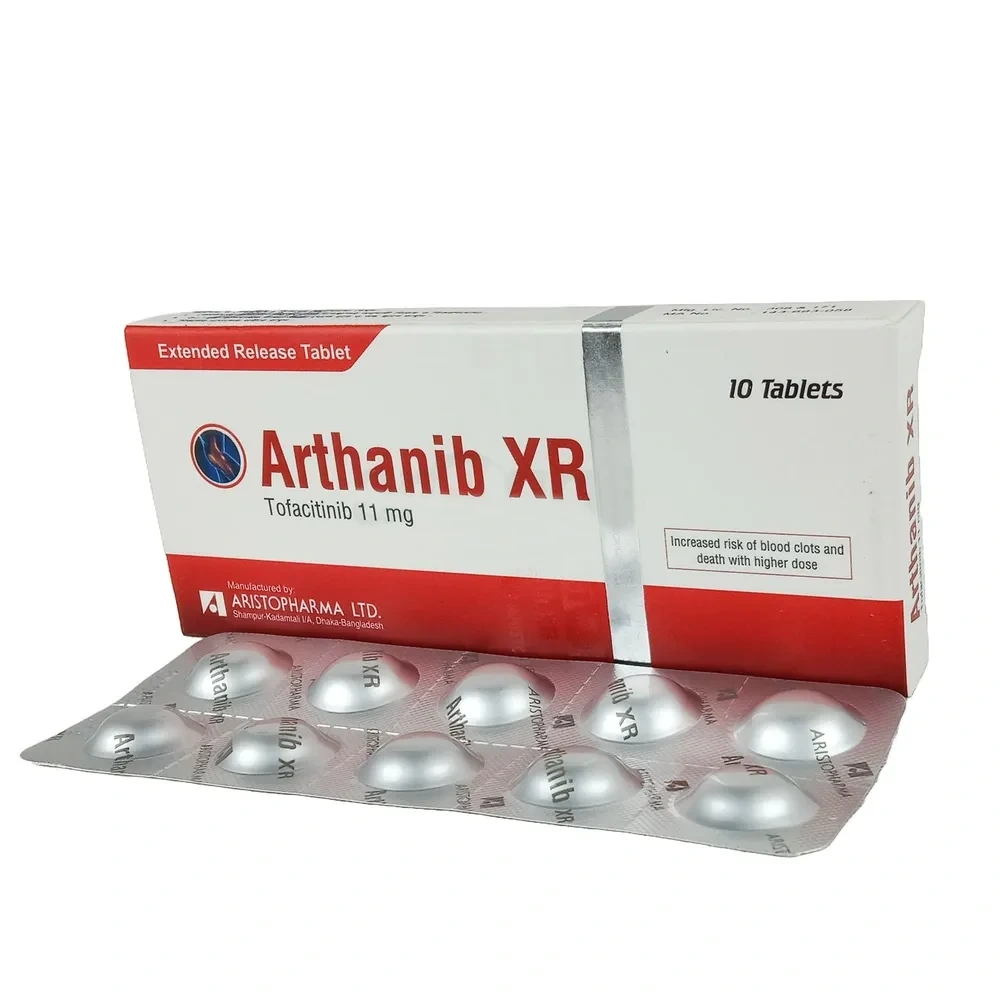
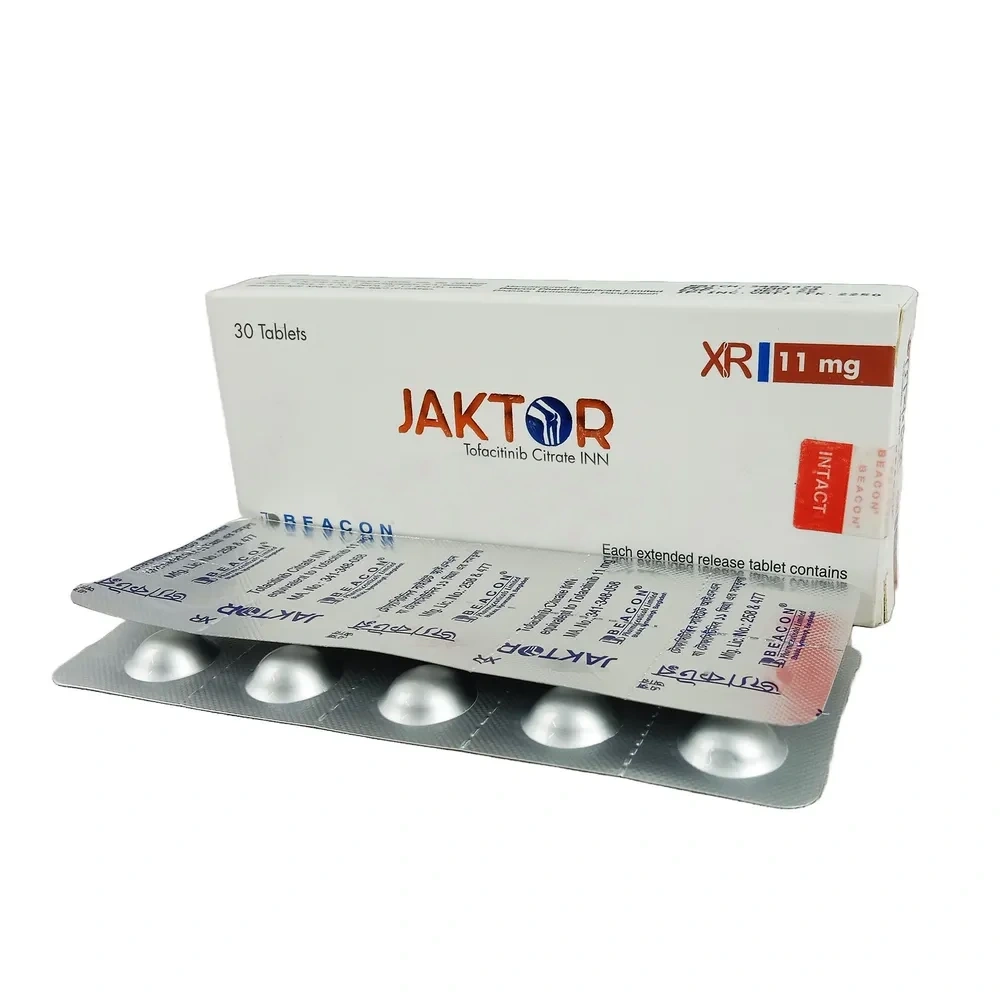
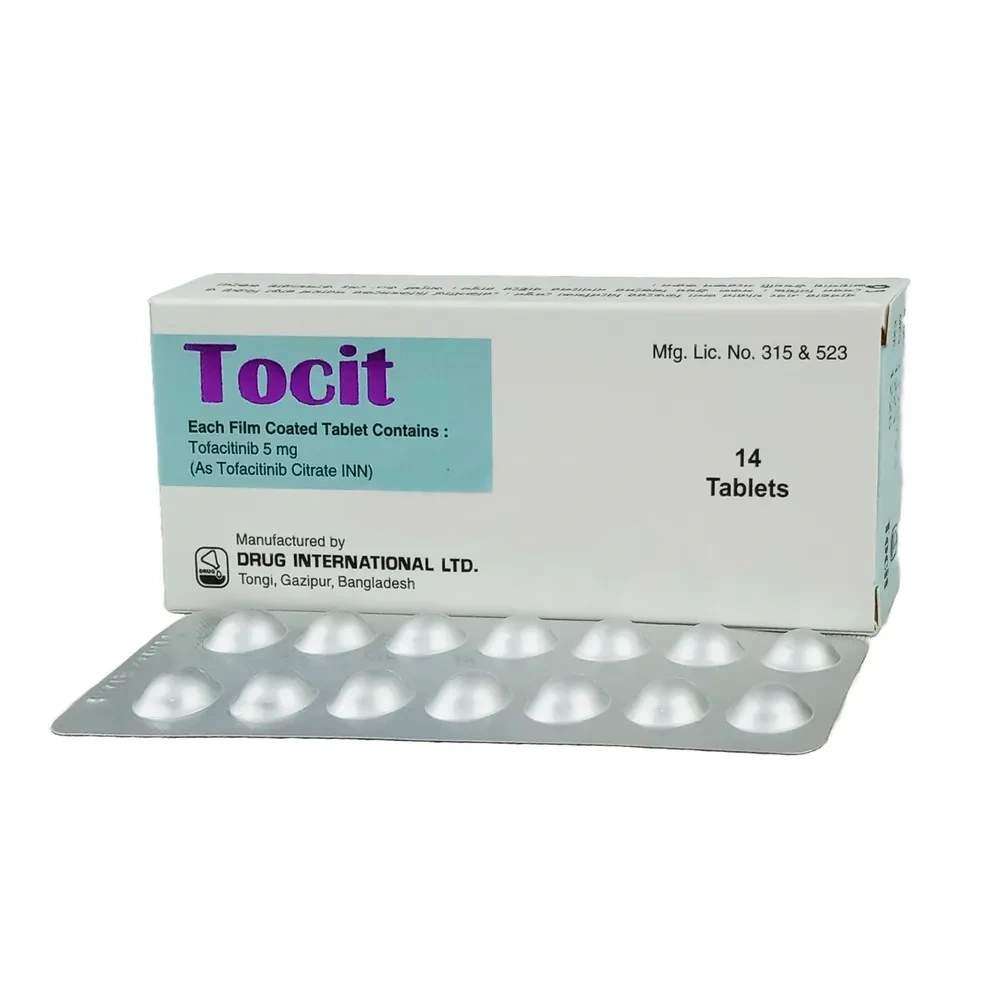
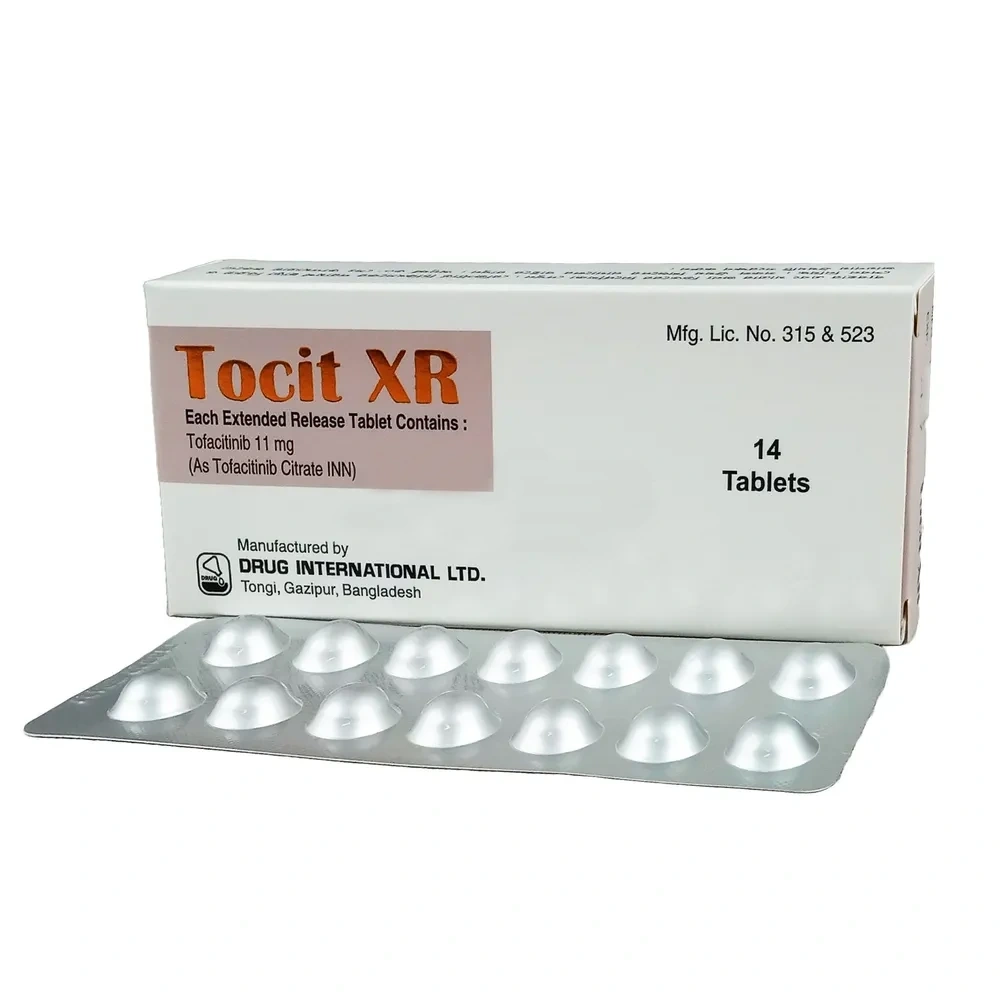
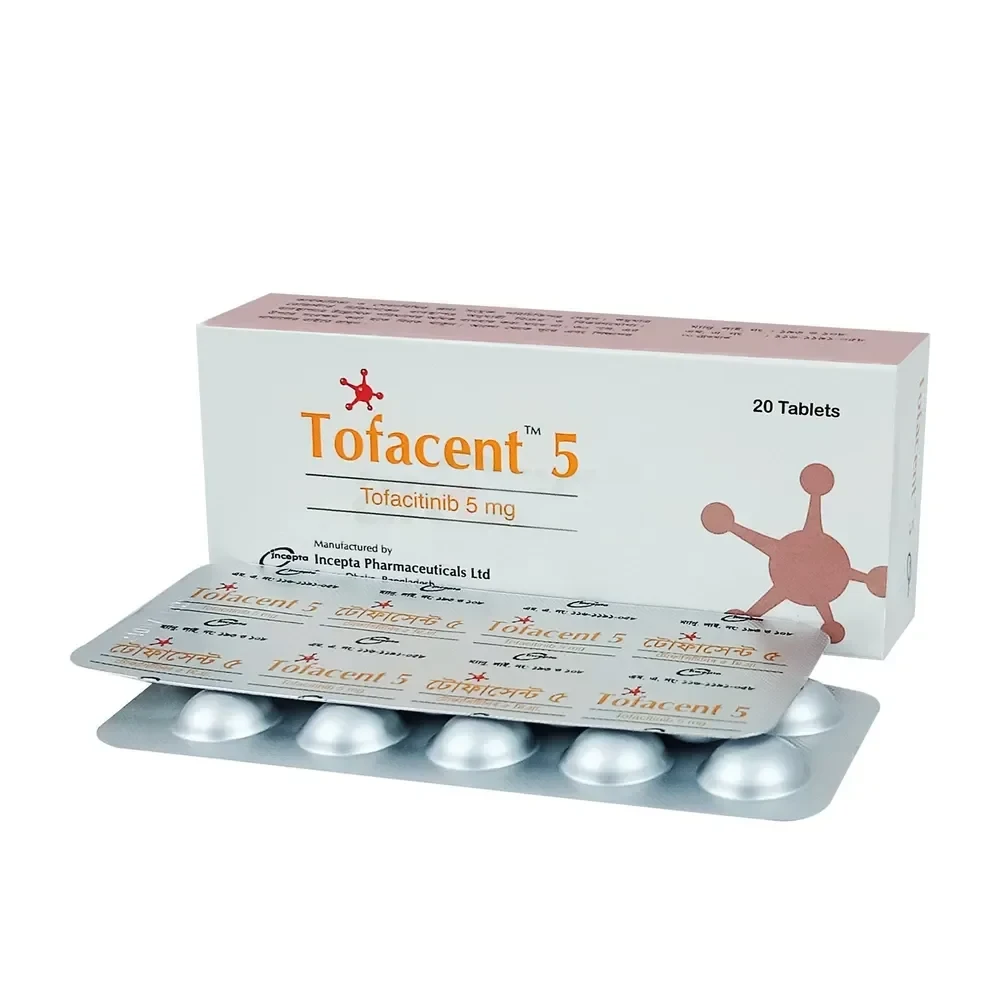
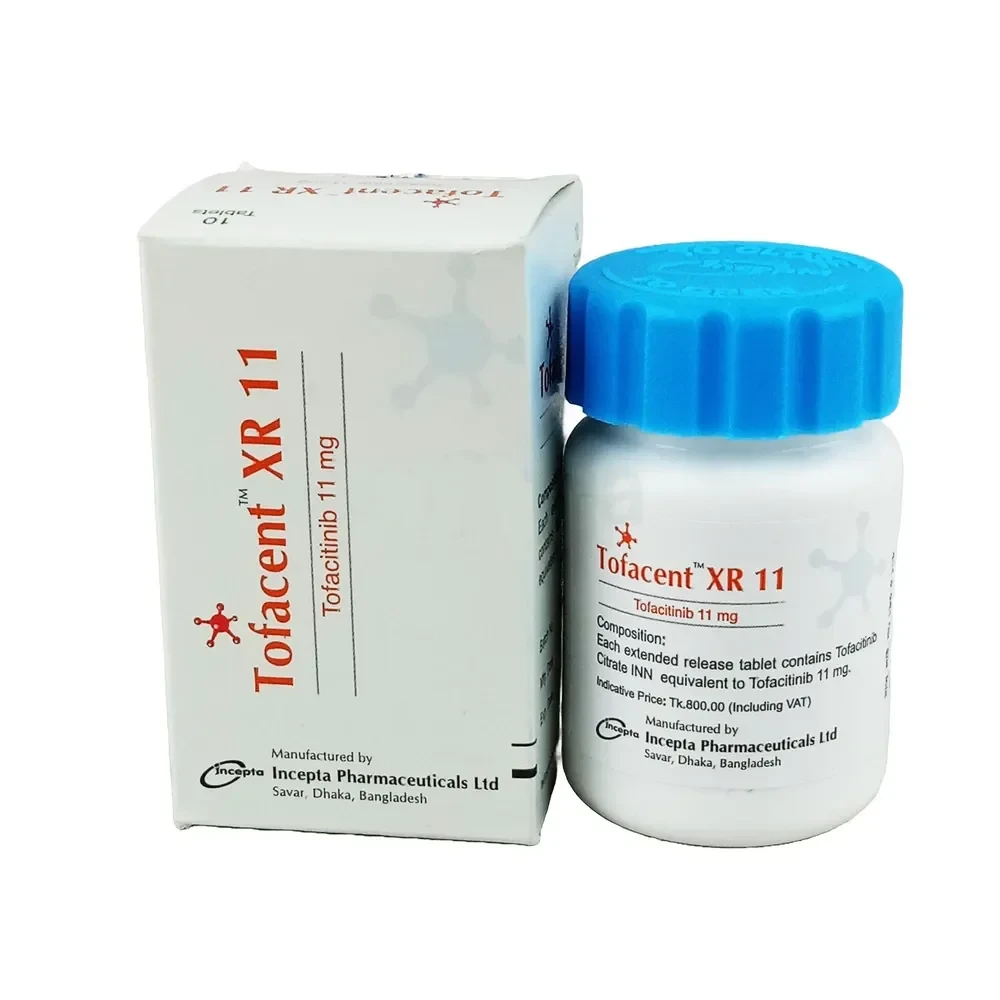
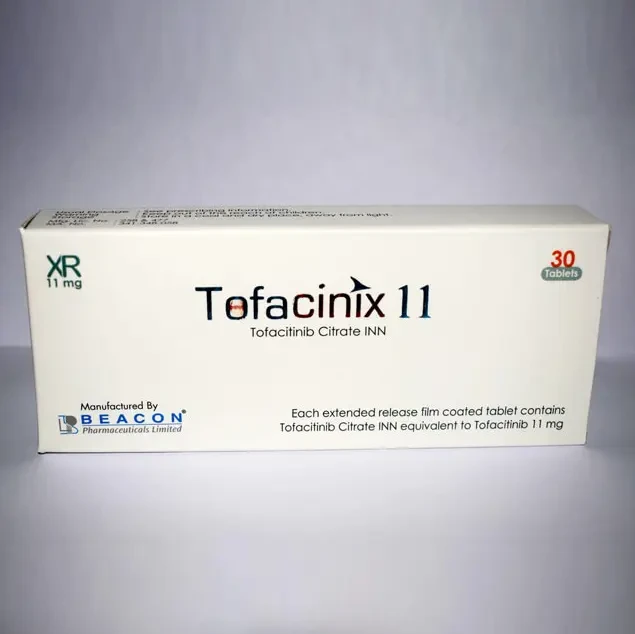
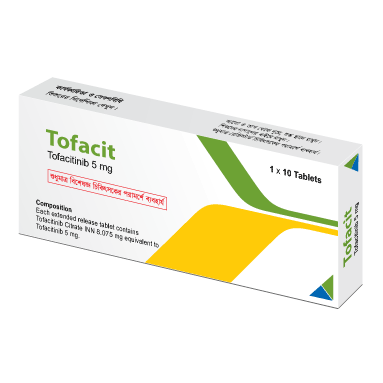
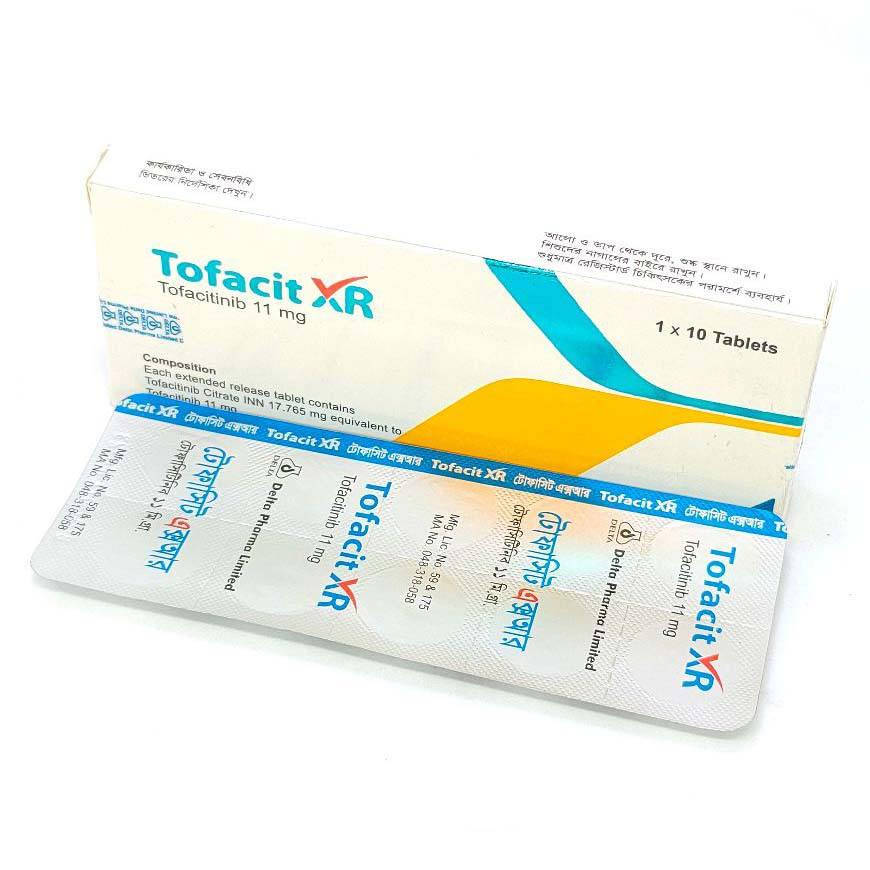
Psoriatic Arthritis (in combination with nonbiologic DMARDs): Tofacitinib 5 mg twice daily or Tofacitinib 11 mg once daily. Recommended dosage in patients with moderate and severe renal impairment or moderate hepatic impairment is Tofacitinib 5 mg once daily.
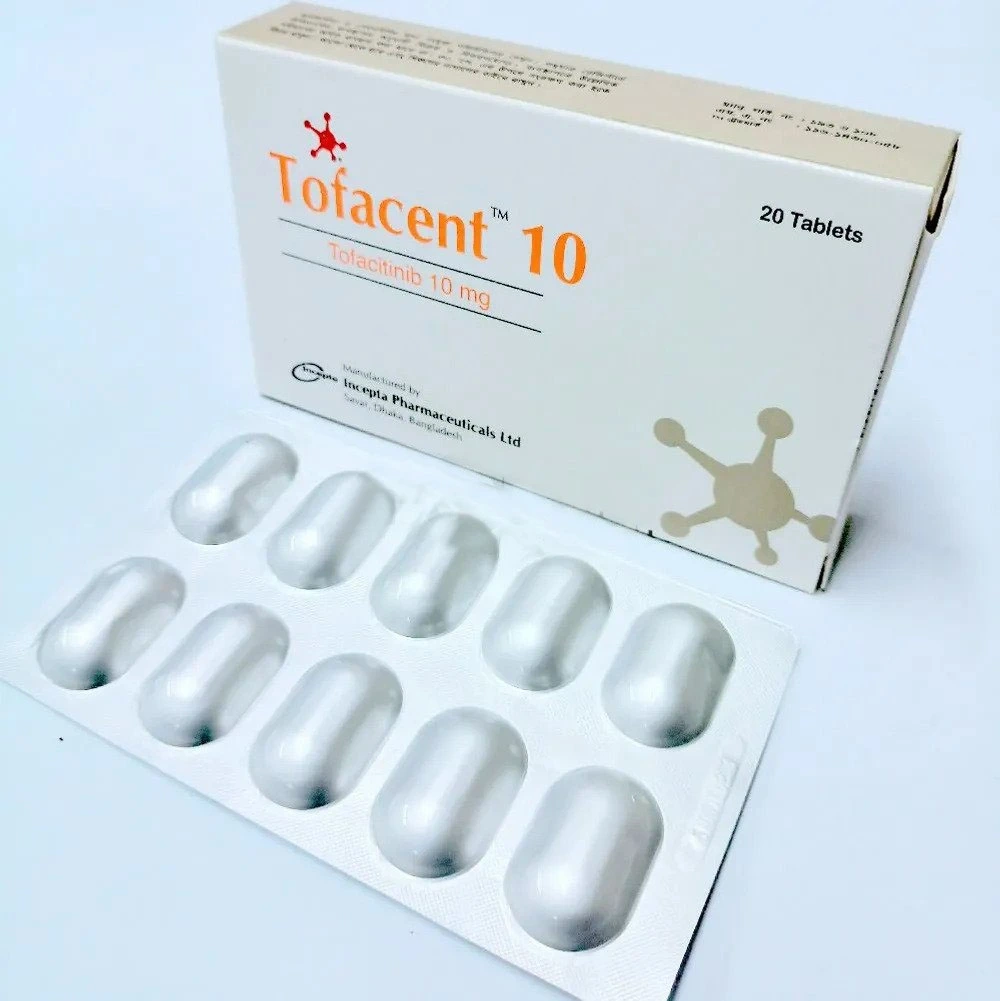
Ulcerative Colitis: Tofacitinib 10 mg twice daily for at least 8 weeks; then 5 or 10 mg twice daily. Discontinue after 16 weeks of 10 mg twice daily, if adequate therapeutic benefit is not achieved. Use the lowest effective dose to maintain response.