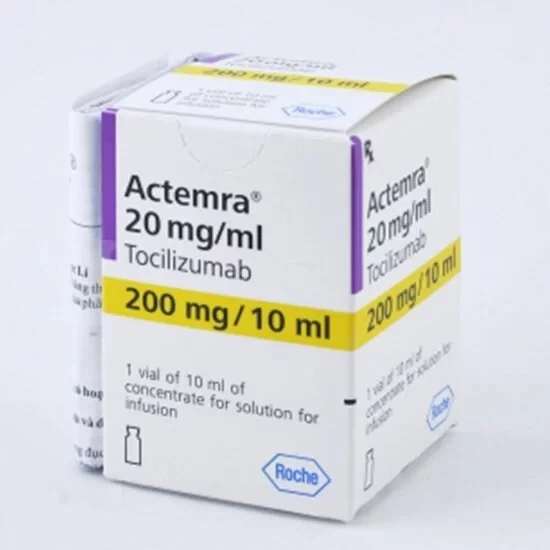
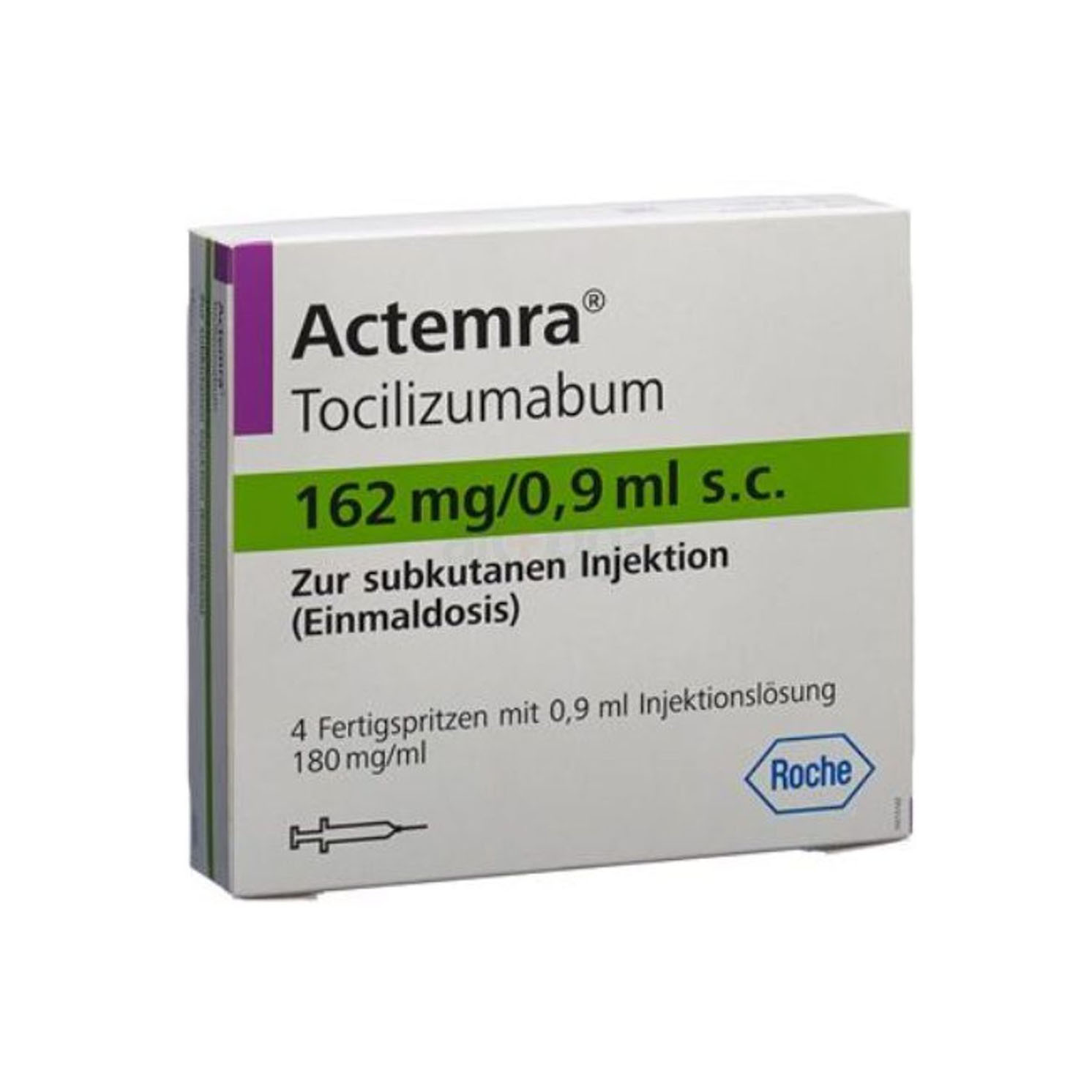
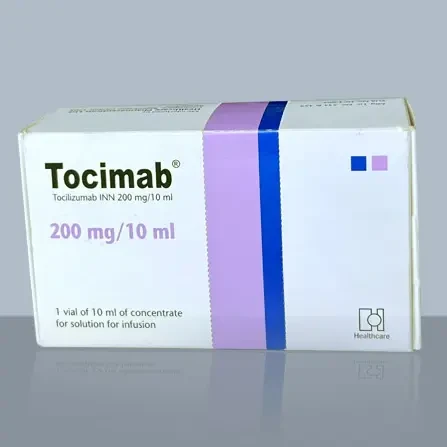
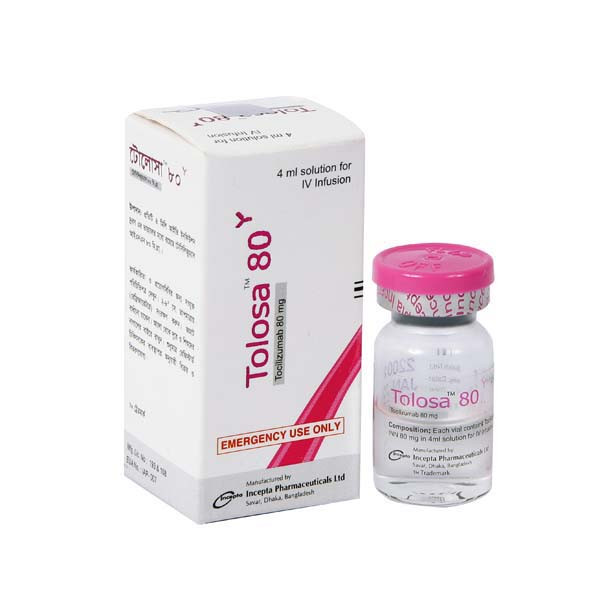
Generic Name Tocilizumab
Bangla Name টসিলিজুম্যাব
Available brands 7
Language

Introduction

Tocilizumab is a recombinant humanized monoclonal antibody IL-6 receptor inhibitor used to treat inflammatory and autoimmune conditions. It was first described in the literature in 2003 when Chugai, a subsidiary of Roche began developing IL-6 inhibiting monoclonal antibodies. It is currently being investigated to treat severely ill patients with COVID-19.

Uses

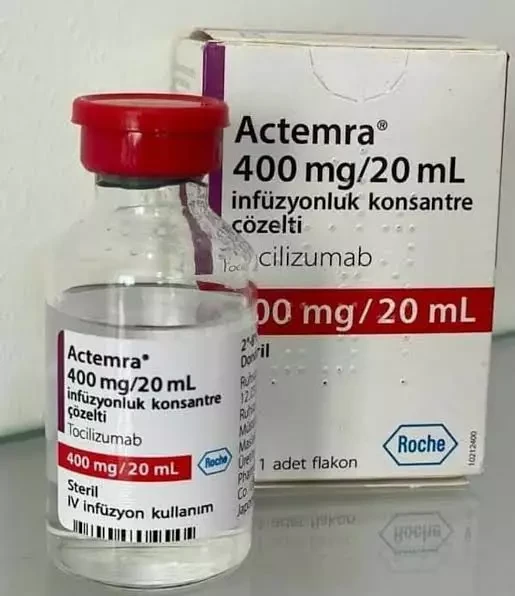
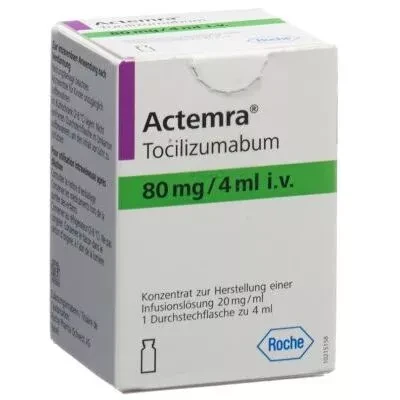
Tocilizumab is an interleukin-6 (IL-6) receptor antagonist used to treat Cytokine Release Syndrome (CRS), Systemic Juvenile Idiopathic Arthritis (sJIA), Giant Cell Arteritis (GCA), and Rheumatoid Arthritis (RA).

Tocilizumab is indicated to treat moderate to severe rheumatoid arthritis, giant cell arteritis, polyarticular juvenile idiopathic arthritis, systemic juvenile idiopathic arthritis, and cytokine release syndrome.

Associated Conditions

  • Cytokine Release Syndrome caused by CAR-T Cell Therapy
  • Giant Cell Arteritis (GCA)
  • Moderate to Severe Rheumatoid Arthritis
  • Polyarticular Juvenile Idiopathic Arthritis
  • Systemic Juvenile Idiopathic Arthritis (SJIA)

Pharmacodynamics

Tocilizumab is an IL-6 inhibiting monoclonal antibody used to treat autoimmune and inflammatory conditions. Tocilizumab has a long duration of action as it is generally given every 4 weeks and has a wide therapeutic index. Patients should be counselled regarding the risk of infections, GI perforation, and hepatotoxicity.

Mechanism of Action

Interleukin 6 (IL-6) is a pro-inflammatory cytokine produced by cells including T-cells, B-cells, lymphocytes, monocytes, fibroblasts. IL-6 rapidly induces C-reactive protein, serum amyloid A, fibrinogen, haptoglobin, and α-1-antichymotrypsin while inhibiting production of fibronectin, albumin, and transferrin. IL-6 also induces antibody production, induces cytotoxic T-cell differentiation, and inhibits regulatory T-cell differentiation. Tocilizumab binds soluble and membrane bound IL-6 receptors, preventing IL-6 mediated inflammation.

Absorption

A 162mg subcutaneous dose given weekly has a Cmax of 51.3±23.2µg/mL and an AUC of 8254±3833µg*h/mL. A 162mg subcutaneous dose given every 2 weeks has a Cmax of 13±8.3µg/mL and an AUC of 3460±2530µg*h/mL. A 162mg subcutaneous dose given every 4 weeks has a Cmax of 154±42µg/mL and an AUC of 39216±14304µg*h/mL.

Volume of Distribution

In rheumatoid arthritis patients, the central volume of distribution is 3.5L, the peripheral volume of distribution is 2.9L, and the volume of distribution at steady state is 6.4L. In giant cell arteritis patients, the central volume of distribution is 4.09L, the peripheral volume of distribution if 3.37L, and the volume of distribution at steady state is 7.46L. In pediatric patients with polyarticular juvenile arthritis, the central volume of distribution is 1.98L, the peripheral volume of distribution is 2.1L, and the volume of distribution at steady state is 4.08L. In pediatric patients with systemic juvenile idiopathic arthritis, the central volume of distribution is 1.87L, the peripheral volume of distribution is 2.14L, and the volume of distribution at steady state is 4.01L.

Protein Binding

Data regarding the serum protein binding of tocilizumab is not readily available.

Route of Elimination

Data regarding the exact route of elimination of monoclonal antibodies is not readily available.

Half Life

The half life of tocilizumab is concentration dependent. The terminal half life in rheumatoid arthritis patients is 21.5 days. The absorption half life in rheumatoid arthritis and giant cell arteritis patients was 4 days, and in polyarticular juvenile idiopathic arthritis patients and systemic juvenile idiopathic arthritis patients was 2 days.

Clearance

The linear clearance in rheumatoid arthritis patients is 12.5mL/h, in giant cell arteritis patients is 6.7mL/h, in polyarticular juvenile idiopathic arthritis patients is 5.8mL/h, and in systemic juvenile idiopathic arthritis is 5.7mL/h. Clearance is dose dependent and changes from non linear at low doses to linear at higher doses.

Toxicity

Data regarding overdoses of tocilizumab are not readily available. Patients experiencing an overdose may develop neutropenia. In case of overdose, monitor patients for signs of adverse reactions and provide symptomatic and supportive treatment.

Food Interactions

No interactions found.

Dosage

Interruption of dosing may be needed for management of dose-related laboratory abnormalities including elevated liver enzymes, neutropenia, and thrombocytopenia.

Rheumatoid Arthritis: Tocilizumab may be used as monotherapy or concomitantly with methotrexate or other non-biologic DMARDs as an intravenous infusion.

Recommended Intravenous Dosage Regimen:
  • The recommended dosage of Tocilizumab for adult patients given as a 60-minute single intravenous drip infusion is 4 mg per kg of body weight every 4 weeks followed by an increase to 8 mg per kg of body weight every 4 weeks based on clinical response.
  • Reduction of dose from 8 mg per kg of body weight to 4 mg per kg of body weight is recommended for management of certain dose-related laboratory changes including elevated liver enzymes, neutropenia, and thrombocytopenia
  • Doses exceeding 800 mg per infusion are not recommended in RA patients
Polyarticular Juvenile Idiopathic Arthritis: Tocilizumab may be used as an intravenous infusion or as a
subcutaneous injection alone or in combination with methotrexate. Do not change dose based solely on a single body weight measurement, as weight may fluctuate.

Recommended Intravenous Dosage Regimen: The recommended dosage of Tocilizumab for PJIA patients given once every 4 weeks as a 60-minute single intravenous drip infusion is:
  • Patients less than 30 kg weight: 10 mg per kg of body weight
  • Patients at or above 30 kg weight: 8 mg per kg of body weight
Systemic Juvenile Idiopathic Arthritis: Tocilizumab may be used as an intravenous infusion or as a subcutaneous injection alone or in combination with methotrexate. Do not change a dose based solely on a single body weight measurement, as weight may fluctuate.

Recommended Intravenous Dosage Regimen: The recommended dose of Tocilizumab for SJIA patients given
once every 2 weeks as a 60-minute single intravenous drip infusion is:
  • Patients less than 30 kg weight: 12 mg per kg of body weight
  • Patients at or above 30 kg weight: 8 mg per kg of body weight
Coronavirus Disease 2019: The recommended dosage of Tocilizumab is a single 60-minute
intravenous infusion as follows:
  • Patients less than 30 kg weight: 12 mg per kg of body weight
  • Patients at or above 30 kg weight: 8 mg per kg of body weight
If clinical signs or symptoms worsen or do not improve after the first dose, one additional infusion of Tocilizumab may be administered at least 8 hours after the initial infusion. Maximum dosage in COVID-19 patients is 800 mg per infusion.

Cytokine Release Syndrome: Use only the intravenous route for treatment of CRS. The recommended dose of Tocilizumab for treatment of CRS given as a 60-minute intravenous infusion is:

Recommended Intravenous CRS Dosage
  • Patients less than 30 kg weight: 12 mg per kg of body weight Alone or in combination with corticosteroids.
  • Patients at or above 30 kg weight: 8 mg per kg of body weight Alone or in combination with corticosteroids.
If no clinical improvement in the signs and symptoms of CRS occurs after the first dose, up to 3 additional doses of Tocilizumab may be administered. The interval between consecutive doses should be at least 8 hours. Doses exceeding 800 mg per infusion are not recommended in CRS patients.

Giant Cell Arteritis:
  • The recommended dosage of Tocilizumab for adult patients given as a 60-minute single intravenous drip infusion is 6 mg per kg of body weight every 4 weeks in combination with a tapering course of glucocorticoids.
  • Tocilizumab can be used alone following discontinuation of glucocorticoids
  • Doses exceeding 600 mg per infusion are not recommended in GCA patients
Systemic Sclerosis-Associated Interstitial Lung Disease:
  • The recommended dose of Tocilizumab for adult patients with SSc-ILD is 162 mg given once every week as a subcutaneous injection.
  • Intravenous administration is not approved for SSc-ILD
Administration of Intravenous Formulation:
  • For adults with RA, GCA, CRS, PJIA and SJIA patients at or above 30 kg, dilute to 100 mL in 0.9% or 0.45% Sodium Chloride Injection, USP for intravenous infusion using aseptic technique
  • For PJIA, SJIA and CRS patients less than 30 kg, dilute to 50 mL in 0.9% or 0.45% Sodium Chloride Injection, USP for intravenous infusion using aseptic technique
  • Administer as a single intravenous drip infusion over 1 hour; do not administer as bolus or push.
Frequently Asked Questions About Tocilizumab

1. What is Tocilizumab?

Tocilizumab is a monoclonal antibody that is used to treat various inflammatory conditions, including rheumatoid arthritis, giant cell arteritis, and cytokine release syndrome. It works by blocking the interleukin-6 (IL-6) receptor, which plays a role in inflammation.

2. How does Tocilizumab work?

Tocilizumab works by binding to and inhibiting the IL-6 receptor, preventing IL-6 from exerting its inflammatory effects. IL-6 is a cytokine involved in the body's immune response and inflammation, and by blocking this receptor, Tocilizumab helps reduce inflammation and tissue damage.

3. What are the main uses of Tocilizumab?

Tocilizumab is primarily used to treat conditions such as rheumatoid arthritis, giant cell arteritis, systemic juvenile idiopathic arthritis, cytokine release syndrome (CRS), and severe COVID-19-related inflammation.

4. Is Tocilizumab used for rheumatoid arthritis?

Yes, Tocilizumab is commonly used for the treatment of moderate to severe rheumatoid arthritis in adults who have not responded adequately to other disease-modifying antirheumatic drugs (DMARDs).

5. Can Tocilizumab be used for COVID-19?

Tocilizumab has been used to treat severe COVID-19 in hospitalized patients, particularly those with high levels of inflammation (e.g., elevated C-reactive protein levels). It helps reduce the inflammatory response associated with severe COVID-19 infections.

6. How is Tocilizumab administered?

Tocilizumab is typically administered through an intravenous (IV) infusion in a healthcare setting. It can also be given as a subcutaneous injection for certain conditions, such as rheumatoid arthritis.

7. What are the potential side effects of Tocilizumab?

Common side effects of Tocilizumab include headache, high blood pressure, liver enzyme elevations, infections, and gastrointestinal issues. Serious side effects can include severe infections, gastrointestinal perforation, and liver damage.

8. Can Tocilizumab cause an allergic reaction?

Yes, some individuals may experience allergic reactions to Tocilizumab. Symptoms may include rash, itching, difficulty breathing, and swelling of the face or throat. Immediate medical attention is required for severe allergic reactions.

9. Is Tocilizumab safe for pregnant women?

Tocilizumab is categorized as a pregnancy category C drug, meaning that it should only be used during pregnancy if the potential benefits outweigh the risks. Consult your doctor if you are pregnant or planning to become pregnant.

10. Can Tocilizumab be used during breastfeeding?

It is not known whether Tocilizumab passes into breast milk. Caution is recommended, and you should discuss with your healthcare provider whether to continue breastfeeding while taking this medication.

11. What is the typical dosage of Tocilizumab for rheumatoid arthritis?

The typical dosage for rheumatoid arthritis is an initial dose of 4 mg/kg administered via IV infusion every 4 weeks. Depending on the patient's response, the dose may be increased to 8 mg/kg.

12. How long does it take for Tocilizumab to work?

Patients with rheumatoid arthritis may start to notice improvement in symptoms within 2 to 4 weeks of starting Tocilizumab. However, the full therapeutic effect may take several months to be evident.

13. Can Tocilizumab be used for children?

Tocilizumab is approved for use in children aged 2 years and older for the treatment of systemic juvenile idiopathic arthritis. The dosing is adjusted based on the child's weight and age.

14. What should I do if I miss a dose of Tocilizumab?

If you miss a dose of Tocilizumab, contact your healthcare provider for guidance on when to schedule the next dose. It is important to stay on a consistent dosing schedule to maintain the medication's effectiveness.

15. Can Tocilizumab interact with other medications?

Tocilizumab can interact with other medications, particularly immunosuppressive drugs and other biologic therapies. It may also interact with certain vaccines and anticoagulants. Inform your healthcare provider about all medications you are taking.

16. What is the risk of infections while taking Tocilizumab?

Tocilizumab can increase the risk of infections, including serious infections like tuberculosis, pneumonia, and sepsis. Patients should be monitored for signs of infection and tested for tuberculosis before starting treatment.

17. Can Tocilizumab cause liver problems?

Yes, Tocilizumab can cause liver enzyme elevations, and in rare cases, it can lead to liver damage. Liver function should be regularly monitored during treatment.

18. Can Tocilizumab be used for other autoimmune diseases?

While Tocilizumab is primarily used for rheumatoid arthritis and systemic juvenile idiopathic arthritis, it is being investigated for other autoimmune diseases, such as lupus and scleroderma. Its use may be considered in certain cases depending on the disease and its severity.

19. How should Tocilizumab be stored?

Tocilizumab should be stored in a refrigerator at 2°C to 8°C (36°F to 46°F). It should not be frozen. Keep the medication in its original packaging to protect it from light.

20. Can Tocilizumab be used for ankylosing spondylitis?

While Tocilizumab is not specifically approved for ankylosing spondylitis, it may be used off-label in certain cases where other treatments have failed, particularly if the disease is associated with high levels of inflammation.

21. What are the potential risks of taking Tocilizumab?

The risks of Tocilizumab include increased susceptibility to infections, liver damage, blood disorders, and gastrointestinal issues. It is important to undergo regular monitoring during treatment.

22. Does Tocilizumab increase the risk of cancer?

There is a potential increased risk of certain types of cancer, such as lymphoma, in patients taking Tocilizumab. However, the overall risk is considered low, and this should be discussed with your healthcare provider before starting treatment.

23. Can Tocilizumab be used in combination with methotrexate?

Yes, Tocilizumab is often used in combination with methotrexate for the treatment of rheumatoid arthritis. The combination can improve efficacy in managing symptoms and slowing disease progression.

24. How is Tocilizumab administered for cytokine release syndrome (CRS)?

For cytokine release syndrome, Tocilizumab is typically administered intravenously as a single dose. Additional doses may be given if the symptoms persist or recur.

25. What are the signs of an allergic reaction to Tocilizumab?

Signs of an allergic reaction to Tocilizumab include rash, itching, difficulty breathing, swelling of the face or throat, and dizziness. Seek immediate medical attention if these symptoms occur.

26. Is Tocilizumab effective for psoriatic arthritis?

While Tocilizumab is not FDA-approved for psoriatic arthritis, it has been shown to be effective in treating certain cases of psoriatic arthritis, particularly those with high levels of inflammation.

27. Can Tocilizumab cause high blood pressure?

Yes, Tocilizumab can cause an increase in blood pressure. Blood pressure should be monitored regularly during treatment, and any significant changes should be addressed with a healthcare provider.

28. What precautions should be taken before starting Tocilizumab?

Before starting Tocilizumab, patients should be tested for tuberculosis and other infections. A history of liver disease or blood disorders should also be reviewed. Regular monitoring is required during treatment.

29. Can Tocilizumab be used in elderly patients?

Tocilizumab can be used in elderly patients, but they may be at a higher risk for side effects, particularly infections and liver problems. Close monitoring is necessary during treatment.

30. What is the role of Tocilizumab in treating giant cell arteritis?

Tocilizumab is used to treat giant cell arteritis by reducing inflammation in the arteries, which can help prevent complications such as vision loss or stroke.

31. Is Tocilizumab safe for people with a history of tuberculosis?

Patients with a history of tuberculosis should be carefully evaluated before starting Tocilizumab. The drug can increase the risk of reactivating latent tuberculosis, so appropriate testing and preventive treatment may be required.

32. Can Tocilizumab be used for systemic lupus erythematosus (SLE)?

Tocilizumab is not FDA-approved for the treatment of lupus, but it may be considered for off-label use in severe cases that involve significant inflammation and high IL-6 levels.

33. How does Tocilizumab affect cholesterol levels?

Tocilizumab can lead to increases in cholesterol levels, particularly LDL cholesterol. Regular monitoring of lipid levels is recommended during treatment.

34. Can Tocilizumab be used to treat inflammation in inflammatory bowel disease (IBD)?

While Tocilizumab is not typically used for IBD, its role in reducing inflammation may be explored in specific cases where other treatments have not been effective.

35. Does Tocilizumab affect the immune system?

Yes, Tocilizumab suppresses certain aspects of the immune system by inhibiting IL-6, which can increase the risk of infections and reduce the body's ability to fight off diseases.

36. Can Tocilizumab cause weight gain?

Weight gain is not a common side effect of Tocilizumab, but some individuals may experience fluid retention, which could lead to mild weight gain.

37. Can Tocilizumab be used for vasculitis?

Tocilizumab has shown effectiveness in treating certain types of vasculitis, especially those associated with elevated IL-6 levels. It may be used off-label for this purpose under careful medical supervision.

38. How does Tocilizumab affect kidney function?

Tocilizumab can affect kidney function in some patients, particularly those with pre-existing kidney issues. Kidney function should be monitored during treatment, and any significant changes should be addressed promptly.

39. Can Tocilizumab be used to treat rheumatoid arthritis in people with liver disease?

Tocilizumab should be used with caution in people with liver disease, as it can cause liver enzyme elevations. Close monitoring of liver function is necessary during treatment.

40. What should I do if I experience severe side effects from Tocilizumab?

If you experience severe side effects, such as trouble breathing, swelling of the face, or signs of an infection, seek immediate medical attention. Your doctor may need to adjust your dosage or discontinue treatment.

41. Can Tocilizumab be used for osteoarthritis?

Tocilizumab is not typically used for osteoarthritis, as the condition involves different mechanisms of inflammation. However, it may be considered in certain cases with significant inflammatory components.

42. How does Tocilizumab compare to other biologic therapies?

Tocilizumab is one of several biologic therapies used to treat inflammatory diseases. It targets IL-6, while other biologics may target different molecules, such as TNF-alpha (e.g., etanercept, infliximab). The choice of biologic depends on the patient's condition and response to treatment.

43. How long can Tocilizumab be used for rheumatoid arthritis?

Tocilizumab can be used long-term for rheumatoid arthritis, as long as the patient continues to respond well to the medication and does not experience severe side effects. Regular monitoring is required during long-term use.

44. Can Tocilizumab cause hair loss?

Hair loss is not a common side effect of Tocilizumab, but some patients may experience hair thinning or changes in hair texture due to the effects of the medication.

45. Can Tocilizumab be used for multiple sclerosis?

Tocilizumab is not approved for the treatment of multiple sclerosis (MS), but its potential use in MS may be explored in clinical trials, particularly for its effects on inflammation.

46. How does Tocilizumab affect blood cell counts?

Tocilizumab can cause changes in blood cell counts, including a decrease in white blood cells, red blood cells, and platelets. Regular blood tests are needed to monitor these levels during treatment.

47. Can Tocilizumab cause diarrhea?

Diarrhea is a potential side effect of Tocilizumab, though it is not very common. Patients who experience persistent or severe diarrhea should contact their doctor.

48. Can Tocilizumab be used for sarcoidosis?

Tocilizumab is not typically used for sarcoidosis, but it may be considered off-label in certain cases with significant inflammation or poor response to other treatments.

49. What are the benefits of Tocilizumab?

The main benefits of Tocilizumab include its ability to reduce inflammation, improve joint function, and decrease pain and damage in conditions like rheumatoid arthritis and systemic juvenile idiopathic arthritis.

50. How should I prepare for a Tocilizumab infusion?

Before a Tocilizumab infusion, you will be monitored for any signs of allergic reactions. It is also essential to ensure that you do not have active infections or a history of tuberculosis. Make sure to inform your healthcare provider of any health changes before starting treatment.

Medical review

Last reviewed: 24 Jul 2026

Medically reviewed by:

This is general information, not personal medical advice. Consult a doctor before taking any medicine.

Taking medicines without doctor's advice can cause long-term problems.
Brand medicines containing Tocilizumab