Introduction
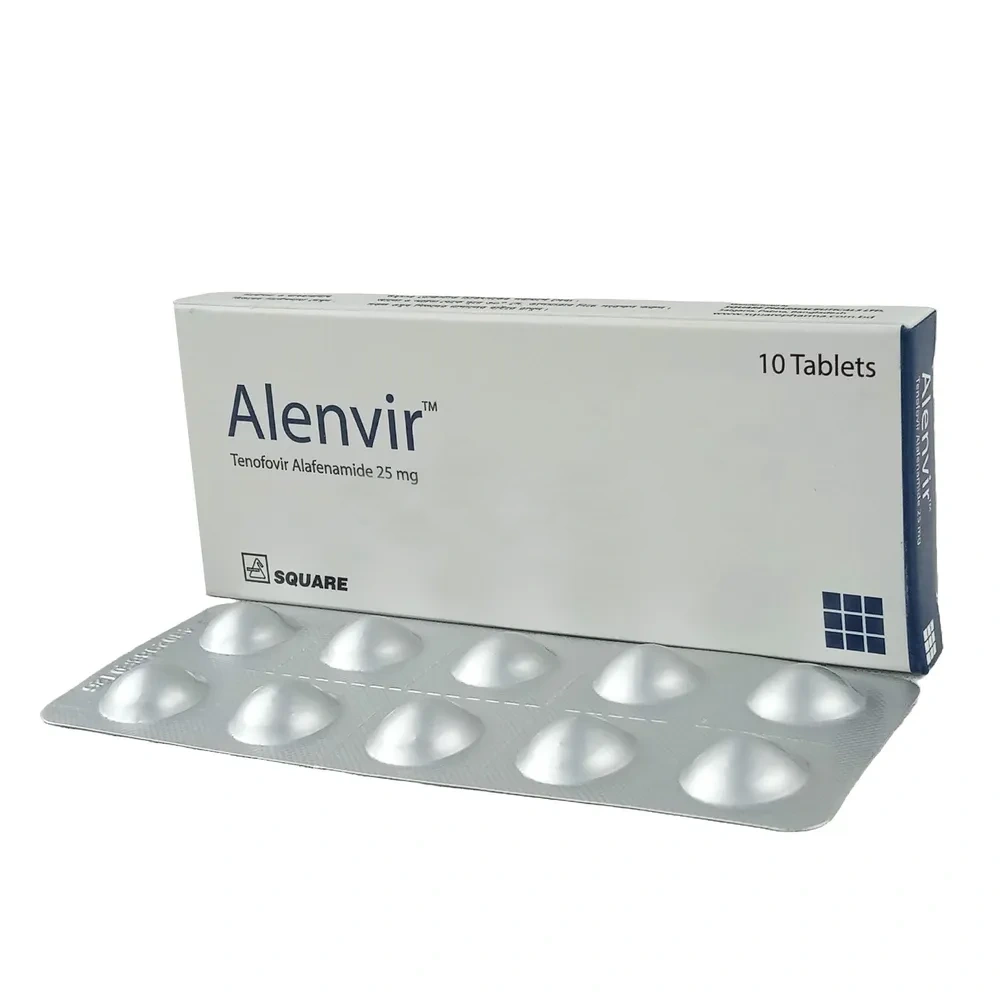
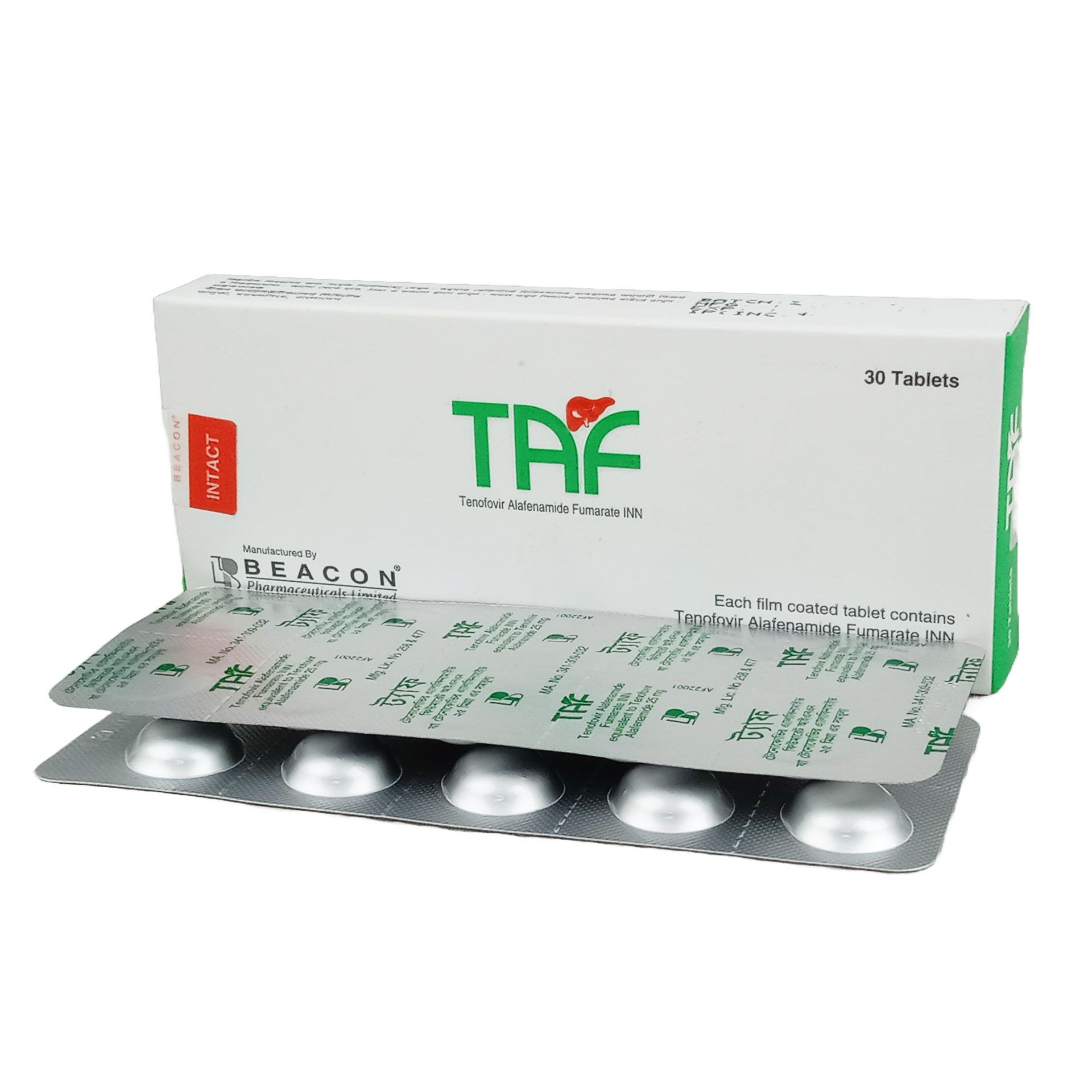
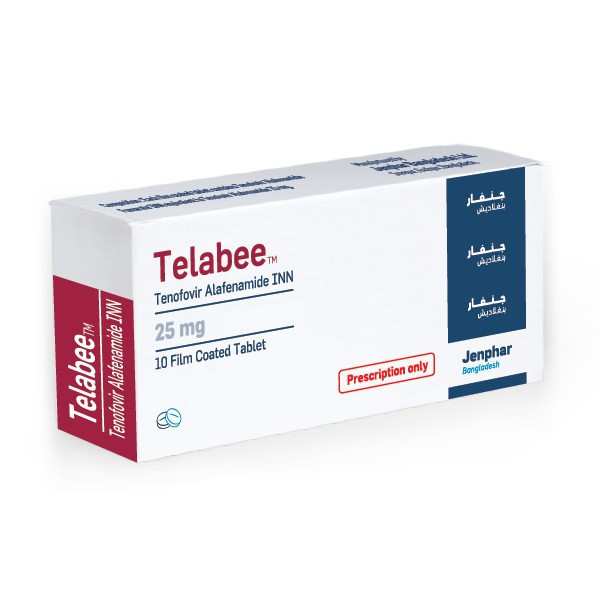
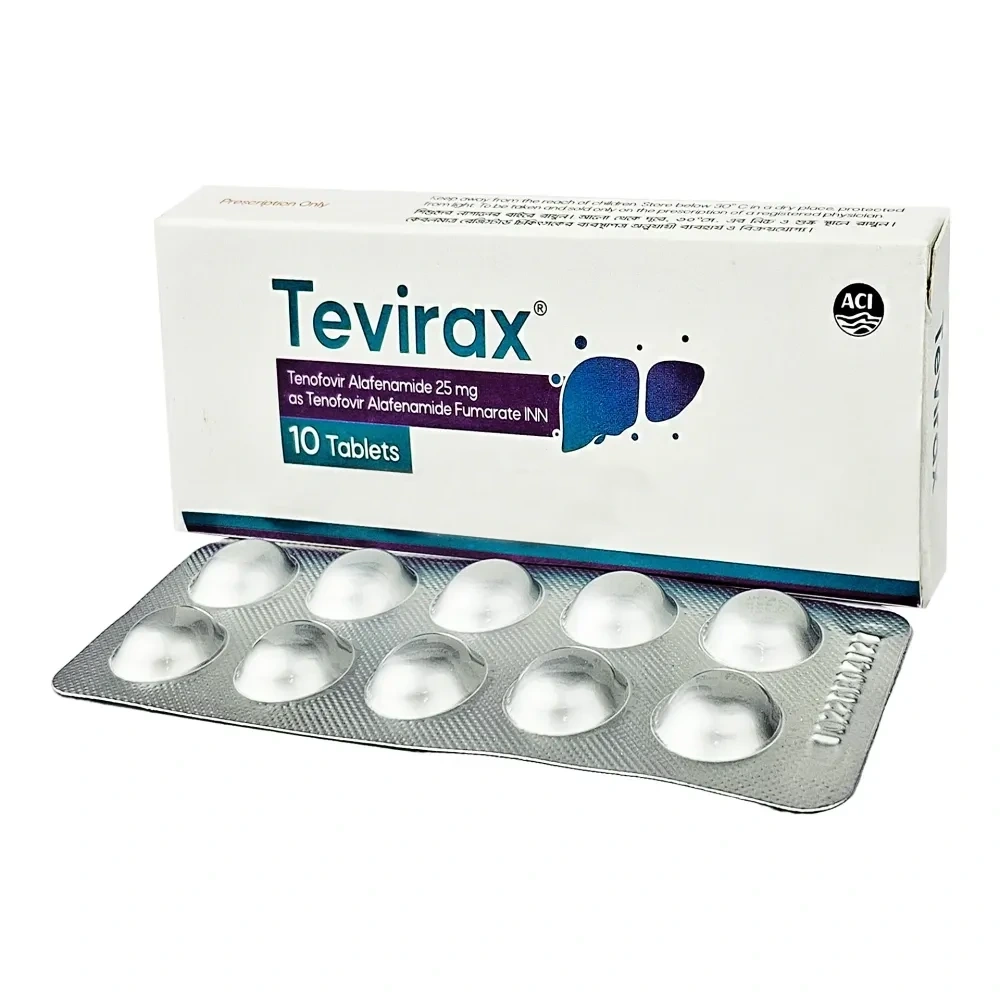
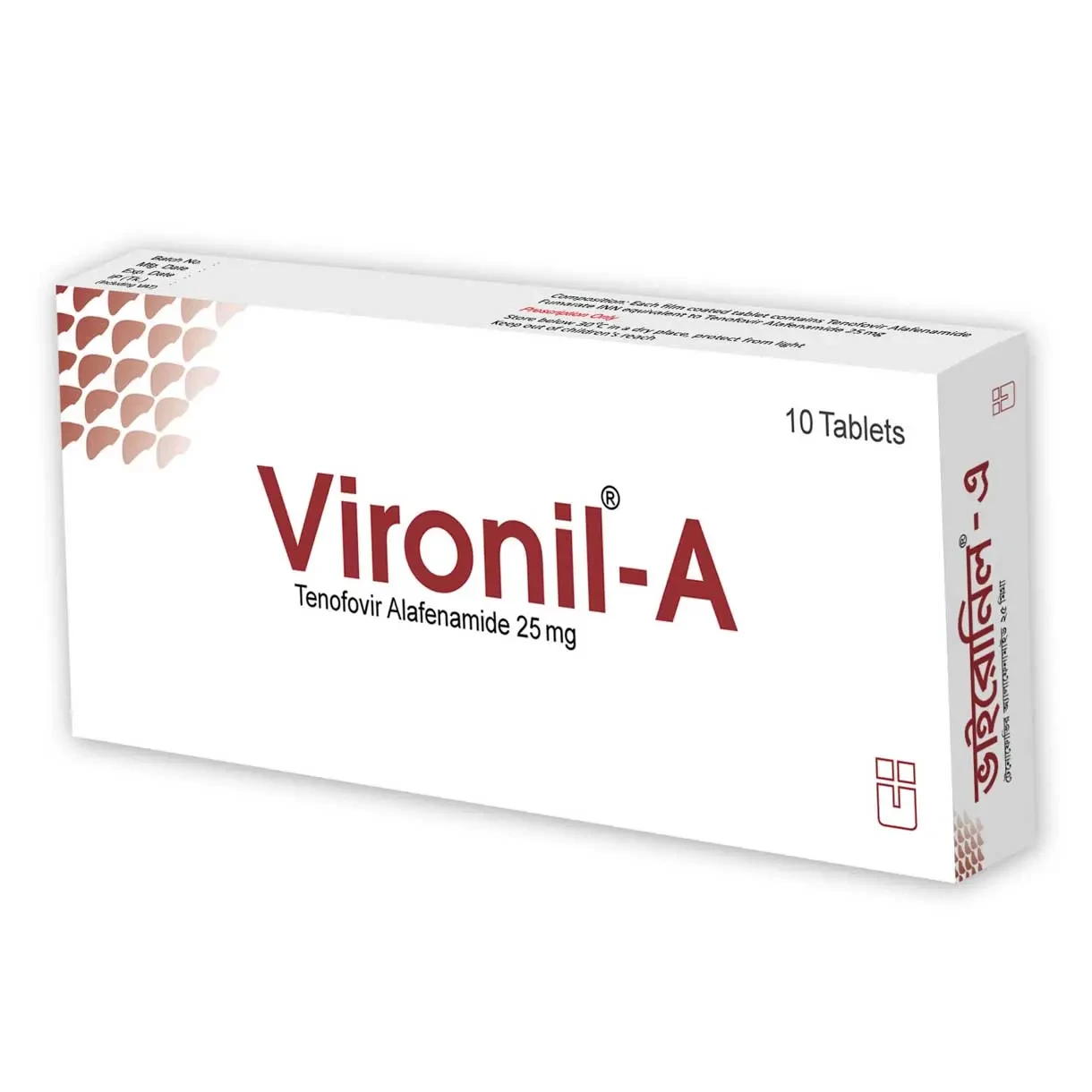
Tenofovir alafenamide is a novel tenofovir prodrug developed in order to improve renal safety when compared to the counterpart tenofovir disoproxil. Both of these prodrugs were first created to cover the polar phosphonic acid group on tenofovir by using a novel oxycarbonyloxymethyl linkers to improve the oral bioavailability and intestinal diffusion. Tenofovir alafenamide is an alanine ester form characterized for presenting low systemic levels but high intracellular concentration. It has been reported to produce a large antiviral efficacy at doses ten times lower than tenofovir disoproxil. Tenofovir alafenamide is indicated to treat chronic hepatitis B, treat HIV-1, and prevent HIV-1 infections.
Uses
Tenofovir alafenamide is a nucleoside analog reverse transcriptase inhibitor used for the treatment of chronic hepatitis B virus infection in adults with compensated liver disease.
Tenofovir alafenamide is indicated for the treatment of chronic hepatitis B in adult patients with compensated liver disease.
In combination with emtricitabine and other antiretrovirals, it is indicated for the treatment of HIV-1 infection in adolescent and adult patients with a weight higher than 35 kg. This combination is also indicated to prevent HIV-1 infections in high risk adolescent and adult patients, excluding patients at risk from receptive vaginal sex. When combined with antiretrovirals other than protease inhibitors that require a CYP3A inhibitor, it can be used to treat pediatric patients weighing 25-35 kg.
In the combination product with emtricitabine and bictegravir, tenofovir alafenamide is considered as a complete regimen for the treatment of HIV-1 infection in treatment-naive patients or in patients virologically suppressed for at least 3 months with no history of treatment failure.
Additionally, the combination product including elvitegravir, cobicistat, emtricitabine and tenofovir alafenamide and the combination product including emtricitabine, rilpivirine and tenofovir alafenamide can be used in the treatment of HIV-1 infection in patients older than 12 years with no previous antiretroviral therapy history or who are virologically suppressed for at least 6 months with no history of treatment failure.
The combination product including darunavir, cobicistat, emtricitabine, and tenofovir alafenamide is indicated for the treatment of HIV-1 infection in adults without prior antiretroviral therapy or in patients virologically suppressed for 6 months and no reported resistance to darunavir or tenofovir.
Associated Conditions
Pharmacodynamics
Tenofovir alafenamide has been shown to be a potent inhibitor of hepatitis B viral replication.
Tenofovir alafenamide presents a better renal tolerance when compared with the counterpart tenofovir disoproxil. This improved safety profile seems to be related to a lower plasma concentration of tenofovir.
In clinical trials, tenofovir alafenamide was shown to present 5-fold more potent antiviral activity against HIV-1 when compared to tenofovir disoproxil.
Mechanism of Action
Tenofovir alafenamide presents 91% lower plasma concentration with an intracellular presence of about 20-fold higher when compared to tenofovir disoproxil. This is due to its prolonged systemic exposure and its higher intracellular accumulation of the active metabolite tenofovir diphosphate.
Tenofovir alafenamide accumulates more in peripheral blood mononuclear cells compared to red blood cells.
Once activated, tenofovir acts with different mechanisms including the inhibition of viral polymerase, causing chain termination and the inhibition of viral synthesis. To know more about the specific mechanism of action of the active form, please visit the drug entry of tenofovir.
Absorption
As compared to the parent molecule, tenofovir, tenofovir alafenamide presents a lipophilic group that masks the negative charge of the parent moiety which improves its oral bioavailability.
Tenofovir alafenamide is highly stable in plasma and, after administration of this prodrug, there is a low concentration of tenofovir in plasma. After oral administration, tenofovir alafenamide is rapidly absorbed by the gut. When a single dose is administered, a peak concentration of 16 ng/ml of the parent compound, corresponding to about 73% of the dose, is observed after 2 hours with an AUC of 270 ng*h/mL. Once inside the body, tenofovir alafenamide enters hepatocytes by passive diffusion regulated by the organic anion transporters 1B1 and 1B3 for its activation.
Administration of tenofovir alafenamide concomitantly with a high-fat meal results in an increase of about 65% in its internal exposure.
Volume of Distribution
In clinical trials, the reported volume of distribution of tenofovir alafenamide was higher than 100 L.
Protein Binding
Tenofovir alafenamide is reported to bind to plasma proteins and ex vivo studies have registered that approximately 80% of the administered dose of this drug is presented in a bound state.
Route of Elimination
Tenofovir alafenamide has been registered to present a bile elimination that corresponds to 47% of the administered dose and a renal elimination the represents about 36%. From the recovered dose in urine, about 75% is represented as unchanged tenofovir followed by uric acid and a small dose of tenofovir alafenamide. On the other hand, in feces, 99% of the recovered dose corresponds to tenofovir.
Half Life
The reported half-life for tenofovir alafenamide is of 0.51 hours.
Clearance
The reported clearance rate of tenofovir alafenamide is 117 L/h. In patients with severe renal impairment, this value can be decreased by 50%, reporting a rate of 61.7 L/h.
Toxicity
The LD50 of tenofovir alafenamide has not been reported. In cases of overdose, continuous monitoring of vital signs is required as the adverse effects in high doses has not been evaluated. However, in case of overdose, tenofovir is efficiently removed by hemodialysis with an extraction coefficient of 54%.
Carcinogenic reports have only been performed with tenofovir disoproxil and it is important to consider that tenofovir alafenamide does not present a high systemic exposure. However, long-term exposure with 10-fold dosages of tenofovir disoproxil was reported to produce liver adenomas in females. Tenofovir alafenamide was not reported to present mutagenic potential and it did not present effects on fertility.
Food Interactions
- Take at the same time every day.
- Take with or without food. Recommendations vary from product to product - consult individual product monographs for additional information.
Dosage
Recommended Dosage in Adults: The recommended dosage of Tenofovir alafenamide is 25 mg (one tablet) taken orally once daily with food.
Dosage in Patients with Renal Impairment: No dosage adjustment of Tenofovir alafenamide is required in patients with estimated creatinine clearance greater than or equal to 15 ml per minute or in patients with end stage renal disease (ESRD; estimated creatinine clearance below 15 ml per minute) who are receiving chronic hemodialysis. On days of hemodialysis administer Tenofovir alafenamide after completion of hemodialysis treatment. Tenofovir alafenamide is not recommended in patients with ESRD who are not receiving chronic hemodialysis.
Dosage in Patients with Hepatic Impairment: No dosage adjustment of Tenofovir alafenamide is required in patients with mild hepatic impairment (Child-Pugh A). Tenofovir alafenamide is not recommended in patients with decompensated (Child-Pugh B or C) hepatic impairment.
Pediatric Use: Safety and effectiveness of Tenofovir alafenamide in pediatric patients less than 18 years of age have not been established.
Geriatric Use: In clinical trials, Tenofovir alafenamide was administered to 89 subjects aged 65 and over. No clinically significant differences in safety or efficacy have been observed between elderly subjects and subjects between 18 and less than 65 years of age.