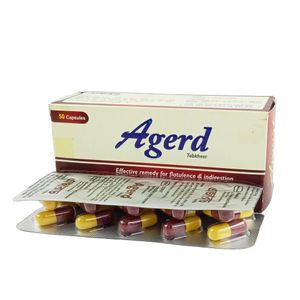
Introduction
Tabkheer is a traditional herbal preparation used in various cultures for its medicinal properties. It is typically composed of natural ingredients and is used for a variety of health benefits. The specific formulation and use of Tabkheer can vary depending on the region and the traditional practices followed.
Uses
Tabkheer is commonly used for:
- Supporting respiratory health and alleviating symptoms of cough and colds
- Improving digestion and treating digestive disorders
- Enhancing general well-being and boosting immunity
- Providing relief from inflammation and pain
The exact uses can vary based on the specific ingredients and preparation of Tabkheer.
Mechanism of Action
The mechanism of action for Tabkheer depends on its specific ingredients, which often include various herbs and spices. Generally, the mechanism involves:
- Anti-inflammatory effects: Ingredients may reduce inflammation and soothe irritated tissues.
- Antioxidant properties: Helps combat oxidative stress and neutralize free radicals.
- Expectorant action: Ingredients may help in clearing mucus from the respiratory tract.
- Digestive support: Assists in improving digestion and reducing gastrointestinal discomfort.
How Long Does It Take to Work?
The time it takes for Tabkheer to work can vary depending on the condition being treated and the individual’s health status. Generally, users may start to experience benefits within a few days to a week of consistent use. For chronic conditions, longer-term use may be required to observe significant improvements.
Absorption
The absorption of Tabkheer's active ingredients occurs primarily in the gastrointestinal tract. The rate and extent of absorption depend on the solubility and bioavailability of the specific herbs and compounds used in the preparation.
Route of Elimination
Elimination of Tabkheer’s components is primarily through the liver and kidneys. Metabolites of the herbs and compounds are typically excreted via urine and feces. The exact route can vary based on the nature of the ingredients and their metabolism.
Dosage
1-2 capsule(s) daily or as prescribed by the physician.The dosage of Tabkheer should be determined based on the specific formulation and the condition being treated. It is generally advised to follow the dosage instructions provided by the manufacturer or a healthcare provider. Dosage can range from a few milliliters of a liquid preparation to several capsules or tablets, depending on the product.
Administration
Tabkheer is typically administered orally. It can come in various forms such as liquid extracts, tablets, capsules, or powders. It is important to follow the specific administration instructions provided with the product to ensure proper use.
Side Effects
Potential side effects of Tabkheer may include:
- Gastrointestinal discomfort, such as nausea or upset stomach
- Allergic reactions to specific herbs or ingredients
- Dizziness or headaches in some individuals
Side effects are usually mild and can be minimized by following the recommended dosage. Consult a healthcare provider if any severe or persistent symptoms occur.
Toxicity
While Tabkheer is generally considered safe when used as directed, excessive use or high doses of certain herbs can lead to toxicity. Symptoms of toxicity might include severe gastrointestinal distress, liver dysfunction, or allergic reactions. Adhere to recommended dosages to avoid toxicity.
Precautions
Precautions include:
- Consult a healthcare provider before starting Tabkheer, especially if you are pregnant, breastfeeding, or have any underlying health conditions.
- Be cautious with dosage to avoid potential side effects or interactions with other medications.
Interaction
Interactions may occur with:
- Prescription medications, potentially altering their effectiveness or increasing the risk of adverse effects
- Other herbal supplements, which may interact or amplify each other’s effects
Discuss all medications and supplements with a healthcare provider to manage potential interactions effectively.
Disease Interaction
Tabkheer should be used with caution in individuals with:
- Chronic diseases or conditions that may interact with the herbal components
- Specific health issues requiring restricted intake of certain herbs or compounds
Drug Interaction
Drug interactions may include:
- Altered effectiveness of certain medications
- Increased risk of adverse effects when used with specific drugs
Consult a healthcare provider to avoid potential drug interactions.
Food Interactions
Food interactions can vary depending on the ingredients in Tabkheer. Generally, combining the supplement with a balanced diet can enhance its benefits. However, be cautious with foods that may affect the absorption or effectiveness of the herbal components.
Pregnancy Use
The use of Tabkheer during pregnancy should be supervised by a healthcare provider. Ensure that the product does not contain ingredients that are contraindicated during pregnancy and that it meets the specific nutritional needs of pregnant women.
Lactation Use
During lactation, Tabkheer can generally be used, but it is essential to consult a healthcare provider to ensure that it is appropriate and safe for both the mother and the breastfeeding infant.
Acute Overdose
In the event of an acute overdose, symptoms may include severe gastrointestinal distress, dizziness, or other signs of toxicity. Seek immediate medical attention for appropriate management and treatment.
Contraindication
Contraindications may include:
- Allergy or sensitivity to any of the ingredients
- Specific medical conditions requiring restriction of certain herbs
Use Direction
Follow the specific directions provided on the product label or by a healthcare provider. Do not exceed the recommended dosage and use the product consistently as directed for best results.
Storage Conditions
Store Tabkheer in a cool, dry place, away from direct sunlight and moisture. Keep out of reach of children. Follow the storage instructions provided on the packaging to maintain product quality.
Volume of Distribution
The volume of distribution for the herbal components in Tabkheer varies based on their specific properties and formulation. It generally refers to how extensively the nutrients or active compounds are distributed throughout the body after absorption.
Half Life
The half-life of the herbal components in Tabkheer depends on their individual properties and metabolism. Some components may have a short half-life and be rapidly eliminated, while others may have a longer duration of action.
Clearance
The clearance of the ingredients in Tabkheer is primarily through the liver and kidneys. The rate of clearance can be influenced by individual metabolism, dosage, and overall health status.