Introduction
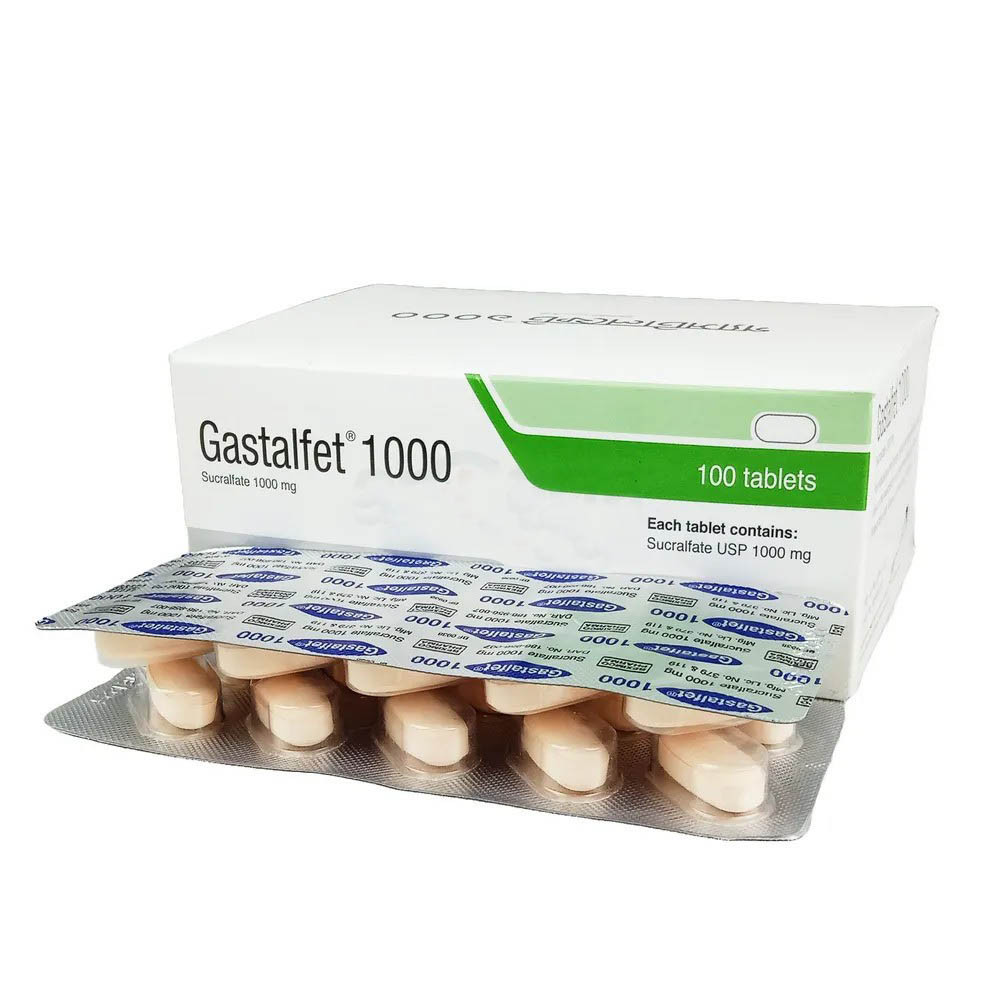
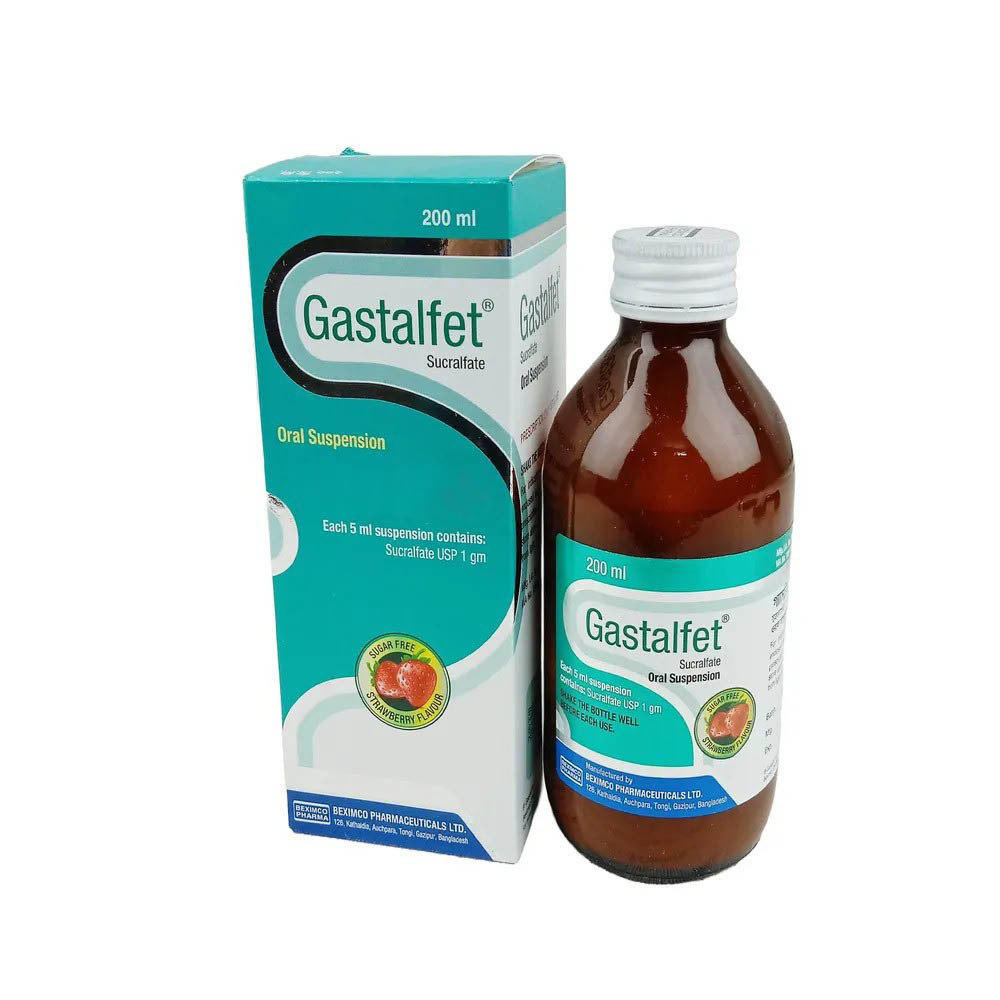
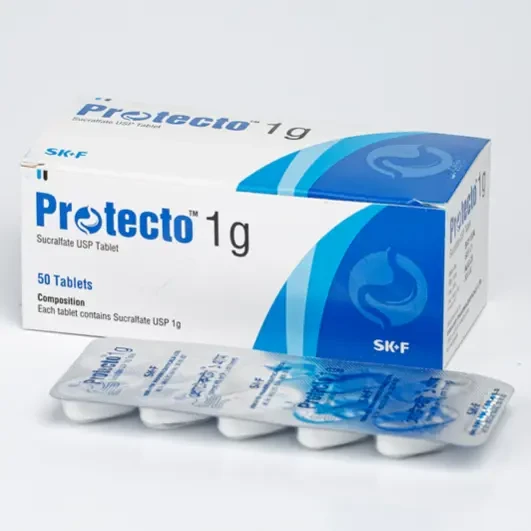
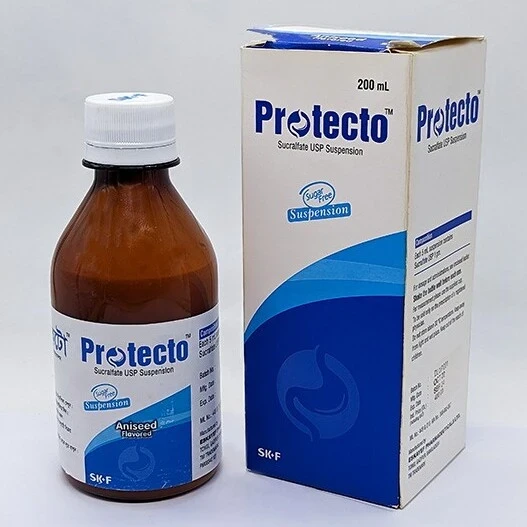
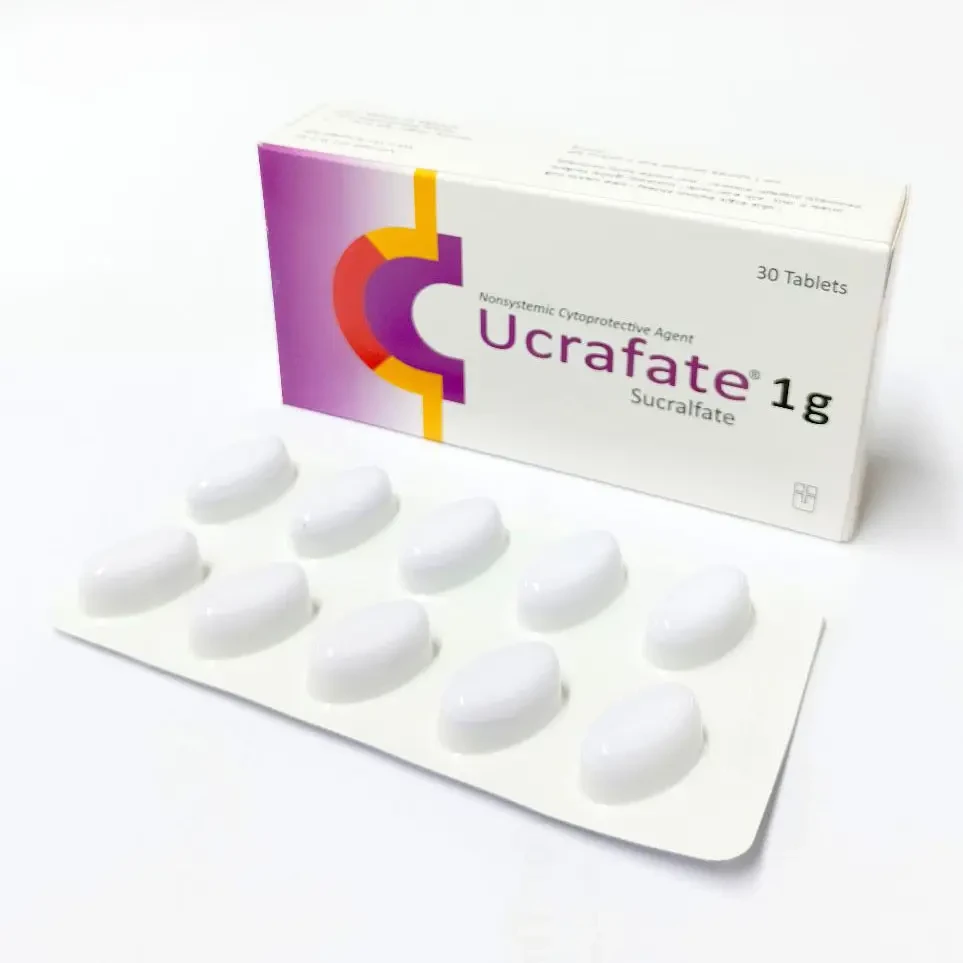
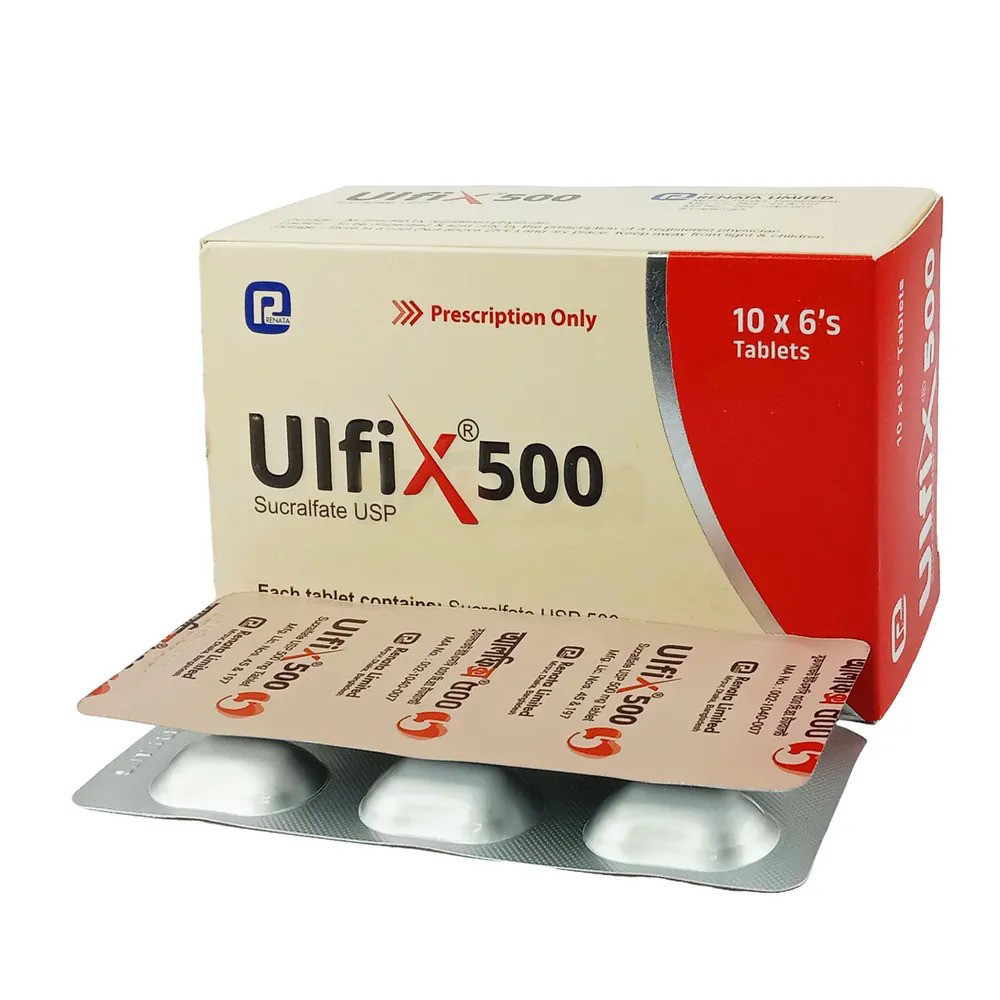
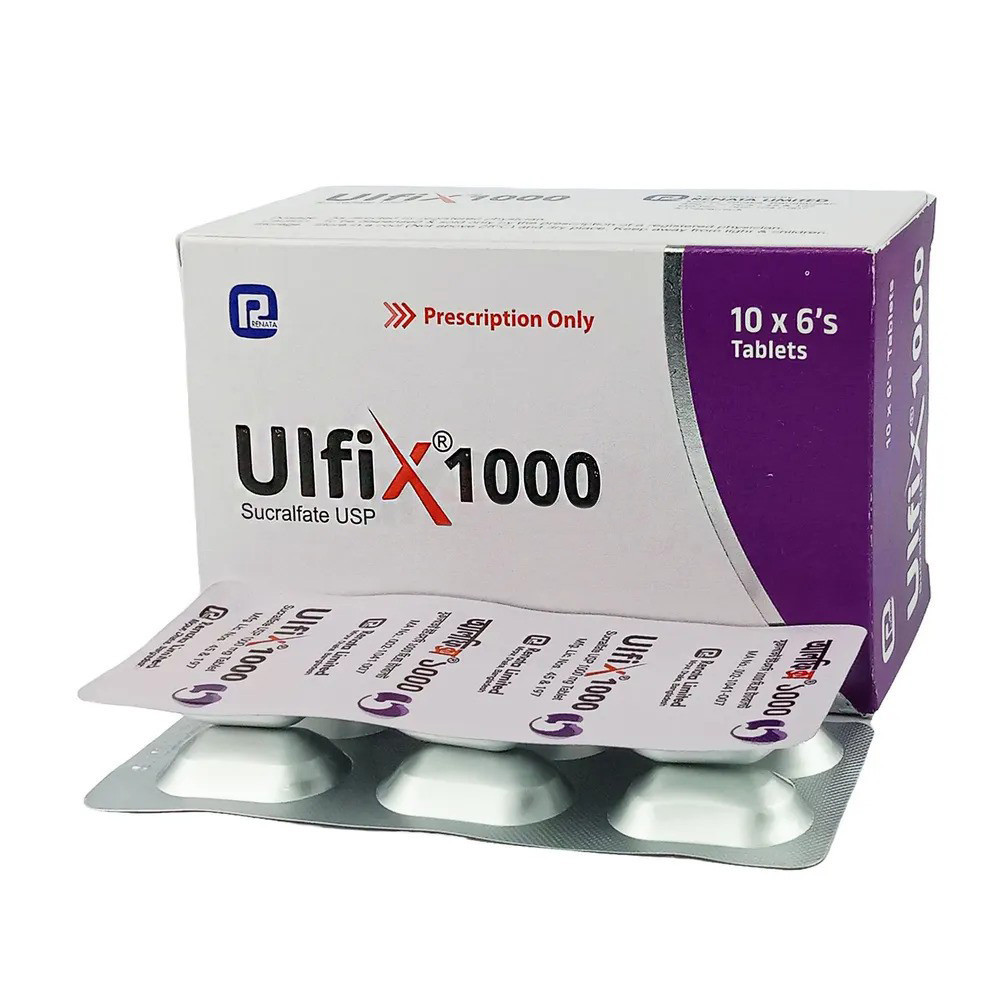
Sucralfate is a medication that is widely used to prevent and treat a number of diseases in the gastrointestinal tract such as duodenal ulcers , gastro-esophageal reflux disease (GERD), gastritis, peptic ulcer disease, stress ulcer, in addition to dyspepsia . It is considered a cytoprotective agent, protecting cells in the gastrointestinal tract from damage caused by agents such as gastric acid, bile salts, alcohol, and acetylsalicylic acid (aspirin), among other substances .
Sucralfate has been shown to be a well-tolerated and safe drug.
Uses
Sucralfate is a gastro-duodenal protective agent used in the treatment of gastric and duodenal ulcers and to prevent duodenal ulcer recurrence.
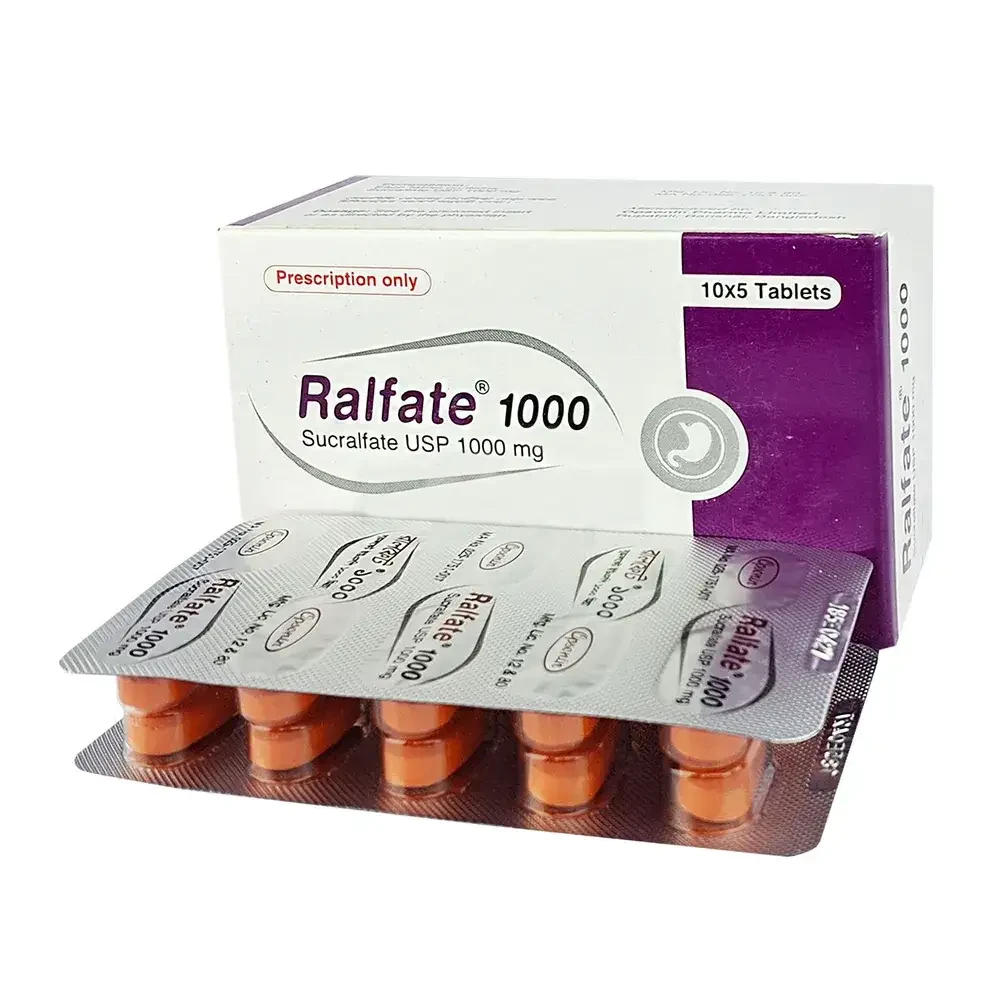
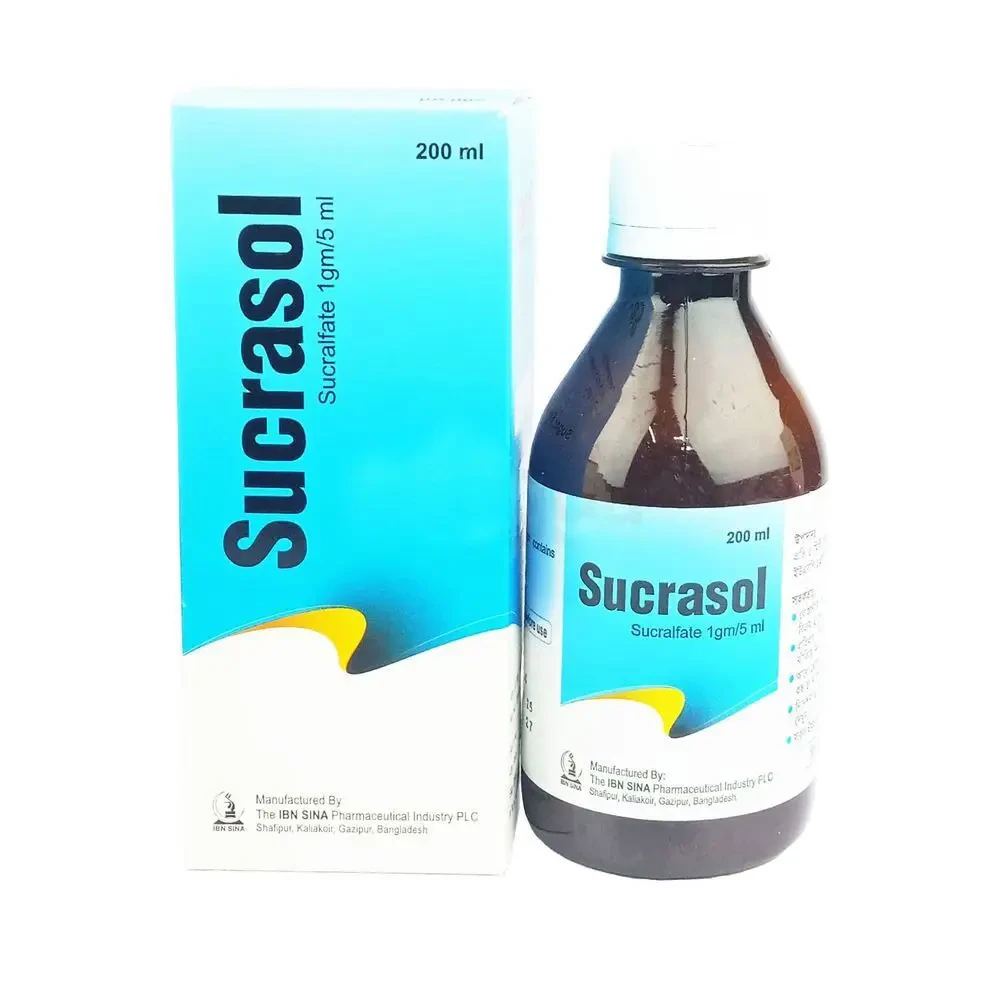
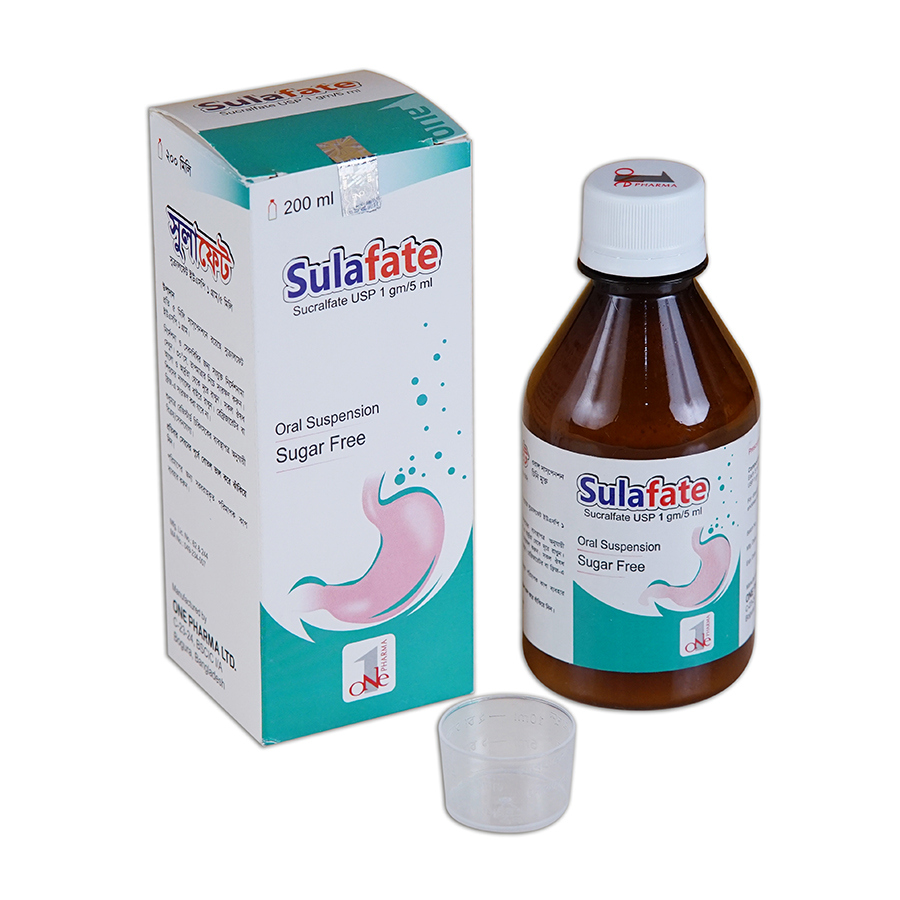
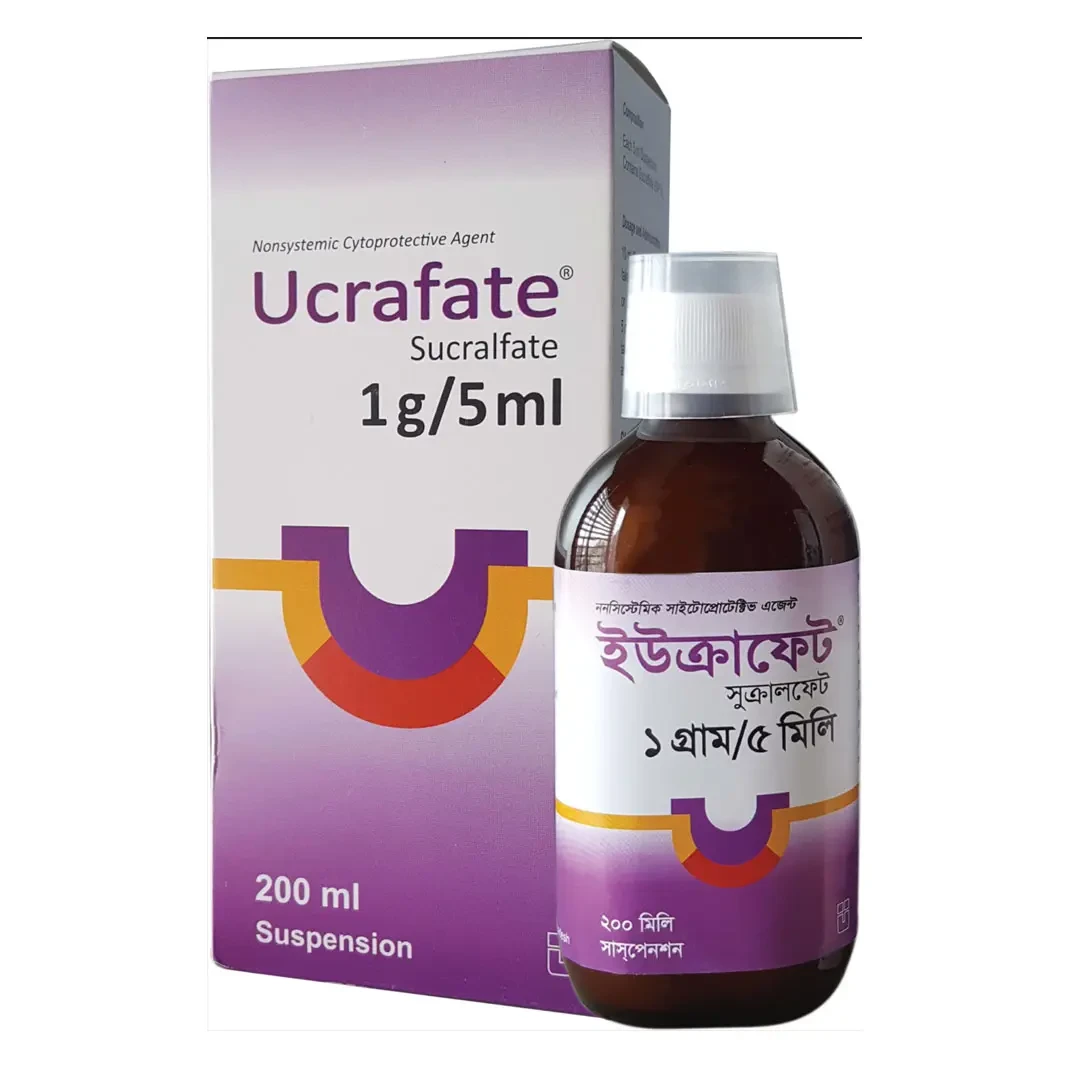
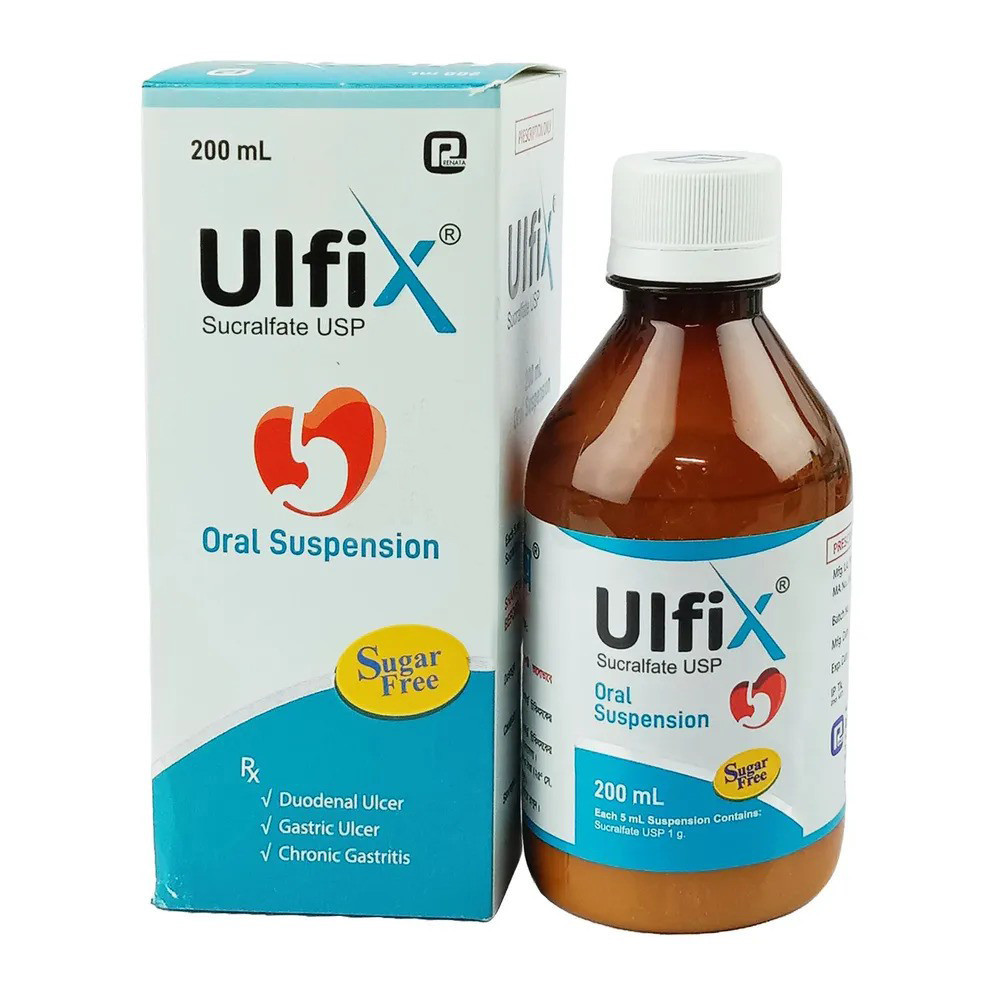
The sucralfate suspension and tablet are used for the treatment of active duodenal ulcer for up to 8 weeks. The tablet form may be used at a lower dose for healed duodenal ulcers, for the purpose of maintaining healing and preventing recurrence .
Sucralfate is also used in the prevention and/or treatment of gastro-esophageal reflux disease (GERD), gastritis, peptic ulcer disease, stress ulcer, in addition to dyspepsia .
Associated Conditions
Pharmacodynamics
This drug aids in the healing of duodenal ulcers, relieving painful inflammation by creating a protective mechanical barrier between the lining or skin of the gastrointestinal tract and damaging substances . In addition, sucralfate acts to increase levels of growth factors locally, and also causes an increase in prostaglandins which are important in the healing of the mucosa (lining) of the gastrointestinal tract .
Mechanism of Action
The mechanism of action of this drug in the healing duodenal ulcers is not yet completely defined, however, there are several probable mechanisms that adequately describe the healing activity of sucralfate. There is evidence that sucralfate acts locally to aid in tissue healing, and not systemically .
Studies in both humans and animals have indicated that sucralfate forms a complex that binds to protein-rich exudate found on the surface of ulcers. It binds to albumin and fibrinogen preventing blood clot lysis by stomach acid (hydrochloric acid). Sucralfate increases the tissue levels of fibroblast growth factors and epidermal growth factors , leading to an increase in prostaglandins at the gastrointestinal tract lining, which promote the healing of gastrointestinal ulcers .
In the laboratory setting, a sucralfate-albumin film provides a barrier against the entry of hydrogen ions, which are a component of gastric acid. In humans, sucralfate, given at therapeutic doses for ulcers, decreases pepsin activity in gastric fluids by 32% . Pepsin has been shown to be damaging to tissues, further aggravating ulcer lesion inflammation . Bile salts have been implicated in mucosal injury to the gastrointestinal tract . Sucralfate has also been shown to adsorb bile salts in the laboratory, setting, which could further contribute to its beneficial effects in ulcer healing .
Absorption
This drug is absorbed from the gastrointestinal tract in very minimal quantities . The adsorbed sulfated disaccharide is excreted in the urine . This drug contains aluminum and after the administration of 1 g of sucralfate 4 times per day, about 0.001% to 0.017% of this aluminum content is absorbed in patients with normal renal function . This number is expected to increase in those with impaired renal function .
Volume of Distribution
This drug is absorbed in a very small quantity, and normally localizes to inflamed gastrointestinal lesions .
Protein Binding
Sucralfate is bound to plasma proteins, especially albumin and transferrin .
Route of Elimination
The negligible amount of this drug that is absorbed is excreted mainly in the urine within 48 hours .
Half Life
The half-life is not known. In animals, the elimination half-life of the sucrose component of this drug is from 6-20 h .
Clearance
Sucralfate contains aluminum. The administration of sucralfate in non-dialyzed chronic renal failure patients warrants careful consideration from the treating physician as the excretion of absorbed aluminum may be decreased, causing possible aluminum toxicity .
In dialyzed patients diagnosed with chronic renal failure, aluminum toxicity related to sucralfate has been observed and reported. The daily amount of aluminum ingestion (including sucralfate) should be carefully examined before administering sucralfate in combination with other drugs also containing aluminum, including various antacids .
Toxicity
Overdose
Overdosage has never been observed with sucralfate . It is unlikely, as administering a maximum dose of up to 12 g/kg/body weight in several animal species did not result in death. The lethal dose could not be determined in these studies . It is likely that overdose of sucralfate in humans would result in constipation, and supportive treatment would be advised .
Use in pregnancy
This drug is considered a pregnancy Category B drug. Studies have been performed in rodents and rabbits at doses up to 50 times the recommended human dose. No harm to the fetus has been observed in the abovementioned studies. Sufficient and well-controlled clinical trials have not been performed in pregnant women. Due to the fact that the results of animal studies are not always relevant to human response, sucralfate should be used during pregnancy only if it is deemed essential for the mother's health .
Use in nursing
Whether this drug is excreted in human milk is currently unknown. Many drugs are excreted in breast milk, therefore, if sucralfate is administered to a lactating and nursing woman, caution should be observed .
Carcinogenesis
24 month toxicity studies were performed in rodents, and the dose of sucralfate reached up to 1 g/kg (equivalent to 12 times the recommended human dose). No signs of sucralfate-related tumors were noted.
Food Interactions
- Take on an empty stomach. Take at least 1 hour before or 2 hours after meals.
- Take separate from antacids. Take at least 30 minutes before or after antacids.
Dosage
- Adults: The usual dose is Sucralfate 2 gm twice daily to be taken on rising and at bedtime or Sucralfate 1 gm four times a day to be taken 1 hour before meals and at bedtime. Maximum daily dose is 8 gm but up to twelve weeks may be necessary in resistant cases.
- Pediatric population: The safety and efficacy of Sucralfate in children under 14 years of age has not been established.
- Elderly: There are no special dosage requirements for elderly patients but as with all medicines the lowest effective dose should be used.
- Adults: The usual dose is Sucralfate 1 gm orally or via a nasogastric tube 4 to 6 times a day. To prevent clogging of the nasogastric tube flush with 10 ml of water following each administration. The duration of treatment for prophylaxis of stress ulceration must be individually determined. Treatment should be continued for as long as one or more of the risk factors for stress ulceration is present but normally not for more than 14 days.