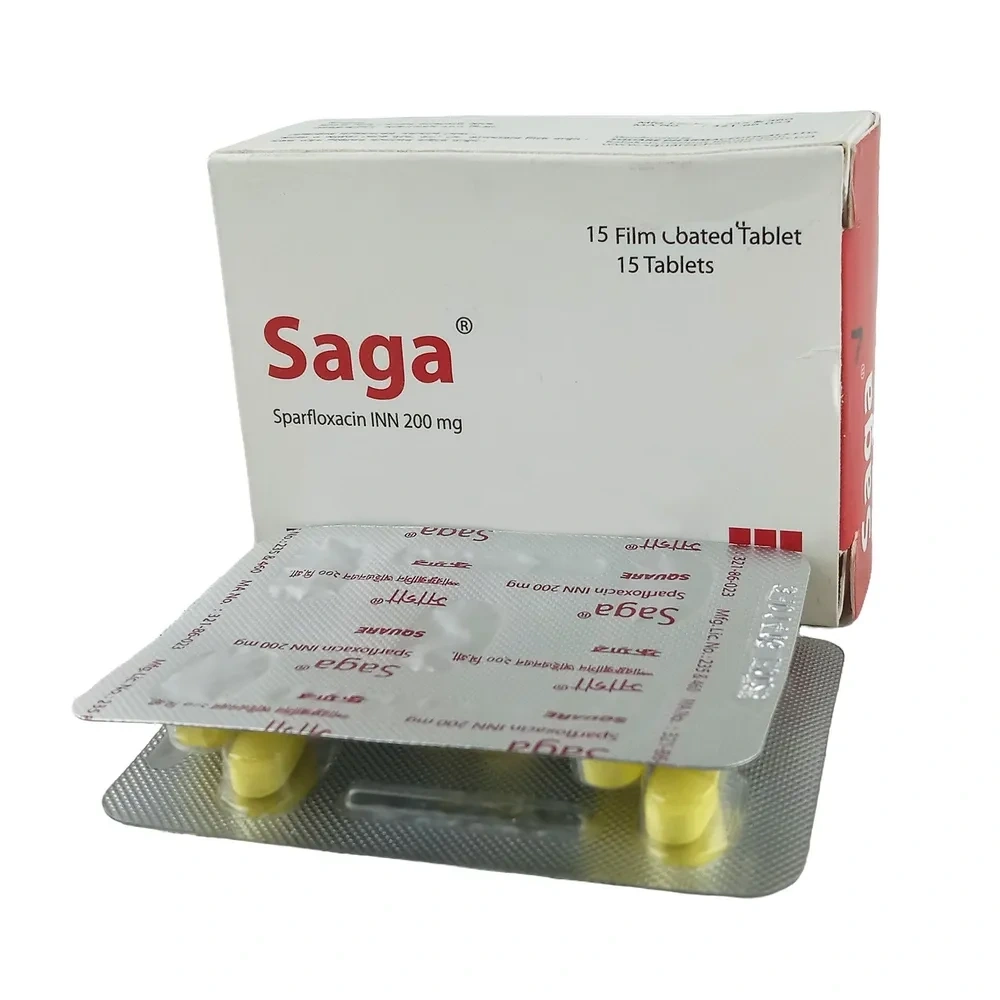
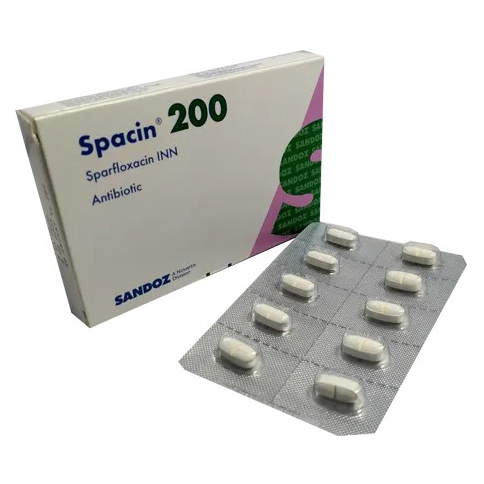
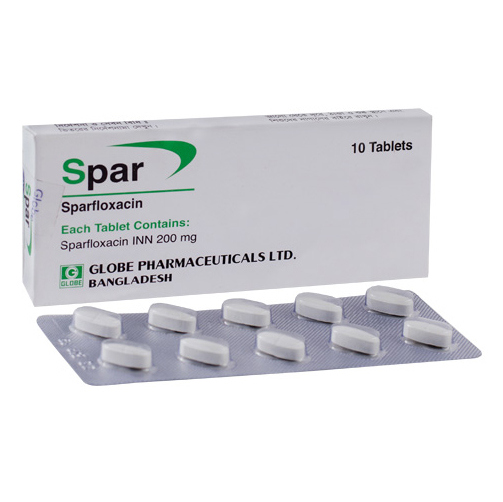
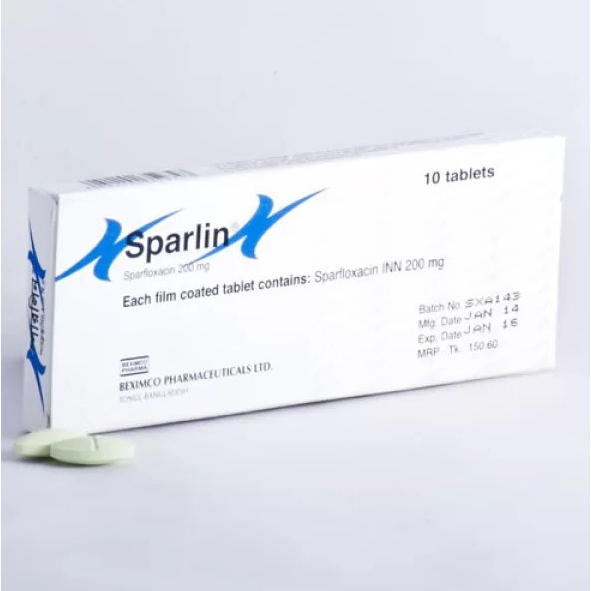
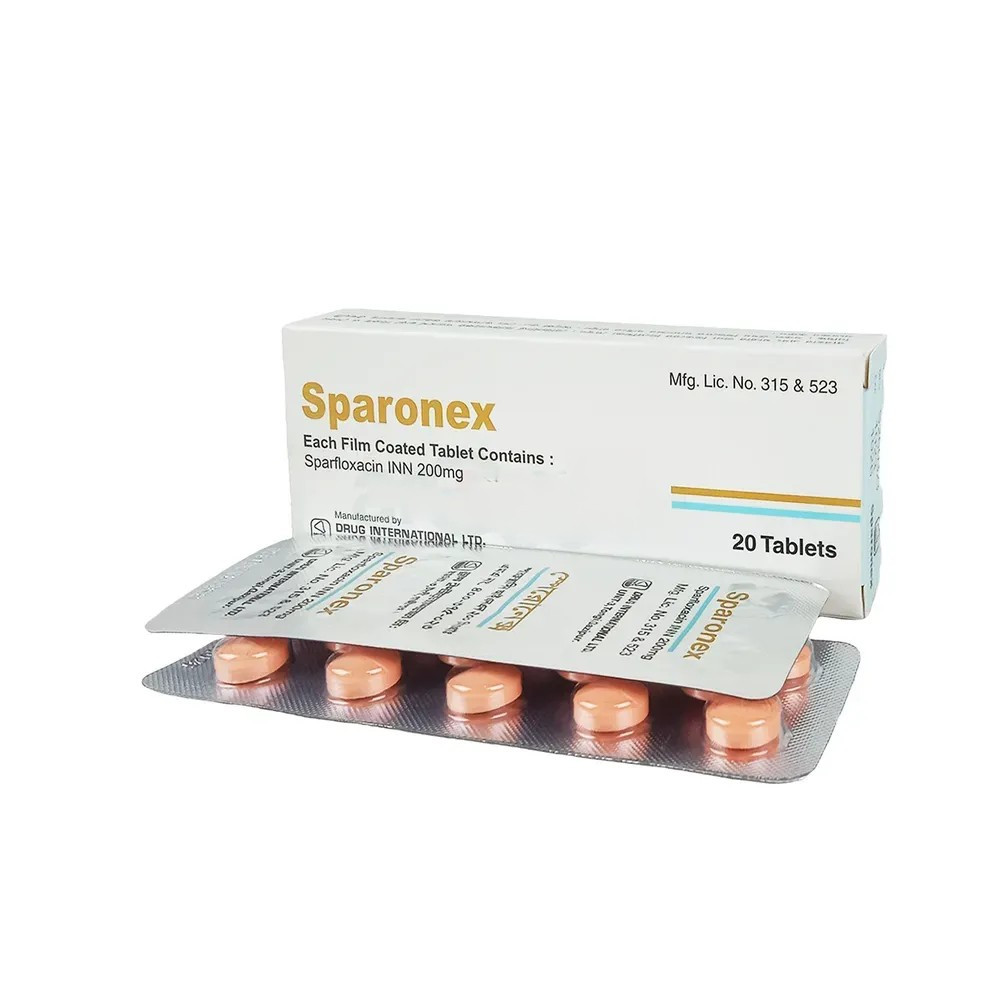
Generic Name Sparfloxacin
Bangla Name স্পার্ফ্লোক্সাসিন
Available brands 18
Language

Introduction

Sparfloxacin is a fluoroquinolone antibiotic indicated for bacterial infections. Sparfloxacin exerts its antibacterial activity by inhibiting DNA gyrase, a bacterial topoisomerase. DNA gyrase is an essential enzyme which controls DNA topology and assists in DNA replication, repair, deactivation, and transcription.

Uses

Sparfloxacin is a fluoroquinolone antibiotic used to treat bacterial respiratory infections and sinusitis.

For the treatment of adults with the following infections caused by susceptible strains microorganisms: community-acquired pneumonia (caused by Chlamydia pneumoniae, Haemophilus influenzae, Haemophilus parainfluenzae, Moraxella catarrhalis, Mycoplasma pneumoniae, or Streptococcus pneumoniae) and acute bacterial exacerbations of chronic bronchitis (caused by Chlamydia pneumoniae, Enterobacter cloacae, Haemophilus influenzae, Haemophilus parainfluenzae, Klebsiella pneumoniae, Moraxella catarrhalis, Staphylococcus aureus, or Streptococcus pneumoniae).

Associated Conditions

  • Acute Sinusitis
  • Chronic Obstructive Airways Disease Exacerbated
  • Community Acquired Pneumonia (CAP)
  • Susceptible infections

Pharmacodynamics

Sparfloxacin is a synthetic fluoroquinolone broad-spectrum antimicrobial agent in the same class as ofloxacin and norfloxacin. Sparfloxacin has in vitro activity against a wide range of gram-negative and gram-positive microorganisms. Sparfloxacin exerts its antibacterial activity by inhibiting DNA gyrase, a bacterial topoisomerase. DNA gyrase is an essential enzyme which controls DNA topology and assists in DNA replication, repair, deactivation, and transcription. Quinolones differ in chemical structure and mode of action from (beta)-lactam antibiotics. Quinolones may, therefore, be active against bacteria resistant to (beta)-lactam antibiotics. Although cross-resistance has been observed between sparfloxacin and other fluoroquinolones, some microorganisms resistant to other fluoroquinolones may be susceptible to sparfloxacin. In vitro tests show that the combination of sparfloxacin and rifampin is antagonistic against Staphylococcus aureus.

Mechanism of Action

The bactericidal action of sparfloxacin results from inhibition of the enzymes topoisomerase II (DNA gyrase) and topoisomerase IV, which are required for bacterial DNA replication, transcription, repair, and recombination.

Absorption

Well absorbed following oral administration with an absolute oral bioavailability of 92%. Unaffected by administration with milk or food, however concurrent administration of antacids containing magnesium hydroxide and aluminum hydroxide reduces the oral bioavailability of sparfloxacin by as much as 50%.

Protein Binding

Low plasma protein binding in serum at about 45%.

Half Life

Mean terminal elimination half-life of 20 hours (range 16-30 hours). Prolonged in patients with renal impairment (creatinine clearance <50 mL/min).

Toxicity

Single doses of sparfloxacin were relatively non-toxic via the oral route of administration in mice, rats, and dogs. No deaths occurred within a 14-day post-treatment observation period at the highest oral doses tested, up to 5000 mg/kg in either rodent species, or up to 600 mg/kg in the dog. Clinical signs observed included inactivity in mice and dogs, diarrhea in both rodent species, and vomiting, salivation, and tremors in dogs.
Dosage

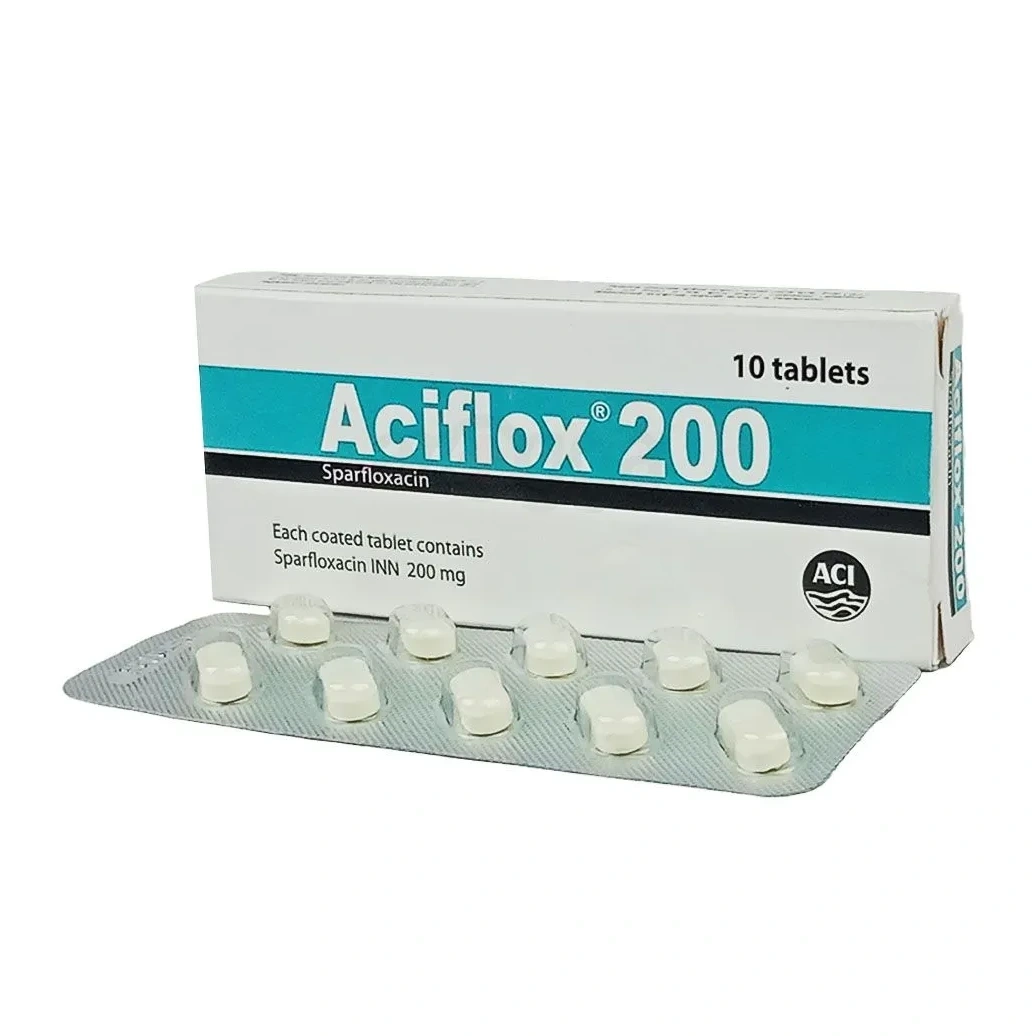
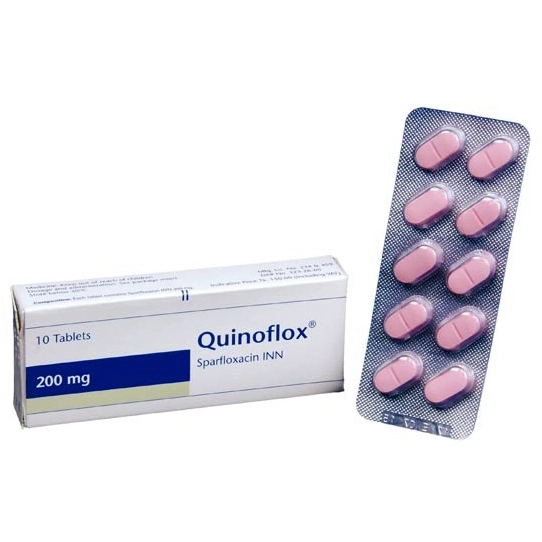
The recommended daily dose of Sparfloxacin‚ in patients with normal renal function is two 200 mg tablets taken on the first day as a loading dose. Thereafter, one 200 mg tablet should be taken every 24 hours for a total of 10 days of therapy (11 tablets). The recommended daily dose of Sparfloxacin‚ in patients with renal impairment (creatinine clearance <50 mL/min) is two 200 mg tablets taken on the first day as a loading dose. Thereafter, one 200-mg tablet should be taken every 48 hours for a total of 9 days of therapy (6 tablets).

Frequently Asked Questions About Sparfloxacin

1. What is Sparfloxacin?

Sparfloxacin is a fluoroquinolone antibiotic used to treat bacterial infections, particularly respiratory tract infections, urinary tract infections, and skin infections. It works by inhibiting bacterial DNA replication.

2. How does Sparfloxacin work?

Sparfloxacin inhibits bacterial DNA gyrase and topoisomerase IV, enzymes necessary for DNA replication and repair. This prevents bacteria from multiplying and leads to their eventual death.

3. What infections does Sparfloxacin treat?

Sparfloxacin is used to treat:

- Pneumonia

- Bronchitis

- Sinus infections

- Urinary tract infections

- Skin and soft tissue infections

- Sexually transmitted infections (STIs)

4. Is Sparfloxacin available over the counter?

No, Sparfloxacin is a prescription medication and should be taken under a doctor's supervision.

5. What forms does Sparfloxacin come in?

Sparfloxacin is available in tablet form, usually as 200 mg or 400 mg doses.

6. How should Sparfloxacin be taken?

- It should be taken as prescribed by a doctor.

- Usually taken once or twice daily with water.

- Can be taken with or without food.

- Avoid dairy products and antacids within 2 hours of taking Sparfloxacin, as they can reduce absorption.

7. What is the usual dosage of Sparfloxacin?

- Typical adult dosage: 200-400 mg per day for 5-10 days, depending on the infection.

- Dosage may be adjusted for patients with kidney disease.

8. How long does Sparfloxacin take to work?

Symptoms often improve within a few days, but the full course of medication must be completed to prevent antibiotic resistance.

9. Can Sparfloxacin be taken with other medications?

It may interact with certain medications, including:

- Antacids

- Iron supplements

- Warfarin (blood thinner)

- Corticosteroids

- Antiarrhythmic drugs

10. What are the common side effects of Sparfloxacin?

Common side effects include:

- Nausea

- Vomiting

- Diarrhea

- Headache

- Dizziness

11. Can Sparfloxacin cause serious side effects?

Serious side effects may include:

- Tendonitis or tendon rupture

- Severe allergic reactions

- Irregular heartbeats

- Severe diarrhea due to Clostridium difficile infection

12. Is Sparfloxacin safe for long-term use?

No, it is usually prescribed for short-term use. Long-term use increases the risk of side effects such as tendon damage and nerve problems.

13. Can pregnant women take Sparfloxacin?

Sparfloxacin is generally not recommended during pregnancy unless absolutely necessary, as it may affect fetal development.

14. Is Sparfloxacin safe for breastfeeding mothers?

Sparfloxacin can pass into breast milk and may harm a nursing baby. Consult a doctor before use.

15. Can children take Sparfloxacin?

Sparfloxacin is not usually recommended for children under 18 years due to the risk of joint and tendon problems.

16. Can Sparfloxacin be used for pneumonia?

Yes, it is commonly prescribed for bacterial pneumonia.

17. Can Sparfloxacin be used for urinary tract infections?

Yes, it is effective against many bacteria that cause UTIs.

18. Does Sparfloxacin provide immediate relief?

No, it starts working within a few hours, but symptom relief may take a few days.

19. How does Sparfloxacin compare to Ciprofloxacin?

Both are fluoroquinolones, but Ciprofloxacin has broader coverage for urinary tract infections, while Sparfloxacin is often preferred for respiratory infections.

20. Can Sparfloxacin cause kidney problems?

It is eliminated through the kidneys, so patients with kidney disease should use it cautiously.

21. Can Sparfloxacin cause bloating?

Some users may experience bloating or stomach discomfort.

22. Does Sparfloxacin affect blood sugar levels?

Yes, it can cause blood sugar fluctuations, especially in diabetic patients.

23. Can Sparfloxacin be taken on an empty stomach?

Yes, but taking it with food may reduce stomach upset.

24. Can Sparfloxacin cause dizziness?

Yes, dizziness is a possible side effect.

25. Can it cause photosensitivity?

Yes, Sparfloxacin can increase sensitivity to sunlight, leading to severe sunburn.

26. Can it cause allergic reactions?

Rarely, symptoms may include rash, swelling, or difficulty breathing.

27. Can it be taken with milk?

No, dairy products can interfere with its absorption.

28. Is it safe for elderly patients?

Yes, but with caution due to kidney function decline and increased risk of tendon issues.

29. Can it be taken before exercise?

Avoid intense exercise while on Sparfloxacin, as it increases the risk of tendon rupture.

30. Can it be taken with alcohol?

Alcohol should be avoided as it may worsen side effects like dizziness.

31. Can it cause muscle pain?

Yes, some users report muscle or joint pain.

32. Can it be taken with probiotics?

Yes, probiotics can help prevent antibiotic-related diarrhea.

33. Can it be used for sinus infections?

Yes, it is sometimes prescribed for bacterial sinusitis.

34. Can it be used for traveler’s diarrhea?

It may be prescribed for severe cases caused by bacterial infections.

35. Can it be taken daily?

Yes, as prescribed, but for a limited duration.

36. Can it cause liver damage?

Rarely, but patients with liver disease should use caution.

37. Does it affect sleep?

It may cause insomnia in some individuals.

38. Can it be taken with painkillers?

Yes, but avoid NSAIDs like ibuprofen, which may increase the risk of side effects.

39. Does it reduce stomach pain?

It helps if the pain is due to infection, but may cause stomach upset.

40. Can it be stopped abruptly?

No, completing the full course is necessary to prevent antibiotic resistance.

41. Can it be taken with vitamins?

Yes, but avoid taking calcium, magnesium, or iron supplements within 2 hours.

42. Does it weaken the immune system?

No, but long-term antibiotic use may disrupt gut flora.

43. Can it be used for STIs?

Yes, it is effective against certain STIs.

44. Can it cause fatigue?

Fatigue is a possible side effect.

45. Can it cause irregular heartbeat?

Rarely, it may cause QT prolongation.

46. Can it be used for ear infections?

Yes, if the infection is bacterial.

47. Can it be used in hospitals?

Yes, it is sometimes used for hospital-acquired infections.

48. Can it be taken after food?

Yes, taking it after food may reduce stomach discomfort.

49. Is it addictive?

No, it is not habit-forming.

50. Can it be used for bronchitis?

Yes, it is commonly prescribed for bacterial bronchitis.

Medical review

Last reviewed: 24 Jul 2026

Medically reviewed by:

This is general information, not personal medical advice. Consult a doctor before taking any medicine.

Taking medicines without doctor's advice can cause long-term problems.
Brand medicines containing Sparfloxacin