Introduction
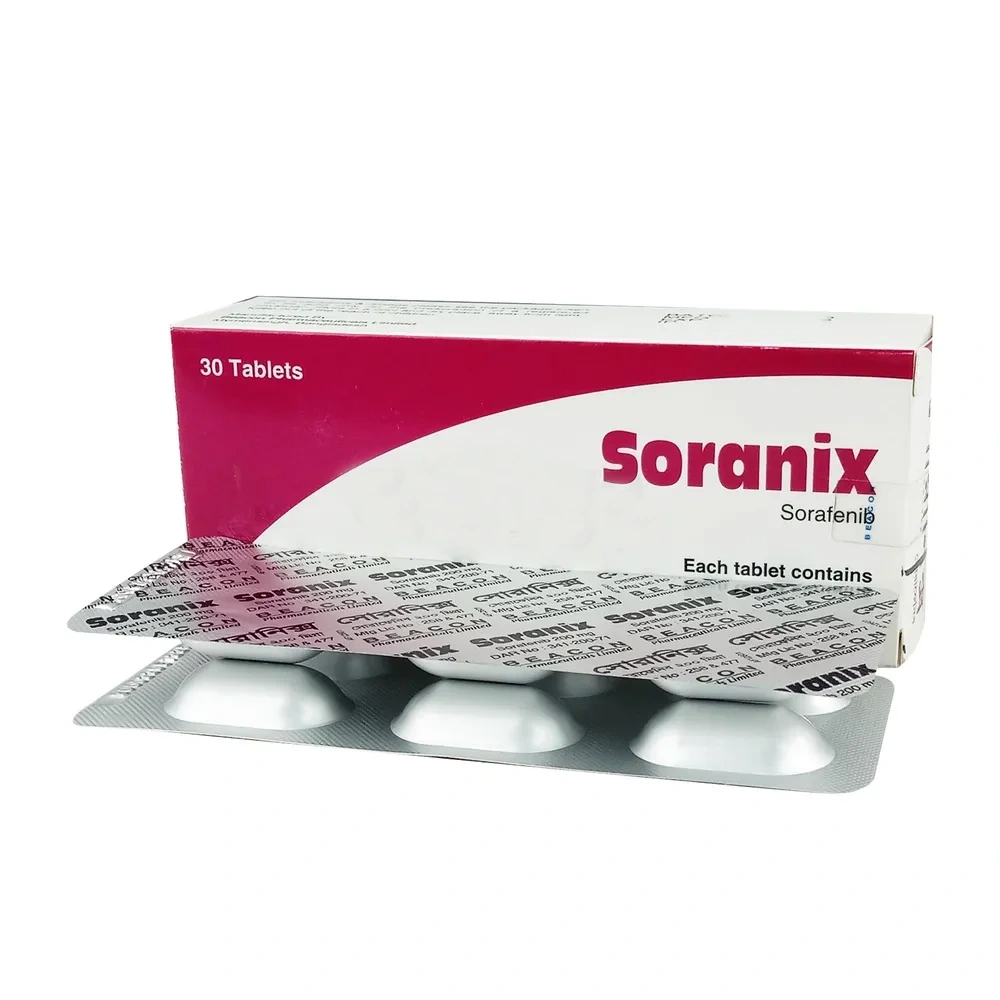
Sorafenib is a drug approved for the treatment of advanced renal cell carcinoma (primary kidney cancer). It has also received "Fast Track" designation by the FDA for the treatment of advanced hepatocellular carcinoma (primary liver cancer), and has since performed well in Phase III trials. Sorafenib is a small molecular inhibitor of Raf kinase, PDGF (platelet-derived growth factor), VEGF receptor 2 & 3 kinases and c Kit the receptor for Stem cell factor. A growing number of drugs target most of these pathways. The originality of Sorafenib lays in its simultaneous targeting of the Raf/Mek/Erk pathway.
Uses
Sorafenib is a kinase inhibitor used in the treatment of unresectable liver carcinoma and advanced renal carcinoma.
Sorafenib is indicated for the treatment of unresectable hepatocellular carcinoma and advanced renal cell carcinoma.
Associated Conditions
Pharmacodynamics
No large changes in QTc interval were observed. After one 28-day treatment cycle, the largest mean QTc interval change of 8.5 ms (upper bound of two-sided 90% confidence interval, 13.3 ms) was observed at 6 hours post-dose on day 1 of cycle 2.
Mechanism of Action
Sorafenib interacts with multiple intracellular (CRAF, BRAF and mutant BRAF) and cell surface kinases (KIT, FLT-3, VEGFR-2, VEGFR-3, and PDGFR-ß). Several of these kinases are thought to be involved in angiogenesis, thus sorafenib reduces blood flow to the tumor. Sorafenib is unique in targeting the Raf/Mek/Erk pathway. By inhibiting these kinases, genetic transcription involving cell proliferation and angiogenesis is inhibited.
Absorption
The mean relative bioavailability is 38-49% for the tablet form, when compared to an oral solution. Sorafenib reached peak plasma levels in 3 hours following oral administration. With a high-fat meal, bioavailability is reduced by 29% compared to administration in the fasted state.
Protein Binding
99.5% bound to plasma proteins.
Route of Elimination
Following oral administration of a 100 mg dose of a solution formulation of sorafenib, 96% of the dose was recovered within 14 days, with 77% of the dose excreted in feces, and 19% of the dose excreted in urine as glucuronidated metabolites.
Half Life
25-48 hours
Toxicity
The highest dose of sorafenib studied clinically is 800 mg twice daily. The adverse reactions observed at this dose were primarily diarrhea and dermatologic events. No information is available on symptoms of acute overdose in animals because of the saturation of absorption in oral acute toxicity studies conducted in animals.
Food Interactions
- Exercise caution with grapefruit products. Grapefruit inhibits CYP3A4 metabolism, which may increase the serum levels of sorafenib.
- Exercise caution with St. John's Wort. This herb induces CYP3A4 metabolism, which may reduce serum levels of sorafenib.
- Take on an empty stomach. Take sorafenib with at least one-hour separation before meals and two hours after meals.
Dosage
Management of suspected adverse drug reactions may require temporary interruption and/or dose reduction of Sorafenib therapy. When dose reduction is necessary, the Sorafenib dose may be
reduced to 400 mg once daily. If additional dose reduction is required, Sorafenib may be reduced to a single 400 mg dose every other day.
Recommended regimens and treatment duration for Sorafenib therapy.
Grade 1: Numbness, dysesthesia, paresthesia, tingling, painless swelling, erythema or discomfort of the hands or feet which does not disrupt the patient's:
- Any occurrence: Continue treatment with Sorafenib and consider topical therapy for symptomatic relief.
- 1st occurrence: Continue treatment with Sorafenib and consider topical therapy for symptomatic relief. If no improvement within 7 days, see below.
- No improvement within 7 days or 2nd or 3rd occurrence: Interrupt Sorafenib treatment until toxicity resolves to Grade 0-1 When resuming treatment, decrease Sorafenib dose by one dose level (400 mg daily or 400 mg every other day).
- 4th occurrence: Discontinue Sorafenib treatment.
- 1st or 2nd occurrence: Interrupt Sorafenib treatment until toxicity resolves to Grade 0-1 When resuming treatment, decrease Sorafenib dose by one dose level (400 mg daily or 400 mg every other day).
- 3rd occurrence: Discontinue Sorafenib treatment.
Missed doses: If a dose of Sorafenib is missed, skip the missed dose, and take next dose at regular time. Do not double your dose of Sorafenib.