Introduction
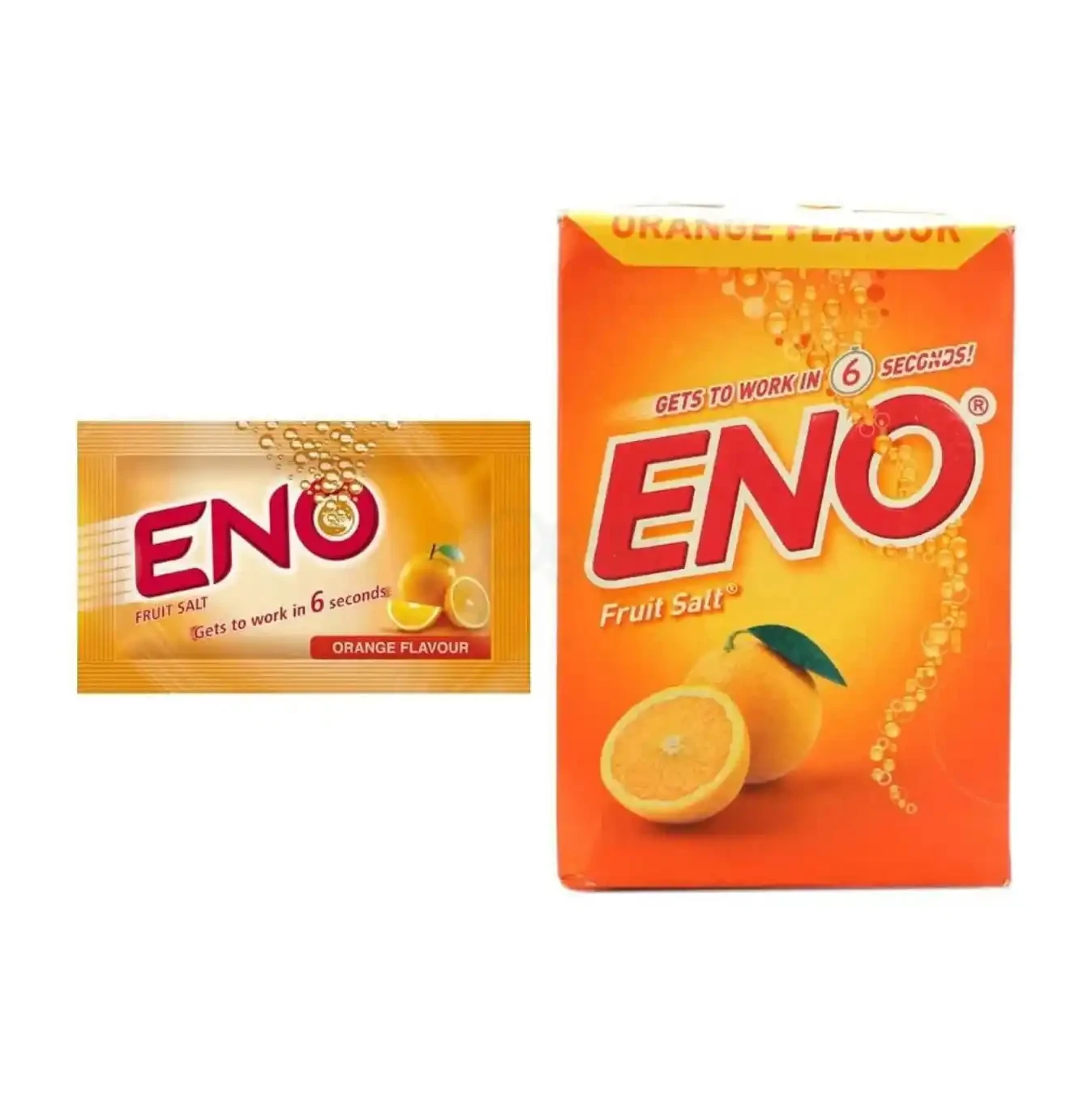
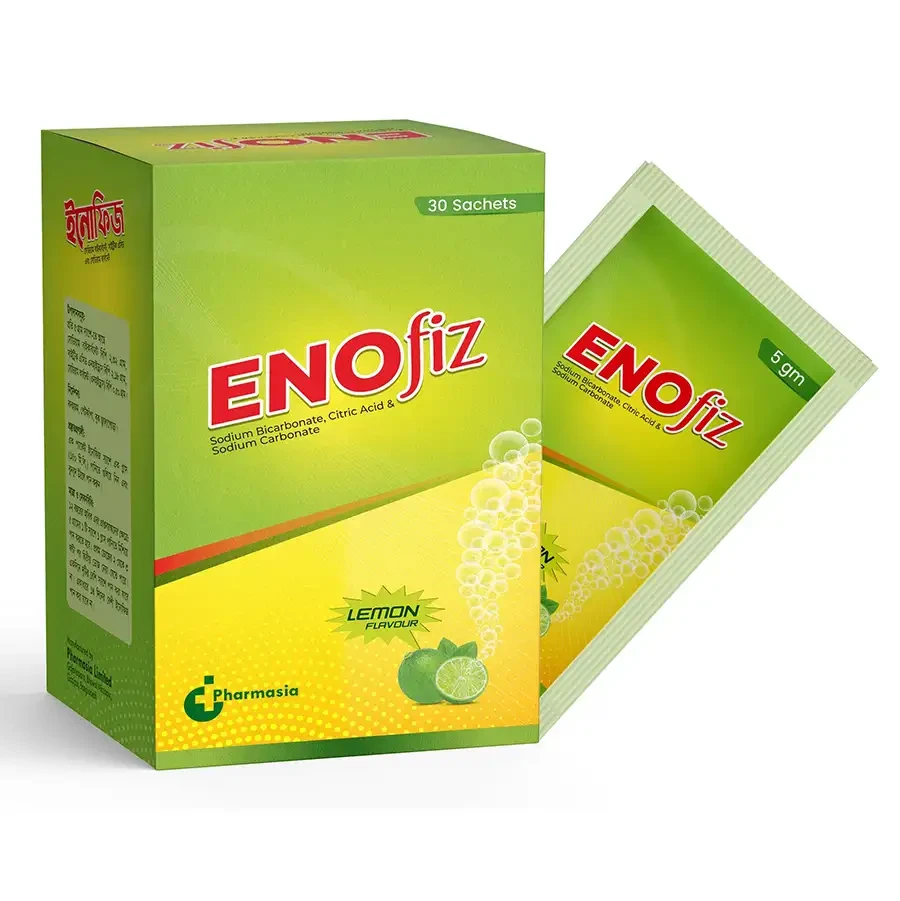
Sodium Bicarbonate + Citric Acid + Sodium Carbonate is a combination used primarily as an antacid and in the treatment of metabolic acidosis. This combination is often used in effervescent tablets or powders that dissolve in water. It works by neutralizing excess stomach acid and maintaining a balanced pH level in the body.
Uses
The combination of Sodium Bicarbonate, Citric Acid, and Sodium Carbonate is used for:
- Neutralizing stomach acid to provide relief from heartburn and indigestion.
- Treating metabolic acidosis by increasing bicarbonate levels in the body.
- Serving as an electrolyte replenisher in certain medical conditions.
Mechanism of Action
This combination works through a chemical reaction that neutralizes excess stomach acid. Sodium Bicarbonate and Sodium Carbonate act as alkaline substances that react with hydrochloric acid in the stomach to form water and salt. Citric Acid enhances this reaction by providing additional acidity, which helps in the formation of carbon dioxide gas, leading to effervescence and faster neutralization of acid.
How Long Does It Take to Work?
The onset of action is typically within 15 to 30 minutes after ingestion. The effervescent reaction allows for rapid dissolution and neutralization of stomach acid, providing quick relief from symptoms of heartburn or indigestion.
Absorption
Sodium Bicarbonate and Sodium Carbonate are rapidly absorbed in the gastrointestinal tract after ingestion. The bicarbonate ions increase the blood bicarbonate levels, which can help in correcting metabolic acidosis. Citric Acid is metabolized to bicarbonate in the body after absorption.
Route of Elimination
The components of this combination are primarily eliminated through the kidneys. Sodium and bicarbonate are filtered out of the blood and excreted in the urine. Carbon dioxide produced during the neutralization reaction is exhaled through the lungs.
Dosage
Dosage should be based on the specific product formulation and the condition being treated. Typical dosages may include:
- For antacid relief: One to two effervescent tablets or a specified dose of powder dissolved in water, taken as needed up to 4 times a day.
- For metabolic acidosis: Dosage is individualized based on blood bicarbonate levels and clinical assessment by a healthcare provider.
Administration
Administer by dissolving the prescribed amount of effervescent tablets or powder in water and drinking the solution. Follow the directions on the product label or as prescribed by a healthcare professional.
Side Effects
Possible side effects include:
- Gastrointestinal discomfort: Such as bloating, gas, or nausea.
- Electrolyte imbalances: Especially if used excessively or in individuals with renal impairment.
- Alkalosis: If used inappropriately, leading to an overly alkaline state in the body.
Toxicity
Excessive intake can lead to toxicity symptoms such as:
- Metabolic alkalosis: Symptoms include confusion, muscle twitching, and nausea.
- Hypernatremia: High sodium levels causing symptoms like swelling, headache, or high blood pressure.
Precautions
Use with caution in individuals with:
- Kidney disease: Due to the risk of electrolyte imbalances.
- Heart disease or hypertension: To avoid excessive sodium intake.
- Gastrointestinal conditions: Such as peptic ulcer disease, where acid neutralization might interfere with normal digestive processes.
Interaction
This combination may interact with other medications:
- Antacids: Excessive use may alter the effectiveness of other medications or exacerbate side effects.
- Medications requiring an acidic environment: Such as some antifungal or antibiotic drugs, which may have reduced absorption.
Disease Interaction
Individuals with:
- Chronic kidney disease: Should use this combination under medical supervision to monitor electrolyte levels.
- High blood pressure or cardiovascular conditions: Should be cautious about sodium intake.
Drug Interaction
Interactions may occur with:
- Diuretics: Potentially leading to altered electrolyte balance.
- Certain antibiotics and antifungal medications: Their absorption can be affected by changes in stomach pH.
Food Interactions
No significant food interactions are generally expected. However, consuming high-sodium or high-potassium foods in conjunction with this combination may affect overall electrolyte balance.
Pregnancy Use
Generally considered safe during pregnancy for short-term use as an antacid. However, consult with a healthcare provider to ensure appropriate use and dosage during pregnancy.
Lactation Use
Considered safe for use during lactation, but consult with a healthcare provider if there are any concerns about the potential effects on breastfeeding.
Acute Overdose
Acute overdose can lead to:
- Severe metabolic alkalosis: Resulting in symptoms like muscle twitching, confusion, and nausea.
- Excessive sodium levels: Leading to symptoms such as high blood pressure and fluid retention.
Contraindication
Contraindicated in individuals with:
- Severe renal impairment: Due to the risk of exacerbating electrolyte imbalances.
- Conditions requiring restricted sodium intake: Such as severe hypertension or heart failure.
Use Direction
Follow the dosage and administration instructions provided on the product label or by a healthcare professional. Do not exceed the recommended dosage to avoid adverse effects.
Storage Conditions
Store in a cool, dry place, away from direct sunlight and moisture. Keep tightly sealed to prevent moisture from affecting the product's efficacy.
Volume of Distribution
The volume of distribution for the individual components is not typically specified as they are rapidly absorbed and distributed throughout the body fluids.
Half Life
The half-life of the components is short. Sodium bicarbonate and sodium carbonate are rapidly absorbed and excreted, while citric acid is metabolized quickly in the body.
Clearance
Clearance of Sodium Bicarbonate, Sodium Carbonate, and Citric Acid primarily occurs through renal excretion. Sodium and bicarbonate are filtered and excreted by the kidneys, while carbon dioxide is exhaled through the lungs.