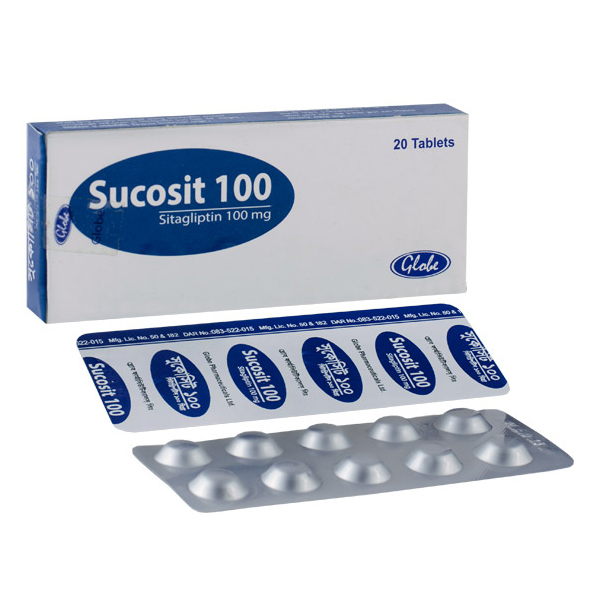
Introduction
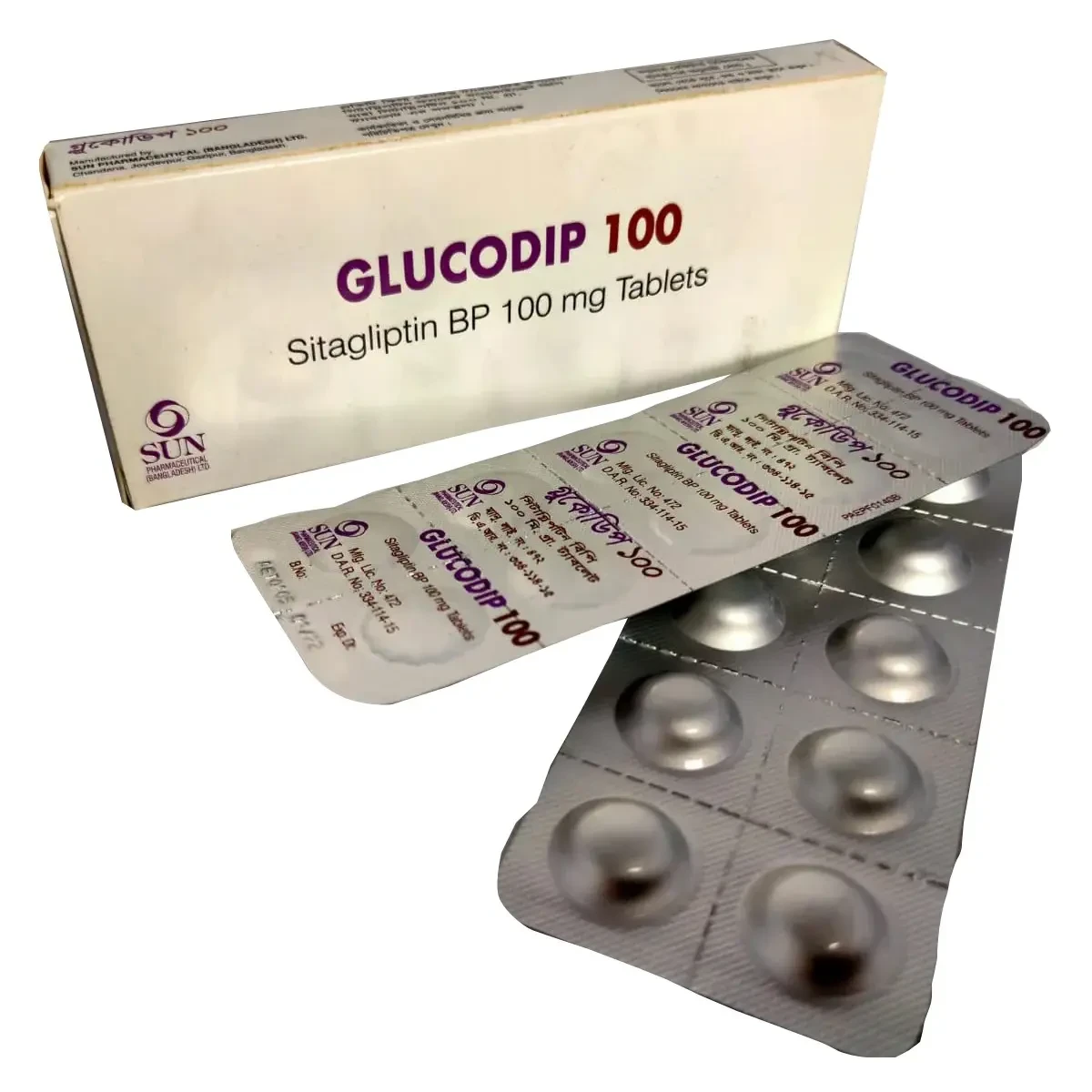
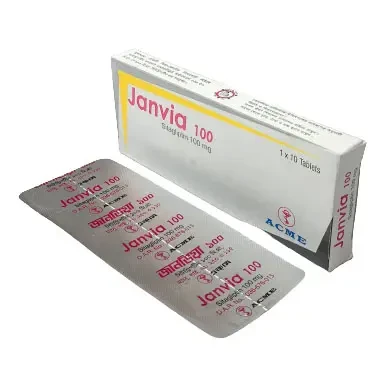
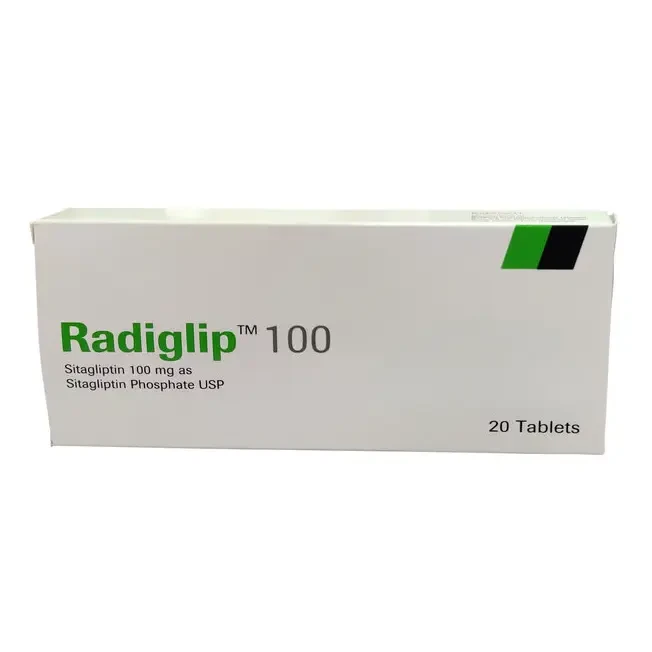
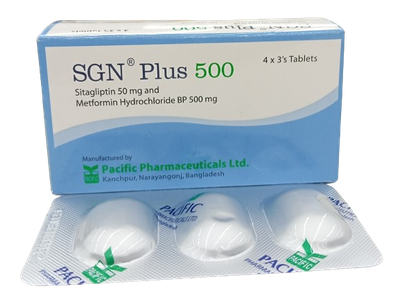
Sitagliptin is an oral dipeptidyl peptidase-4 (DPP-4) inhibitor used in conjunction with diet and exercise to improve glycemic control in patients with type 2 diabetes mellitus. The effect of this medication leads to glucose dependent increases in insulin and decreases in glucagon to improve control of blood sugar.
Uses
Sitagliptin is an oral dipeptidyl peptidase-4 (DPP-4) inhibitor used for the management of type 2 diabetes mellitus.
Sitagliptin is indicated for the management of glycemic control in type 2 diabetes mellitus along with diet and exercise.
Associated Conditions
Pharmacodynamics
Sitagliptin inhibits DPP-4 which leads to increased levels of glucagon-like peptide-1 (GLP-1) and glucose-dependent insulinotropic polypeptide(GIP), decreased levels of glucagon, and a stronger insulin response to glucose.
Mechanism of Action
Inhibition of DPP-4 by sitagliptin slows DPP-4 mediated inactivation of incretins like GLP-1 and GIP. Incretins are released throughout the day and upregulated in response to meals as part of glucose homeostasis. Reduced inhibition of incretins increase insulin synthesis and decrease glucagon release in a manner dependant on glucose concentrations. These effects lead to an overall increase in blood glucose control which is demonstrated by reduced glycosylated hemoglobin (HbA1c).
Absorption
Sitagliptin is 87% orally bioavailable and taking it with or without food does not affect its pharmacokinetics. Sitagliptin reaches maximum plasma concentration in 2 hours.
Volume of Distribution
198L.
Protein Binding
38%.
Route of Elimination
Approximately 79% of sitagliptin is excreted in the urine as the unchanged parent compound. 87% of the dose is eliminated in the urine and 13% in the feces.
Half Life
Approximately 12.4 hours. Other studies have reported a half life of approximately 11 hours.
Clearance
350mL/min.
Toxicity
Animal studies in pregnancy have shown no adverse effects on the mother or offspring at normal doses, however these results are not always applicable to humans. There is currently a voluntary registry of fetal exposure. Animal studies at 100 times the maximum recommended human dose resulted in an increase in rib malformations. Sitagliptin is excreted in the milk of rats but it is not known if it would also be expressed in human breast milk. Because many drugs are expressed in human breast milk, the risk and benefit of prescribing the medication must be considered. There is currently a lack of safety and effectiveness data in pediatric patients. No differences in safety and efficacy were observed in geriatric patients compared to younger patients, however caution should be used in this population as they are more likely to have reduced renal function. Sitagliptin has also been associated with a 34% relative risk increase for all cause infection. There was no significant difference in patient response across sex, age, race, ethnicity, and BMI.
Food Interactions
- Take with or without food.