Introduction
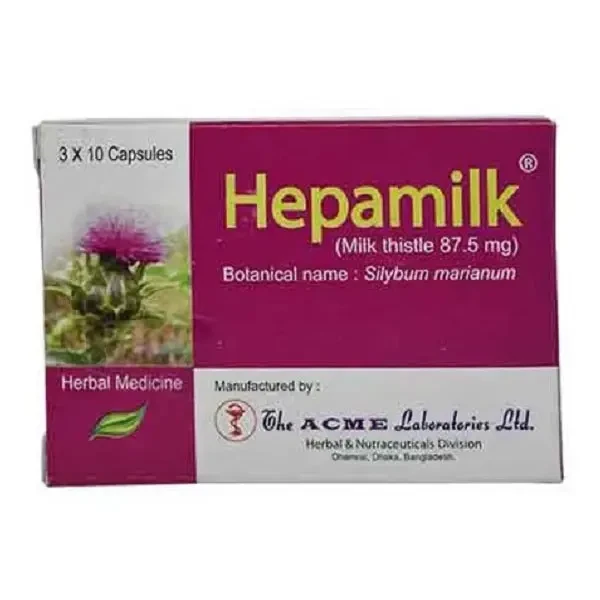
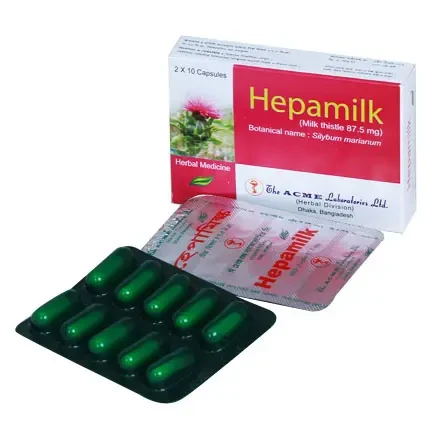
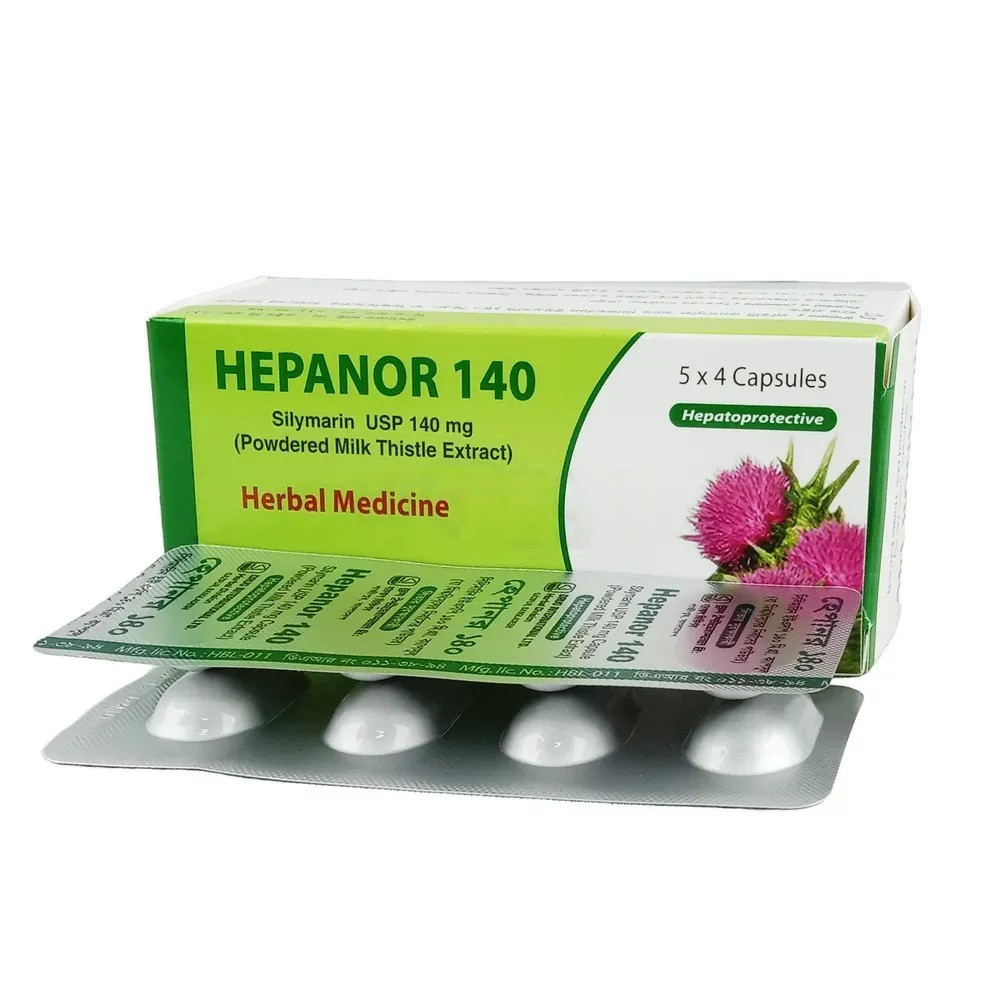
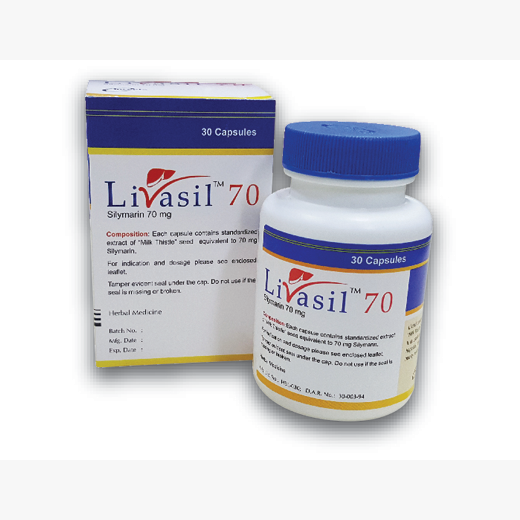
Silymarin, derived from the milk thistle plant (Silybum marianum), is a herbal supplement widely used for its liver-protective properties. It is a flavonoid complex composed primarily of silybin, silydianin, and silychristin, which are believed to contribute to its therapeutic effects.
Uses
Silymarin is commonly used for:
- Liver Health: It is used to support liver function and treat liver conditions such as cirrhosis, hepatitis, and fatty liver disease.
- Antioxidant Support: It acts as an antioxidant, protecting cells from oxidative damage caused by free radicals.
- Detoxification: It is used to enhance the liver's ability to detoxify and eliminate toxins from the body.
Mechanism of Action
Silymarin exerts its effects through several mechanisms:
- Antioxidant Activity: It neutralizes free radicals, reducing oxidative stress and cellular damage.
- Hepatoprotective Effects: It stabilizes cell membranes, inhibits liver fibrosis, and promotes liver cell regeneration.
- Anti-inflammatory Effects: It reduces inflammation in the liver and other tissues, contributing to overall health.
How Long Does It Take to Work?
The effects of silymarin may take several weeks to become noticeable. Improvement in liver function or symptoms of liver disease can generally be observed after 4 to 6 weeks of consistent use, depending on the condition being treated.
Absorption
Silymarin is absorbed in the gastrointestinal tract. However, it has low bioavailability due to poor absorption and rapid metabolism. Enhanced absorption can be achieved with formulations that include phospholipids or other absorption-enhancing agents.
Route of Elimination
Silymarin is metabolized in the liver and excreted primarily in the bile. Small amounts may also be excreted in the urine.
Dosage
The typical dosage of silymarin varies based on the formulation and purpose of use:
- Liver Support: 140-420 mg of silymarin per day, often divided into 2-3 doses.
- Antioxidant Support: Similar doses are used, with some variations based on specific formulations and individual needs.
Administration
Silymarin is usually taken orally in the form of tablets, capsules, or liquid extracts. It is best taken with food to enhance absorption and reduce gastrointestinal irritation.
Side Effects
Common side effects may include:
- Gastrointestinal disturbances such as nausea, diarrhea, or abdominal discomfort.
- Allergic reactions, including rash or itching, though these are rare.
Toxicity
Silymarin is generally considered safe when used as directed. High doses may lead to gastrointestinal issues or allergic reactions. Toxicity is rare but can occur with excessive use.
Precautions
Use silymarin with caution in individuals with allergies to plants in the Asteraceae family. Consult a healthcare provider before use if pregnant, breastfeeding, or taking other medications.
Interaction
Silymarin may interact with medications metabolized by the liver. It can also affect the absorption of certain drugs due to its effects on liver function.
Disease Interaction
Monitor use in individuals with liver conditions or those on medications affecting liver metabolism. Silymarin should be used cautiously in patients with gastrointestinal disorders.
Drug Interaction
Silymarin may interact with drugs that are metabolized by the liver, such as certain anticoagulants or anti-seizure medications. Always inform your healthcare provider of all medications and supplements being taken.
Food Interactions
Taking silymarin with food may improve its absorption and reduce gastrointestinal side effects. There are no specific food interactions, but a balanced diet supports overall liver health.
Pregnancy Use
The safety of silymarin during pregnancy has not been well-established. Consult a healthcare provider before using silymarin if pregnant or planning to become pregnant.
Lactation Use
Silymarin is generally considered safe during lactation, but it is advisable to consult a healthcare provider before use to ensure safety for both the mother and the infant.
Acute Overdose
In case of acute overdose, seek medical attention immediately. Symptoms may include severe gastrointestinal upset or allergic reactions.
Contraindication
Silymarin is contraindicated in individuals with known hypersensitivity to any component of the supplement. Use cautiously in patients with a history of allergies to plants in the Asteraceae family.
Use Direction
Follow the dosage and administration instructions provided by your healthcare provider or as indicated on the product label. Consistent use as directed is essential for optimal results.
Storage Conditions
Store silymarin in a cool, dry place, away from direct sunlight and moisture. Follow specific storage instructions on the product packaging to maintain efficacy.
Volume of Distribution
Silymarin has a relatively low volume of distribution due to its poor absorption and rapid metabolism. It primarily acts within the liver.
Half Life
The half-life of silymarin is relatively short, with estimates ranging from 6 to 10 hours. Its effects are sustained through regular dosing.
Clearance
Silymarin is primarily cleared by the liver and excreted in the bile. The clearance rate may vary based on individual liver function and dosage.