Introduction
Acarbose is an alpha-glucosidase inhibitor that lowers post-meal blood sugar and insulin spikes in Type 2 Diabetes by blocking intestinal enzymes (such as alpha-amylase and sucrase) from breaking down complex carbohydrates into absorbable simple sugars. It is used alongside diet, exercise, and other medications. However, it is rarely prescribed today due to its limited impact on long-term blood sugar levels ($A1c$), cumbersome thrice-daily dosing requirement, and significant gastrointestinal side effects.
Uses
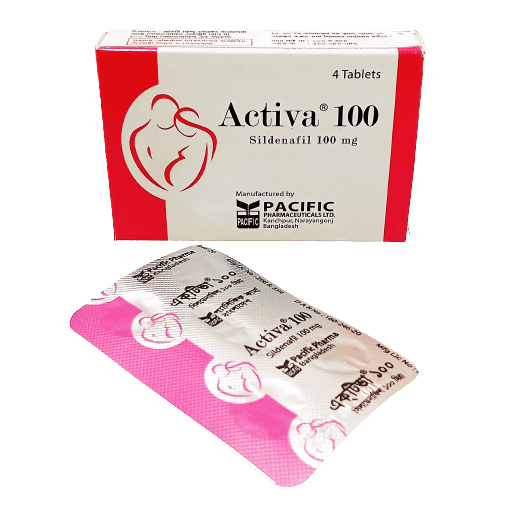
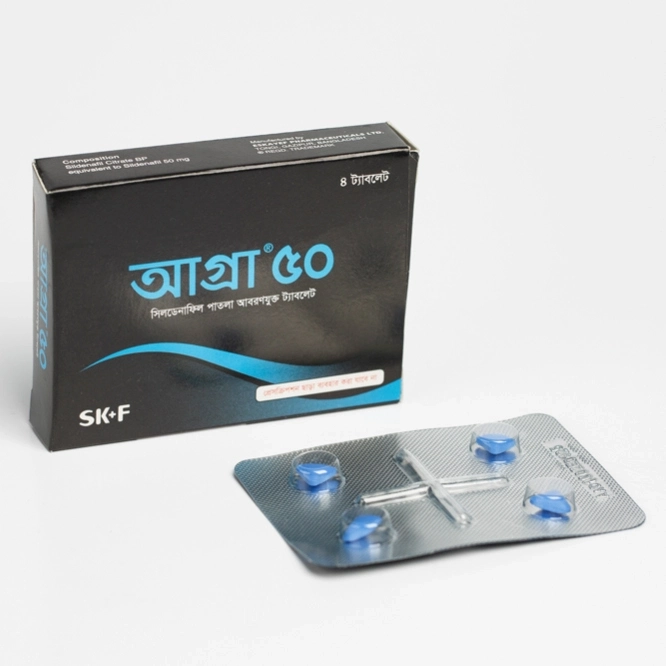
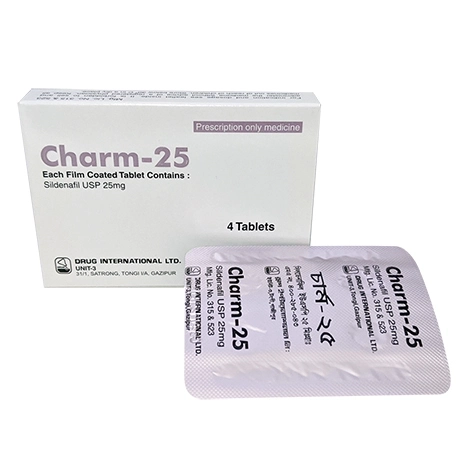
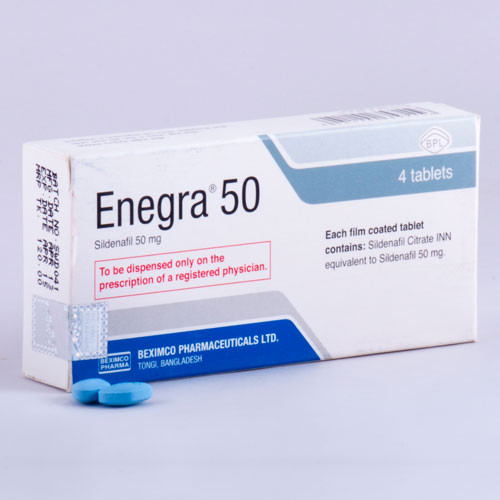
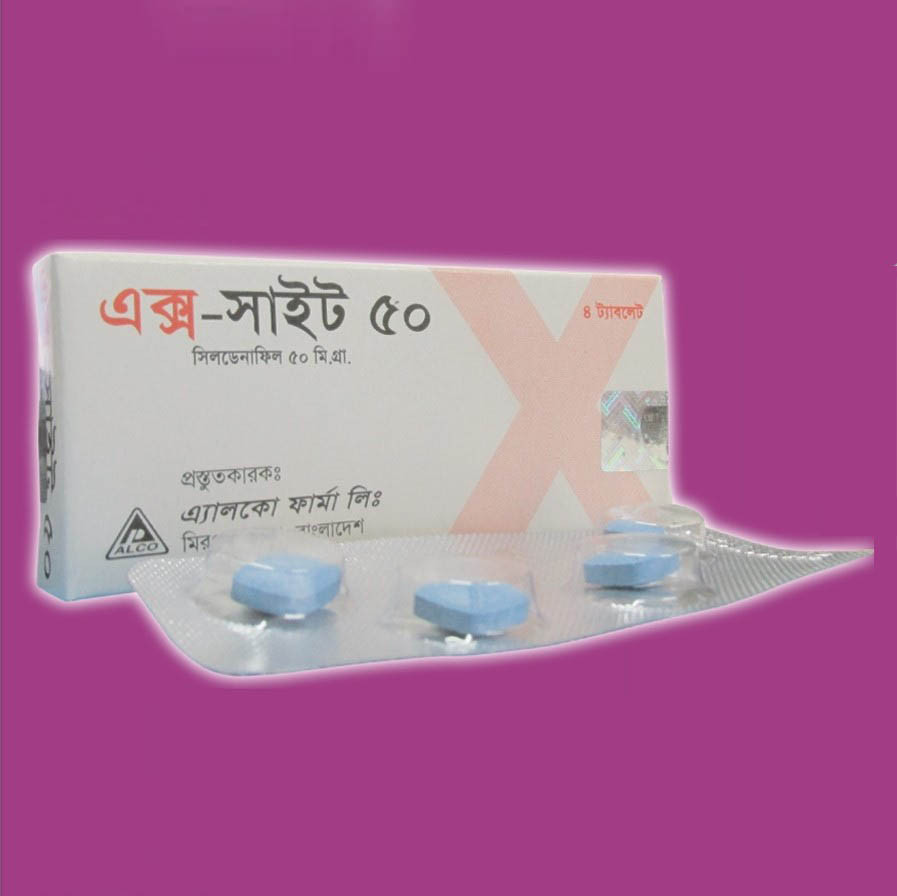
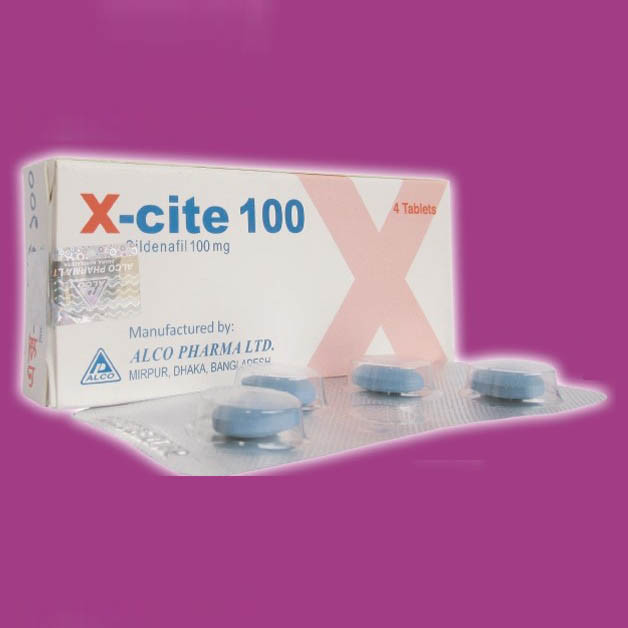
Sildenafil is a phosphodiesterase inhibitor used for the treatment of erectile dysfunction.
Sildenafil is a phosphodiesterase-5 (PDE5) inhibitor that is predominantly employed for two primary indications:
(1) the treatment of erectile dysfunction ; and
(2) treatment of pulmonary hypertension, where: a) the US FDA specifically indicates sildenafil for the treatment of pulmonary arterial hypertension (PAH) (WHO Group I) in adults to improve exercise ability and delay clinical worsening . The delay in clinical worsening was demonstrated when sildenafil was added to background epoprostenol therapy . Studies establishing effectiveness were short-term (12 to 16 weeks), and included predominately patients with New York Heart Association (NYHA) Functional Class II-III symptoms and idiopathic etiology (71%) or associated with connective tissue disease (CTD) (25%) ;
b) the Canadian product monograph specifically indicates sildenafil for the treatment of primary pulmonary arterial hypertension (PPH) or pulmonary hypertension secondary to connective tissue disease (CTD) in adult patients with WHO functional class II or III who have not responded to conventional therapy . In addition, improvement in exercise ability and delay in clinical worsening was demonstrated in adult patients who were already stabilized on background epoprostenol therapy ; and
c) the EMA product information specifically indicates sildenafil for the treatment of adult patients with pulmonary arterial hypertension classified as WHO functional class II and III, to improve exercise capacity . Efficacy has been shown in primary pulmonary hypertension and pulmonary hypertension associated with connective tissue disease . The EMA label also indicates sildenafil for the treatment of pediatric patients aged 1 year to 17 years old with pulmonary arterial hypertension . Efficacy in terms of improvement of exercise capacity or pulmonary hemodynamics has been shown in primary pulmonary hypertension and pulmonary hypertension associated with congenital heart disease .
Associated Conditions
Pharmacodynamics
In vitro studies have shown that sildenafil is selective for phosphodiesterase-5 (PDE5) . Its effect is more potent on PDE5 than on other known phosphodiesterases . In particular, there is a 10-times selectivity over PDE6 which is involved in the phototransduction pathway in the retina . There is an 80-times selectivity over PDE1, and over 700-times over PDE 2, 3, 4, 7, 8, 9, 10 and 11 . And finally, sildenafil has greater than 4,000-times selectivity for PDE5 over PDE3, the cAMP-specific phosphodiesterase isoform involved in the control of cardiac contractility .
In eight double-blind, placebo-controlled crossover studies of patients with either organic or psychogenic erectile dysfunction, sexual stimulation resulted in improved erections, as assessed by an objective measurement of hardness and duration of erections (via the use of RigiScan®), after sildenafil administration compared with placebo . Most studies assessed the efficacy of sildenafil approximately 60 minutes post-dose . The erectile response, as assessed by RigiScan®, generally increased with increasing sildenafil dose and plasma concentration . The time course of effect was examined in one study, showing an effect for up to 4 hours but the response was diminished compared to 2 hours .
Sildenafil causes mild and transient decreases in systemic blood pressure which, in the majority of cases, do not translate into clinical effects . After chronic dosing of 80 mg, three times a day to patients with systemic hypertension the mean change from baseline in systolic and diastolic blood pressure was a decrease of 9.4 mmHg and 9.1 mmHg respectively . After chronic dosing of 80 mg, three times a day to patients with pulmonary arterial hypertension lesser effects in blood pressure reduction were observed (a reduction in both systolic and diastolic pressure of 2 mmHg) . At the recommended dose of 20 mg three times a day no reductions in systolic or diastolic pressure were seen .
Single oral doses of sildenafil up to 100 mg in healthy volunteers produced no clinically relevant effects on ECG . After chronic dosing of 80 mg three times a day to patients with pulmonary arterial hypertension no clinically relevant effects on the ECG were reported either .
In a study of the hemodynamic effects of a single oral 100 mg dose of sildenafil in 14 patients with severe coronary artery disease (CAD) (> 70 % stenosis of at least one coronary artery), the mean resting systolic and diastolic blood pressures decreased by 7 % and 6 % respectively compared to baseline . Mean pulmonary systolic blood pressure decreased by 9% . Sildenafil showed no effect on cardiac output and did not impair blood flow through the stenosed coronary arteries .
Mild and transient differences in color discrimination (blue/green) were detected in some subjects using the Farnsworth-Munsell 100 hue test at 1 hour following a 100 mg dose, with no effects evident after 2 hours post-dose . The postulated mechanism for this change in color discrimination is related to inhibition of PDE6, which is involved in the phototransduction cascade of the retina . Sildenafil has no effect on visual acuity or contrast sensitivity. In a small size placebo-controlled study of patients with documented early age-related macular degeneration (n = 9), sildenafil (single dose, 100 mg) demonstrated no significant changes in visual tests conducted (which included visual acuity, Amsler grid, color discrimination simulated traffic light, and the Humphrey perimeter and photostress test) .
Mechanism of Action
Sildenafil is an oral therapy for erectile dysfunction . In the natural setting, i.e. with sexual stimulation, it restores impaired erectile function by increasing blood flow to the penis .
The physiological mechanism responsible for the erection of the penis involves the release of nitric oxide (NO) in the corpus cavernosum during sexual stimulation . Nitric oxide then activates the enzyme guanylate cyclase, which results in increased levels of cyclic guanosine monophosphate (cGMP), producing smooth muscle relaxation in the corpus cavernosum and allowing inflow of blood .
Sildenafil is a potent and selective inhibitor of cGMP specific phosphodiesterase type 5 (PDE5) in the corpus cavernosum, where PDE5 is responsible for degradation of cGMP . Sildenafil has a peripheral site of action on erections . Sildenafil has no direct relaxant effect on isolated human corpus cavernosum but potently enhances the relaxant effect of NO on this tissue . When the NO/cGMP pathway is activated, as occurs with sexual stimulation, inhibition of PDE5 by sildenafil results in increased corpus cavernosum levels of cGMP . Therefore sexual stimulation is required in order for sildenafil to produce its intended beneficial pharmacological effects .
Moreover, apart from the presence of PDE5 in the corpus cavernosum of the penis, PDE5 is also present in the pulmonary vasculature . Sildenafil, therefore, increases cGMP within pulmonary vascular smooth muscle cells resulting in relaxation . In patients with pulmonary arterial hypertension, this can lead to vasodilation of the pulmonary vascular bed and, to a lesser degree, vasodilatation in the systemic circulation .
Absorption
Sildenafil is known to be quickly absorbed, with maximum plasma concentrations being observed within 30-120 minutes (with a median of 60 minutes) of oral administration in a fasting patient . Moreover, the mean absolute bioavailability observed for sildenafil is about 41% (from a range of 25-63%) . In particular, after oral three times a day dosing of sildenafil, the AUC and Cmax increase in proportion with dose over the recommended dosage range of 25-100 mg .
When used in pulmonary arterial hypertension patients, however, the oral bioavailability of sildenafil after a dosing regimen of 80 mg three times a day, was on average 43% greater than compared to the lower doses .
Finally, if sildenafil is administered orally with food, the rate of absorption is observed to be decreased with a mean delay in Tmax of about 60 minutes and a mean decrease in Cmax of approximately 29% . Regardless, the extent of absorption is not observed to be significantly affected as the recorded AUC decreased by only about 11 % .
Volume of Distribution
The mean steady-state volume of distribution documented for sildenafil is approximately 105 L - a value which suggests the medication undergoes distribution into the tissues .
Protein Binding
It is generally observed that sildenafil and its main circulating N-desmethyl metabolite are both estimated to be about 96% bound to plasma proteins . Nevertheless, it has been determined that protein binding for sildenafil is independent of total drug concentrations .
Route of Elimination
After either oral or intravenous administration, sildenafil is excreted as metabolites predominantly in the feces (approximately 80% of the administered oral dose) and to a lesser extent in the urine (approximately 13% of the administered oral dose) .
Half Life
The terminal phase half-life observed for sildenafil is approximately 3 to 5 hours .
Clearance
The total body clearance documented for sildenafil is 41 L/h .
Toxicity
In single-dose volunteer studies of doses up to 800 mg, adverse reactions were similar to those seen at lower doses, but the incidence rates and severities were increased . Doses of 200 mg did not result in increased efficacy but the incidence of adverse reaction (headache, flushing, dizziness, dyspepsia, nasal congestion, altered vision) was increased .
Due to the lack of data on the effect of sildenafil indicated for the treatment of pulmonary arterial hypertension (PAH) in pregnant women, sildenafil is not recommended for women of childbearing potential unless also using appropriate contraceptive measures .
The safety and efficacy of sildenafil indicated for treating PAH in a woman during labor and delivery have not been studied . Caution should ultimately be exercised when sildenafil is administered to nursing women as it is not known if sildenafil or its metabolites are excreted in human breast milk .
The safety and efficacy of sildenafil for the treatment of PAH in children below 1 year of age has not been established as no data is available .
Clinical experience with the elderly population in the use of sildenafil for the treatment of PAH has been varied. Some reports suggest that there are no identified differences in responses between elderly and younger patients while others have documented that clinical efficacy as measured by 6-minute walk distance could be less in elderly patients . In general, dose selection for an elderly patient should be cautious, reflecting the greater frequency of decreased hepatic, renal, or cardiac function, and of concomitant disease or other drug therapy .
Conversely, when sildenafil was used to treat erectile dysfunction in healthy elderly volunteers (65 years or over), a reduced clearance of sildenafil was observed . This reduction resulted in about 90% higher plasma concentrations of sildenafil and the active N-desmethyl metabolite compared to those seen in healthy younger volunteers (18-45 years) . Due to age-differences in plasma protein binding, the corresponding increase in free sildenafil plasma concentration was approximately 40% .
Sildenafil was not carcinogenic when administered to rats for 24 months at a dose resulting in total systemic drug exposure (AUCs) for unbound sildenafil and its major metabolite of 29- and 42- times, for male and female rats, respectively, the exposures observed in human males given the Maximum Recommended Human Dose (MRHD) of 100 mg . Sildenafil was not carcinogenic when administered to mice for 18-21 months at dosages up to the Maximum Tolerated Dose (MTD) of 10 mg/kg/day, approximately 0.6 times the MRHD on a mg/m2 basis .
Sildenafil was negative in in vitro bacterial and Chinese hamster ovary cell assays to detect mutagenicity, and in vitro human lymphocytes and in vivo mouse micronucleus assays to detect clastogenicity .
There was no impairment of fertility in rats given sildenafil up to 60 mg/kg/day for 36 days to females and 102 days to males, a dose producing an AUC value of more than 25 times the human male AUC .
Food Interactions
- Take with or without food. If taken with a high-fat meal the medicine may take a little longer to start working.