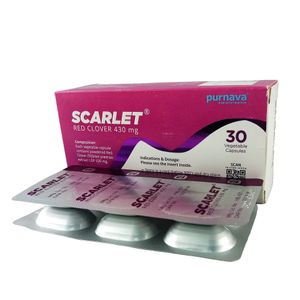
Introduction
Red Clover (Trifolium pratense) is a flowering plant commonly used in traditional medicine for its purported health benefits. It is often used in herbal supplements and natural remedies for its potential impact on various health conditions.
Uses
Red Clover is used for:
- Alleviating menopausal symptoms such as hot flashes and night sweats.
- Supporting cardiovascular health by potentially improving cholesterol levels.
- Reducing inflammation and promoting skin health.
- Relieving symptoms of respiratory conditions like cough and bronchitis.
- Managing symptoms of PMS (premenstrual syndrome).
Mechanism of Action
Red Clover contains isoflavones, which are phytoestrogens that can mimic the action of estrogen in the body. These compounds may help balance hormones and provide relief from menopausal symptoms. Additionally, Red Clover is thought to have antioxidant and anti-inflammatory properties that contribute to its health benefits.
How Long Does It Take to Work?
The time it takes for Red Clover to work can vary depending on the condition being treated and the individual's response. For menopausal symptoms, some users may notice improvements within a few weeks of consistent use, while others may require several months to experience significant benefits.
Absorption
When taken orally, Red Clover is absorbed through the gastrointestinal tract. The isoflavones are metabolized in the liver and may be further converted into active forms that contribute to its therapeutic effects. The rate and extent of absorption can vary among individuals.
Route of Elimination
The metabolites of Red Clover are primarily excreted through urine. The isoflavones and their metabolites are processed by the liver and then eliminated from the body via the renal system.
Dosage
1 or 2 capsules 1 to 3 times daily or as advised by the registered physician.The typical dosage of Red Clover varies based on the form used and the condition being treated:
- For menopausal symptoms: 40-80 mg of isoflavones daily.
- For cardiovascular health: Dosages can range from 100-200 mg of Red Clover extract daily.
Administration
Red Clover can be administered in several forms:
- Capsules or tablets: Taken orally with water, usually once or twice daily.
- Herbal tea: Brewed from dried Red Clover flowers and consumed as a beverage.
- Topical applications: Applied directly to the skin for localized benefits.
Side Effects
Common side effects of Red Clover may include:
- Digestive upset such as nausea or diarrhea.
- Headaches or dizziness.
- Skin rash or allergic reactions in some individuals.
Toxicity
Red Clover is generally considered safe when used as directed. However, excessive consumption or high doses may lead to adverse effects. There is limited information on the long-term toxicity of Red Clover, so it's important to use it within recommended guidelines.
Precautions
Precautions include:
- Consult a healthcare provider before use if you have a history of hormone-sensitive conditions, such as breast cancer or endometriosis.
- Avoid use if you are pregnant or breastfeeding without medical advice.
- Monitor for potential interactions with other medications, especially hormone therapies or anticoagulants.
Interaction
Red Clover may interact with certain medications:
- Hormone replacement therapies or oral contraceptives due to its estrogen-like effects.
- Anticoagulants or antiplatelet drugs, as it may increase bleeding risk.
Disease Interaction
Use Red Clover with caution in individuals with:
- Hormone-sensitive cancers or conditions.
- Bleeding disorders or those on anticoagulant therapy.
Drug Interaction
Drug interactions are possible, especially with:
- Medications affecting estrogen levels or those with anticoagulant properties.
- Other herbal supplements with similar effects, which may lead to additive effects or interactions.
Food Interactions
Red Clover does not have significant food interactions. However, a balanced diet can support overall health and enhance the effectiveness of herbal treatments.
Pregnancy Use
The safety of Red Clover during pregnancy is not well-established. It is generally advised to avoid using Red Clover during pregnancy due to potential hormonal effects. Consult a healthcare provider before use if pregnant or planning to become pregnant.
Lactation Use
There is limited information on the safety of Red Clover during lactation. It is best to avoid use during breastfeeding unless advised by a healthcare provider. Consult a healthcare provider to weigh potential risks and benefits.
Acute Overdose
In case of an acute overdose, seek medical attention immediately. Symptoms of overdose may include severe gastrointestinal symptoms or allergic reactions. Follow recommended dosages to avoid potential complications.
Contraindication
Red Clover is contraindicated in individuals with:
- Known hypersensitivity or allergy to Red Clover or any of its components.
- Hormone-sensitive conditions or cancers without medical supervision.
Use Direction
Follow the prescribed directions for use:
- Use Red Clover supplements or teas according to the dosage recommendations provided.
- Do not exceed the recommended dosage or use more frequently than directed.
Storage Conditions
Store Red Clover supplements or herbal products in a cool, dry place, away from direct sunlight and moisture. Keep containers tightly closed and out of reach of children.
Volume of Distribution
The volume of distribution for Red Clover is not well-documented. The isoflavones are primarily distributed to tissues where they exert their effects, with minimal systemic exposure.
Half Life
The half-life of Red Clover's active compounds varies based on the form of the product and individual metabolism. Generally, isoflavones have a half-life of several hours to a few days, depending on their absorption and metabolism.
Clearance
Red Clover is cleared from the body primarily through renal excretion of its metabolites. The clearance rate can vary based on individual factors such as liver and kidney function.