Introduction
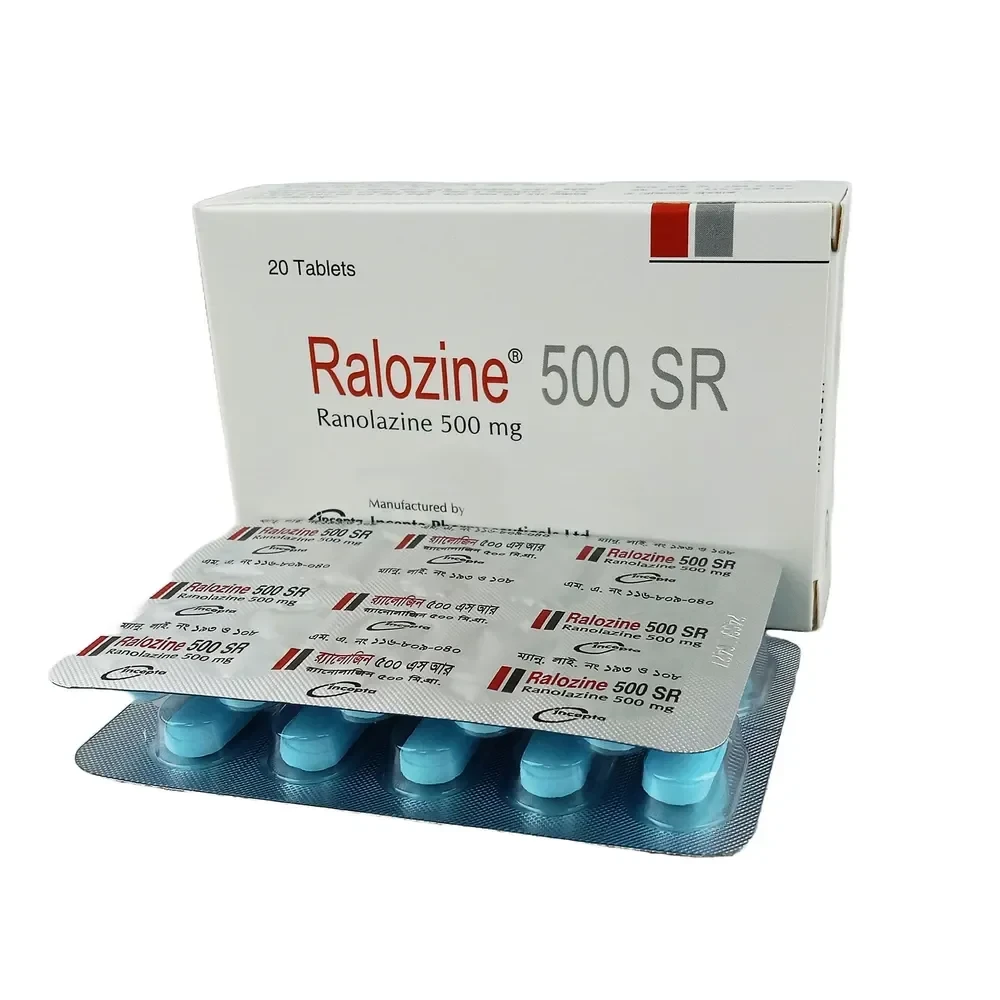
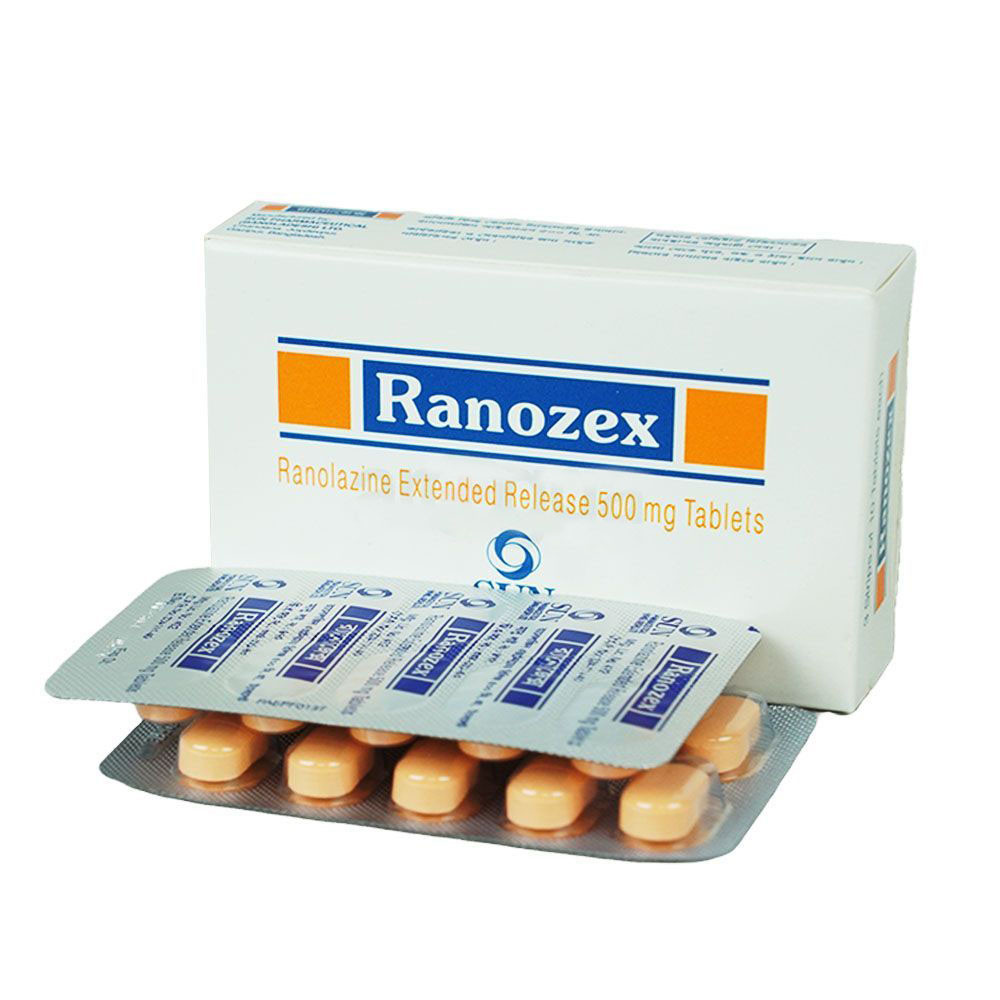
Chronic angina is a common cardiovascular condition affecting millions worldwide and causes significant disability while interfering with daily activities. Ranolazine is a well-tolerated piperazine derivative used for the management of this condition, offering relief from uncomfortable and debilitating symptoms. With a mechanism of action different from drugs used to treat the same condition, ranolazine is a promising anti-anginal therapy.
Uses
Ranolazine is an anti-anginal drug used for the treatment of chronic angina.
Ranolazine is indicated for the treatment of chronic angina. It can be used alone or in conjunction with nitrates, beta-blockers, angiotensin receptor blockers, anti-platelet drugs, calcium channel blockers, lipid-lowering drugs, and ACE inhibitors.
Ranolazine has also been used off-label for the treatment of certain arrhythmias, including ventricular tachycardia, however, this use is not strongly supported by scientific evidence. Ranolazine has also been studied for the treatment of acute coronary syndrome, microvascular coronary dysfunction, arrhythmia, and glycemic control, which are not yet approved indications.
Associated Conditions
Pharmacodynamics
Ranolazine exerts both antianginal and ischemic effects independent from lowering heart rate or blood pressure. It blocks IKr, the rapid portion of the delayed rectifier potassium current, and prolongs the QTc interval in a dose-dependent fashion. The Ikr is important for cardiac repolarization. Ranolazine exerts its therapeutic effects without negative chronotropic, dromotropic, or inotropic actions neither at rest, nor during exercise.
Mechanism of Action
Myocardial ischemia exerts effects on adenosine triphosphate flux, leading to a decrease in the energy available for contraction and relaxation of the heart muscle. Electrolyte balance of sodium and potassium is necessary for maintaining normal cardiac contraction and relaxation. Disruption of adequate sodium and potassium electrolyte balance leads to excessively high concentrations of sodium and calcium, which likely interferes with oxygen supply to the heart muscle. This imbalance eventually leads to angina symptoms of chest pain or pressure, nausea, and dizziness, among others.
The mechanism of action for ranolazine is not fully understood. At therapeutic concentrations, it can inhibit the cardiac late sodium 205 current (INa), which may affect the electrolyte balance in the myocardium, relieving angina symptoms. The clinical significance this inhibition in the treatment of angina symptoms is not yet confirmed.
Ranolazine inhibits sodium and potassium ion channel currents. It has been shown to exert weak activity on L-type calcium channels making it a weak direct vasodilator and exerts minimal direct effects on atrioventricular nodal conduction. Some additional mechanisms have been elucidated. Ranolazine exerts antagonistic activity towards the alpha 1 and beta 1 adrenergic receptors and inhibition of fatty acid oxidation.
Absorption
The time to reach peak serum concentration is quite variable but has been observed to be in the range of 2-6 hours, with steady-state within 3 days. The FDA indicates a Tmax of 3-5 hours. The average steady-state Cmax is about 2600 ng/mL. Absorption of ranolazine is not significantly affected by food consumption. The bioavailability of ranolazine taken in the tablet form compared to that from a solution of ranolazine is about 76%.
Volume of Distribution
The mean apparent volume of distribution of ranolazine is reported to be 53.2 L and the average steady-state volume of distribution is estimated to range from 85 to 180 L.
Protein Binding
Approximately 62% of the administered dose of ranolazine is bound to plasma proteins. Ranolazine appears to have a higher binding affinity for alpha-1 acid glycoprotein.
Route of Elimination
From the administered dose, about 3/4 of the dose is excreted renally, while 1/4 of the dose is excreted in the feces. An estimated 5% of an ingested dose is excreted as unchanged drug.
Half Life
The apparent terminal half-life of ranolazine is 7 hours.
Clearance
The reported clearance rate of orally administered ranolazine is of 45 L/h when administered at a dose of 500 mg twice daily. The clearance rate of ranolazine is dose-dependent and renal impairment can increase ranolazine serum concentration by 40-50%.
Toxicity
The reported LD50 of oral ranolazine in the rat is 980 mg/kg. High oral doses of ranolazine have led to dizziness, nausea, and vomiting. These effects have been shown to be dose related. High intravenous doses can cause diplopia, confusion, paresthesia, in addition to syncope. In the case of an overdose, provide supportive therapy accompanied by continuous ECG monitoring for QT interval prolongation.
Food Interactions
- Avoid grapefruit products.
- Take with or without food. The absorption is unaffected by food.
Dosage
Pediatric use: Safety and effectiveness in pediatric patients have not been established.