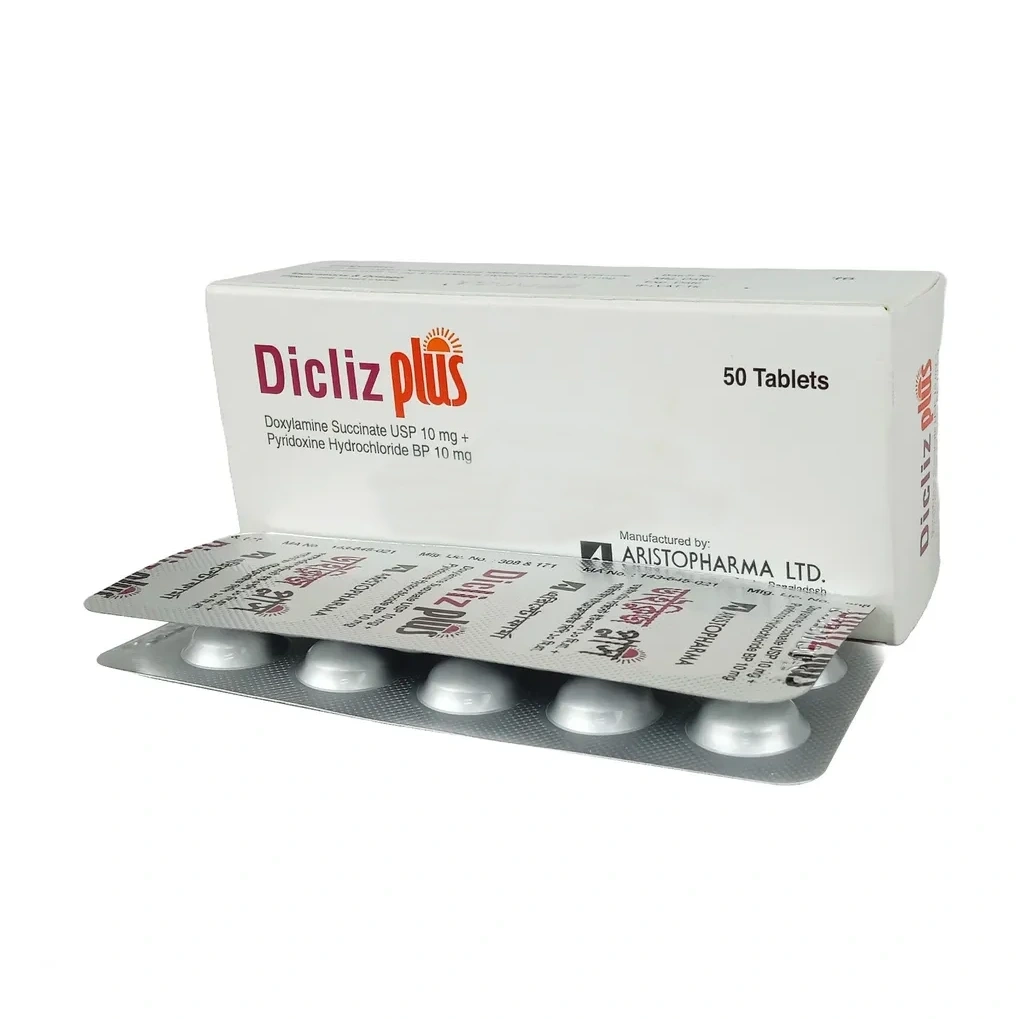
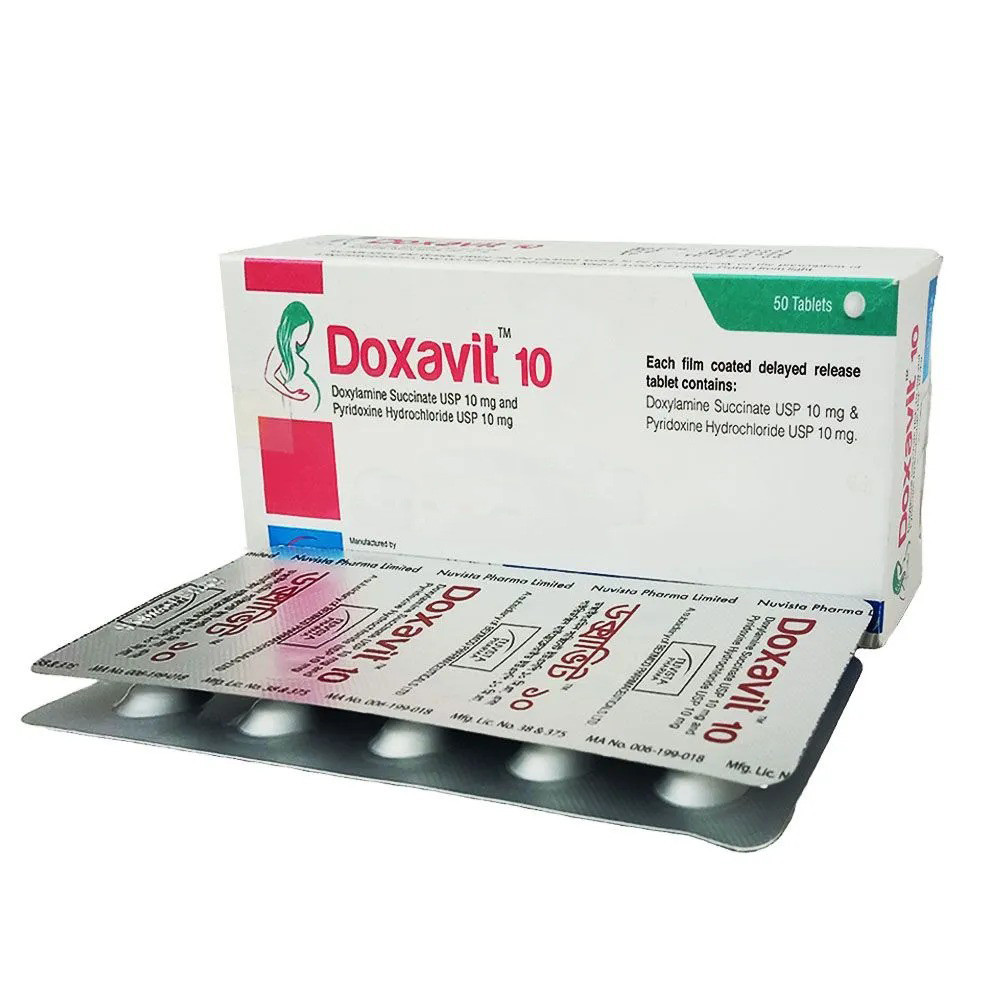
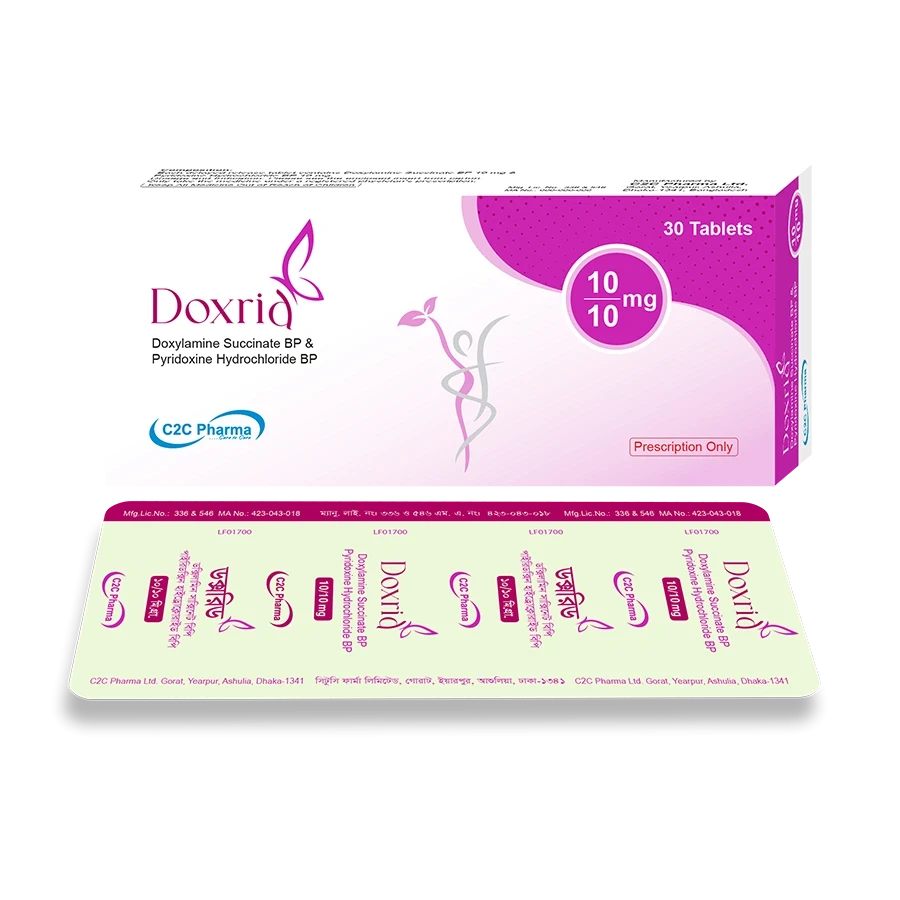
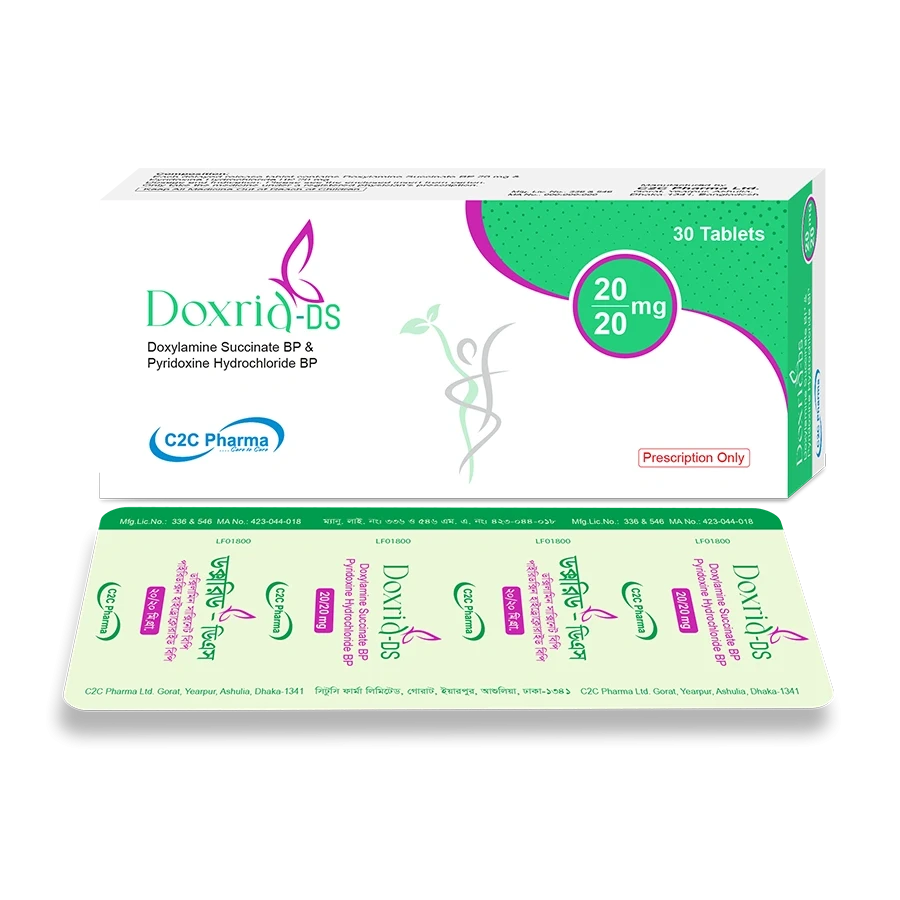
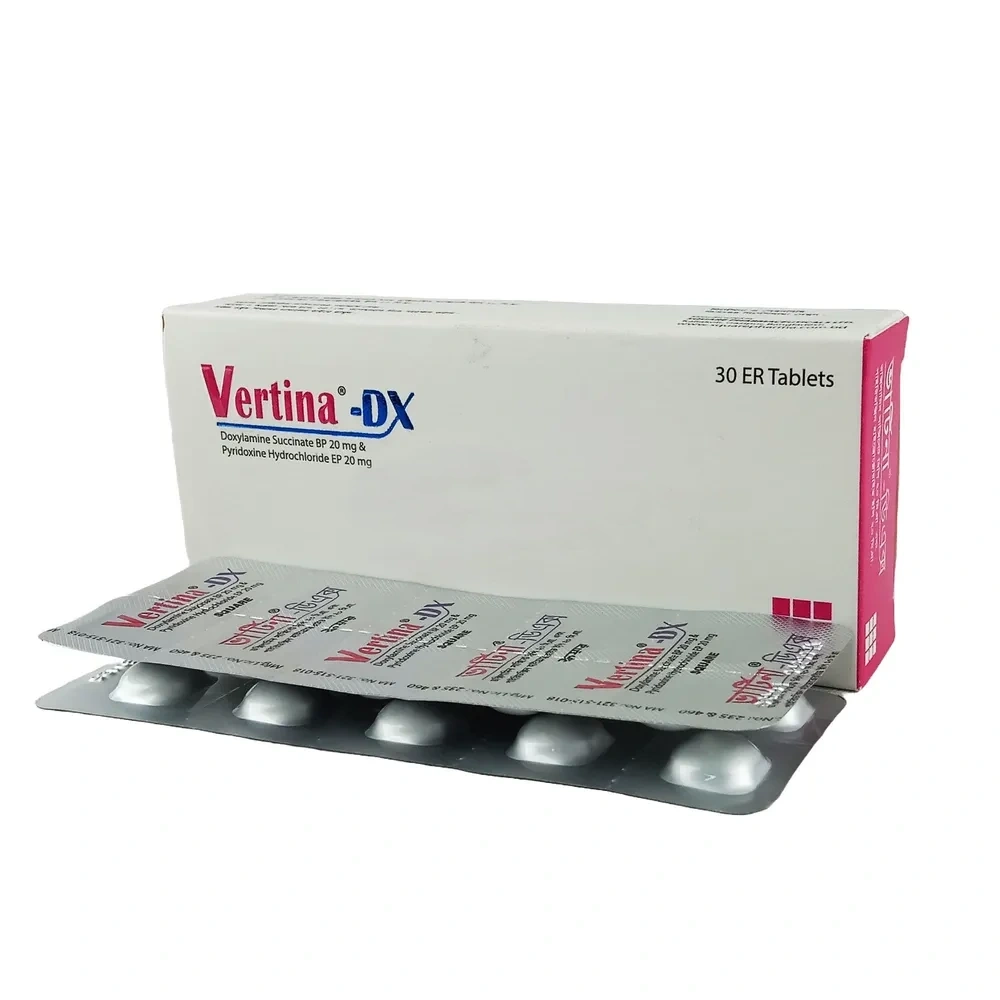
Introduction
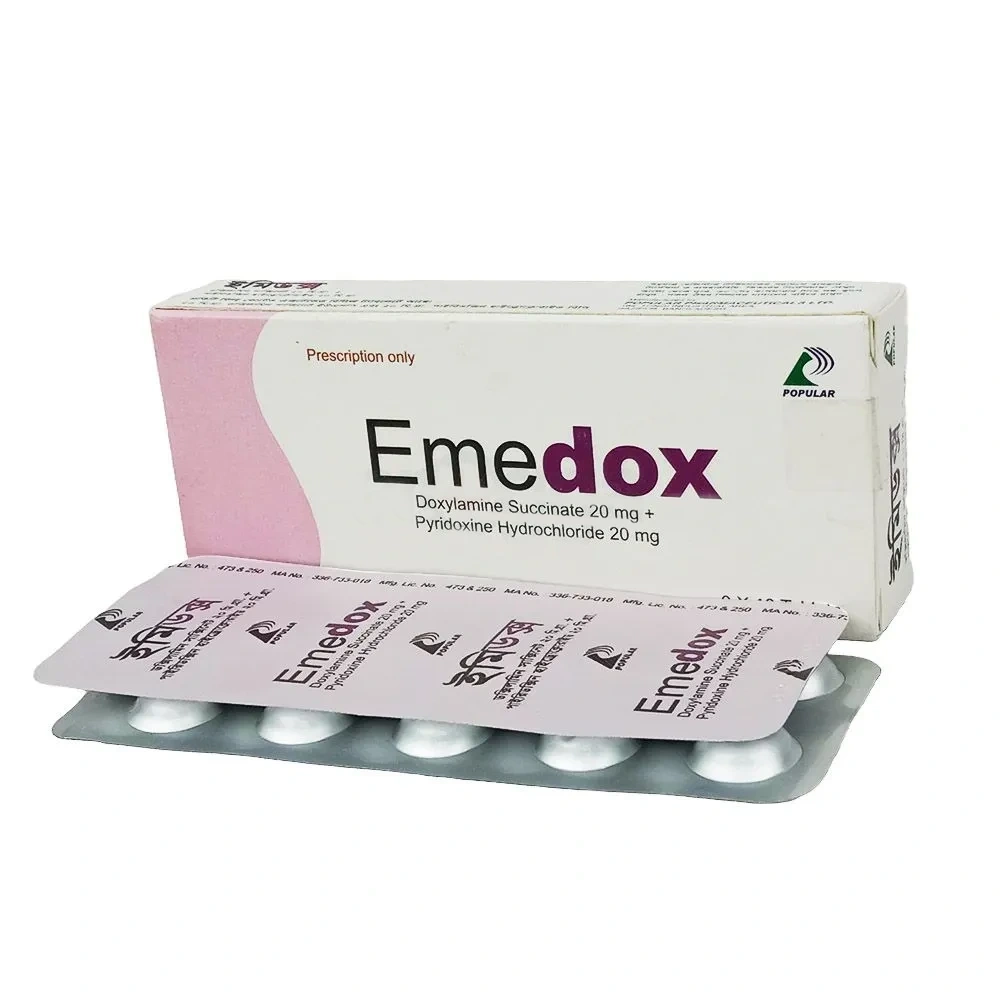
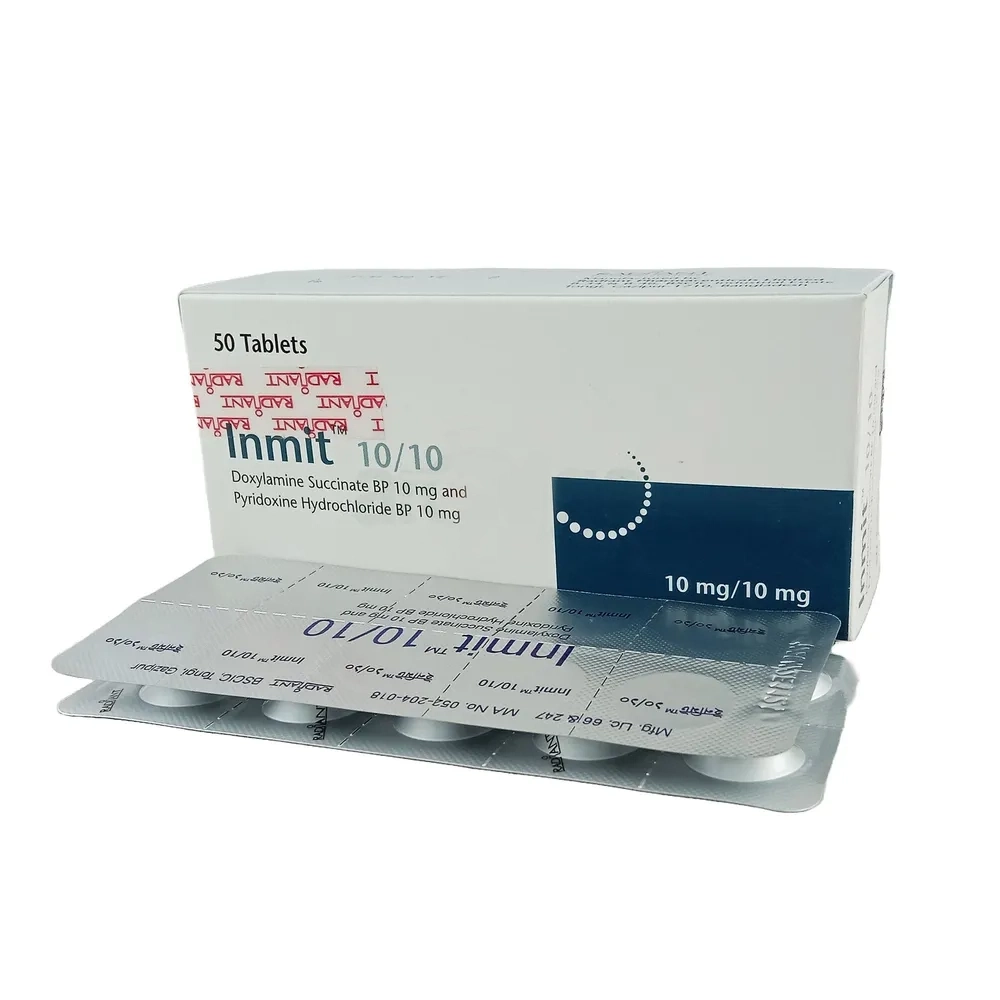
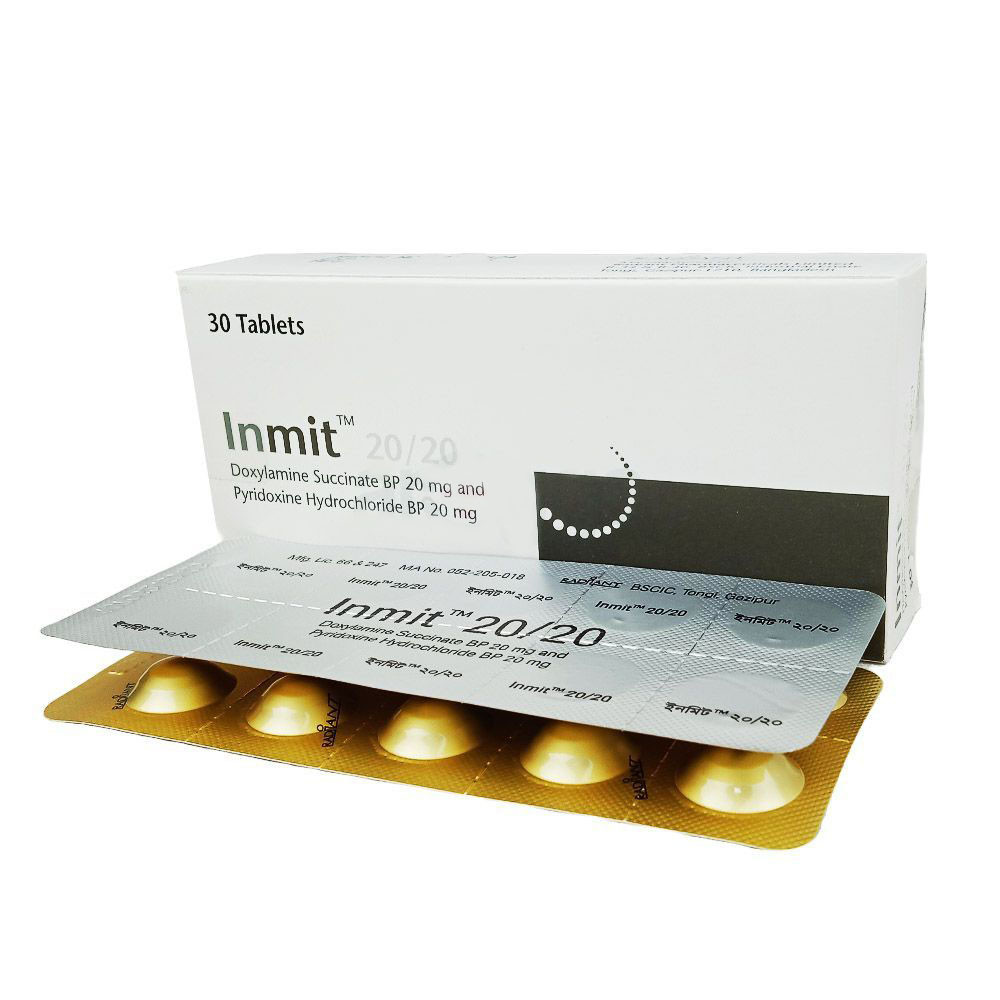
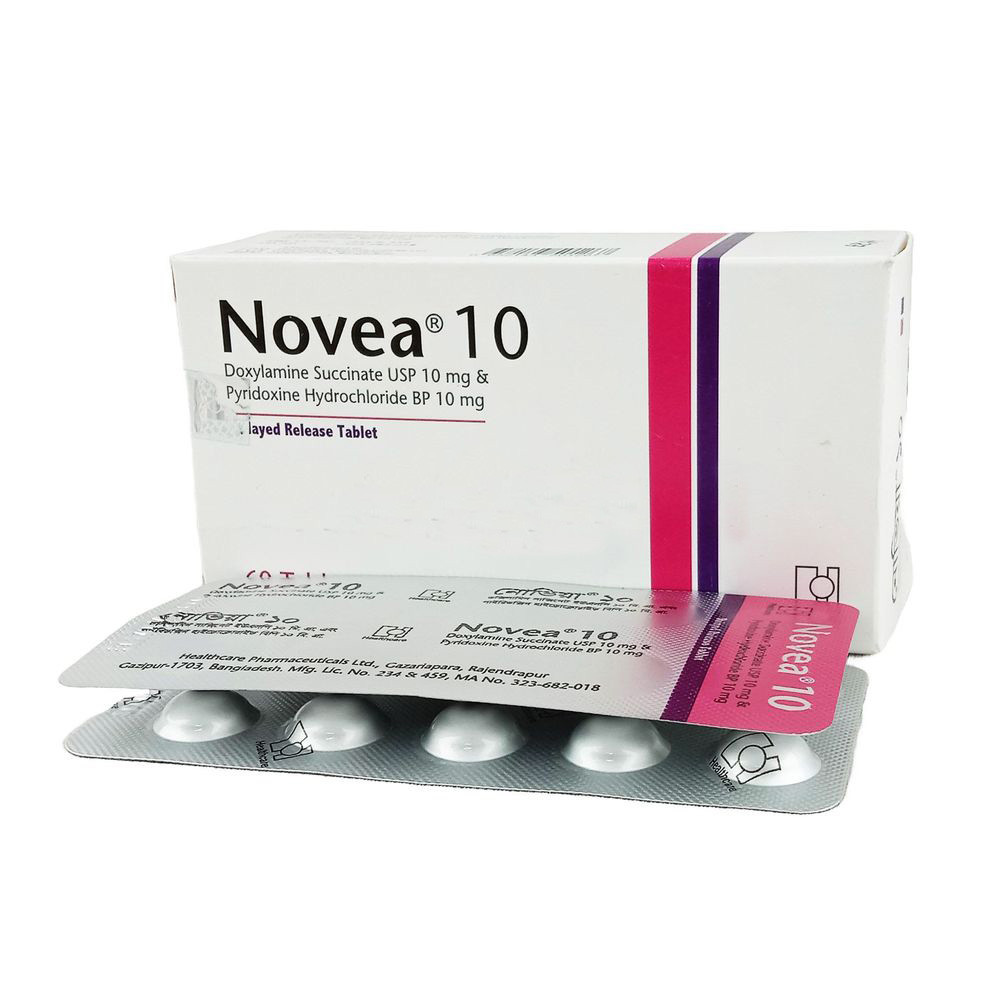
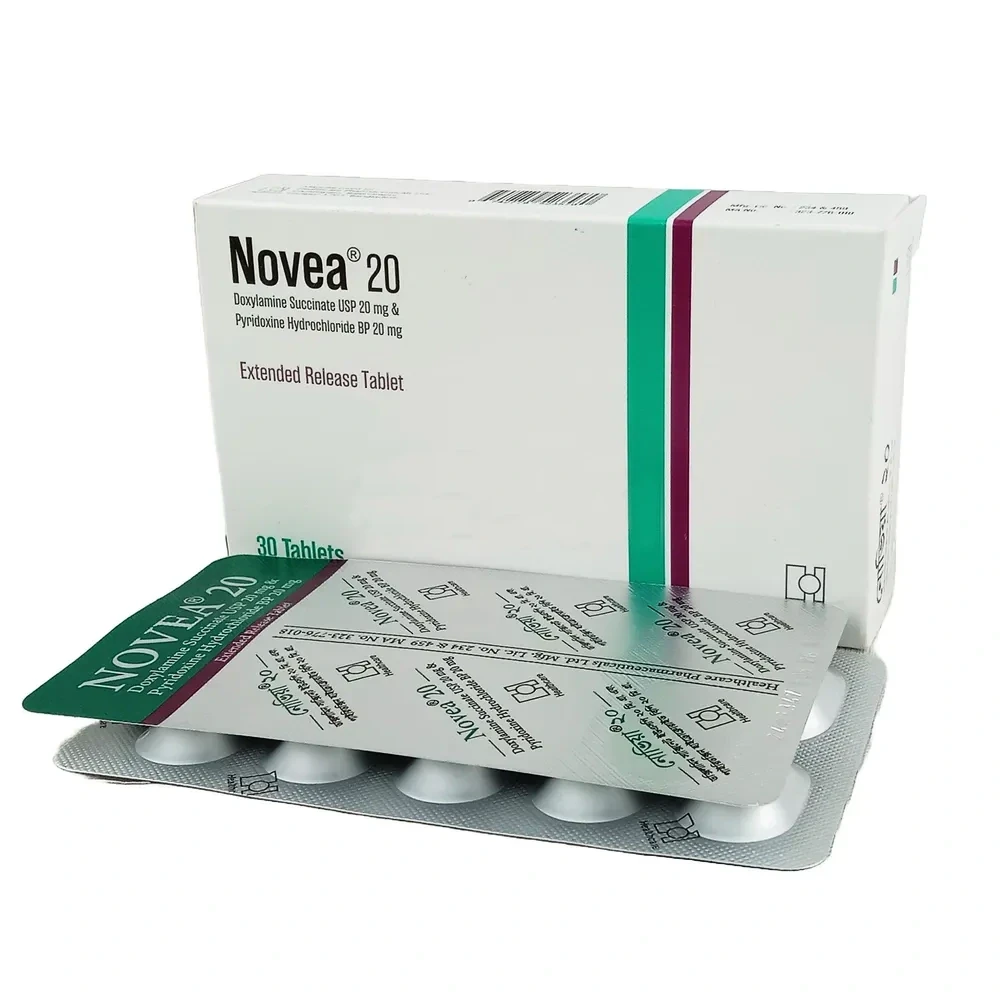
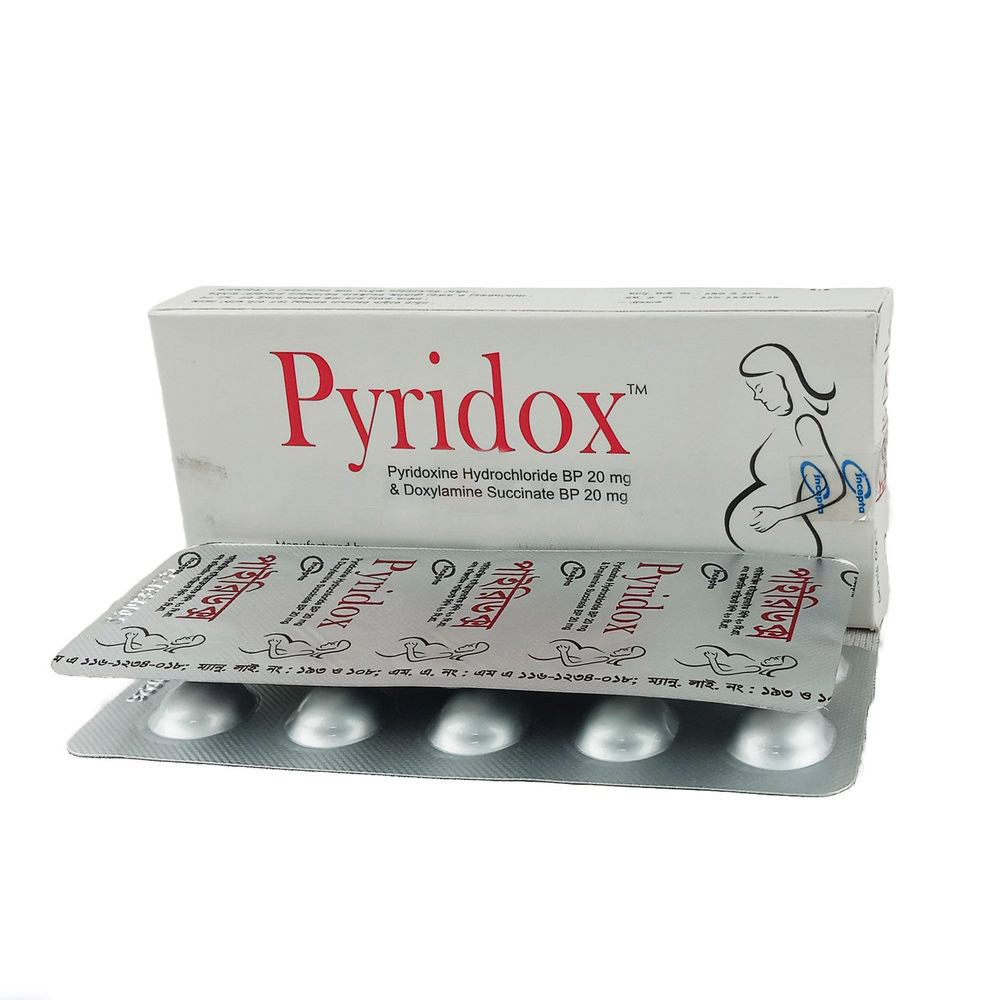
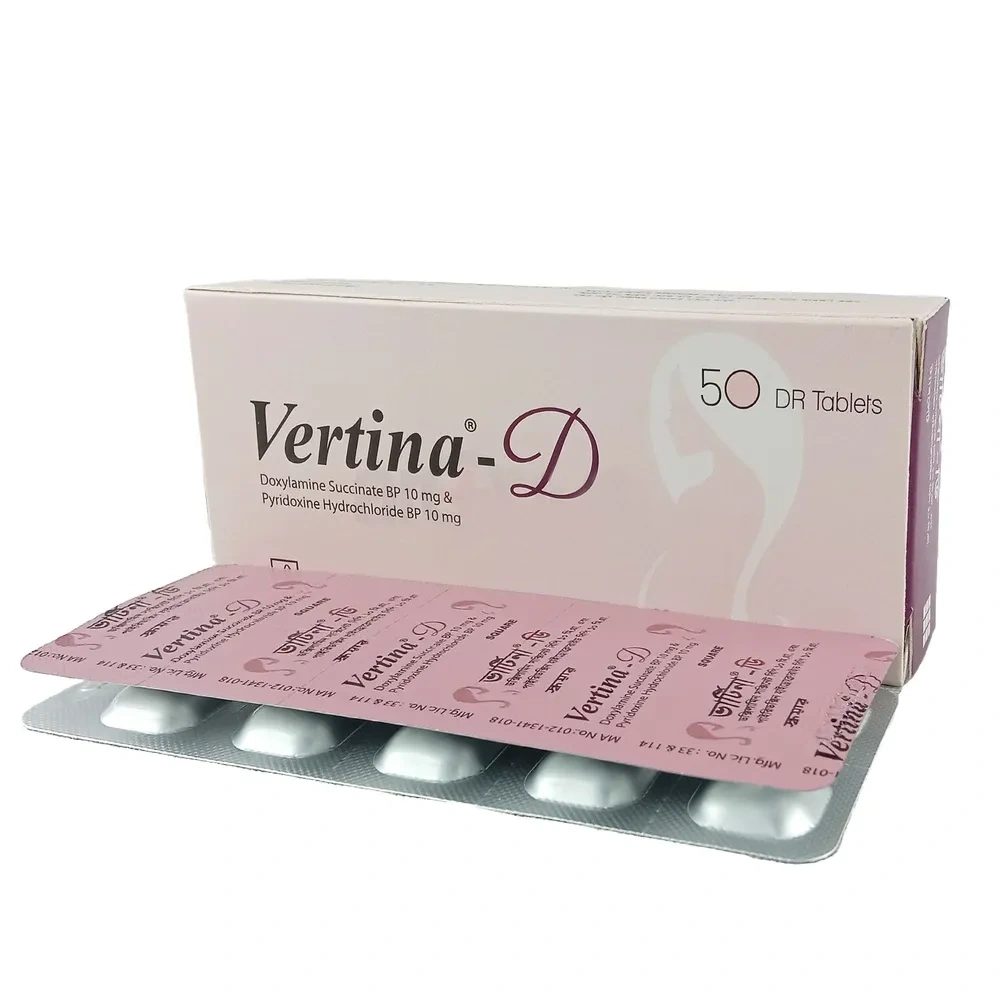
Pyridoxine Hydrochloride (Vitamin B6) and Doxylamine Succinate are commonly used together to treat nausea and vomiting during pregnancy, commonly referred to as morning sickness. This combination works by addressing vitamin B6 deficiency while providing anti-nausea effects from doxylamine, an antihistamine.
Uses
The primary use of Pyridoxine Hydrochloride and Doxylamine Succinate is to treat nausea and vomiting associated with pregnancy (morning sickness). This combination is typically prescribed when non-pharmacological treatments are not effective.
Mechanism of Action
Pyridoxine (Vitamin B6) plays a key role in metabolism and neurotransmitter synthesis. Its exact mechanism in reducing nausea is unclear but may involve balancing neurotransmitter activity. Doxylamine is an H1 receptor antagonist (antihistamine), which works by inhibiting histamine-mediated pathways that trigger nausea and vomiting.
How Long Does It Take to Work?
The combination usually starts working within 1 to 2 hours after administration. However, maximum therapeutic effect may be observed after several days of regular dosing.
Absorption
Pyridoxine is well absorbed in the gastrointestinal tract, with peak plasma concentrations reached within 1-2 hours. Doxylamine is also rapidly absorbed, with peak effects occurring within 2 to 3 hours after oral administration.
Route of Elimination
Pyridoxine and its metabolites are primarily excreted via the urine. Doxylamine is metabolized in the liver and excreted primarily in the urine as metabolites.
Dosage
Initially, take one tablet orally at bedtime (Day 1). If this dose adequately controls symptoms the next day, continue taking one tablet daily at bedtime only. However, if symptoms persist on Day 2, increase the daily dose to one tablet in the morning and one tablet at bedtime. The maximum recommended dose is two tablets per day, one in the morning and one at bedtime. Take on an empty stomach with a glass of water. Swallow tablets whole. Do not crush, chew, or split this tablets. Take daily and not on an as needed basis.The usual dosage for treating morning sickness is:
- Starting dose: One tablet (10 mg of doxylamine and 10 mg of pyridoxine) at bedtime.
- If symptoms persist, an additional tablet in the morning may be prescribed.
- Maximum dose: Two tablets at bedtime, one in the morning, and one in the afternoon, not to exceed four tablets per day.
Administration
Tablets should be taken on an empty stomach with water. If nausea and vomiting are severe, patients may need to take the medication multiple times a day as instructed by their healthcare provider.
Side Effects
Common side effects of this combination include:
- Drowsiness (due to doxylamine)
- Dry mouth
- Constipation
- Dizziness
Toxicity
Overdose of pyridoxine or doxylamine can result in symptoms such as confusion, drowsiness, convulsions, and respiratory depression. In the event of an overdose, emergency medical attention is required.
Precautions
This combination should be used with caution in patients with:
- Asthma
- Glaucoma
- Peptic ulcers
- Urinary retention
- Severe liver disease
Interaction
Pyridoxine and Doxylamine may interact with:
- CNS depressants, such as alcohol or sedatives, which may increase drowsiness.
- Anticholinergic drugs, as the combination may enhance anticholinergic effects like dry mouth and constipation.
Disease Interaction
This combination should be used cautiously in patients with conditions like asthma, glaucoma, and severe liver disease, as doxylamine may exacerbate these conditions.
Drug Interaction
Potential drug interactions include:
- Alcohol and CNS depressants: Can enhance the sedative effects of doxylamine.
- MAO inhibitors: May prolong or intensify anticholinergic and CNS depressive effects.
Food Interactions
There are no significant food interactions with this combination. However, taking the medication on an empty stomach may help increase its effectiveness.
Pregnancy Use
The combination of Pyridoxine and Doxylamine is commonly used during pregnancy for nausea and vomiting and is considered safe when used under a healthcare provider’s supervision. It is classified as a pregnancy category A drug (safe in pregnancy).
Lactation Use
Doxylamine may pass into breast milk and cause sedation in a breastfeeding infant. Caution is advised, and patients should consult their healthcare provider before using this combination while breastfeeding.
Acute Overdose
Overdose symptoms may include severe drowsiness, confusion, respiratory depression, or convulsions. Immediate medical intervention is required in case of an overdose.
Contraindication
Contraindications include:
- Hypersensitivity to Pyridoxine, Doxylamine, or any component of the formulation.
- Patients taking monoamine oxidase inhibitors (MAOIs).
Use Direction
The medication should be taken as directed by a healthcare provider. If nausea and vomiting persist or worsen, consult a doctor for dosage adjustments. Patients should not exceed the recommended dose.
Storage Conditions
Store at room temperature, away from moisture and heat. Keep the medication in its original container and out of reach of children.
Volume of Distribution
For doxylamine, the volume of distribution is relatively large, indicating extensive distribution into body tissues. Pyridoxine’s volume of distribution is also wide due to its water-soluble nature.
Half Life
The half-life of doxylamine is approximately 10 hours, while pyridoxine has a variable half-life depending on its metabolic pathways.
Clearance
Doxylamine is metabolized in the liver and excreted through urine, while Pyridoxine is primarily eliminated renally in the form of metabolites.