Introduction
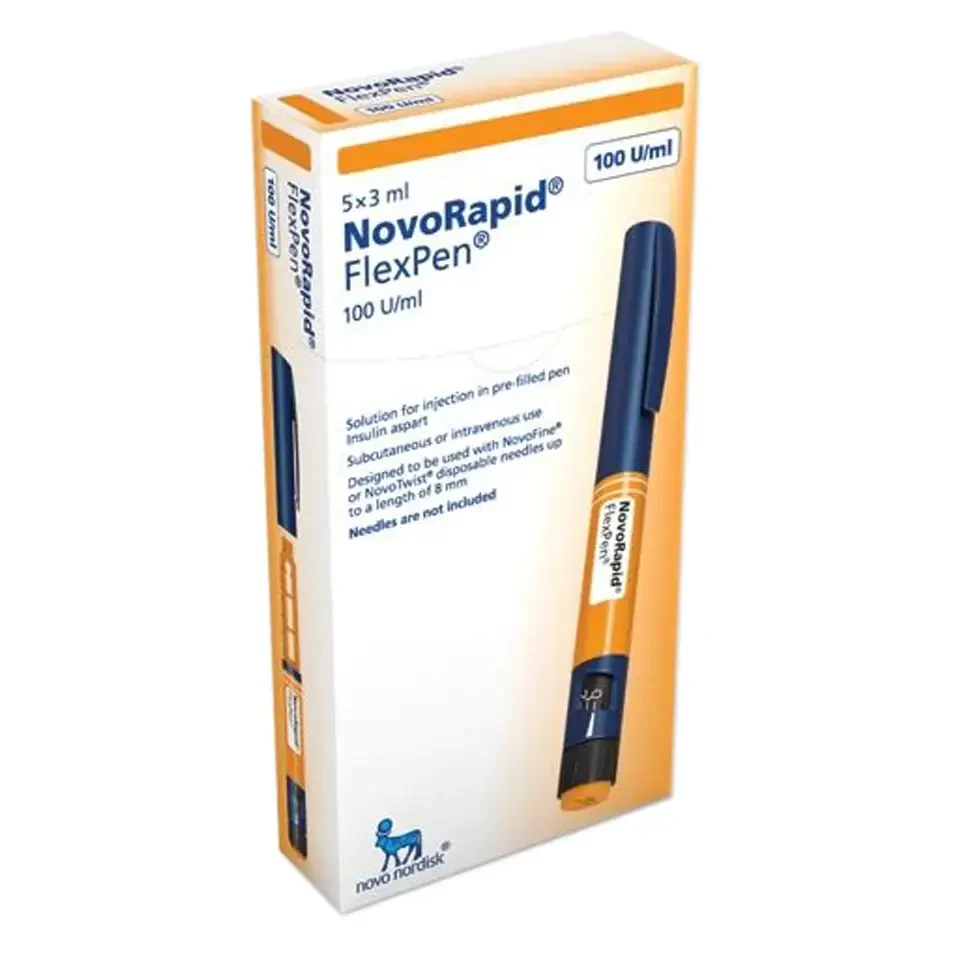
Protamine Crystallised Insulin Aspart is a combination of two types of insulin: insulin aspart, a rapid-acting insulin analogue, and protamine, which extends the action of insulin by forming a suspension. This combination is used to manage blood glucose levels in patients with diabetes mellitus, providing both rapid and prolonged glycemic control.
Uses
Protamine Crystallised Insulin Aspart is primarily used for:
- Managing blood glucose levels in individuals with type 1 or type 2 diabetes mellitus.
- Providing both rapid control of postprandial blood glucose spikes and prolonged coverage to maintain stable glucose levels throughout the day.
Mechanism of Action
Insulin aspart, the rapid-acting component, lowers blood glucose levels by promoting the uptake of glucose into cells and inhibiting glucose production in the liver. Protamine prolongs the action of insulin aspart by forming a complex that delays the absorption of insulin, providing extended duration of glucose control.
How Long Does It Take to Work?
Insulin aspart begins to work within about 15 minutes after injection, reaching peak action in 1 to 3 hours. The protamine component extends the duration of action, which can last up to 24 hours, depending on the individual’s metabolism and other factors.
Absorption
After subcutaneous injection, insulin aspart is rapidly absorbed into the bloodstream. The addition of protamine delays the absorption, providing a more gradual release and extending the duration of insulin activity. The onset of action for the combined formulation is slower compared to insulin aspart alone due to the protamine component.
Route of Elimination
Insulin aspart and protamine are metabolized primarily in the liver and kidneys. Insulin is degraded by insulinase and other proteolytic enzymes, with metabolites excreted in the urine. Protamine is broken down by tissue proteases and also excreted through the kidneys.
Dosage
The dosage of Protamine Crystallised Insulin Aspart should be individualized based on the patient's needs, blood glucose levels, and overall treatment goals. Typical dosing regimens may involve:
- Starting doses often range from 0.5 to 1 unit per kilogram of body weight per day.
- Doses are usually administered 1 to 2 times daily, depending on the patient's blood glucose control requirements and response to treatment.
- Adjustments are made based on regular monitoring of blood glucose levels and HbA1c.
Administration
Protamine Crystallised Insulin Aspart is administered subcutaneously. Common injection sites include the abdomen, thighs, or upper arms. It is important to rotate injection sites to prevent lipodystrophy and ensure consistent absorption. It is not intended for intravenous use.
Side Effects
Common side effects include:
- Hypoglycemia (low blood sugar)
- Injection site reactions, such as pain or irritation
- Weight gain
Serious side effects can include:
- Severe hypoglycemia or hyperglycemia
- Allergic reactions, such as rash or swelling
- Hypokalemia (low potassium levels)
Toxicity
Toxicity primarily results from overdose, leading to severe hypoglycemia. Symptoms of hypoglycemia include confusion, dizziness, tremors, and loss of consciousness. Immediate treatment involves administering glucose orally or intravenously, depending on the severity of the hypoglycemic episode.
Precautions
Precautions include:
- Careful monitoring of blood glucose levels to avoid hypoglycemia.
- Adjusting insulin doses in response to changes in diet, exercise, and overall health status.
- Monitoring for signs of allergic reactions or local reactions at the injection site.
Interaction
Drug interactions can occur with various medications, including:
- Oral hypoglycemic agents – may require dose adjustments to prevent hypoglycemia.
- Beta-blockers – can mask symptoms of hypoglycemia and affect glucose metabolism.
- Diuretics and corticosteroids – may increase blood glucose levels and affect insulin requirements.
Disease Interaction
Use with caution in patients with:
- Kidney or liver disease – may affect insulin metabolism and clearance.
- Severe infections or trauma – may require adjustments in insulin dosage due to altered glucose metabolism.
Drug Interaction
Potential drug interactions include:
- Drugs that affect glucose metabolism, such as corticosteroids or certain antihypertensives.
- Alcohol – can increase the risk of hypoglycemia or alter insulin effectiveness.
Food Interactions
Food intake can affect blood glucose levels and insulin requirements. It is important to maintain a consistent diet and monitor blood glucose levels regularly. Meals should be timed to correspond with insulin administration to avoid hypoglycemia or hyperglycemia.
Pregnancy Use
Protamine Crystallised Insulin Aspart is generally considered safe during pregnancy. However, insulin needs may change, and careful monitoring of blood glucose levels is required. Pregnant women should consult their healthcare provider for personalized recommendations and adjustments in dosage.
Lactation Use
Insulin aspart is excreted in breast milk in very small amounts, and its use during lactation is considered safe. However, monitoring of blood glucose levels is important for both the mother and the infant. Consult a healthcare provider for any specific concerns related to breastfeeding and insulin therapy.
Acute Overdose
An acute overdose of Protamine Crystallised Insulin Aspart can lead to severe hypoglycemia. Symptoms include confusion, sweating, rapid heartbeat, and loss of consciousness. Treatment involves administering glucose or glucagon and monitoring the patient closely until blood glucose levels stabilize.
Contraindication
Protamine Crystallised Insulin Aspart is contraindicated in patients with:
- Hypoglycemia or known hypersensitivity to insulin aspart or protamine.
- Severe insulin resistance or certain rare conditions that affect insulin utilization.
Use Direction
Follow the prescribed dosage and administration instructions carefully. Administer the medication subcutaneously and rotate injection sites to minimize local reactions. Regularly monitor blood glucose levels and adjust the dosage based on individual needs and response to treatment.
Storage Conditions
Store Protamine Crystallised Insulin Aspart in the refrigerator at 2°C to 8°C (36°F to 46°F). Do not freeze. After opening, it can be stored at room temperature for up to 28 days. Protect from light and keep out of reach of children.
Volume of Distribution
The volume of distribution for insulin aspart is approximately 0.1 to 0.2 L/kg, indicating its distribution into body tissues and fluids. The protamine component affects the distribution and prolongs the duration of action.
Half Life
The half-life of insulin aspart is approximately 1 to 2 hours, while the protamine component extends the duration of action, which can last up to 24 hours. The effective half-life of the combined formulation is influenced by the protamine's prolonged release effect.
Clearance
Insulin aspart is cleared primarily through hepatic metabolism and renal excretion. The presence of protamine affects the clearance rate by slowing down the absorption and metabolism of insulin, thereby prolonging its action and maintaining blood glucose control.