Introduction
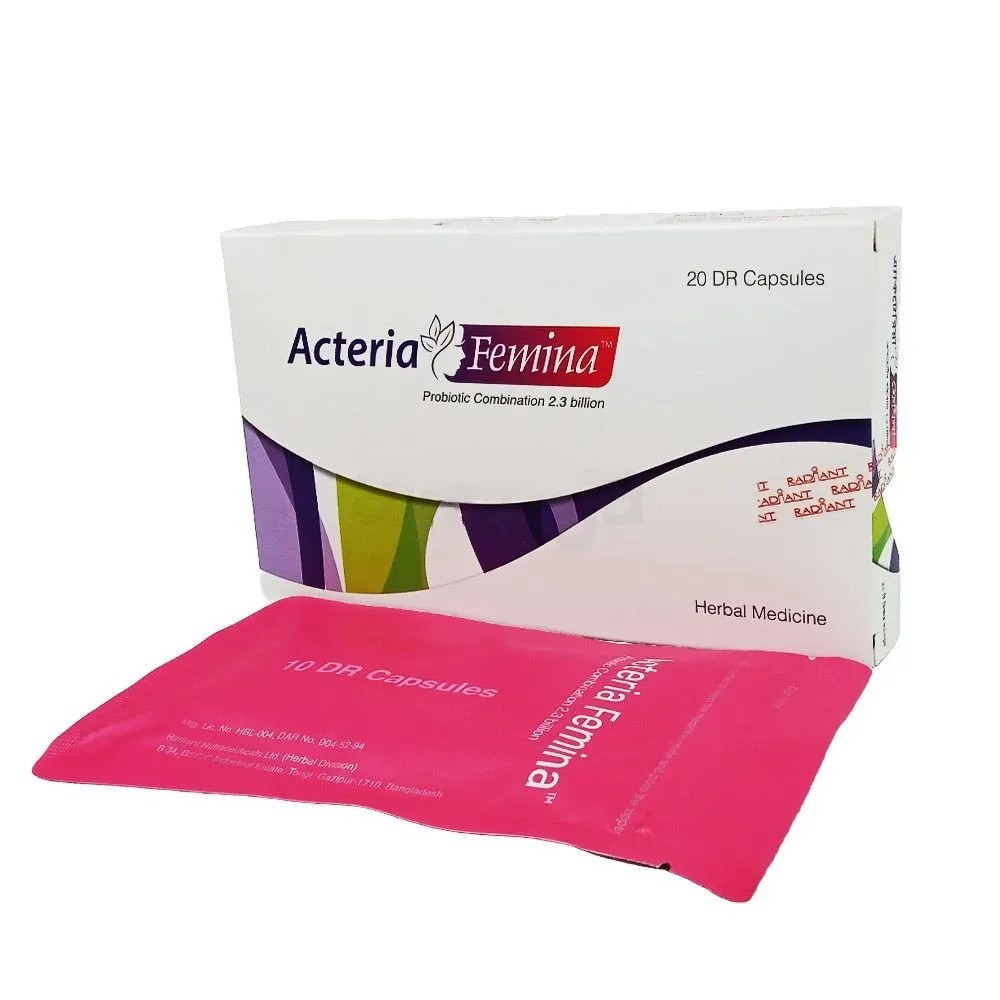
Probiotic Combination [2.3 Billion] refers to a dietary supplement containing a blend of beneficial microorganisms, including various strains of bacteria and/or yeast, with a total count of 2.3 billion viable organisms per dose. These probiotics are intended to support and enhance gut health by promoting a balanced intestinal microbiota.
Uses
This probiotic combination is commonly used for:
- Supporting digestive health and function.
- Preventing or alleviating symptoms of irritable bowel syndrome (IBS).
- Managing diarrhea, including antibiotic-associated diarrhea.
- Enhancing immune system function.
- Promoting overall gut microbiome balance.
Mechanism of Action
Probiotics work by colonizing the gut with beneficial microorganisms that help to maintain a healthy balance of gut flora. They compete with pathogenic bacteria for nutrients and adhesion sites, produce antimicrobial substances, and modulate the immune response. This helps to prevent overgrowth of harmful bacteria and supports a healthy digestive system.
How Long Does It Take to Work?
The effects of probiotics can vary depending on the individual and the specific strains used. Generally, users may start to notice improvements in digestive health and symptoms within 1 to 2 weeks of consistent use. For chronic conditions, it may take several weeks or months to achieve optimal benefits.
Absorption
Probiotics are not absorbed into the bloodstream. Instead, they act locally within the gastrointestinal tract. The microorganisms in the probiotic combination survive the passage through the stomach and intestines to exert their effects in the colon.
Route of Elimination
Probiotics are naturally eliminated from the body through fecal excretion. The beneficial microorganisms pass through the digestive system and are expelled as part of the normal bowel movements.
Dosage
Take 1 to 2 capsules with food, preferably with breakfast daily. Or, as directed by the registered physician.The dosage of the probiotic combination may vary depending on the product and the specific health needs of the individual. Typically, the recommended dose is 1 to 2 capsules or tablets daily, or as directed by a healthcare provider. The dosage should be followed according to the instructions on the product label.
Administration
Probiotic Combination [2.3 Billion] is usually administered orally in the form of capsules, tablets, or powders. It is best taken with or after a meal to help protect the probiotics from stomach acid and improve their survival through the digestive tract.
Side Effects
Common side effects of probiotics may include:
- Gas or bloating.
- Digestive discomfort.
- Mild diarrhea during the initial adjustment period.
Toxicity
Probiotics are generally considered safe and have a low risk of toxicity. However, individuals with compromised immune systems or underlying health conditions should consult with a healthcare provider before starting probiotics. In rare cases, excessive consumption or contamination of probiotic supplements could lead to infections or adverse effects.
Precautions
Precautions to consider include:
- Consulting a healthcare provider before use, especially if pregnant, nursing, or suffering from a chronic illness.
- Monitoring for any adverse reactions, particularly if taking high doses.
- Ensuring the probiotic product is stored properly to maintain its potency.
Interaction
Probiotics generally have minimal interactions with other medications. However, they may affect the absorption of certain drugs or alter the effectiveness of specific medications. It is advisable to consult a healthcare provider about potential interactions with other treatments or supplements.
Disease Interaction
Individuals with certain conditions should use probiotics with caution:
- Immunocompromised individuals or those with severe underlying health conditions, as they may be at higher risk for infections.
- Patients with gastrointestinal conditions such as small intestinal bacterial overgrowth (SIBO) or severe pancreatitis.
Drug Interaction
Probiotics may interact with antibiotics by potentially reducing their efficacy. It is generally recommended to take probiotics at least 2 hours apart from antibiotics to minimize potential interactions.
Food Interactions
There are generally no significant food interactions with probiotics. However, consuming them with a meal may help improve the survival of the microorganisms through the digestive tract. It is advisable to follow the specific instructions on the product label regarding food consumption.
Pregnancy Use
Probiotics are generally considered safe for use during pregnancy. However, pregnant women should consult with their healthcare provider before starting any new supplement, including probiotics, to ensure safety and appropriateness for their individual circumstances.
Lactation Use
Probiotics are also considered safe for use during lactation. The beneficial microorganisms do not pass into breast milk in significant amounts. Nevertheless, it is best to consult with a healthcare provider before using any new supplement while breastfeeding.
Acute Overdose
Acute overdose of probiotics is unlikely to occur, as they are naturally occurring organisms and are not typically associated with toxic effects. In case of any adverse reactions or excessive consumption, consult with a healthcare provider for guidance.
Contraindication
Probiotics should be avoided by individuals with severe immunodeficiency or those who have a compromised immune system, as they may be at risk of infections. Additionally, individuals with a known allergy to any component of the probiotic formula should avoid its use.
Use Direction
Follow the dosage instructions provided on the product label or as advised by a healthcare provider. Probiotics should be taken consistently for best results, and it is important to adhere to the recommended dosage to avoid potential side effects.
Storage Conditions
Probiotic supplements should be stored in a cool, dry place away from direct sunlight and moisture. Some probiotic products may require refrigeration to maintain their potency. Always check the storage instructions on the product label.
Volume of Distribution
Probiotics do not have a traditional volume of distribution like systemic drugs, as they act locally within the gastrointestinal tract. Their efficacy depends on their ability to survive and colonize the gut flora.
Half Life
The concept of half-life does not apply to probiotics in the same way as it does for systemic drugs. Probiotics do not have a systemic half-life as they remain in the gastrointestinal tract and are gradually eliminated through fecal excretion.
Clearance
Probiotics are cleared from the body through natural gastrointestinal processes. They are not absorbed into the bloodstream, so their clearance is primarily via fecal excretion.