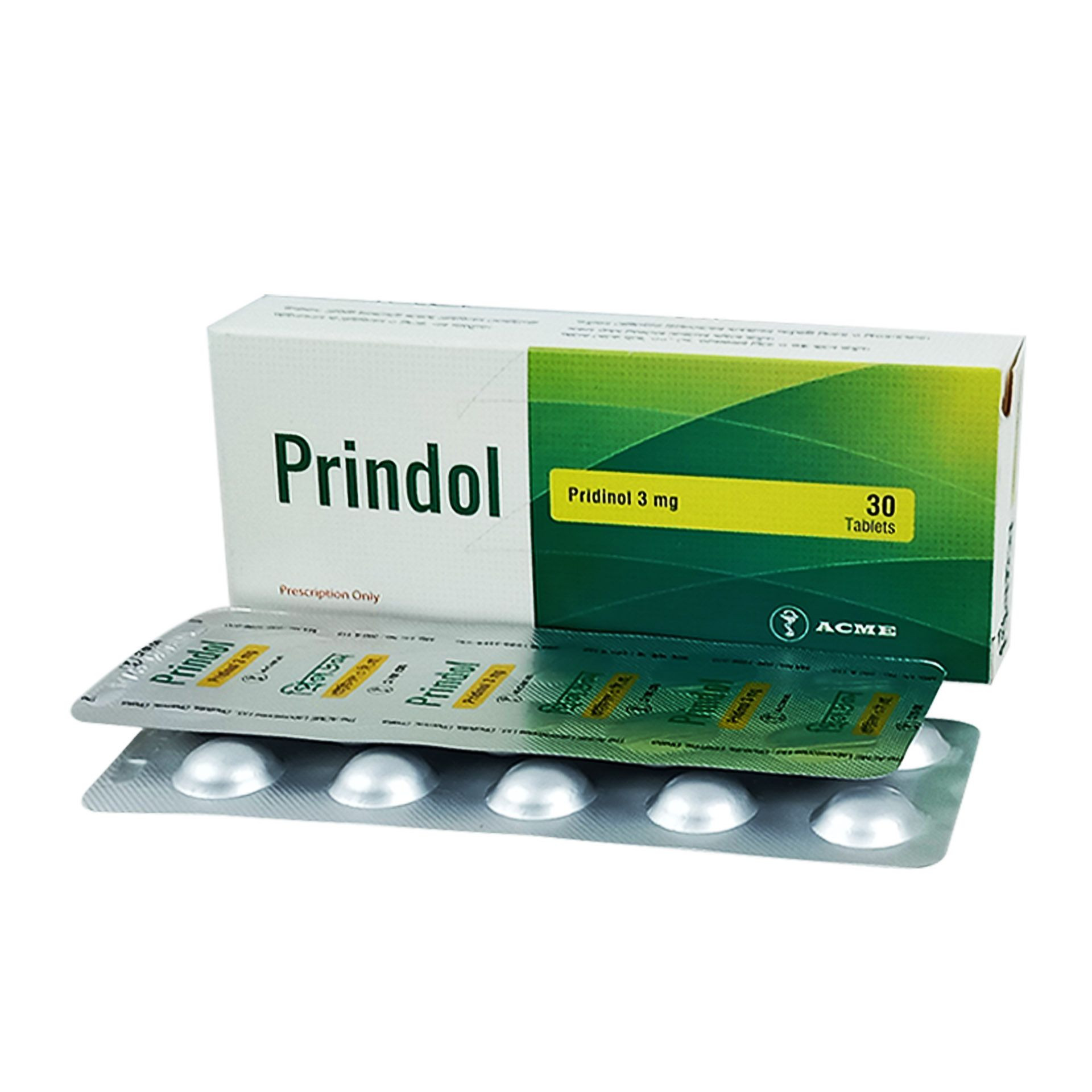
Introduction
Pridinol mesilate is a muscle relaxant used to treat muscle spasms and pain associated with musculoskeletal conditions. It works by blocking cholinergic receptors and reducing muscle hyperactivity.
Uses
Pridinol mesilate is primarily used for the treatment of muscle spasms, stiffness, and pain due to conditions such as arthritis, back pain, and other musculoskeletal disorders.
Mechanism of Action
Pridinol mesilate acts on the central nervous system by blocking cholinergic receptors, resulting in muscle relaxation and decreased muscle hyperactivity. It reduces the excitation of skeletal muscles, leading to relief from spasms.
How Long Does It Take to Work?
The onset of action of pridinol mesilate is usually within 30 minutes to an hour after oral administration. The time may vary depending on the patient's condition and the route of administration.
Absorption
Pridinol mesilate is absorbed in the gastrointestinal tract following oral administration. Its absorption rate can be influenced by food intake and other factors affecting the digestive system.
Route of Elimination
Pridinol mesilate is metabolized in the liver and is primarily excreted through the kidneys in the urine. A small portion may be eliminated via feces.
Dosage
1.5-3 mg pridinol 3 times daily. The duration of administration is decided by the treating doctor. The administration is independent of meals, with the onset of the effect being faster when taken before meals. Tablets should be taken with sufficient fluid (e.g. 1 glass of water) and not chewed.The typical dosage of pridinol mesilate for adults ranges from 1-4 mg, taken orally 2-3 times daily, depending on the severity of the symptoms and the patient's response to the drug.
Administration
Pridinol mesilate is administered orally, either in tablet form or as a solution. It can also be administered intramuscularly or intravenously by a healthcare professional in more severe cases.
Side Effects
Common side effects include drowsiness, dry mouth, dizziness, nausea, blurred vision, and gastrointestinal disturbances. In some cases, patients may experience tachycardia, headache, or allergic reactions.
Toxicity
In cases of overdose, pridinol mesilate may lead to severe anticholinergic effects such as confusion, hallucinations, arrhythmia, and seizures. Immediate medical attention is required in such cases.
Precautions
Patients with a history of glaucoma, myasthenia gravis, or other neuromuscular disorders should use pridinol mesilate with caution. It may also exacerbate conditions like prostatic hypertrophy or bladder obstruction.
Interaction
Pridinol mesilate can interact with other anticholinergic drugs, enhancing their effects. It can also interact with alcohol, leading to increased drowsiness and impairment.
Disease Interaction
Pridinol mesilate should be used cautiously in patients with conditions such as glaucoma, cardiac arrhythmias, and urinary retention. It may worsen symptoms associated with these diseases.
Drug Interaction
It may interact with sedatives, tricyclic antidepressants, antipsychotics, and other muscle relaxants, potentially leading to increased sedation and other adverse effects.
Food Interactions
Taking pridinol mesilate with food may delay its absorption, but it can also help reduce gastrointestinal side effects. It is recommended to take the drug with or after meals.
Pregnancy Use
There is limited data on the use of pridinol mesilate during pregnancy. It should be used only if the potential benefits justify the risks to the fetus. Always consult a healthcare provider before using this medication during pregnancy.
Lactation Use
Pridinol mesilate is excreted in breast milk in small amounts. Caution is advised when administering this medication to breastfeeding women.
Acute Overdose
Symptoms of acute overdose may include confusion, hallucinations, severe tachycardia, arrhythmias, hyperthermia, and seizures. Emergency medical care is required, with supportive measures including activated charcoal or gastric lavage.
Contraindication
Pridinol mesilate is contraindicated in patients with hypersensitivity to the drug or any of its components, as well as in patients with untreated glaucoma, myasthenia gravis, or obstructive uropathy.
Use Direction
The drug should be taken according to the prescribed dosage schedule, with or after meals. Avoid abrupt discontinuation without consulting a healthcare provider, especially if the drug is used for long-term management of muscle spasms.
Storage Conditions
Store pridinol mesilate in a cool, dry place away from direct light and moisture. Keep out of reach of children. The recommended storage temperature is below 30°C.
Volume of Distribution
The exact volume of distribution of pridinol mesilate is not well-documented, but it is presumed to have a moderate volume of distribution based on its pharmacological profile.
Half Life
The half-life of pridinol mesilate ranges between 2 to 6 hours, depending on the patient's metabolism and the dose administered.
Clearance
The clearance of pridinol mesilate primarily occurs through the kidneys after hepatic metabolism. Renal function may influence the rate of drug elimination.