Introduction
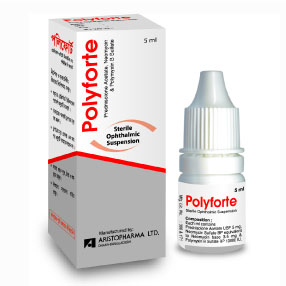
The combination of Prednisolone, Neomycin Sulphate, and Polymixin B Sulphate is used in topical formulations to treat inflammatory and infectious conditions of the skin, ears, and eyes. This combination leverages the anti-inflammatory effects of Prednisolone with the antibiotic properties of Neomycin and Polymixin B to provide a broad spectrum of action against both inflammation and bacterial infections.
Uses
This combination is commonly used for:
- Treating inflammatory skin conditions such as eczema, dermatitis, and allergic reactions when complicated by bacterial infections.
- Managing ear infections, including otitis externa, where inflammation and bacterial infection are present.
- Addressing conjunctivitis and other ocular infections when inflammation and bacterial infection are involved.
Mechanism of Action
Prednisolone is a corticosteroid that works by reducing inflammation and suppressing the immune response. Neomycin Sulphate and Polymixin B Sulphate are antibiotics with broad-spectrum activity against various bacteria. Neomycin inhibits bacterial protein synthesis by binding to the 30S ribosomal subunit, while Polymixin B disrupts bacterial cell membrane integrity, leading to cell death. The combination effectively reduces inflammation and combats bacterial infections.
How Long Does It Take to Work?
The onset of action can vary depending on the condition being treated. Typically, improvements in inflammation and infection symptoms are observed within a few days of initiating treatment. However, the full therapeutic effects may take up to 1-2 weeks to become evident, particularly in cases of chronic or severe conditions. It is important to follow the prescribed duration of therapy to ensure complete resolution of symptoms.
Absorption
When applied topically, the absorption of Prednisolone, Neomycin Sulphate, and Polymixin B Sulphate into the systemic circulation is minimal. However, in cases of prolonged use or application over large areas of the skin, systemic absorption may occur, particularly with Prednisolone. In such cases, the risk of systemic side effects should be monitored.
Route of Elimination
For topical use, the route of elimination primarily involves the local metabolism of the drugs at the site of application. Systemically absorbed Prednisolone is metabolized in the liver and excreted in the urine. Neomycin and Polymixin B are largely excreted unchanged in the urine, with minimal systemic absorption from topical application.
Dosage
To treat the eye: 1 drop every 3 to 4 hours, or more frequently as required.To treat the lids: instill 1 drop in the eye every 3 to 4 hours, close the eye and rub the excess on the lids and lid margins.
To treat the surrounding skin areas: where the eye or lid inflammation co-exists with surrounding skin involvement, drops may be spread liberally on the area and allowed to dry.
Pediatric Use: Safety and effectiveness in children have not been evaluated.
The dosage and frequency of application depend on the specific formulation and the condition being treated. General guidelines include:
- Topical creams or ointments: Apply a thin layer to the affected area 1-3 times daily, or as directed by a healthcare provider.
- Ear drops: Typically, 3-4 drops are administered into the affected ear(s) 2-3 times daily, or as directed.
- Ocular preparations: Usually, 1-2 drops are applied to the affected eye(s) 3-4 times daily, or as prescribed.
Administration
Administration methods depend on the formulation:
- Topical creams or ointments: Apply to the skin as directed, avoiding sensitive areas such as the eyes, mouth, and open wounds.
- Ear drops: Administer while tilting the head to allow proper penetration into the ear canal.
- Ocular drops: Apply to the conjunctival sac of the eye(s) as directed, avoiding contact with the eye's surface or surrounding tissues.
Side Effects
Potential side effects include:
- Topical irritation, redness, or burning sensation at the application site.
- Dryness or peeling of the skin.
- Systemic effects from prolonged use, such as adrenal suppression or hormonal imbalances.
- Allergic reactions, including rash or itching.
Toxicity
Toxicity is rare with appropriate use, but excessive or prolonged application can lead to systemic absorption of Prednisolone, potentially causing adrenal suppression or other systemic effects. Overuse of topical antibiotics may also lead to secondary fungal infections. In cases of suspected overdose or severe reactions, seek medical attention promptly.
Precautions
Precautions include:
- Avoid application to large areas of skin or broken skin to reduce systemic absorption risk.
- Monitor for signs of secondary infection or allergic reactions.
- Use with caution in patients with a history of hypersensitivity to any component of the formulation.
Interaction
Drug interactions are minimal with topical administration. However, if used in conjunction with other systemic medications, particularly corticosteroids, the risk of systemic side effects may increase. Always inform your healthcare provider of all medications and treatments being used to manage potential interactions.
Disease Interaction
Special consideration is needed for:
- Patients with pre-existing skin conditions or infections, as these may affect the efficacy of treatment.
- Individuals with compromised immune systems, as they may be at higher risk for adverse effects or secondary infections.
Drug Interaction
Drug interactions are less likely with topical use but may occur with systemic medications. Monitor for potential interactions with other corticosteroids or antibiotics if used concurrently. Consult a healthcare provider for advice on managing potential drug interactions.
Food Interactions
There are no significant food interactions reported with the topical use of this combination. However, ensure proper application techniques to avoid ingestion or contact with food.
Pregnancy Use
During pregnancy, this combination should be used only if the potential benefits outweigh the risks. Corticosteroids like Prednisolone may pose risks to the fetus if used in high doses or for prolonged periods. Consult a healthcare provider to evaluate the risk and consider alternative treatments if necessary.
Lactation Use
During lactation, this combination should be used with caution. Prednisolone can be excreted in breast milk, and the effects on the nursing infant should be considered. Use the medication under the guidance of a healthcare provider, and monitor the infant for any adverse effects.
Acute Overdose
Acute overdose from topical application is unlikely, but excessive use can lead to systemic absorption of Prednisolone, causing potential adrenal suppression or other systemic effects. In the case of overdose or severe reactions, discontinue use and seek medical attention immediately.
Contraindication
This combination is contraindicated in individuals with:
- Known hypersensitivity to Prednisolone, Neomycin Sulphate, or Polymixin B Sulphate.
- Active viral, fungal, or tuberculous infections at the application site, as these may worsen with corticosteroid use.
- Open wounds or extensive skin damage where topical application could lead to systemic absorption.
Use Direction
Follow the prescribed dosage and administration instructions carefully:
- Apply the medication to the affected area as directed, avoiding sensitive areas and large areas of skin.
- Complete the full course of treatment even if symptoms improve.
- Consult a healthcare provider if any adverse reactions or concerns arise during treatment.
Storage Conditions
Store the medication in a cool, dry place away from direct sunlight and moisture. Keep it in its original container and out of reach of children. Follow any specific storage instructions provided with the product and avoid using expired medications.
Volume of Distribution
The volume of distribution for topical application is limited, with minimal systemic absorption expected under normal usage. However, systemic absorption of Prednisolone can occur with prolonged use or application to large areas of the skin.
Half Life
The half-life of Prednisolone in systemic circulation is approximately 2 to 4 hours. However, with topical use, the systemic half-life is not a primary consideration. The duration of action of the topical formulation is based on local effects and the formulation's stability.
Clearance
Prednisolone is cleared primarily through hepatic metabolism and renal excretion. Neomycin and Polymixin B are cleared from the body through renal excretion. Systemic clearance is minimal with appropriate topical use, but monitoring may be necessary if there is significant systemic absorption.