Introduction
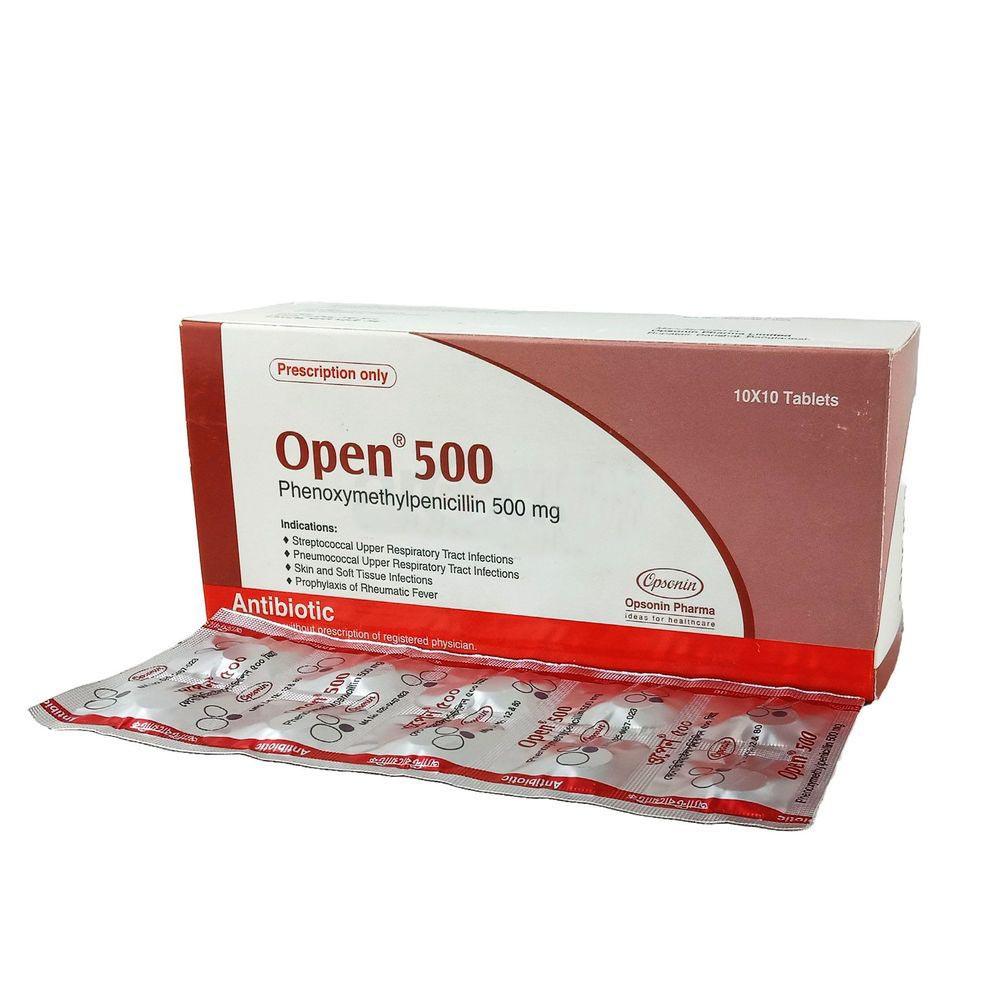
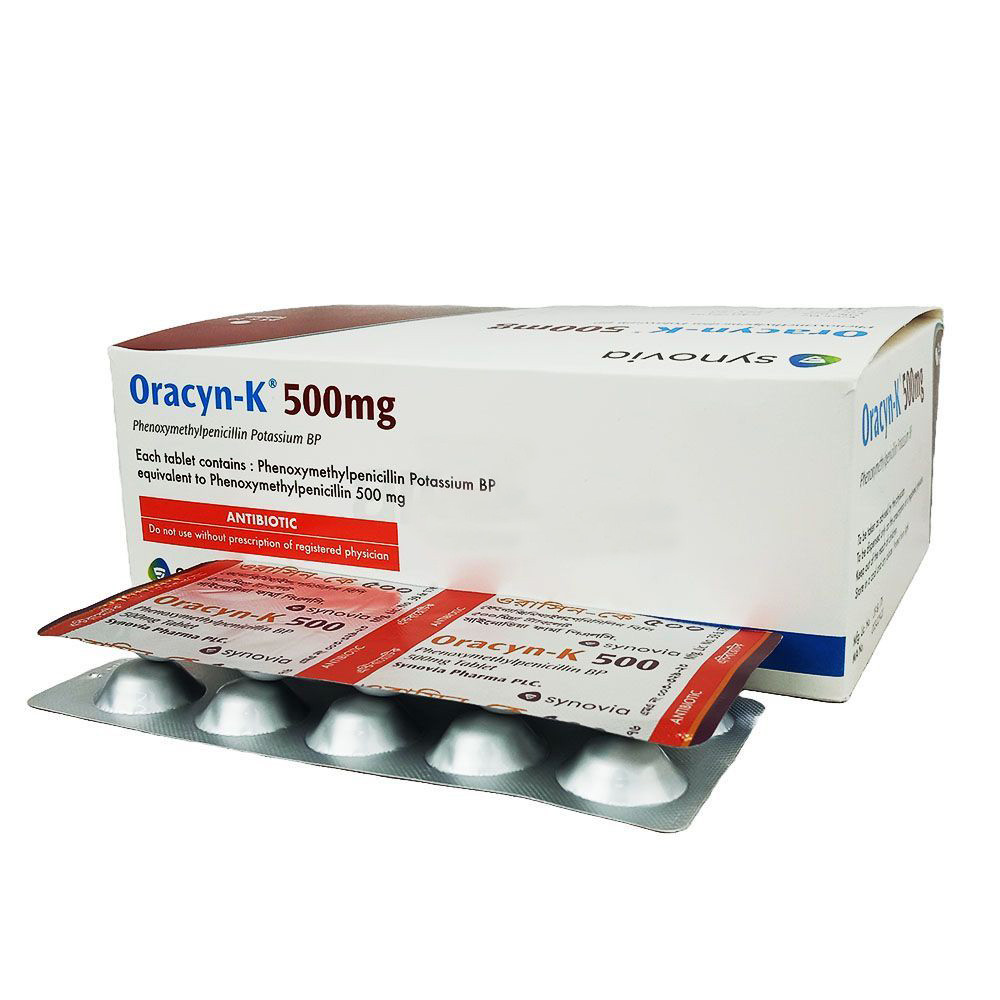
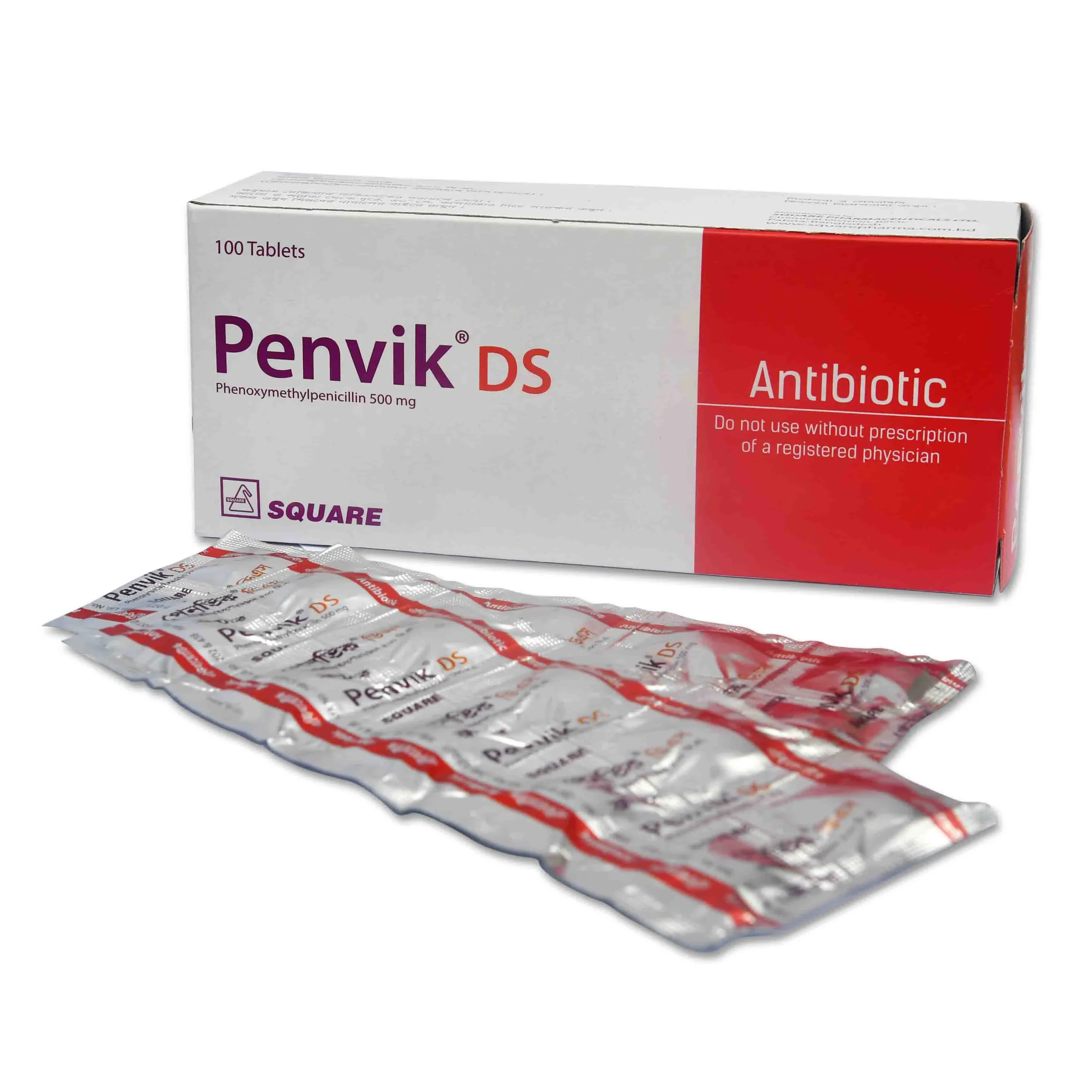
Phenoxymethylpenicillin is a narrow spectrum antibiotic also commonly referred to as Penicillin V or Penicillin VK. It is a phenoxymethyl analog of Penicillin G, or benzylpenicillin. An orally active naturally penicillin, phenoxymethylpenicillin is used to treat mild to moderate infections in the respiratory tract, skin, and soft tissues caused by penicillin G-sensitive microorganisms. Phenoxymethylpenicillin has also be used in some cases as prophylaxis against susceptible organisms. While there have been no controlled clinical efficacy studies that were conducted, phenoxymethylpenicillin has been suggested by the American Heart Association and the American Dental Association for use as an oral regimen for prophylaxis against bacterial endocarditis in patients with congenital heart disease or rheumatic or other acquired valvular heart disease when they undergo dental procedures and surgical procedures of the upper respiratory tract, except for those who are at an elevated risk for endocarditis.
Uses
Phenoxymethylpenicillin is a penicillin antibiotic used to prevent and treat mild to moderately severe infections in the respiratory tract, skin, and soft tissues.
Indicated for the treatment of mild to moderately severe infections due to penicillin G-sensitive microorganisms, with the use of bacteriological studies (including sensitivity tests) and clinical response.
Phenoxymethylpenicillin may be used for the treatment of:
- mild to moderate infections of the upper respiratory tract, scarlet fever, and mild erysipelas caused by Streptococcus without bacteremia
- mild to moderately severe infections of the respiratory tract caused by Pneumococcus
- mild infections of the skin and soft tissues caused by penicillin G-sensitive Staphylococcus
- mild to moderately severe infections of the oropharynx caused by Fusospirochetosis, including Vincent’s gingivitis and pharyngitis, usually respond to oral penicillin therapy
Off-label
Indicated for use as prophylaxis against bacterial endocarditis in patients with congenital heart disease or rheumatic or other acquired valvular heart disease when they undergo dental procedures and surgical procedures of the upper respiratory tract.
Associated Conditions
Pharmacodynamics
Phenoxymethylpenicillin works against penicillin-sensitive microorganisms with bactericidal effects. It targets the bacteria during its active multiplication stage by interfering with bacterial cell wall peptidoglycan synthesis. In vitro, phenoxymethylpenicillin was shown to be active against staphylococci (except penicillinase-producing strains), streptococci (groups A, C, G, H, L and M), and pneumococci, as well as Corynebacterium diphtheriae, Bacillus anthracis, Clostridia, Actinomyces bovis, Streptobacillus moniliformis, Listeria monocytogenes, Leptospira, Neisseria gonorrhoeae, and Treponema pallidum.
Mechanism of Action
Phenoxymethylpenicillin inhibits the biosynthesis of cell wall mucopeptide by binding to specific penicillin-binding proteins (PBPs) located inside the bacterial cell wall, which are critical in the cell wall synthesis and maintenance, as well as cell division. This disrupts the third and last stage of bacterial cell wall synthesis. This subsequently leads to cell lysis.
Absorption
Upon oral administration, phenoxymethylpenicillin is rapidly but incompletely absorbed. The bioavailability of phenoxymethylpenicillin ranges from 25 to 60%. Compared to the free acid form of the drug, the calcium or potassium salts of phenoxymethylpenicillin displays better absorption profiles. It is reported that fasting state enhances the drug absorption. The peak plasma concentrations of 200 to 700 ng/mL are achieved in 2 hours following an oral dose of 125 mg. Following an oral dose of 500 mg, the peak plasma concentrations of 3 to 5 μg/mL are reached in 30 to 60 minutes post-dose.
Volume of Distribution
Following intravenous administration, the volume of distribution at steady state was 35.4 L. Small amounts of the drug can be found in various tissues, with the highest amount found in the kidneys, with lesser amounts in the liver, skin, and intes tines. Phenoxymethylpenicillin was found in the cerebrospinal fluid. Phenoxymethylpenicillin was detectable in the placenta and human breast milk.
Protein Binding
Upon oral administration, about 50-80% of the drug is bound to plasma proteins.
Route of Elimination
While the drug is rapidly excreted, only 25% of the total dose is detected in the urine. Renal excretion may be delayed in neonates, young infants, and patients with renal impairment.
Half Life
Upon oral administration, the half-life is about 30 minutes. It can last up to 4 hours in patients with renal impairment.
Toxicity
The oral LD50 is >1040 mg/kg in rats. Nausea, vomiting, black hairy tongue, and epigastric distress are common reactions to oral penicillins. In rare cases, neuromuscular sensitivity and seizures may be seen with antibiotics and supportive treatments are advised and further drug absorption should be limited through induced emesis or gastric lavage, followed by administration of activated charcoal. Severe hypersensitivity reactions, often leading to death, have been reported with penicillin therapies. Although phenoxymethylpenicillin was shown to be excreted in human breast milk, the use of this drug in pregnant or nursing women is regarded generally safe.
Food Interactions
- Take on an empty stomach. Absorption is increased 1 hour before or 2 hours after food.
Dosage
Adults: 250-500 mg 6 hourly
Children (above 1 year):
- 125-250 mg 6 hourly
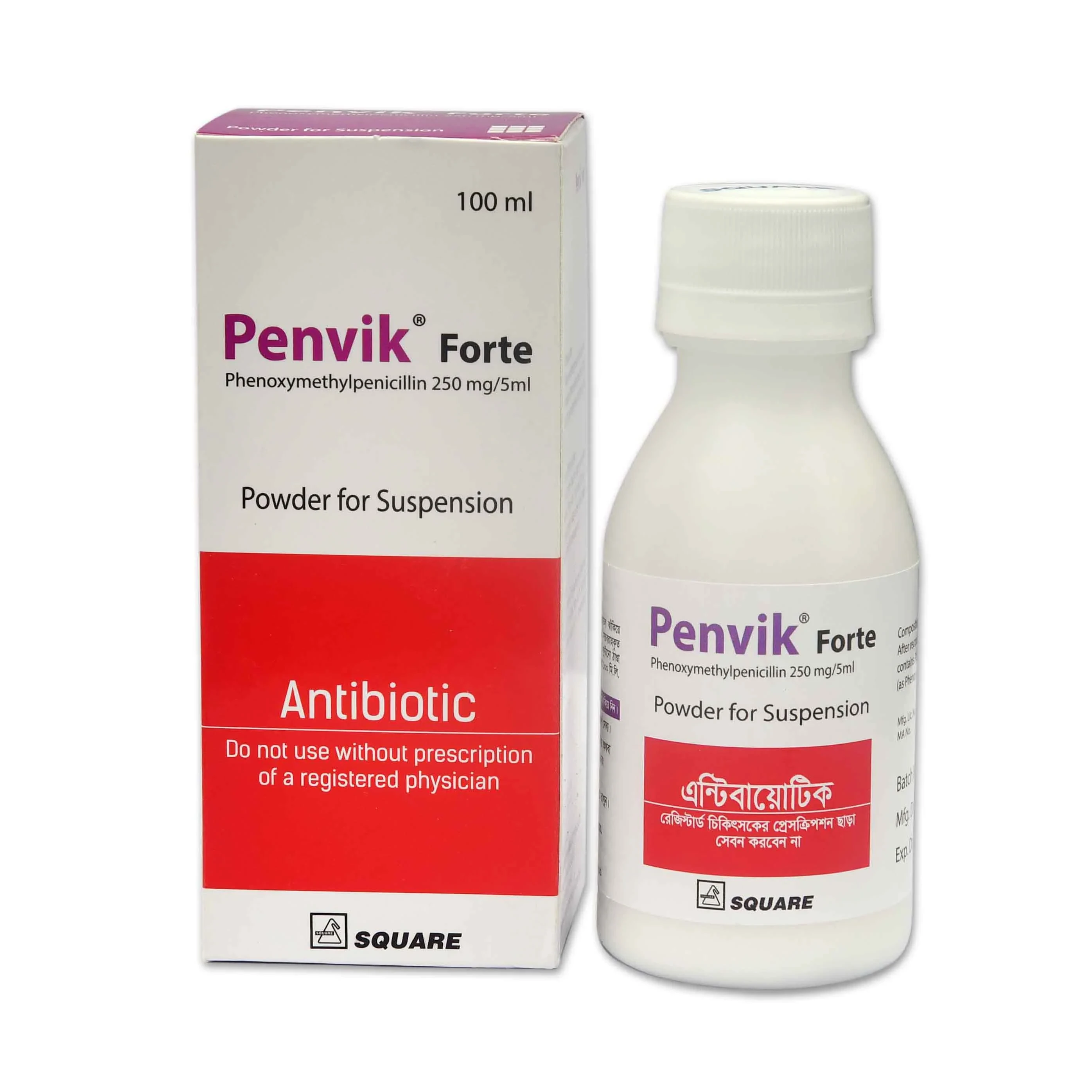
- 125 mg/5 ml powder for suspension: 1-2 teaspoonful (5-10 ml) 6 hourly
- 250 mg/5 ml powder for suspension: ½-1 teaspoonful (2.5-5 ml) 6 hourly
- 62.5-125 mg 6 hourly.
- 125 mg/5 ml powder for suspension: ½-1 teaspoonful (2.5-5 ml) 6 hourly, or as prescribed by the physician.