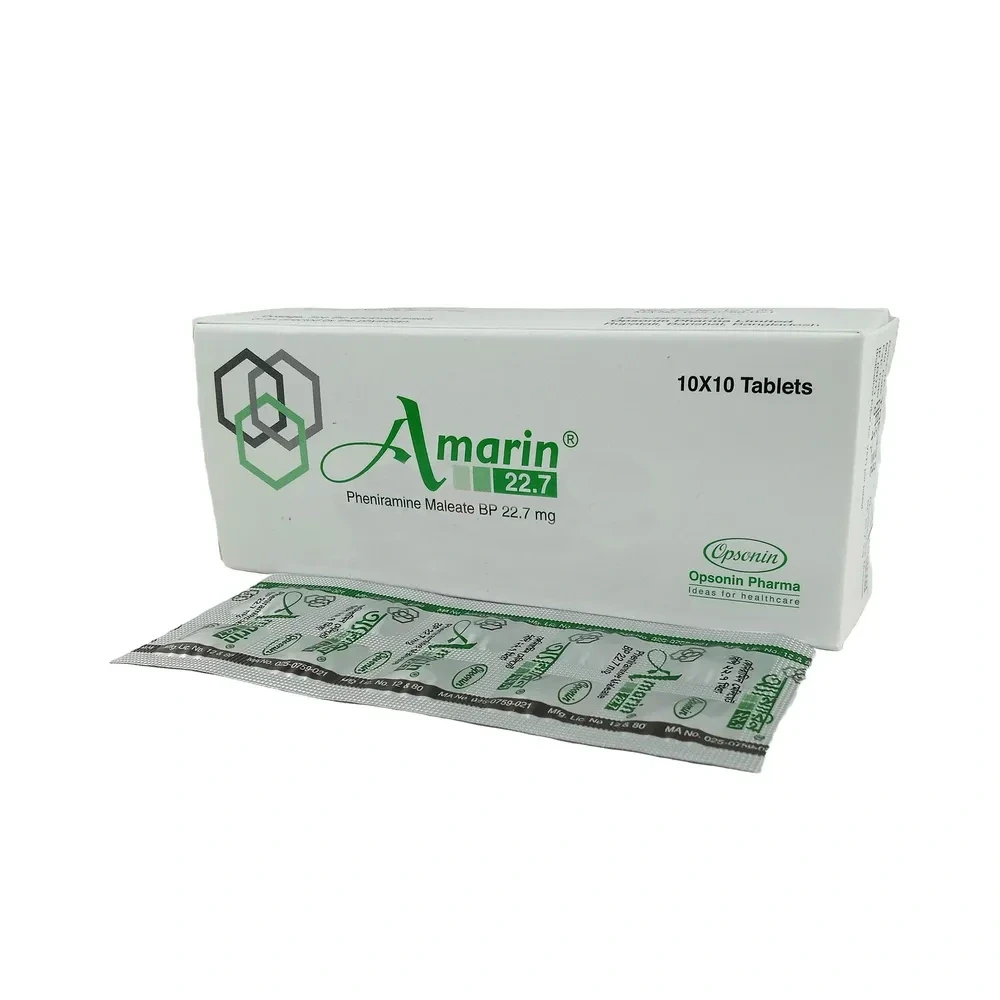
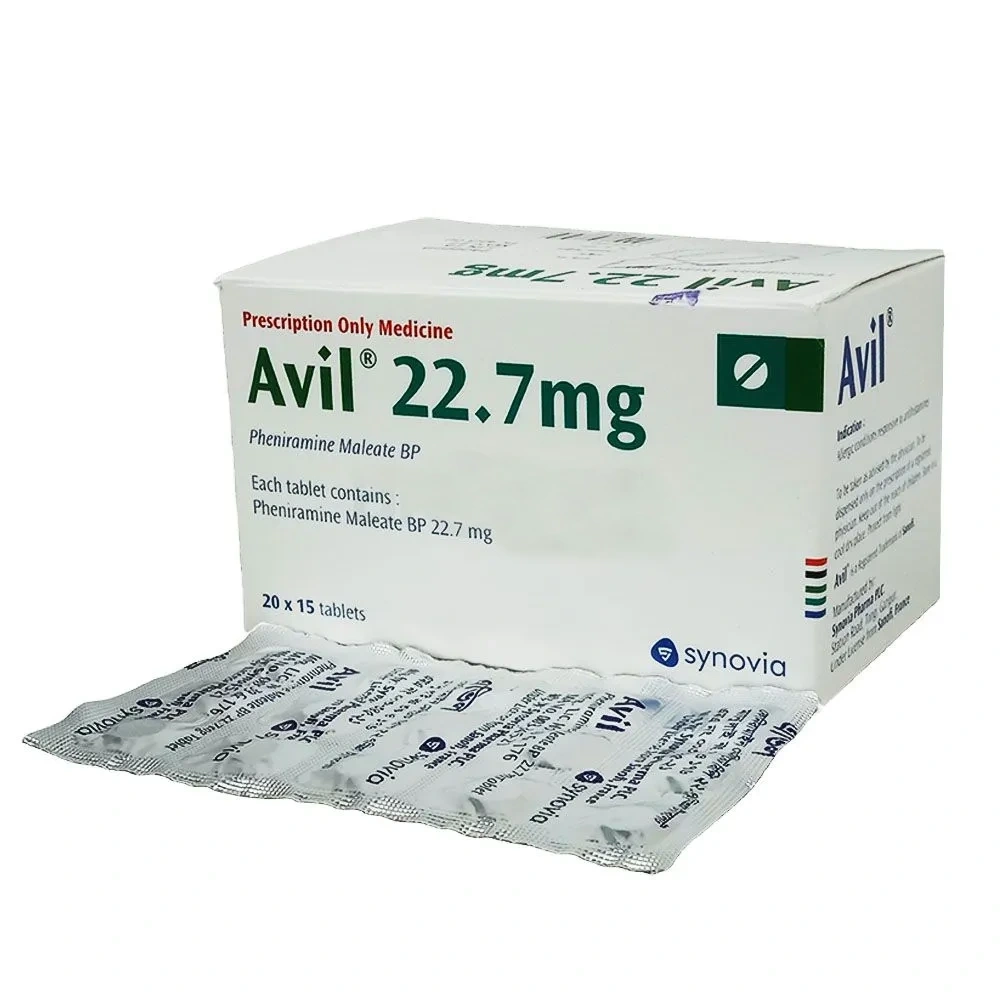
Introduction
Pheniramine is a first generation antihistamine in the alkylamine class, similar to brompheniramine and chlorpheniramine. It is used in some over-the-counter allergy as well as cold & flu products in combination with other drugs. Pheniramine's use as an anti-allergy medication has largely been supplanted by second generation antihistamines such as [cetirazine] and [loratidine].
Uses
Pheniramine is an antihistamine used to treat allergic rhinitis and pruritus.
Pheniramine is commonly used in over-the-counter products to treat seasonal allergies or cold and flu symptoms.
Associated Conditions
Pharmacodynamics
Pheniramine acts as an antagonist to allergic symptoms stemming from inappropriate histamine release to reduce edema, itching, and redness. The same antihistamine effect also produces sedation by acting in the central nervous system.
Mechanism of Action
Pheniramine competes with histamine for the histamine H1 receptor, acting as an inverse agonist once bound. The reduction in H1 receptor activity is responsible for reduced itching as well as reduced vasodilation and capillary leakage leading to less redness and edema. This can be seen in the suppression of the histamine-induced wheal (swelling) and flare (vasodilation) response. Inverse agonism of the H1 receptor in the CNS is also responsible for the sedation produced by first-generation antihistamines like pheniramine. The binding of pheniramine to H4 receptors, and subsequent inverse agonism, may also contribute to reduced itching by antagonizing inflammation.
Absorption
The administration of 30.5 mg of free base pheniramine resulted in a Cmax of 173-294 ng/L with a Tmax of 1-2.5 h.
Route of Elimination
Pheniramine is eliminated by metabolism and via renal excretion. 24.3% of pheniramine is present in the urine as the parent drug.
Half Life
The terminal half-life of pheniramine administered via IV is 8-17 h.
Toxicity
Case reports involving pheniramine overdosage mention the rare possibility of arrythmias, cutaneous eruptions, and rhabdomyolysis with acute kidney injury. The administration of activated charcoal effectively prevents the absorption of pheniramine as it largely adsorbs to the charcoal, therefore this may be of benefit in cases of overdose if provided early after ingestion.
Food Interactions
No interactions found.
Dosage
To prevent travel sickness, it is recommended that the first dose be taken at least 30 minutes before traveling. Due to the risk of drowsiness, the patient should not drive a motor vehicle or operate machinery after taking a dose.
Pheniramine Maleate tablets:
- In adults and children over 10 years of age: Treatment is commenced with half a tablet taken up to three times daily. This dose may be increased to one tablet taken up to three times daily if required.
- Children 5-10 years of age: Half a tablet up to three times daily. Pheniramine Maleate tablets are not recommended in children under 5 years of age.