Introduction
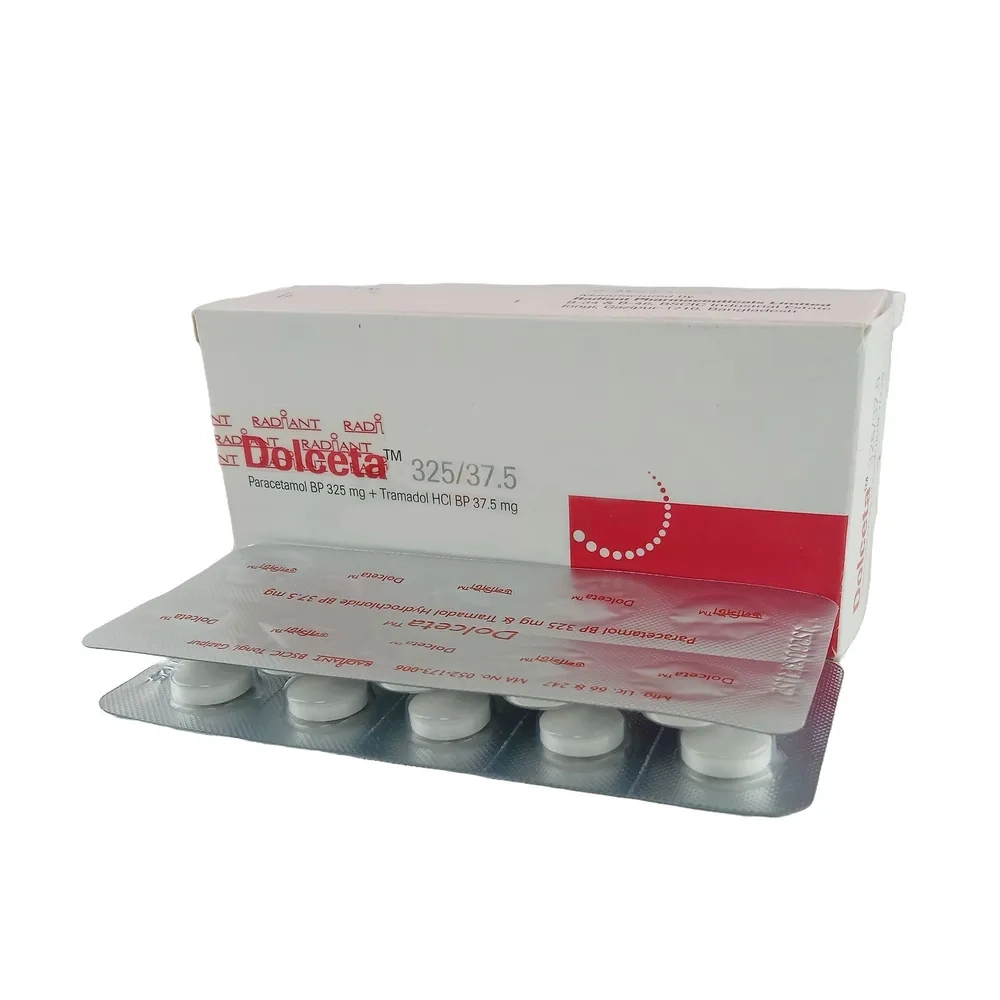
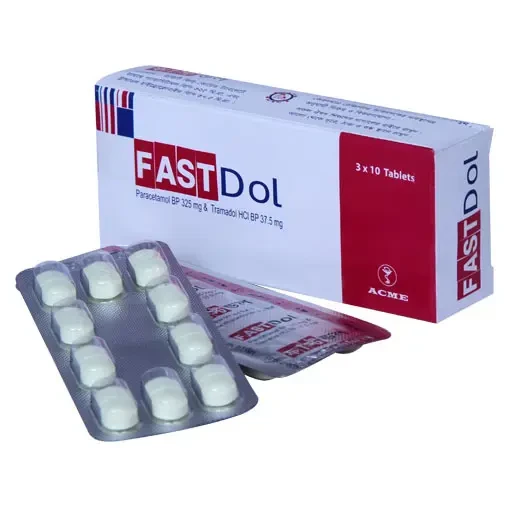
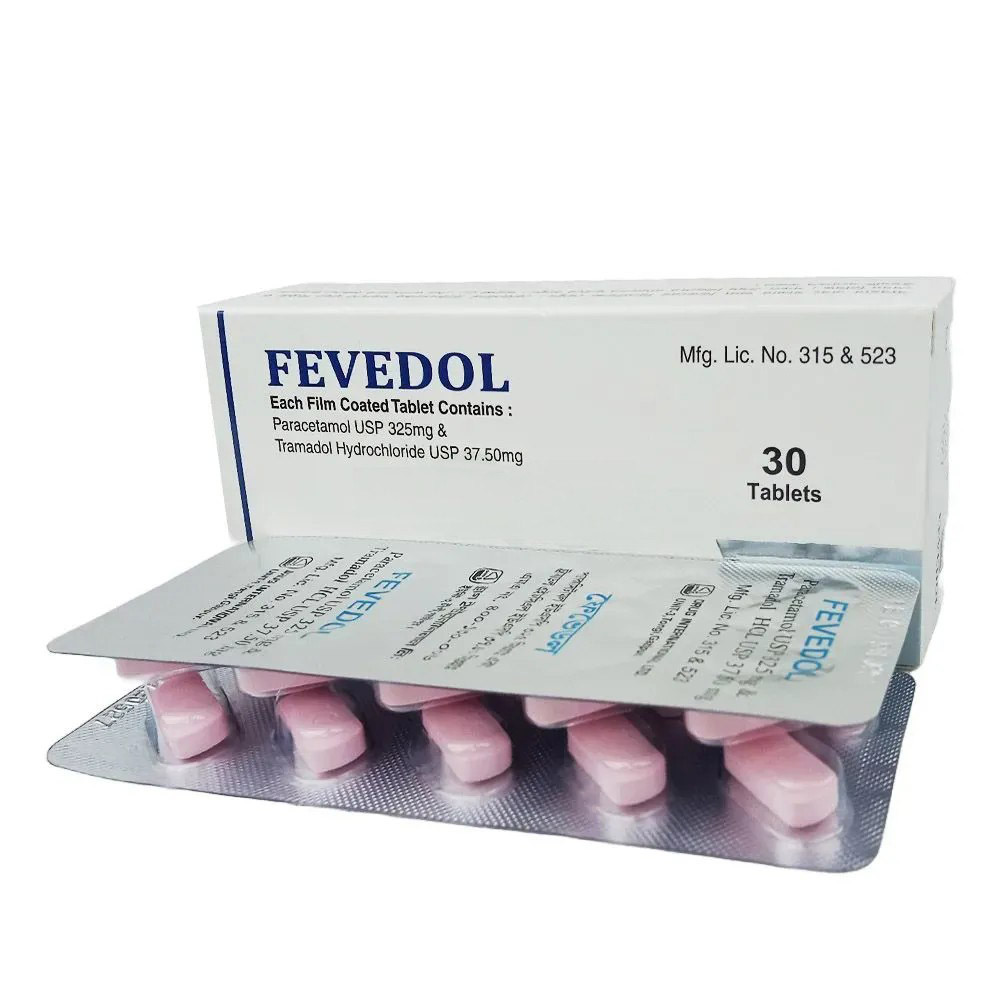
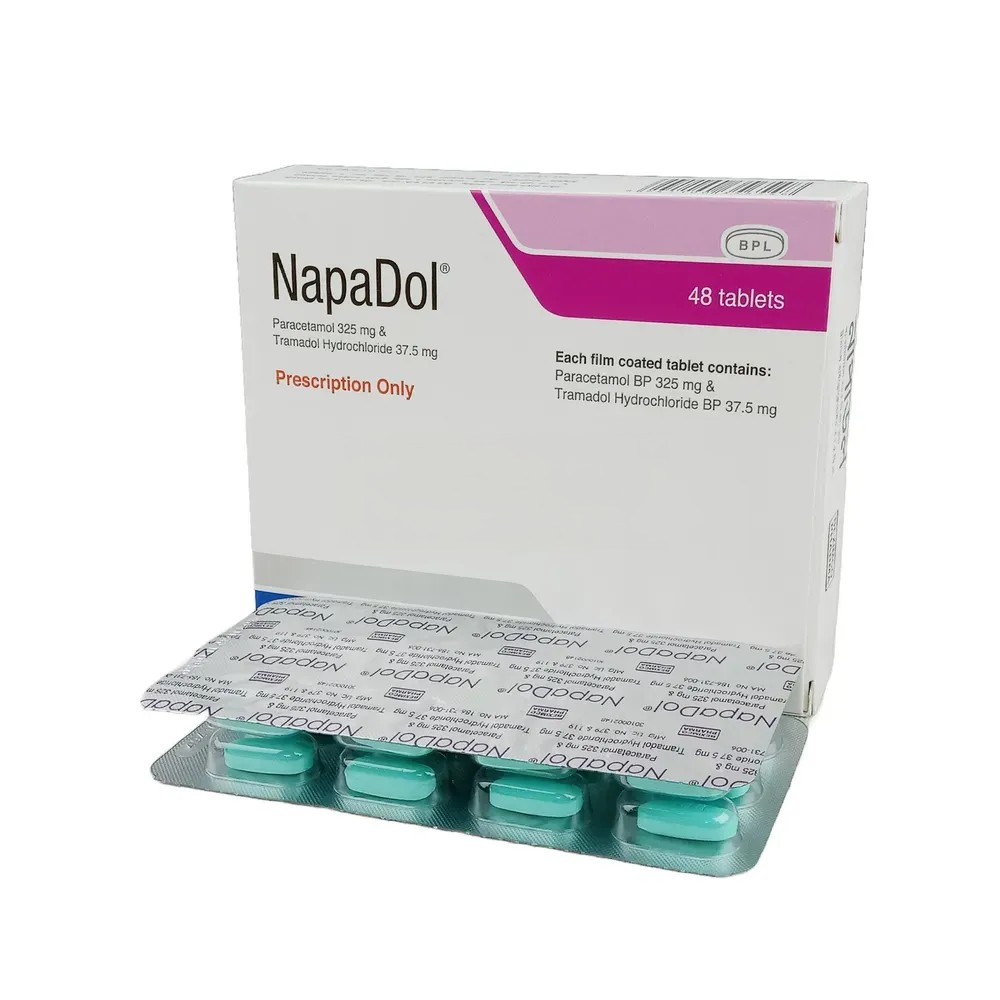
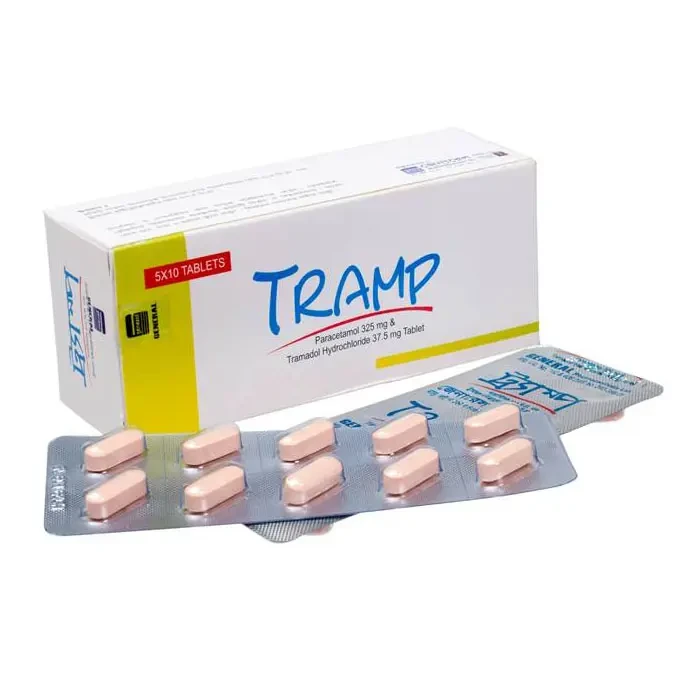
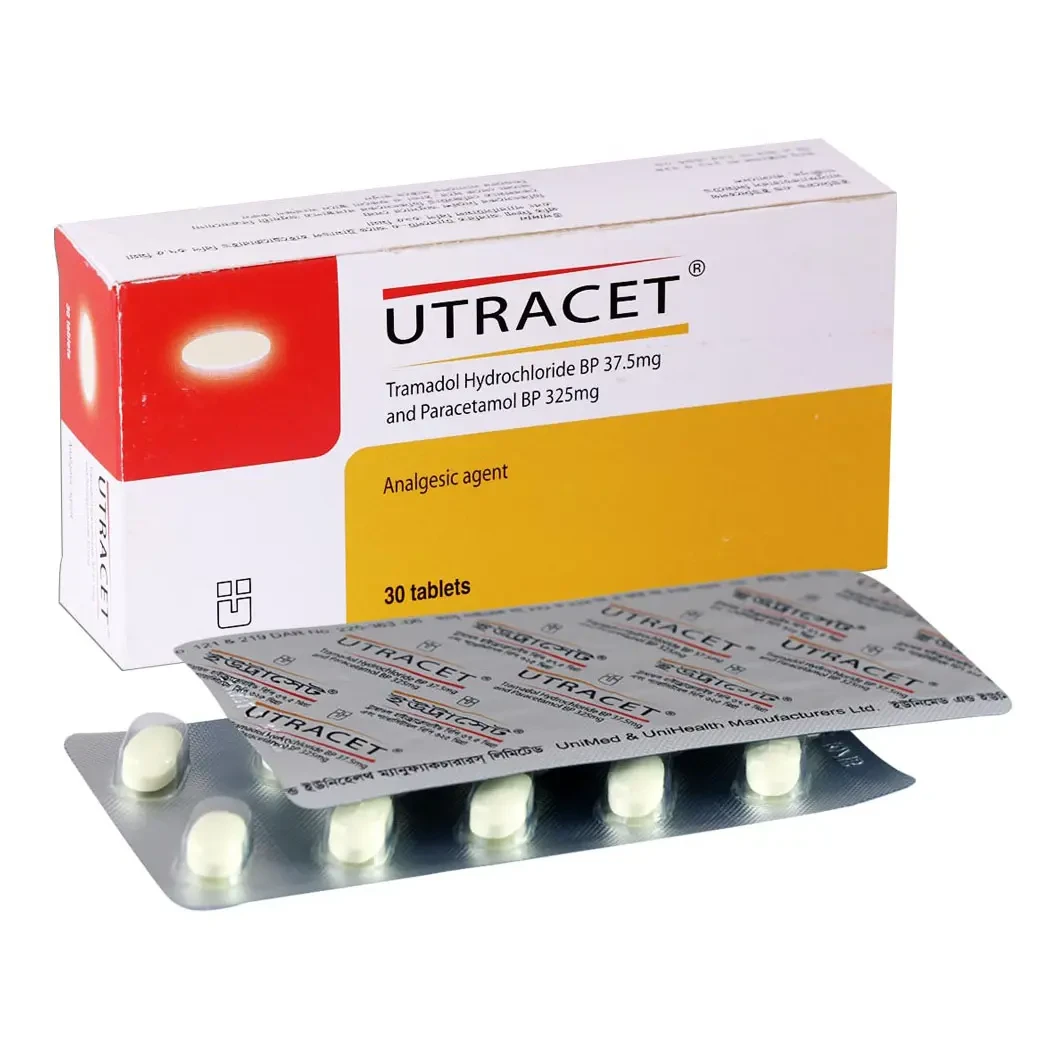
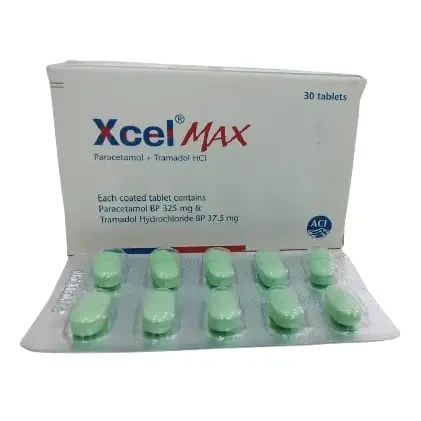
Paracetamol (also known as acetaminophen) and Tramadol Hydrochloride are combined in a single medication to provide enhanced pain relief. Paracetamol is a widely used analgesic and antipyretic, while Tramadol is a centrally acting analgesic. The combination is used to manage moderate to severe pain where single-agent therapy might be insufficient.
Uses
The combination of Paracetamol and Tramadol Hydrochloride is used for:
- Management of moderate to severe pain, such as pain following surgery, injury, or chronic pain conditions where other analgesics are inadequate.
- It is also used for pain that is not relieved by other medications and for patients who require both an opioid and non-opioid pain relief in a single formulation.
Mechanism of Action
Paracetamol works primarily in the central nervous system to reduce pain and fever. Its exact mechanism is not fully understood, but it is believed to involve inhibition of prostaglandin synthesis in the brain. Tramadol, on the other hand, is a centrally acting analgesic that works through two mechanisms: it binds to the µ-opioid receptor and inhibits the reuptake of norepinephrine and serotonin, enhancing its analgesic effect. The combination provides a synergistic effect in pain management.
How Long Does It Take to Work?
The onset of action for Paracetamol is usually within 30 to 60 minutes after oral administration. Tramadol typically begins to relieve pain within 1 hour, with peak effects occurring around 2 to 3 hours after ingestion. The combination provides relief that starts within the first hour and lasts for several hours, depending on the dose and individual patient response.
Absorption
Paracetamol is rapidly absorbed from the gastrointestinal tract, reaching peak plasma concentrations within 30 to 60 minutes after oral administration. Tramadol is also well-absorbed, with peak plasma concentrations occurring within 2 hours. The combination product’s pharmacokinetics reflect the absorption profiles of both drugs.
Route of Elimination
Paracetamol is primarily metabolized in the liver and excreted via the kidneys. Tramadol is metabolized in the liver through conjugation and cytochrome P450 enzymes, and is then excreted in the urine. Both drugs are predominantly eliminated through the kidneys.
Dosage
Adults:
- The usual dosage of the combination product is 1 to 2 tablets every 4 to 6 hours as needed, not exceeding 8 tablets per day.
- Dosage adjustments may be required for patients with liver or renal impairment.
Elderly:
- Dosage may need to be adjusted based on individual tolerability and renal function in elderly patients.
Administration
The combination medication should be taken orally with or without food. It should be swallowed whole with a glass of water and not chewed, crushed, or dissolved. Adherence to the prescribed dosing schedule is important to minimize the risk of adverse effects and to manage pain effectively.
Side Effects
Common side effects include:
- Nausea and vomiting
- Dizziness
- Constipation
- Dry mouth
- Somnolence
Serious side effects may include liver damage (from Paracetamol), respiratory depression, and dependence (from Tramadol).
Toxicity
Overdose of Paracetamol can lead to severe liver damage, characterized by symptoms such as jaundice, abdominal pain, and confusion. Tramadol overdose can cause severe respiratory depression, seizures, and coma. In case of overdose, immediate medical attention is required. Activated charcoal and N-acetylcysteine may be administered for Paracetamol overdose, while opioid antagonists and supportive care are used for Tramadol overdose.
Precautions
Precautions include:
- Monitoring liver function in patients on long-term therapy or those with liver impairment.
- Monitoring for signs of opioid dependence and abuse.
- Caution in patients with a history of seizures or those on medications that may lower seizure thresholds.
Interaction
Drug interactions may occur with:
- Other central nervous system depressants (e.g., alcohol, benzodiazepines) – increased risk of sedation and respiratory depression.
- Drugs that affect liver enzyme activity (e.g., carbamazepine, rifampin) – may alter the metabolism of Paracetamol and Tramadol.
Disease Interaction
The combination should be used with caution in patients with:
- Liver disease – due to the risk of increased toxicity from Paracetamol.
- Renal impairment – as it can affect the clearance of both drugs.
- Seizure disorders – due to the risk of seizures with Tramadol.
Drug Interaction
Potential drug interactions include:
- Antidepressants (e.g., SSRIs, SNRIs) – may increase the risk of serotonin syndrome when used with Tramadol.
- Anticoagulants (e.g., warfarin) – Paracetamol may enhance the effects of anticoagulants.
Food Interactions
Food does not significantly affect the absorption of Paracetamol or Tramadol. However, taking the medication with food may help to reduce gastrointestinal discomfort. Alcohol should be avoided as it can increase the risk of liver damage and enhance the central nervous system depressant effects of Tramadol.
Pregnancy Use
Paracetamol is generally considered safe during pregnancy for short-term use. Tramadol is classified as Category C for pregnancy, meaning that its safety has not been established, and it should be used only if the potential benefits outweigh the risks. Avoid use in the third trimester due to the risk of neonatal opioid withdrawal syndrome.
Lactation Use
Paracetamol is considered safe for use during lactation. Tramadol is excreted in breast milk in small amounts, and its use during breastfeeding should be done with caution. Monitoring the infant for potential side effects, such as sedation or poor feeding, is recommended.
Acute Overdose
Acute overdose of the combination can cause severe symptoms including liver failure (from Paracetamol) and severe respiratory depression or seizures (from Tramadol). Treatment involves supportive care, use of activated charcoal, and specific antidotes such as N-acetylcysteine for Paracetamol and naloxone for Tramadol.
Contraindication
The combination is contraindicated in patients with:
- Severe hepatic impairment or active liver disease (due to Paracetamol)
- Acute or severe respiratory depression (due to Tramadol)
- Hypersensitivity to Paracetamol, Tramadol, or any of the excipients in the formulation.
Use Direction
Patients should follow the prescribed dosage instructions carefully. The medication should be taken as directed, typically 1 to 2 tablets every 4 to 6 hours as needed, not exceeding the maximum daily dose. Adherence to dosing intervals and monitoring for side effects is important for safe and effective pain management.
Storage Conditions
The combination should be stored at room temperature, between 20°C to 25°C (68°F to 77°F), in a tightly closed container. Keep the medication away from moisture, heat, and direct light. Ensure it is kept out of reach of children.
Volume of Distribution
The volume of distribution for Paracetamol is approximately 0.9 L/kg, while for Tramadol, it is approximately 2.7 L/kg. These values reflect the extent to which the drugs distribute into body tissues.
Half Life
The half-life of Paracetamol is approximately 1 to 4 hours, while Tramadol has a half-life of about 6 to 7 hours. The combined pharmacokinetics influence the dosing schedule and duration of effect of the medication.
Clearance
Paracetamol is primarily cleared through the liver and excreted in the urine. Tramadol is also metabolized in the liver and excreted primarily through the kidneys. Clearance rates may be affected by liver and renal function, and adjustments may be necessary in cases of impairment.