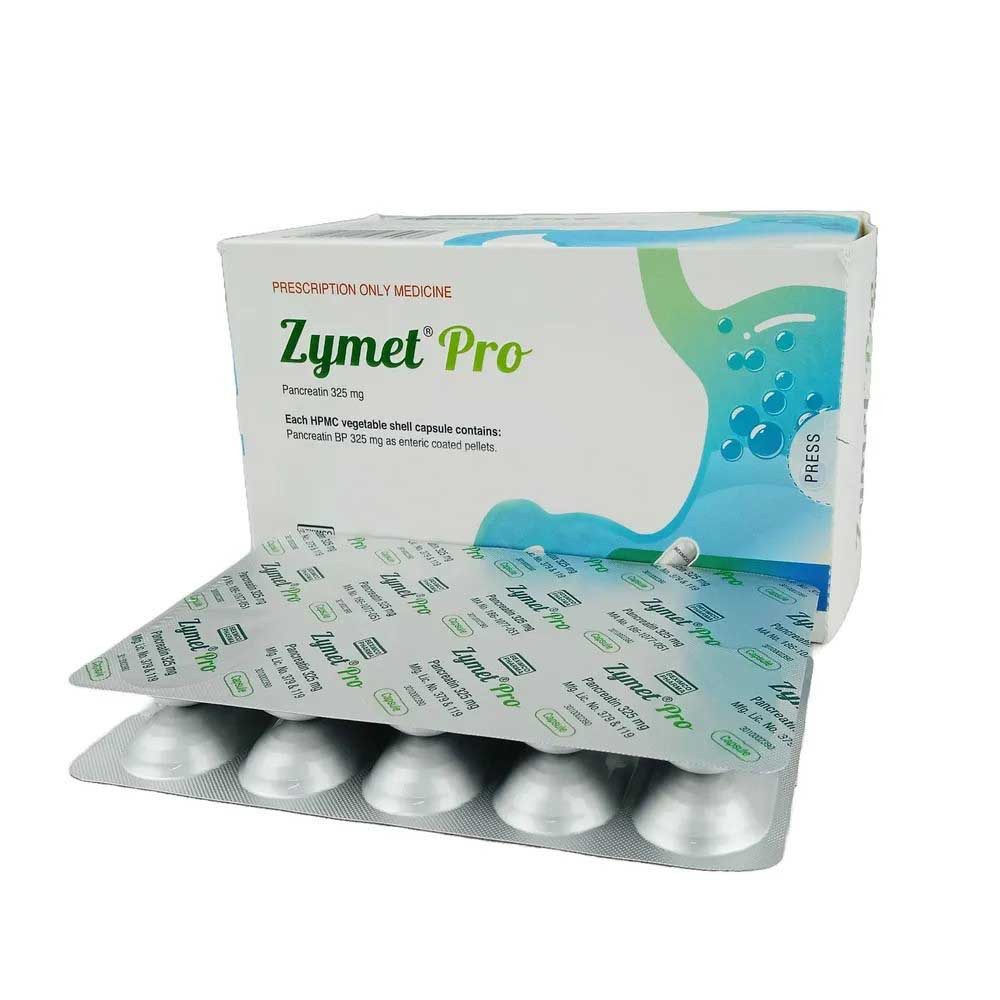
1. What is Pancreatin?
Pancreatin is a digestive enzyme preparation made from the pancreas of pigs or cows. It contains amylase, lipase, and protease enzymes that help break down carbohydrates, fats, and proteins in the digestive system.
2. How does Pancreatin work?
Pancreatin works by supplementing the body’s natural pancreatic enzymes, which assist in the digestion of food, particularly in individuals with pancreatic insufficiency or other digestive disorders.
3. What conditions is Pancreatin used to treat?
Pancreatin is used to treat digestive disorders such as pancreatic insufficiency, cystic fibrosis, chronic pancreatitis, and conditions that interfere with enzyme production.
4. How is Pancreatin administered?
Pancreatin is typically taken orally in the form of capsules or tablets, usually with meals to aid in the digestion of food.
5. What is the usual dosage of Pancreatin?
The usual dosage depends on the individual's age, condition, and the severity of enzyme deficiency. Dosage typically ranges from 1-2 capsules per meal, but your doctor will provide specific guidance.
6. Can Pancreatin be taken with food?
Yes, Pancreatin should be taken with food, as it is intended to assist with the digestion of meals by supplementing the body's natural enzymes.
7. What are the common side effects of Pancreatin?
Common side effects of Pancreatin include:
- Stomach upset
- Gas or bloating
- Diarrhea or constipation
- Abdominal discomfort
8. Can Pancreatin cause allergic reactions?
Yes, Pancreatin can cause allergic reactions, especially in individuals who are allergic to pork or beef proteins. Symptoms may include rash, itching, swelling, and difficulty breathing. Seek immediate medical attention if these occur.
9. Can Pancreatin be used in children?
Pancreatin can be used in children, particularly those with cystic fibrosis or other digestive conditions. The dosage for children is typically adjusted based on their age and weight.
10. Is Pancreatin safe during pregnancy?
Pancreatin is classified as Category C for pregnancy, meaning that its safety has not been fully established. It should only be used during pregnancy if the potential benefits outweigh the risks.
11. Can Pancreatin be used while breastfeeding?
Pancreatin passes into breast milk in small amounts, but it is not expected to harm a nursing infant. However, consult your doctor before using it while breastfeeding.
12. How long does it take for Pancreatin to work?
Pancreatin begins to work shortly after ingestion, assisting with the digestion of food within a meal. Full effects may take some time depending on the severity of the enzyme deficiency.
13. Can Pancreatin cause stomach pain?
Stomach pain is a potential side effect of Pancreatin, particularly if the dosage is too high or if the individual has a sensitive stomach. Reducing the dosage may help alleviate this symptom.
14. How should Pancreatin be stored?
Pancreatin should be stored in a cool, dry place at room temperature, away from moisture and heat. Keep it out of the reach of children.
15. Can Pancreatin be taken with other medications?
Pancreatin can be taken with other medications, but it may interact with certain drugs, particularly those affecting the digestive system. Always inform your doctor about all medications you are taking.
16. Can Pancreatin be used for weight loss?
Pancreatin is not used for weight loss. It is intended to improve digestion in individuals with pancreatic insufficiency or other digestive disorders, not for controlling body weight.
17. Can Pancreatin cause nausea?
Nausea is a possible side effect of Pancreatin, especially if it is taken in excess or without food. If nausea persists, consult your doctor.
18. Is Pancreatin effective for treating diarrhea?
Pancreatin may help reduce diarrhea caused by pancreatic insufficiency or malabsorption, but it is not a treatment for diarrhea caused by infections or other conditions.
19. Can Pancreatin be used for gallstones?
Pancreatin is not used to treat gallstones. Gallstones require different treatments, such as dietary changes or surgery, depending on the severity.
20. Can Pancreatin be used for irritable bowel syndrome (IBS)?
Pancreatin may provide some relief for individuals with IBS, particularly if their symptoms are related to pancreatic insufficiency, but it is not a primary treatment for IBS.
21. How does Pancreatin help in cystic fibrosis?
In cystic fibrosis, the pancreas is unable to produce sufficient digestive enzymes. Pancreatin supplements help individuals with cystic fibrosis digest their food and absorb nutrients properly.
22. Can Pancreatin be used for pancreatic cancer?
Pancreatin can help manage symptoms of pancreatic insufficiency related to pancreatic cancer, such as poor digestion and weight loss, but it is not a cure for the cancer itself.
23. Can I take Pancreatin if I have a history of pancreatitis?
People with a history of pancreatitis may be prescribed Pancreatin, but it should be taken under medical supervision. Dosage adjustments may be necessary.
24. What happens if I miss a dose of Pancreatin?
If you miss a dose of Pancreatin, take it as soon as you remember, unless it is close to the time for your next dose. Do not take two doses at once to make up for a missed dose.
25. Are there any drug interactions with Pancreatin?
Pancreatin can interact with medications like antacids, certain antibiotics, and iron supplements. Always inform your doctor of all medications you are taking to avoid potential interactions.
26. Can Pancreatin be used for indigestion?
Pancreatin may help with indigestion caused by insufficient pancreatic enzyme production, but it is not generally used to treat typical indigestion or heartburn.
27. Can Pancreatin cause bloating?
Bloating is a possible side effect of Pancreatin, particularly when adjusting the dosage. Reducing the dosage or timing it with meals may help alleviate bloating.
28. Can Pancreatin be taken for fatty liver disease?
Pancreatin is not a treatment for fatty liver disease, but it may help improve digestion if the liver's function is affecting the pancreas.
29. Can Pancreatin be taken after surgery?
Pancreatin can be prescribed after surgery, particularly for individuals who had a surgery affecting the pancreas or digestive system. Consult your doctor for specific advice.
30. Is Pancreatin safe for long-term use?
Pancreatin is generally considered safe for long-term use in individuals with pancreatic insufficiency or other digestive disorders, but it should be monitored by a healthcare provider.
31. Can Pancreatin help with lactose intolerance?
Pancreatin is not specifically used to treat lactose intolerance. However, it may assist with digestion in individuals who also have trouble digesting fats and proteins.
32. Can Pancreatin cause kidney problems?
Pancreatin does not typically cause kidney problems. However, individuals with pre-existing kidney conditions should consult their doctor before using it.
33. Can Pancreatin be used for acid reflux?
Pancreatin is not used for acid reflux or GERD. Medications such as proton pump inhibitors or H2 blockers are typically prescribed for acid reflux.
34. What should I do if I overdose on Pancreatin?
If you overdose on Pancreatin, seek immediate medical attention. Symptoms of overdose may include severe stomach discomfort, nausea, and bloating.
35. Can Pancreatin be used in elderly patients?
Yes, Pancreatin can be used in elderly patients, especially those with pancreatic insufficiency. However, the dosage may need to be adjusted based on their health condition.
36. Can Pancreatin help with malabsorption syndromes?
Yes, Pancreatin can help with malabsorption syndromes by providing the necessary digestive enzymes for proper nutrient absorption.
37. Can Pancreatin cause changes in bowel movements?
Yes, Pancreatin may cause changes in bowel movements, such as diarrhea or constipation, depending on the dosage and the individual’s condition.
38. Can Pancreatin be used for Crohn’s disease?
Pancreatin may help individuals with Crohn’s disease if they have malabsorption due to pancreatic insufficiency, but it is not a treatment for the disease itself.
39. How do I know if Pancreatin is working?
You will likely notice improved digestion, reduced bloating, and better absorption of nutrients if Pancreatin is working effectively.
40. Does Pancreatin have a shelf life?
Yes, Pancreatin has an expiration date printed on the packaging. Do not use it after the expiration date to ensure its effectiveness.
41. Can Pancreatin cause dizziness?
Dizziness is not a common side effect of Pancreatin, but it may occur in some individuals. If dizziness persists, consult your doctor.
42. Can Pancreatin help with nausea caused by digestive issues?
Pancreatin may help alleviate nausea if it is caused by pancreatic insufficiency or malabsorption, but it is not a general remedy for nausea.
43. Can I drink alcohol while taking Pancreatin?
There is no specific interaction between alcohol and Pancreatin, but excessive alcohol consumption can worsen digestive problems, so it's best to limit alcohol intake.
44. Can Pancreatin be used to treat ulcers?
Pancreatin is not used to treat ulcers. However, it may help improve digestion in individuals with ulcers who also have pancreatic insufficiency.
45. How do I adjust my dose of Pancreatin?
The dosage of Pancreatin should only be adjusted by a healthcare provider, depending on your individual needs and response to treatment.
46. Can Pancreatin cause heartburn?
Heartburn is not a typical side effect of Pancreatin. If you experience heartburn, consult your doctor for advice.
47. Is Pancreatin available over-the-counter?
Pancreatin is available in some over-the-counter formulations, but higher-strength formulations typically require a prescription.
48. Can Pancreatin be used for bloating?
Pancreatin may help reduce bloating if it is caused by poor digestion or pancreatic insufficiency, but it is not a treatment for general bloating.
49. Can Pancreatin be used for digestion issues after weight loss surgery?
Yes, Pancreatin may be used after weight loss surgery if the individual has digestive issues related to reduced enzyme production.
50. Is Pancreatin effective for all types of digestion problems?
Pancreatin is effective primarily for digestive problems caused by pancreatic insufficiency. It is not a general treatment for all digestive issues.