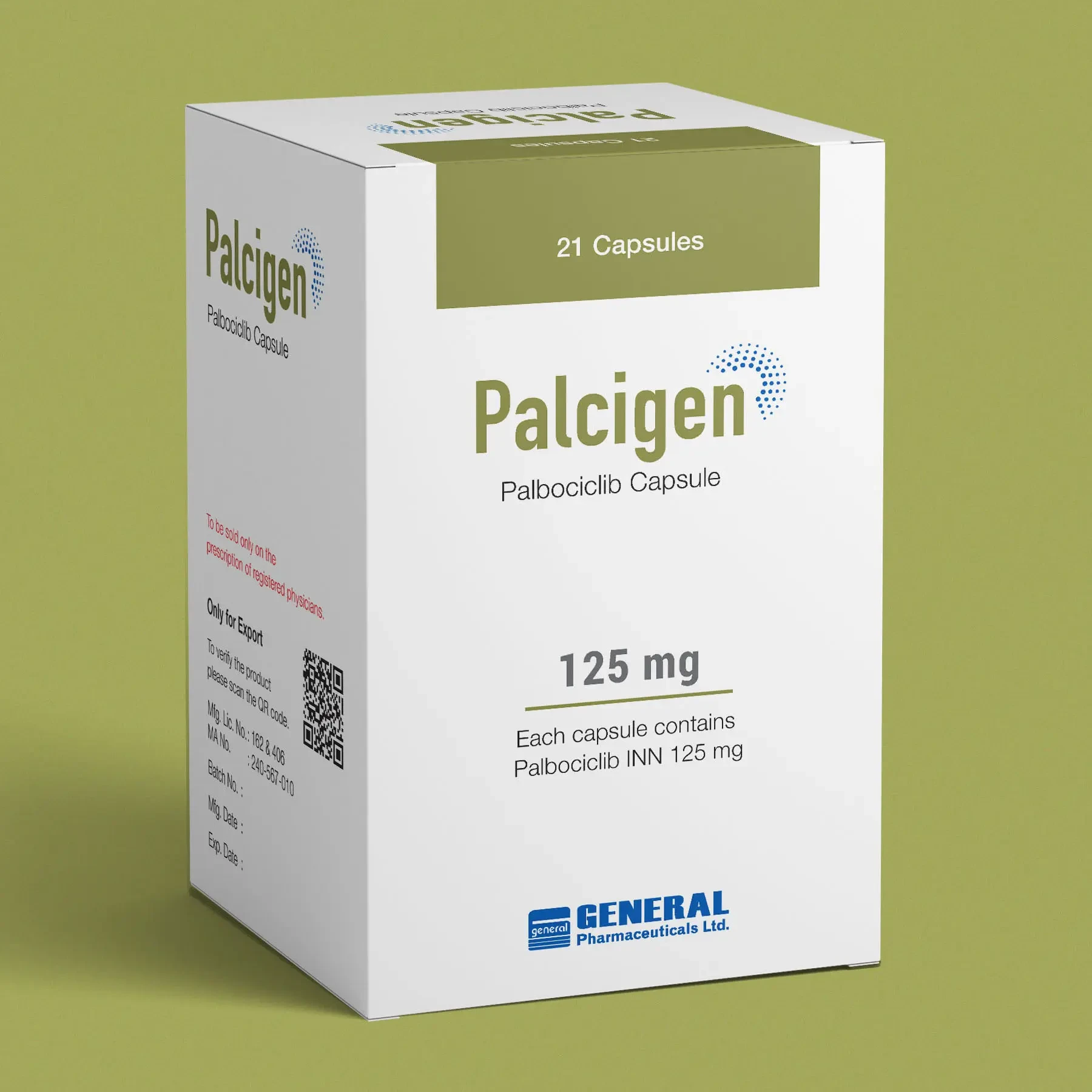
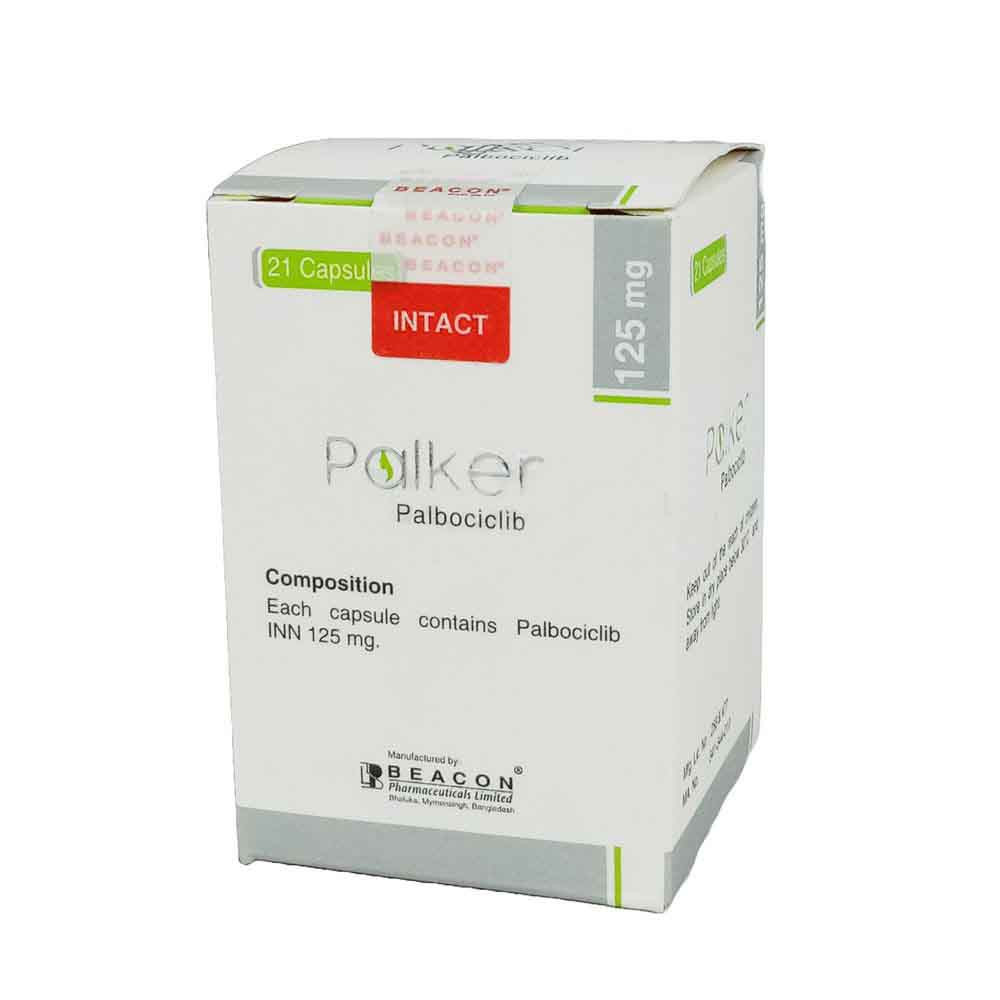
Introduction
Palbociclib is a piperazine pyridopyrimidine that acts in the cell cycle machinery. It is a second generation cyclin-dependent kinase inhibitor selected from a group of pyridopyrimidine compounds due to its favorable physical and pharmaceutical properties.
Uses
Palbociclib is an endocrine-based chemotherapeutic agent used in combination with other antineoplastic agents to treat HER2-negative and HR-positive advanced or metastatic breast cancer.
Palbociclib is indicated in combination with letrozole as initial endocrine-based therapy for the treatment of human epidermal growth factor receptor type 2 (HER2)-negative and hormone receptor(HR)-positive tumors in adult patients with advanced/metastatic breast cancer. It is as well approved in combination with fulvestrant in patients with disease progression with prior endocrine therapy.
In the official labeling, the use of palbociclib should be accompanied with either an aromatase inhibition, no restricted to letrozole, as initial endocrine-based therapy in postmenopausal women or in man.
The breast cancer starts as a group of cancer cells that grow into and destroy the nearby breast tissue. This growth can spread into other parts of the body which is called metastasis. According to the location of the cancer cells, it can be categorized in ductal carcinoma and lobular carcinoma. However, other types of breast cancer include inflammatory breast cancer, Paget disease of the breast, triple negative breast cancer non-Hodgkin lymphoma and soft tissue sarcoma. In males, breast cancer is usually treated as the cases of postmenopausal women and almost all the cases are ductal carcinoma.
Associated Conditions
Pharmacodynamics
Due to its mechanism of action, palbociclib inhibits cell growth and suppresses DNA replication in retinoblastoma tumor suppressor gene (RB) proficient cancer cells. As expected, these RB cells present a significant increase in the proportion of cells in G1 state and the presence of palbociclib produces effective dephosphorylation of RB, reduce proliferation and induce senescence causing cell-cycle arrest.
In vitro studies showed the potential for palbociclib to reduce cellular proliferation of estrogen receptor-positive breast cancer cell lines through the inhibition of the cell-cycle progression from G1 to S phase. In this study, it was demonstrated that the sensitivity of the cells significantly increased with the expression of RB1 and CCND1 and low expression of CDKN2A. As well, palbociclib, combined with antiestrogens, enhanced in vivo antitumor activity in estrogen receptor-positive breast cancer mouse models.
In clinical trials, palbociclib, in combination with letrozole, was shown to significantly increase the progression-free survival (PFS) in patients with metastatic breast cancer without prior endocrine treatment. In the results, the PFS increased from 4.5 to 9.5 months with an overall response rate (ORR) of 24.6%.
Mechanism of Action
Palbociclib is a cyclin-dependent kinase 4/6 (CDK4/6) inhibitor that acts by binding to the ATP pocket with an IC50 in the range of 9-15 nmol/L. It is important to consider that it presents low to absent activity against other kinases.
The CDK4/6 kinase is involved, with coregulatory partner cyclin D, in the G1-S transition. Hence, inhibition of this step prevents cell cycle progression in cells in whose this pathway is functioning. This step includes the pathways of the phosphorylation of retinoblastoma protein and the E2F family of transcription factors.
Absorption
Palbociclib presents a linear pharmacokinetic profile and its peak plasma concentration was observed 6-12 hours after oral administration. The oral bioavailability is reported to be of 46% with a steady-state reached after 8 days and a median accumulation ratio of 2.4.
The absorption of palbociclib is significantly reduced under fasting conditions and hence, food intake is recommended when this drug is administered.
Volume of Distribution
The mean apparent distribution of palbociclib is 2583 L which suggests that palbociclib penetrates extensively into peripheral tissues.
Protein Binding
Binding of palbociclib to human plasma proteins in vitro accounts for approximately 85% of the administered dose.
Route of Elimination
The main route of elimination of palbociclib is through feces after hepatic metabolism while renal clearance seems to play a minor role accounting only for 17.5% of the eliminated dose.
Half Life
The mean plasma elimination half-life of palbociclib is 29 hours.
Clearance
The mean apparent oral clearance of palbociclib is of 63.1 L/h.
Toxicity
The reported oral Ld50 is of 100 mg/kg. In cases of overdosage, only supportive measures are considered.
Palbociclib was showed to present clastogenic activities in in vitro and in vivo assays. As well, it has been reported to produce fetal harm due to its mechanism of action. Lastly, it was shown to increase the incidence of microglial cell tumors in the central nervous system at high doses.
Food Interactions
- Avoid grapefruit products. Grapefruit inhibits the CYP3A metabolism of palbociclib, which may increase its serum concentration.
- Avoid St. John's Wort. This herb induces the CYP3A metabolism of palbociclib and may reduce its serum concentration.
- Take at the same time every day. This applies to both palbociclib capsules and tablets.
- Take with food. Palbociclib capsules should be taken with food. Some subjects have reduced bioavailability of palbociclib when in a fasted state, therefore taking with food makes the bioavailability more consistent.
- Take with or without food. Palbociclib tablets may be taken with or without food.
Dosage
Recommended Dose Modification for Adverse Reactions:
- Recommended Starting Dose: 125 mg/day
- First Dose Reduction: 100 mg/day
- Second Dose Reduction: 75 mg/day
Use in Children: Palbociclib is not indicated for use in children.