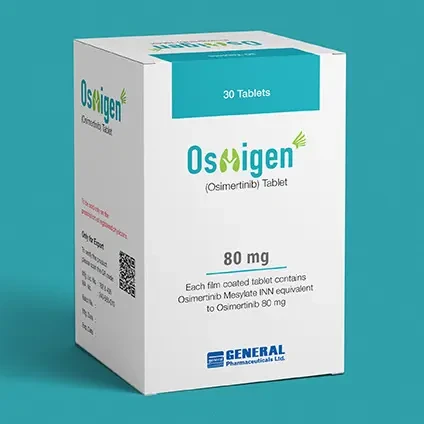
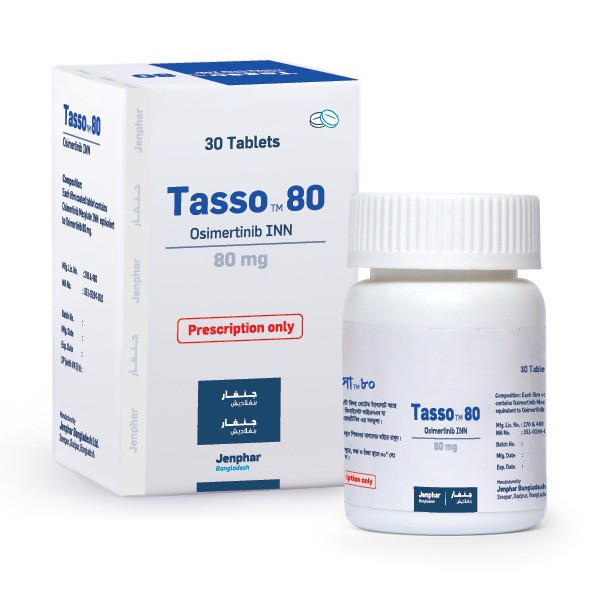
Introduction
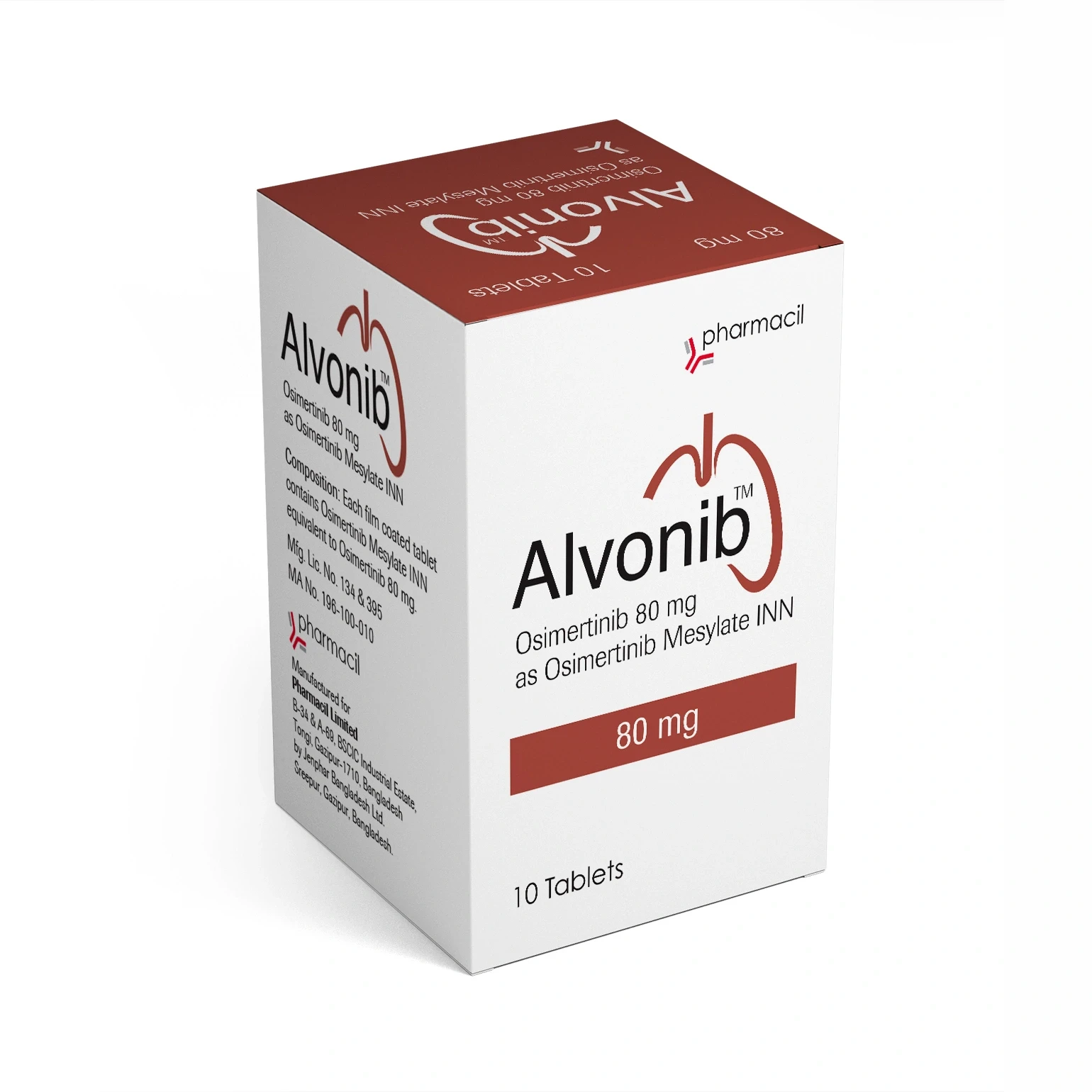
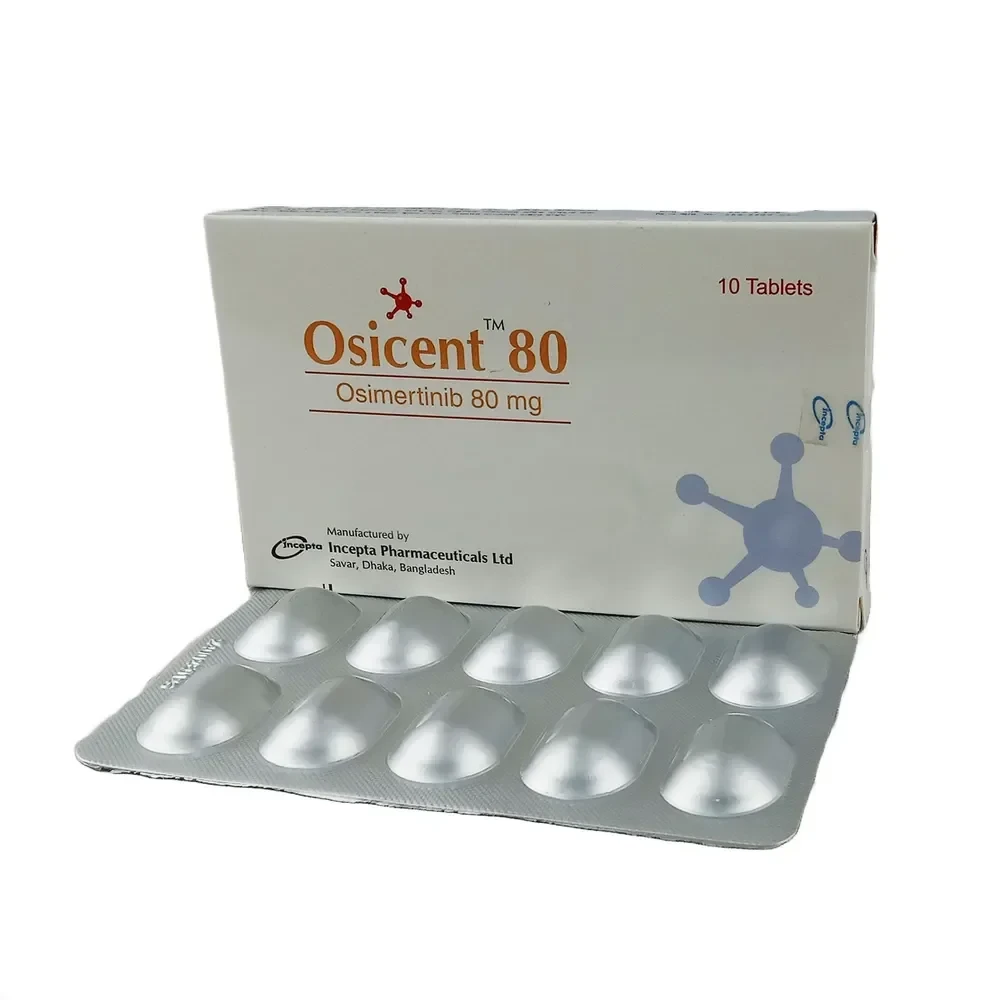
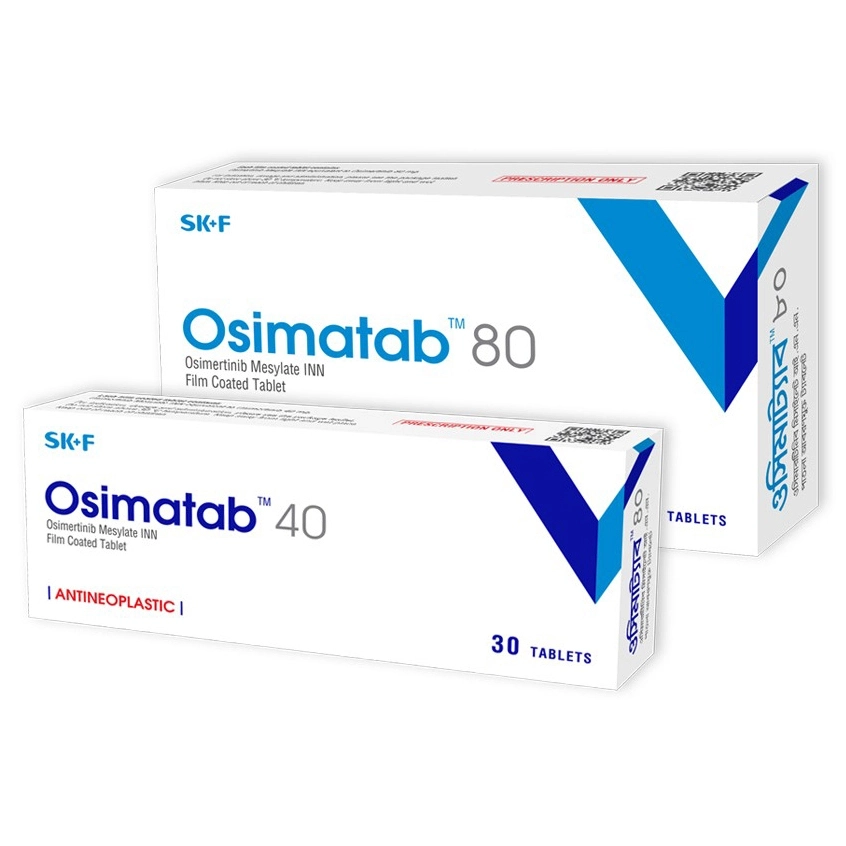
Osimertinib is a third-generation epidermal growth factor receptor (EGFR) tyrosine kinase inhibitor (TKI) used for the treatment of EGFR mutation-positive non-small cell lung cancer (NSCLC). It selectively targets both activating EGFR mutations and the T790M resistance mutation while sparing wild-type EGFR, helping to overcome resistance to earlier-generation EGFR inhibitors.
Osimertinib is effective in patients with advanced or metastatic EGFR-mutated NSCLC and has demonstrated improved progression-free survival with a lower incidence of EGFR-related adverse effects compared with earlier-generation EGFR inhibitors.
Uses
Osimertinib is a tyrosine kinase inhibitor used in the treatment of certain types of non-small cell lung carcinoma.
Osimertinib is indicated for the treatment of patients with metastatic epidermal growth factor receptor (EGFR) T790M mutation-positive non-small cell lung cancer (NSCLC), as detected by an FDA- approved test, who have progressed on or after EGFR-TKI therapy.
Associated Conditions
Pharmacodynamics
A pharmacokinetic/pharmacodynamic analysis suggested a concentration-dependent QTc interval prolongation of 14 msec (upper bound of two-sided 90% CI: 16 msec) at a dose of osimertinib 80 mg.
Mechanism of Action
Osimertinib is an epidermal growth factor receptor (EGFR) tyrosine kinase inhibitor (TKI) that binds to certain mutant forms of EGFR (T790M, L858R, and exon 19 deletion) that predominate in non-small cell lung cancer (NSCLC) tumours following treatment with first-line EGFR-TKIs. As a third-generation tyrosine kinase inhibitor, osimertinib is specific for the gate-keeper T790M mutation which increases ATP binding activity to EGFR and results in poor prognosis for late-stage disease. Furthermore, osimertinib has been shown to spare wild-type EGFR during therapy, thereby reducing non-specific binding and limiting toxicity.
Absorption
The median time to Cmax was found to be 6 hours.
Volume of Distribution
The mean volume of distribution at steady state is 986 L.
Protein Binding
Plasma protein binding is likely high due to its physiochemical properties.
Route of Elimination
Osimertinib is primarily eliminated through excretion in the feces (68%), to a lesser extent through urine (14%), while only 2% is excreted unchanged.
Half Life
The population estimated mean half-life is 48 hours.
Clearance
Oral clearance is 14.2 L/hr.
Toxicity
Across clinical trials, interstitial lung disease (ILD)/pneumonitis occurred in 3.3% of treated patients with 0.5% of these being fatal. There is also a change of QTc interval prolongation; electrocardiogram and electrolytes should be monitored in patients with a history or predisposition for QTc prolongation. Cardiomyopathy occurred in 1.4% of patients, therefore left ventricular ejection fraction (LVEF) should be measured at baseline and then every 3 months during treatment. Osimertinib can cause embryo-fetal toxicity, requiring female patients to take effective birth control during therapy and for 6 weeks after final dose.
Food Interactions
- Avoid St. John's Wort. This herb induces the CYP3A metabolism of osimertinib, and therefore, dose adjustments are necessary if they must be co-administered.
- Take at the same time every day.
- Take with or without food.