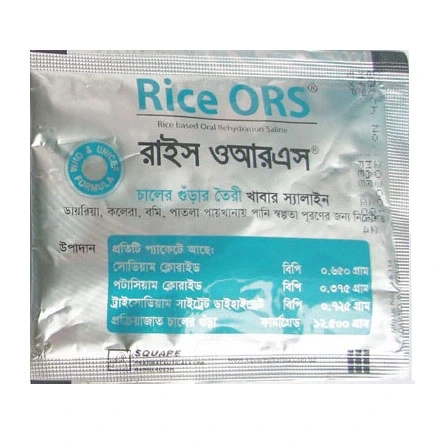
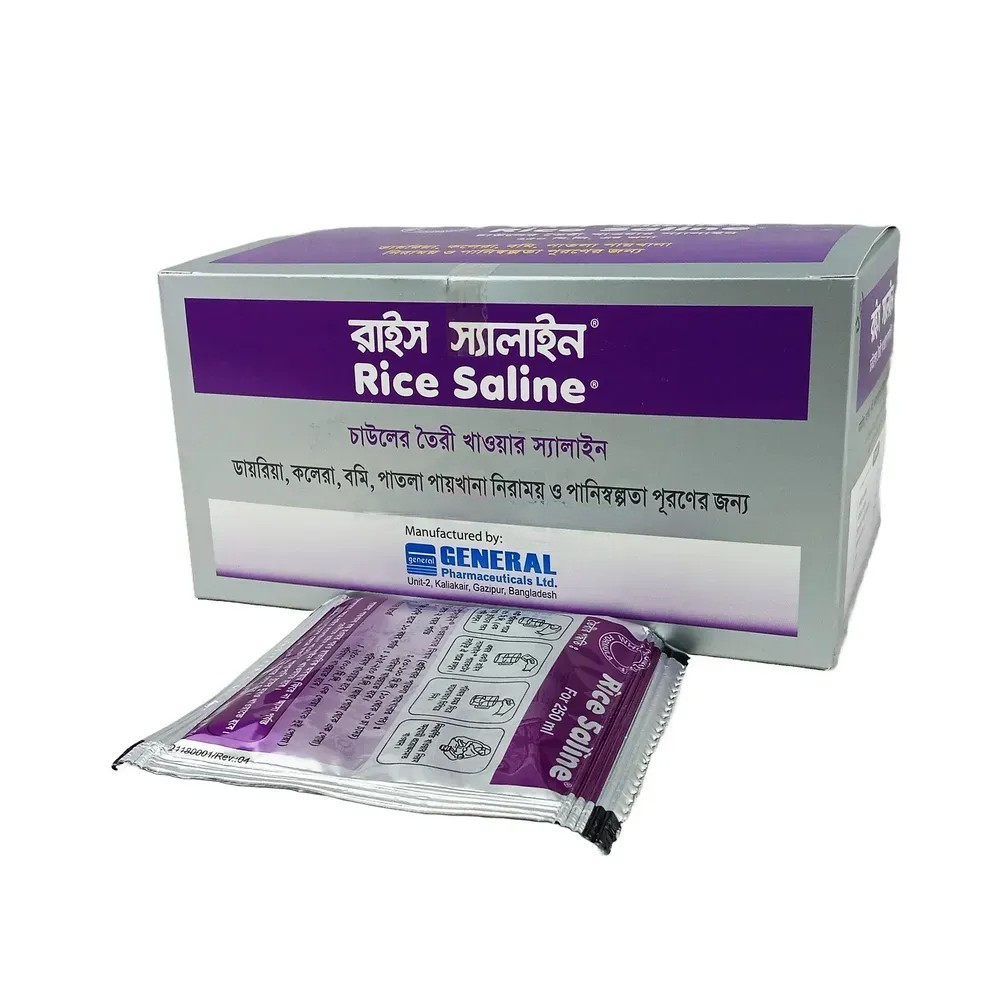
Introduction
Oral Rehydration Salt (ORS) is a formulation used to prevent and treat dehydration caused by diarrhea and other conditions. The rice-based variant of ORS is designed to provide a balanced mix of electrolytes and carbohydrates, making it effective in replenishing fluids and electrolytes lost during illness. Rice-based ORS is often preferred in regions where rice is a staple food and offers an additional source of energy through the inclusion of rice powder.
Uses
Rice-based ORS is primarily used for:
- Treatment of Dehydration: It helps prevent and treat dehydration, especially due to diarrhea, vomiting, or excessive sweating.
- Replenishment of Electrolytes: It restores lost electrolytes, such as sodium, potassium, and chloride, essential for normal body function.
- Maintenance of Fluid Balance: It aids in maintaining fluid balance in the body, which is crucial for overall health and recovery from illness.
Mechanism of Action
Rice-based ORS works through:
- Rehydration: The solution provides a precise balance of glucose and electrolytes that enhances water absorption in the intestines, thus rehydrating the body.
- Electrolyte Replacement: It replaces lost electrolytes, which are critical for maintaining normal cell function and preventing complications of dehydration.
- Energy Provision: The rice powder in the ORS adds a source of carbohydrates, which helps to provide energy and support recovery.
How Long Does It Take to Work?
Rice-based ORS typically begins to show effects within a few hours of administration. Symptoms of dehydration, such as dryness of the mouth and decreased urine output, generally improve as the body rehydrates. Full recovery from dehydration and restoration of electrolyte balance may take several hours to a few days, depending on the severity of the condition and adherence to the treatment.
Absorption
ORS is absorbed through the gastrointestinal tract. The glucose and electrolytes in the ORS solution are absorbed in the small intestine, where they enhance water absorption and facilitate effective rehydration.
Route of Elimination
The components of ORS are processed by the body and eliminated primarily through urine. Excess electrolytes and any unabsorbed components are excreted via the kidneys, while a small amount may be eliminated through feces.
Dosage
The dose depends on the severity of the dehydrating conditions of the patients. Recommended dose after each watery stool are as follows:- 6 months to 2 years: 50 ml to 100 ml (10 to 20 Teaspoonfuls)
- 2 years to 9 years: 100 ml to 200 ml (20 to 40 teaspoonfuls)
- 10 years and above: 250 ml to 500 ml (1 to 2 glassfuls)
- Preparation for 250 ml saline: Wash both hands with soap before preparing the saline. Add 250 ml (one glassful) hot boiled water into a jar. Then add full sachet of this saline (for 250 ml water) powder into the jar. Mix the powder well in the water until a milky white solution appears. Give the solution to the patient to drink as per the dose.
- Preparation for 500 ml saline: Wash both hands with soap before preparing the saline. Add 500 ml hot boiled water (two glassfuls) into a jar. Then add full sachet of this saline (for 500 ml water) powder into the jar. Mix the powder well in the water until a milky white solution appears. Give the solution to the patient to drink as per the dose.
- Discard any unused reconstituted saline after 5 hours of preparation
- After preparing the saline further heating or boiling is not necessary
- Feeding-bottle should not be used
- Mix the solution with a clean spoon each time before administration
- Syringe without needle may be used to put a small amount of saline into babies' mouth
The dosage of rice-based ORS depends on the severity of dehydration and the patient's age. Typical guidelines include:
- Infants: 50 to 100 mL per kg of body weight, administered over 4 to 6 hours.
- Children: 100 to 200 mL per kg of body weight, depending on the severity of dehydration.
- Adults: 200 to 300 mL every hour or as needed to replace lost fluids.
It's important to follow specific instructions provided by a healthcare provider or the product label for accurate dosing.
Administration
Rice-based ORS is administered orally. It can be given using a cup or spoon, or by using an oral rehydration device if available. The solution should be consumed in small sips over time rather than all at once to optimize absorption and minimize gastrointestinal discomfort.
Side Effects
Side effects are generally rare but may include:
- Gastrointestinal discomfort, such as nausea or bloating
- Occasional diarrhea, especially if consumed in excessive amounts
If side effects are severe or persistent, discontinue use and consult a healthcare provider.
Toxicity
Toxicity from rice-based ORS is unlikely when used as directed. Overuse or consumption of excessively large amounts may lead to electrolyte imbalances or gastrointestinal upset. Adherence to recommended dosages minimizes the risk of toxicity.
Precautions
Precautions include:
- Use as directed and do not exceed recommended doses.
- Consult a healthcare provider if dehydration is severe, persistent, or accompanied by other symptoms such as high fever or blood in stools.
- Ensure that the solution is prepared with clean water to avoid contamination.
Interaction
Rice-based ORS generally has minimal interactions with other medications or treatments. However, if you are using other medications, especially those affecting electrolyte balance, consult a healthcare provider to ensure compatibility.
Disease Interaction
Use rice-based ORS with caution in individuals with:
- Kidney disorders or other conditions affecting electrolyte balance
- Severe gastrointestinal disorders that might affect absorption or increase fluid loss
Drug Interaction
Drug interactions are unlikely but should be monitored in individuals taking medications that affect electrolyte levels or fluid balance. Consult a healthcare provider if in doubt.
Food Interactions
There are no significant food interactions with rice-based ORS. It can be consumed alongside regular meals. However, it is advisable to avoid consuming excessively salty or sugary foods, which may exacerbate dehydration.
Pregnancy Use
Rice-based ORS is generally considered safe for use during pregnancy to manage dehydration. Consult a healthcare provider before use to ensure safety for both the mother and the fetus.
Lactation Use
Rice-based ORS is safe for use during lactation. It does not affect breastfeeding or the quality of breast milk. Consult a healthcare provider if there are any concerns.
Acute Overdose
Acute overdose of ORS is unlikely but may lead to gastrointestinal symptoms such as nausea or diarrhea. If overdose symptoms occur, discontinue use and seek medical advice.
Contraindication
Rice-based ORS is contraindicated in individuals with:
- Severe renal impairment or electrolyte disturbances that are not managed by the ORS
- Allergies or hypersensitivity to any of the components of the ORS formulation
Use Direction
Follow the dosage and administration instructions provided by the manufacturer or a healthcare provider. Use the solution as directed to ensure effective rehydration and recovery.
Storage Conditions
Store rice-based ORS in a cool, dry place away from direct sunlight. Keep it in a sealed container to protect it from moisture and contaminants. Follow any specific storage instructions provided on the packaging.
Volume of Distribution
The volume of distribution for rice-based ORS is not specifically documented. The solution's primary effect is localized to the gastrointestinal tract where it facilitates fluid and electrolyte absorption.
Half Life
The half-life of rice-based ORS components is not directly applicable as ORS is primarily used for rehydration and does not have a specific pharmacokinetic profile. The benefits are observed through its immediate effects on fluid and electrolyte balance.
Clearance
The components of rice-based ORS are cleared from the body primarily through urine, with any excess or unabsorbed components eliminated via the kidneys. The formulation's effects are generally transient, focusing on immediate rehydration and electrolyte replenishment.