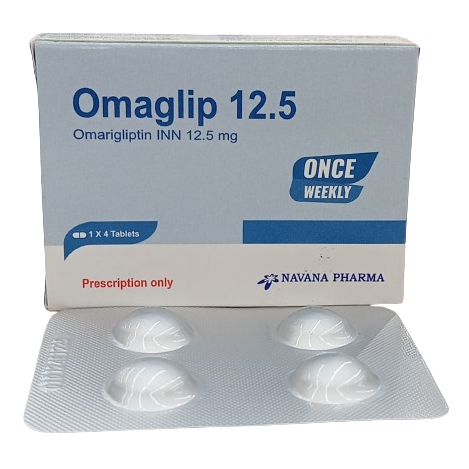
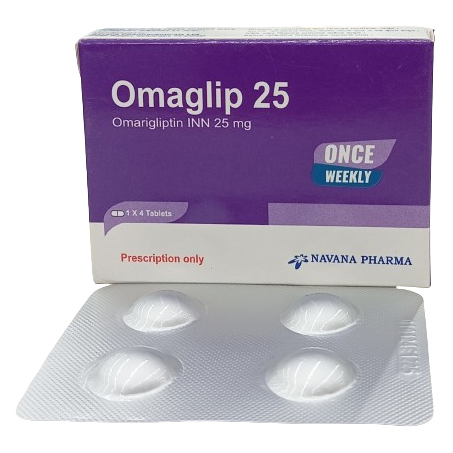
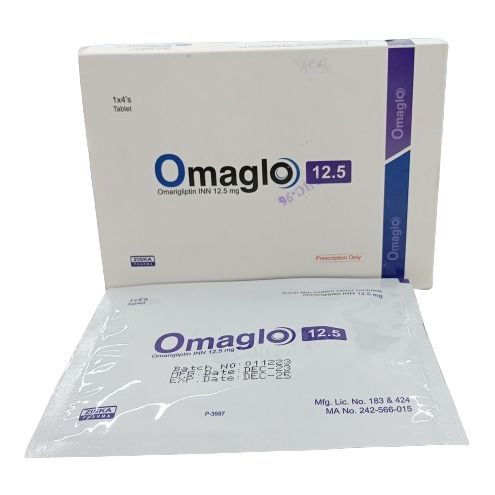
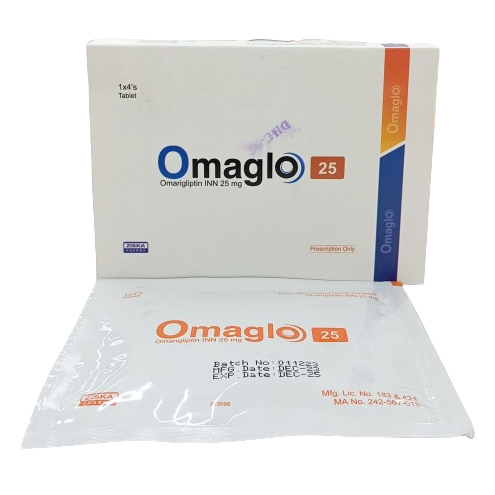
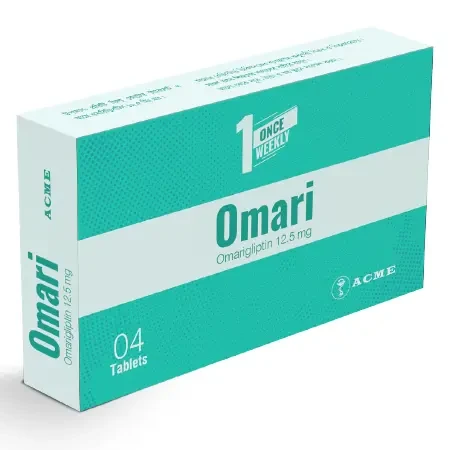
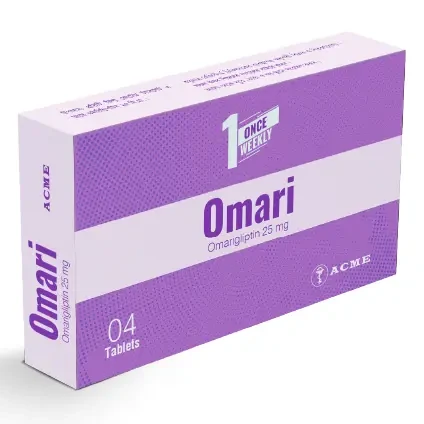
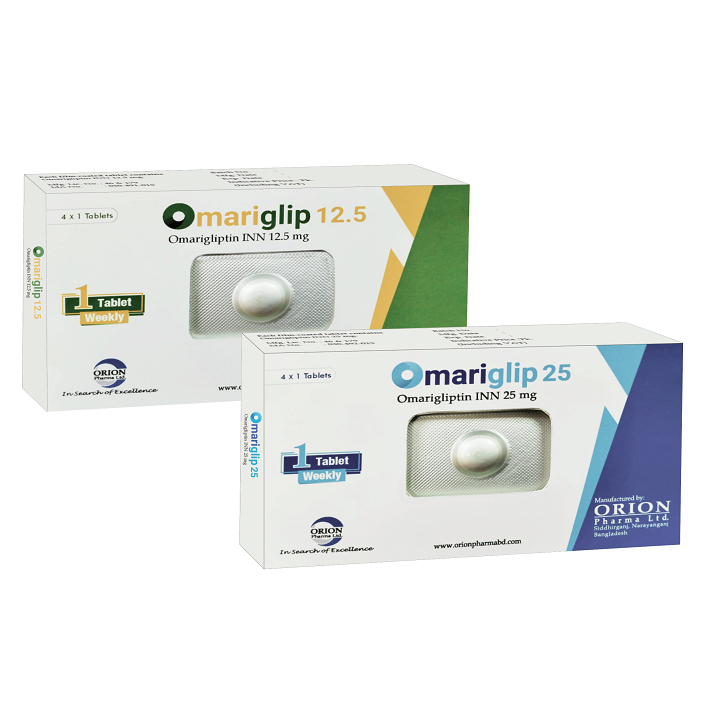
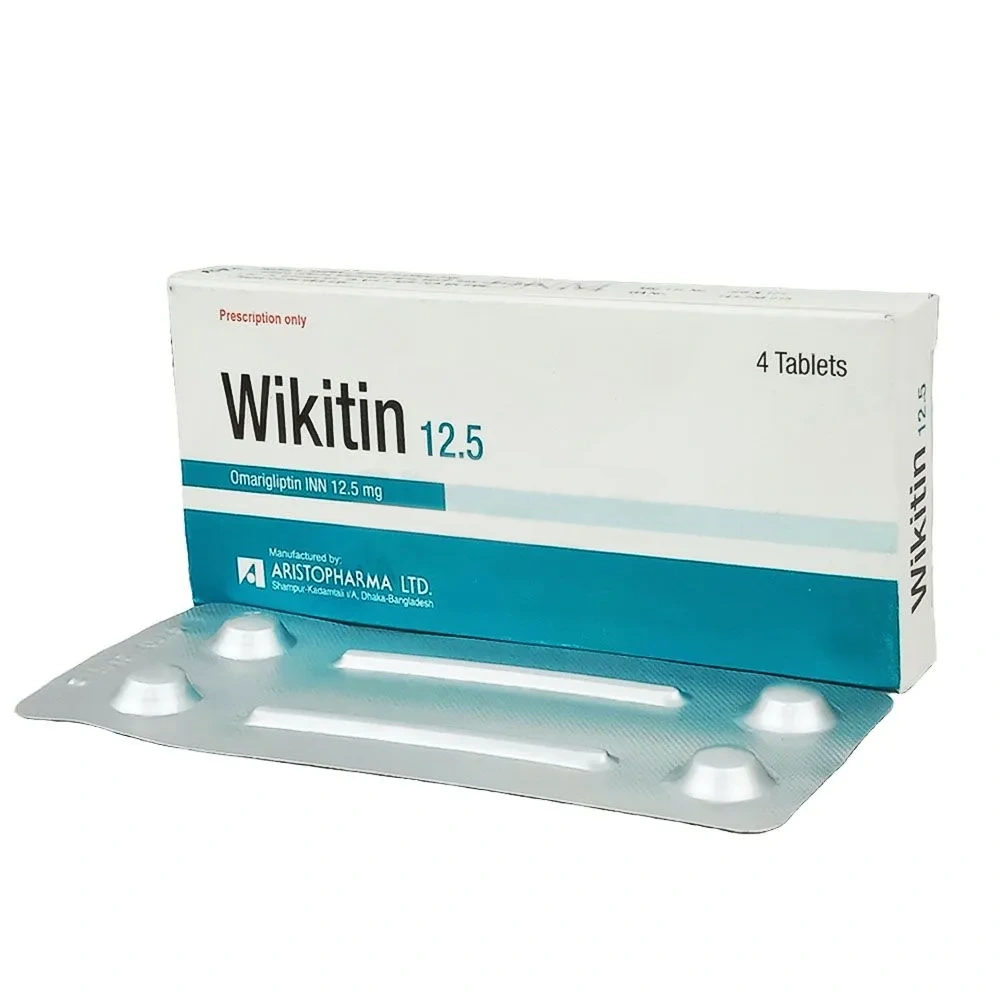
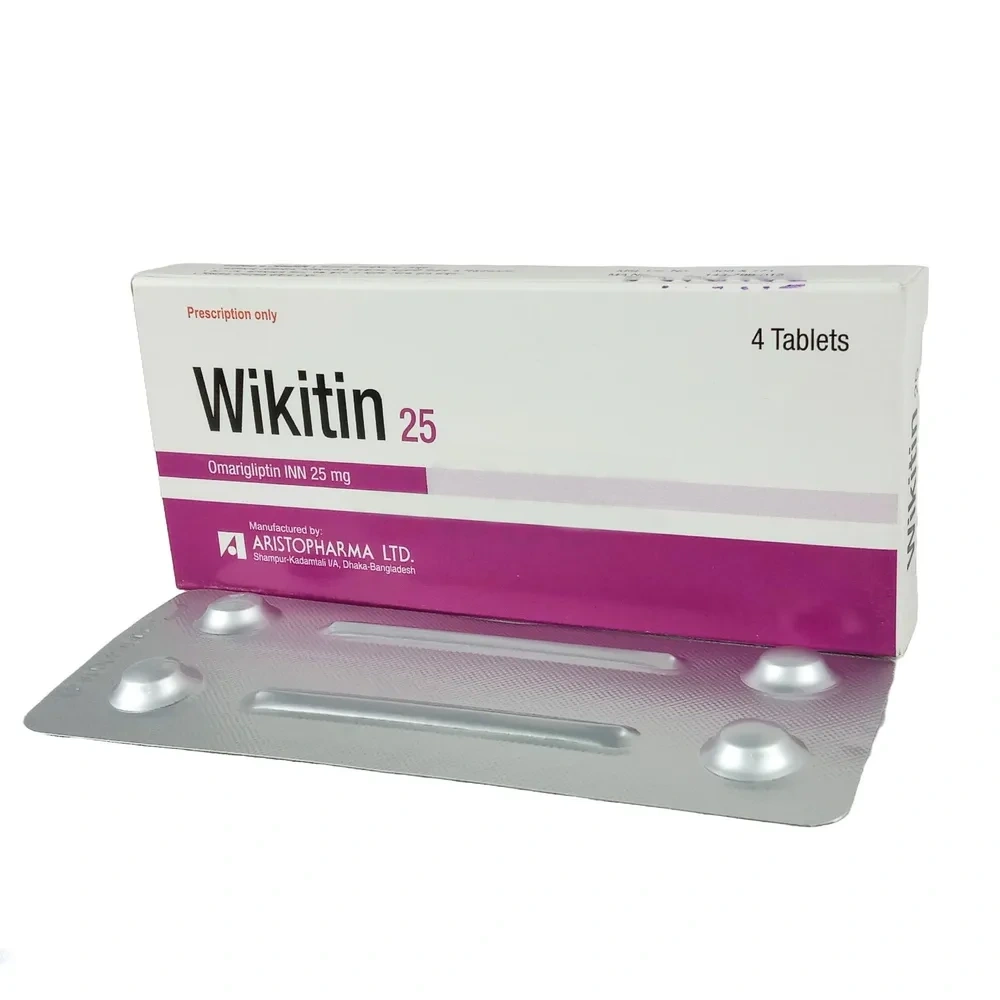
Omarigliptin Introduction
Omarigliptin, sold under the trade name Ozempic, is a diabetes medication primarily used for the treatment of type 2 diabetes. It belongs to a group of medications known as dipeptidyl peptidase-4 (DPP-4) inhibitors. Omarigliptin works by increasing the levels of two hormones – incretin and GLP-1 – to help the pancreas secrete more insulin and reduce the amount of sugar in the blood.
Uses
Omarigliptin is used to treat type 2 diabetes in adults whose blood sugar levels are not controlled by diet and exercise alone. It is commonly used by people who are obese and have had difficulty controlling their diabetes with other medications. Omarigliptin can also be used in combination with other diabetes medications.
Mechanism of Action
Omarigliptin works by increasing the levels of two hormones – incretin and GLP-1 – that help the pancreas secrete more insulin and reduce the amount of sugar in the blood. Incretins are hormones naturally produced in the gut and released after eating a meal. They signal the pancreas to secrete insulin to lower the amount of sugar in the blood. GLP-1 is one of the incretins and is released when food enters the small intestine. Omarigliptin increases the production of GLP-1 hormones, which helps the pancreas secrete more insulin and reduce the amount of sugar in the blood.
How Long Does it Take to Work
The effects of Omarigliptin will vary depending on the individual. Generally, it takes approximately 4-6 weeks to start seeing the full effects of the medication. It is important to take it as directed to ensure optimal results.
Absorption
Omarigliptin is rapidly absorbed and reaches peak concentrations in the body within 1-2 hours after it is taken. Peak levels are maintained for about 24 hours after the initial dose.
Route of Elimination
Omarigliptin is eliminated primarily by the kidneys. Approximately 80% of the drug is excreted unchanged in the urine, while the remaining 20% is metabolized and eliminated through the bile.
Dosage
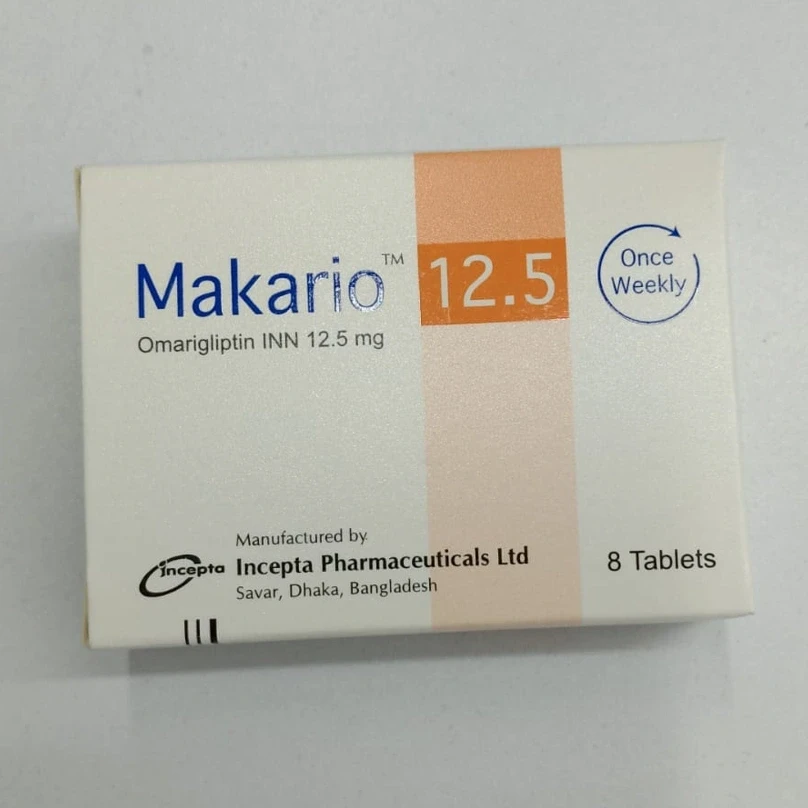
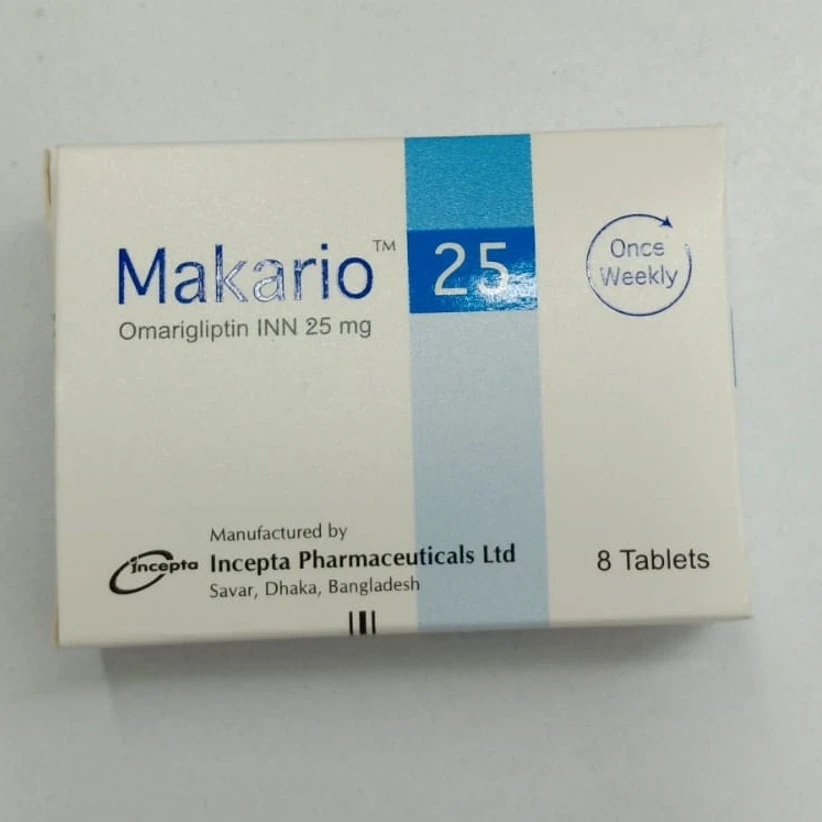
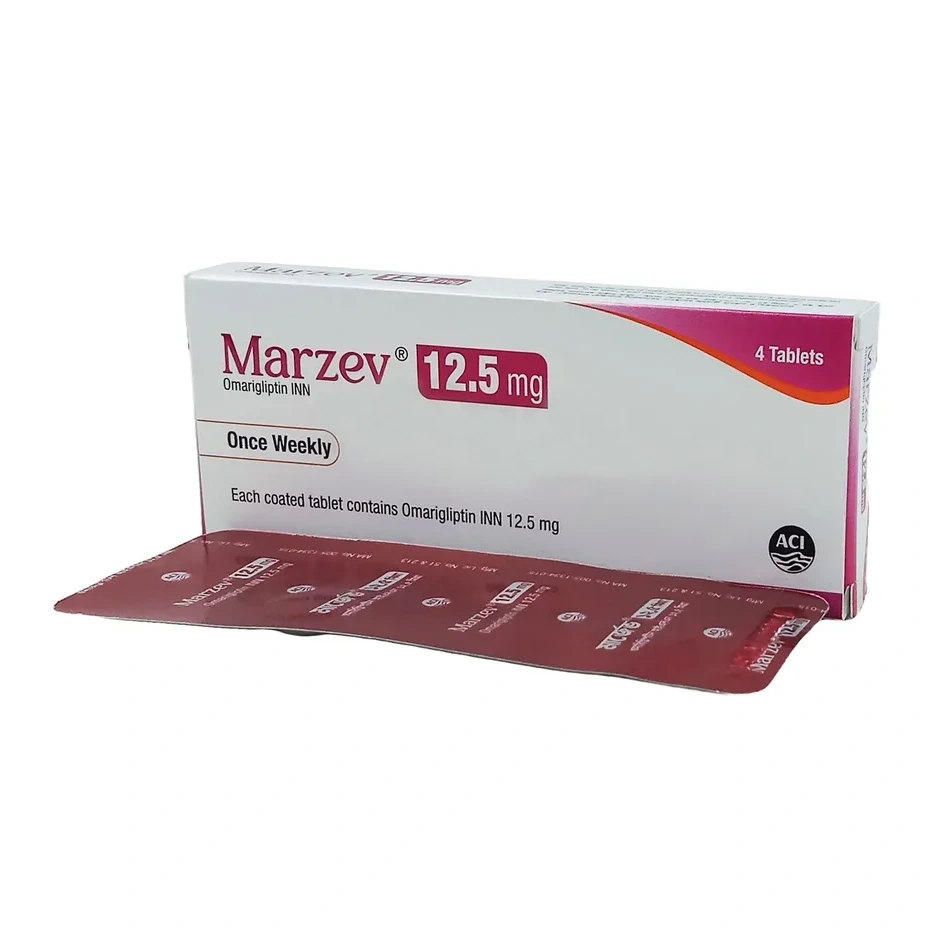
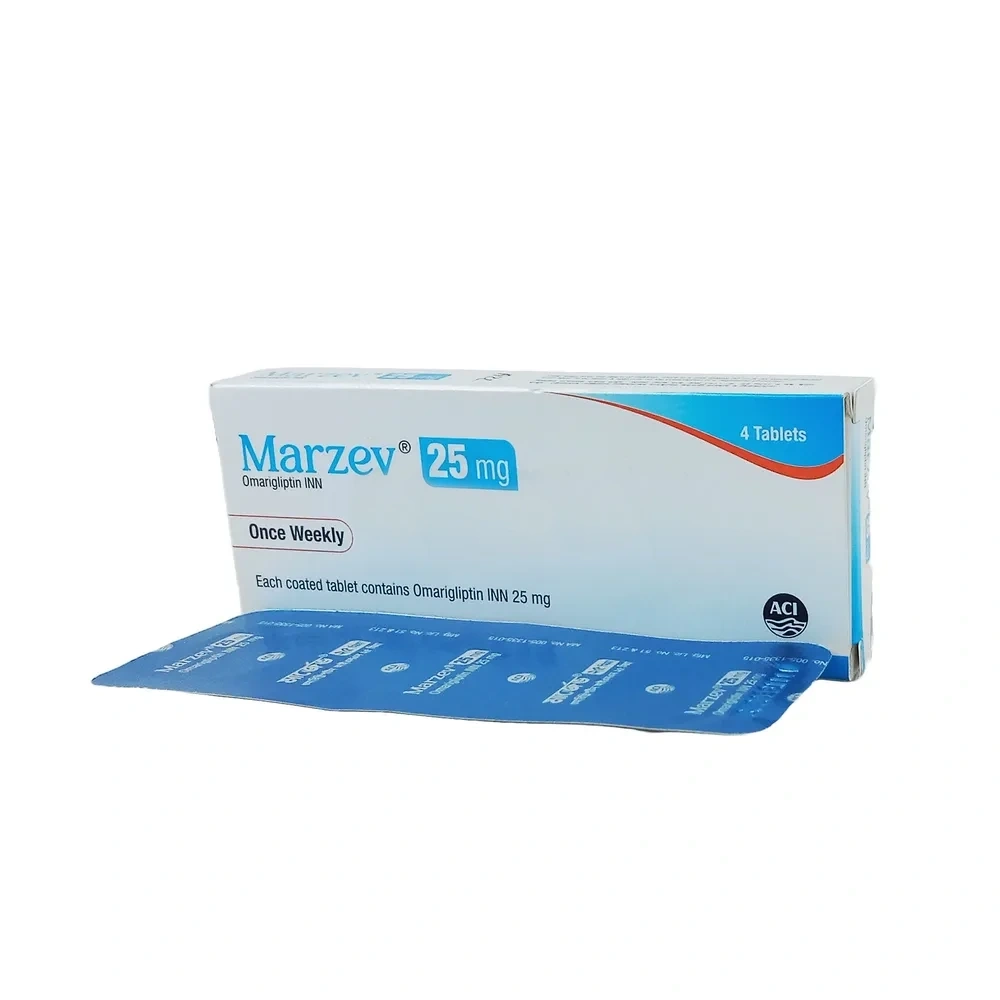
Route of administration: Omarigliptin tablets should be taken in oral route.Recommended dosage: The recommended dose of Omarigliptin is 25 mg once weekly as monotherapy or as add-on therapy for optimisation of glycemic control. If patient misses a dose, advice to take the missed dose as soon as possible and then follow the regular weekly dosing schedule. Never take two doses at one time.
Renal impairment: The dosage in patients with severe renal dysfunction or with end-stage renal failure or in those requiring hemodialysis or peritoneal dialysis should be according to the following:
Severe end-stage kidney failur-
- Men: CrCl>1.9: 12.5 mg once a week
- Women: CrCl >1.4: 12.5 mg once a week.
The usual recommended dose of Omarigliptin is 0.5-1 mg once daily orally. However, the dose should be adjusted according to individual needs. Do not discontinue without consulting the healthcare provider.
Administration
Omarigliptin is taken by mouth with or without food. It is important to take this medication at the same time each day.
Side Effects
Common side effects of Omarigliptin include nausea, vomiting, diarrhea, constipation, dizziness, headache, and increased urination. More serious side effects include blurred vision, chest pain, and shortness of breath. If you experience any of these side effects, speak to your healthcare provider immediately.
Toxicity
Omarigliptin is generally well-tolerated, however, it may cause serious toxic effects when too much is taken. Symptoms of an overdose include confusion, dizziness, weakness, blurred vision, tremors, seizures, and rapid heart rate. If you think you or someone else has taken too much of this medication, seek medical attention immediately.
Precautions
Before taking Omarigliptin, tell your healthcare provider if you have: any liver or kidney problems, any allergies, or if you are pregnant, trying to become pregnant, or breastfeeding. Also be sure to tell your healthcare provider about any other medications you are taking, both prescription and over-the-counter.
Interaction
Omarigliptin may interact with certain medications, including antifungals, anticoagulants, and antiarrhythmic drugs. Tell your healthcare provider about any other medications you are taking, both prescription and over-the-counter. Do not start any new medications without first consulting your healthcare provider.
Disease Interaction
Omarigliptin may not be appropriate for people with certain diseases. Tell your healthcare provider if you have kidney or liver problems, heart disease, or any allergies before taking this medication. It may also interact with certain antifungal medications, anticoagulants, and antiarrhythmic drugs.
Drug Interaction
Omarigliptin may interact with other medications, including antifungal medications, anticoagulant drugs, and antiarrhythmic medications. Tell your healthcare provider about all medications you are taking, both prescription and over-the-counter.
Food Interactions
No food interactions have been reported with Omarigliptin. However, when taking this medication, it is important to follow a healthy and balanced diet. It is also important to follow all recommendations by your healthcare provider.
Pregnancy Use
Omarigliptin is not recommended for use during pregnancy due to the potential for serious side effects. Talk to your healthcare provider before taking this medication if you are pregnant or trying to become pregnant.
Lactation Use
It is not known whether Omarigliptin is excreted in human milk. As a precaution, women taking this medication should not breastfeed while taking Omarigliptin.
Acute Overdose
If you or someone else takes too much Omarigliptin, seek medical attention immediately. Acute overdose symptoms may include confusion, dizziness, weakness, blurred vision, tremors, seizures, and rapid heart rate.
Contraindication
Omarigliptin is contraindicated for people with certain kidney diseases, liver problems, and allergies. It should also not be taken by people who are pregnant or breast feeding. Be sure to tell your healthcare provider about any known allergies or pre-existing conditions before taking this medication.
Use Direction
Omarigliptin is usually taken once a day with or without food. Do not increase your dose without speaking with your healthcare provider first. Be sure to follow all other instructions given by your healthcare provider.
Storage Condition
Omarigliptin should be stored at room temperature away from light, heat, and moisture. Keep this medication out of reach of children and away from pets.
Volume of Distribution
The volume of distribution of Omarigliptin is approximately 1L/kg.
Half Life
The half life of Omarigliptin is approximately 6 hours.
Clearance
Omarigliptin is eliminated primarily through the kidneys. Approximately 80% of the drug is excreted unchanged in the urine, while the remaining 20% is metabolized and eliminated through the bile.