Introduction
Acromegaly is a disorder caused by excess growth hormone (GH), increasing the growth of body tissues and causing metabolic dysfunction. In most cases, it results from an anterior pituitary growth hormone-releasing tumor. Typically, the feet, hands, and face grow abnormally large; organomegaly and insulin resistance may also occur. Acromegaly is a life-threatening disease requiring life-long management.
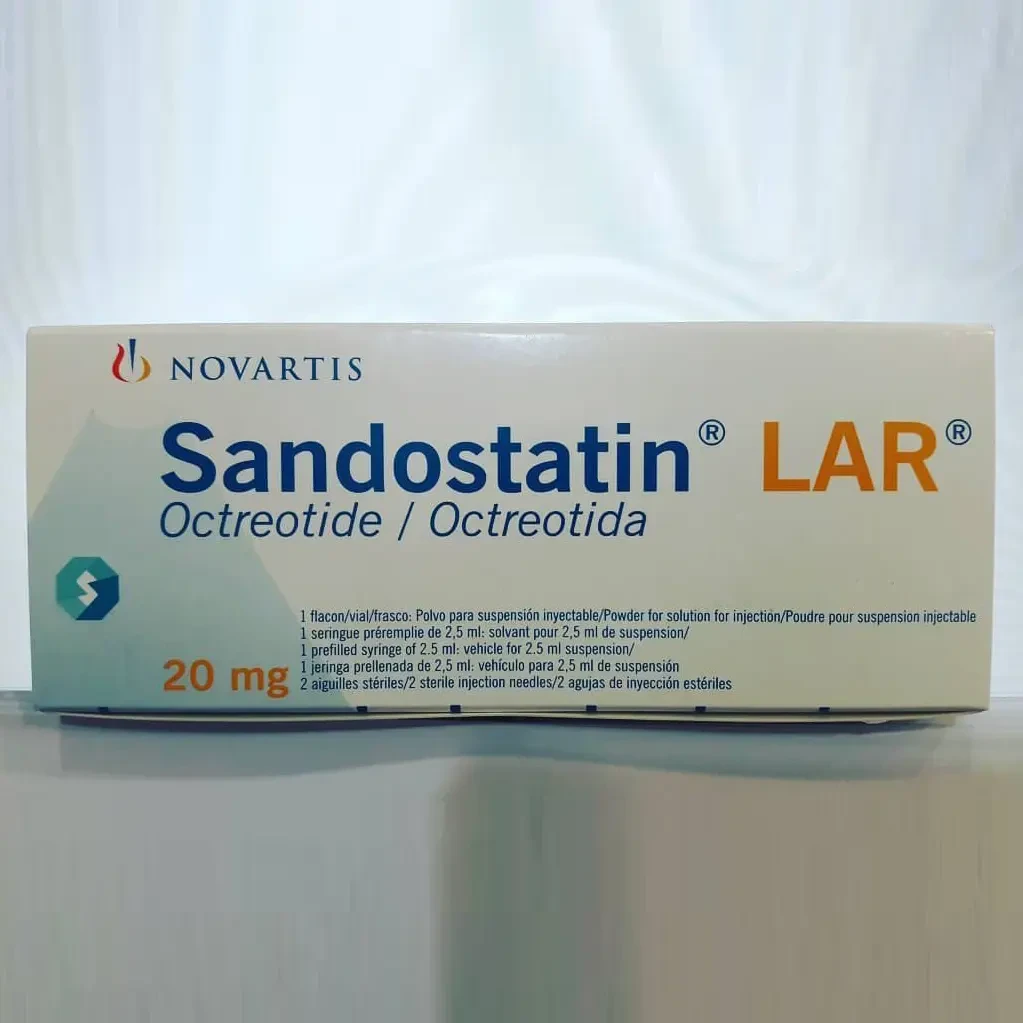
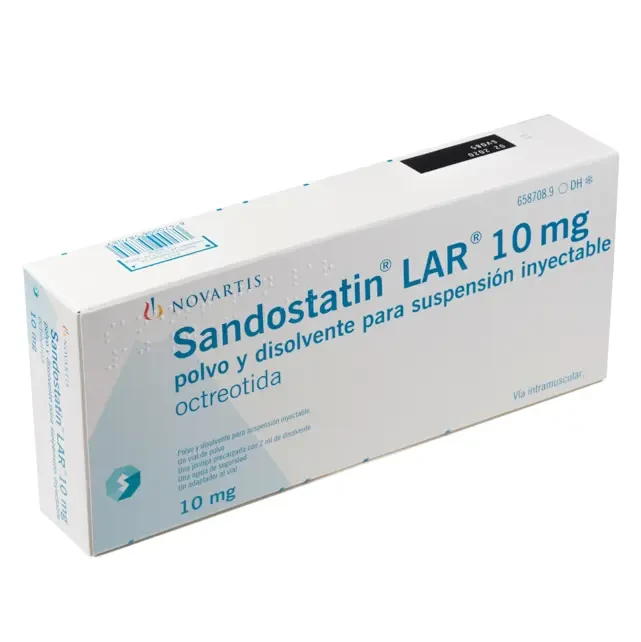
Octreotide is a long-acting drug with pharmacologic activities that mimic those of the natural hormone, somatostatin, which inhibits the secretion of growth hormone. Additionally, it is used for the treatment of acromegaly and symptoms arising from various tumors, including carcinoid tumors and vasoactive intestinal tumors (VIPomas). In the past, octreotide has been administered solely by injection.
Uses
Octreotide is a peptide drug used to treat acromegaly as well as diarrhea associated with metastatic carcinoid tumors and vasoactive intestinal peptide secreting tumors.
Octreotide by injection is used for the treatment of acromegaly and the reduction of flushing and diarrhea symptoms related to carcinoid tumors and/or vasoactive intestinal peptide (VIPoma) tumors. The delayed-release oral formulation is used for the long-term treatment of acromegaly in patients who tolerate and respond adequately to injectable octreotide and lanreotide.
Associated Conditions
Pharmacodynamics
Octreotide mimics the naturally occurring hormone known as somatostatin. Like somatostatin, it demonstrates activity against growth hormone and glucagon, treating the disordered tissue growth and insulin regulation in patients with acromegaly. In addition, octreotide relieves the flushing and diarrhea associated with gastrointestinal tumors by reducing splanchnic blood flow and various gastrointestinal hormones associated with diarrhea.
Product labeling warns that octreotide may reduce gallbladder contractility, bile secretion, and the release of thyroid-stimulating hormone (TSH) in healthy volunteers. In addition, reports of decreased vitamin B12 in patients treated with octreotide have been made. Ensure to monitor vitamin B12 levels in patients taking octreotide.
Mechanism of Action
Octreotide binds to somatostatin receptors coupled to phospholipase C through G proteins and leads to smooth muscle contraction in the blood vessels. Downstream effects that stimulate phospholipase C, the production of 1, 4,5-inositol triphosphate, and action on the L-type calcium channels lead to the inhibition of growth hormone, treating the various growth-hormone and metabolic effects of acromegaly.
Octreotide's suppression of luteinizing hormone (LH), reduction in splanchnic blood flow, and inhibition of serotonin, gastrin, vasoactive intestinal peptide, secretin, motilin, and pancreatic polypeptide provide relief for the gastrointestinal and flushing symptoms of carcinoid and/or VIPoma tumors.
Absorption
After a subcutaneous dose, octreotide is absorbed completely upon administration. After the administration of an oral delayed-release capsule, peak concentrations were found to be 33% lower than after subcutaneous administration. The Cmax was attained at 1.67–2.5 hours after oral administration versus 30 minutes for the subcutaneous route. At 20 mg twice a day in patients with acromegaly, peak concentration was 2.5 mg/nL versus 5.30 ng/mL at 40 mg twice a day. AUC increases in proportion with the dose, regardless of the route.
Volume of Distribution
In a pharmacokinetic study, the volume of distribution was 13.6 L in healthy volunteers. One pharmacokinetic study revealed a volume of distribution ranging from 18.1-30.4L after intravenous administration in healthy volunteers.
Protein Binding
Approximately 65% of the dose is bound in the plasma to lipoproteins and albumin.
Route of Elimination
About 32% of an oral octreotide dose is excreted into the urine and 30-40% is excreted by the liver into the feces.. About 11% of the unchanged parent drug is found in the urine, and 2% of the unchanged parent drug can be recovered in the feces.
Half Life
After a subcutaneous dose, the plasma half-life is estimated to be 0.2 hours. The average elimination half-lives for subcutaneous and oral administration ranged from 2.3 - 2.7 hours and did not differ significantly. One pharmacokinetic study revealed a plasma half-life ranging from 72-113 minutes.
Clearance
The total body clearance of octreotide is 7-10 L/h. One pharmacokinetic study revealed a total body clearance of 11.4 L/h.
Toxicity
There is limited information regarding cases of octreotide overdose aside from case reports of an overdose with injectable octreotide. The dose ranged from 2.4 mg/day to 6 mg/day administered by continuous infusion or subcutaneous administration of 1.5 mg three times daily. Effects of an overdose with octreotide may include hypotension, brain hypoxia, arrhythmia, cardiac arrest, lactic acidosis, pancreatitis, hepatomegaly, diarrhea, flushing, lethargy, and weakness.
Food Interactions
- Take on an empty stomach. The oral capsules should be taken on an empty stomach. Food reduces oral octreotide absorption by 90%.
- Take with or without food. Octreotide injections may be taken with or without food.