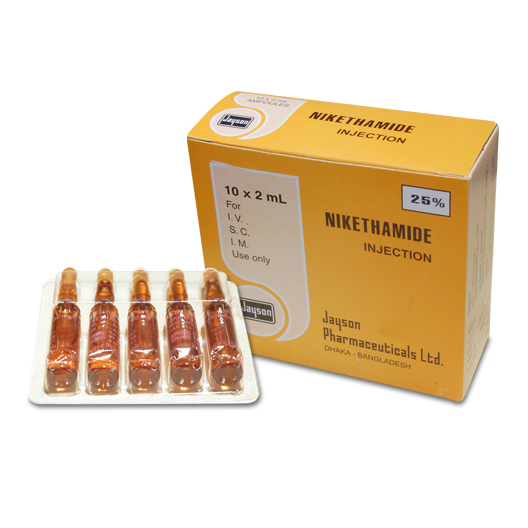
Nikethamide
Nikethamide, also known as beta-hydroxyethyl theophylline, is a bronchodilator that is used to treat asthma and other breathing disorders. It works by widening the airways in the lungs, making it easier to breathe. It is available in two forms: oral tablets and intravenous solution.
Uses
Nikethamide is used to treat asthma and other respiratory conditions, such as bronchitis, emphysema, and chronic obstructive pulmonary disease (COPD). It is also commonly used to prevent asthma attacks and improve exercise capacity.
Mechanism of Action
Nikethamide works by increasing the activity of certain substances in the body that relax the muscles of the airways, making it easier to breathe. It works by preventing the release of certain chemicals in the body that can narrow the airways and make breathing difficult.
How Long Does It Take to Work?
The effects of Nikethamide usually are felt within 30 minutes after taking it. However, it may take up to two hours to work if taken orally.
Absorption
Nikethamide is rapidly absorbed after oral administration, with peak plasma concentrations reached at a median Tmax of 1.5 hours. It is not significantly affected by food. The bioavailability is approximately 90%.
Route of Elimination
Nikethamide is primarily eliminated in the urine, with a half-life of 2 to 4 hours. Its elimination half-life may be prolonged in patients with renal dysfunction.
Dosage
1500 mg as single dose. Frequency: as recommended.The recommended dosage of Nikethamide for adults and children 10 years of age and older is two tablets taken two to three times a day. For children 6-10 years of age, the dose is one tablet taken two to three times a day. For children under 6 years of age, the dose is determined by body weight.
Administration
Nikethamide tablets should be taken orally with a full glass of water. The tablets may be taken with or without food. Do not break, crush, or chew the tablets. Do not take more than the recommended dose.
Side Effects
Common side effects of Nikethamide may include diarrhea, nausea, headache, or a skin rash. More serious side effects may include a fast heartbeat, chest pain, or difficulty breathing. If any of these side effects occur, contact a doctor or pharmacist immediately.
Toxicity
Overdose of Nikethamide can lead to serious side effects, including seizures, irregular heartbeat, confusion, coma, and death. If you think you may have overdosed, seek medical attention immediately.
Precautions
Before taking Nikethamide, tell your doctor if you have any allergies, a history of heart disease, liver or kidney problems, high blood pressure, or seizures. Tell your doctor about any medications you are taking, as they can interfere with the effectiveness of Nikethamide. Avoid alcohol while taking this medication.
Interactions
Nikethamide may interact with other medications. It is especially important to tell your doctor if you are taking any antibiotics, beta-blockers, aspirin, or other asthma medications. It is also important to inform your doctor if you are taking any supplements or nonprescription medications.
Disease Interactions
Nikethamide may interact with certain medical conditions. Tell your doctor if you have a history of heart disease, liver or kidney problems, high blood pressure, seizures, orhepatic or renal disease.
Drug Interactions
Nikethamide may interact with other medications, including drugs used to treat asthma, antibiotics, beta-blockers, and aspirin. It is also important to tell your doctor if you are taking any supplements or nonprescription medications.
Food Interactions
Food does not affect the absorption of Nikethamide, and it can be taken with or without food. However, it is important to take the medicine with a full glass of water.
Pregnancy Use
Nikethamide should be used with caution during pregnancy. If you are pregnant, tell your doctor before taking this medication.
Lactation Use
It is not known if Nikethamide is passed through breast milk. If you are breastfeeding, tell your doctor before taking this medication.
Acute Overdose
An overdose of Nikethamide can be fatal. Seek emergency medical attention if you think you have taken too much of this medicine.
Contraindications
Nikethamide is contraindicated in patients with severe heart disease, liver or kidney problems, and hypersensitivity to the drug.
Use Direction
Take Nikethamide exactly as prescribed by your doctor. Follow the directions on your prescription label or the instructions on the medication package. Do not take more than the recommended dose or for longer than prescribed. Talk to your doctor if your symptoms do not improve or if they become worse.
Storage Condition
Store Nikethamide at room temperature away from moisture and heat. Keep all medicines out of the reach of children.
Volume of Distribution
Nikethamide has a volume of distribution of 30 L/kg.
Half Life
The elimination half-life of Nikethamide is 2-4 hours.
Clearance
The estimated clearance of Nikethamide is 7 L/hr/kg.