Introduction
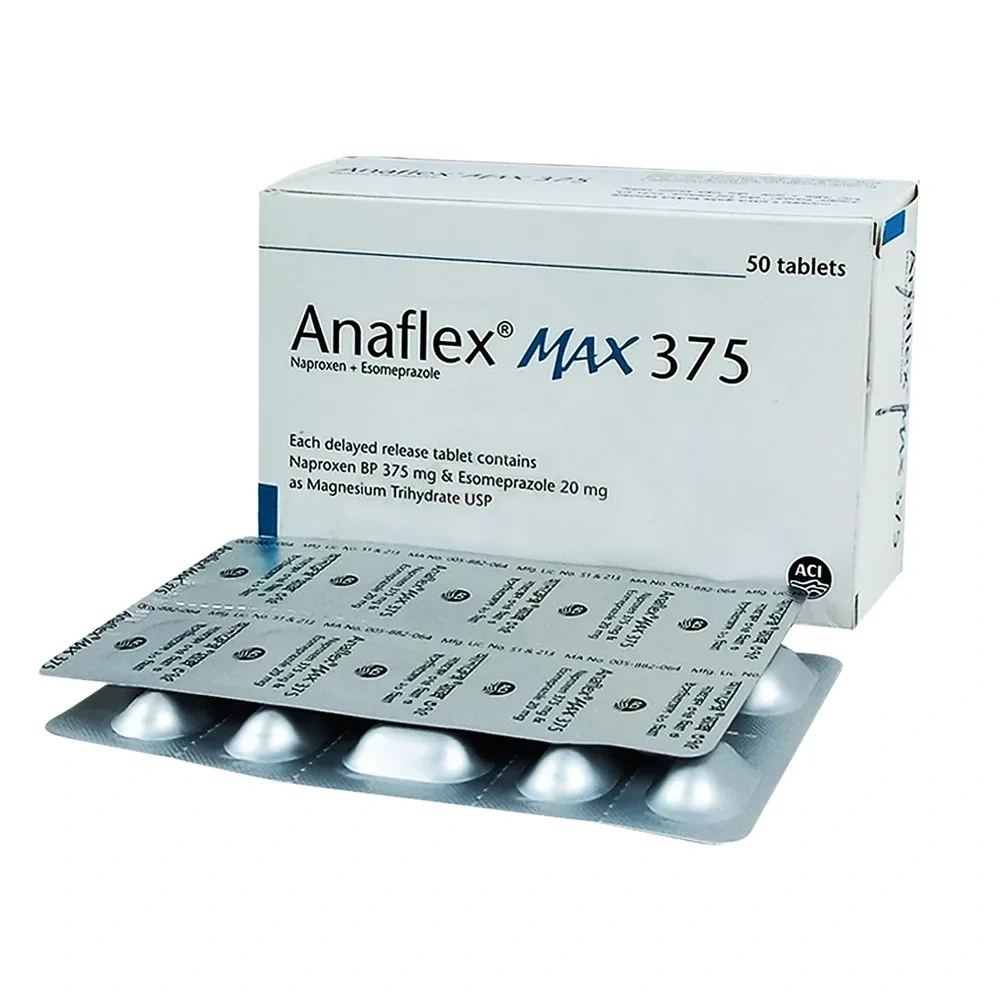
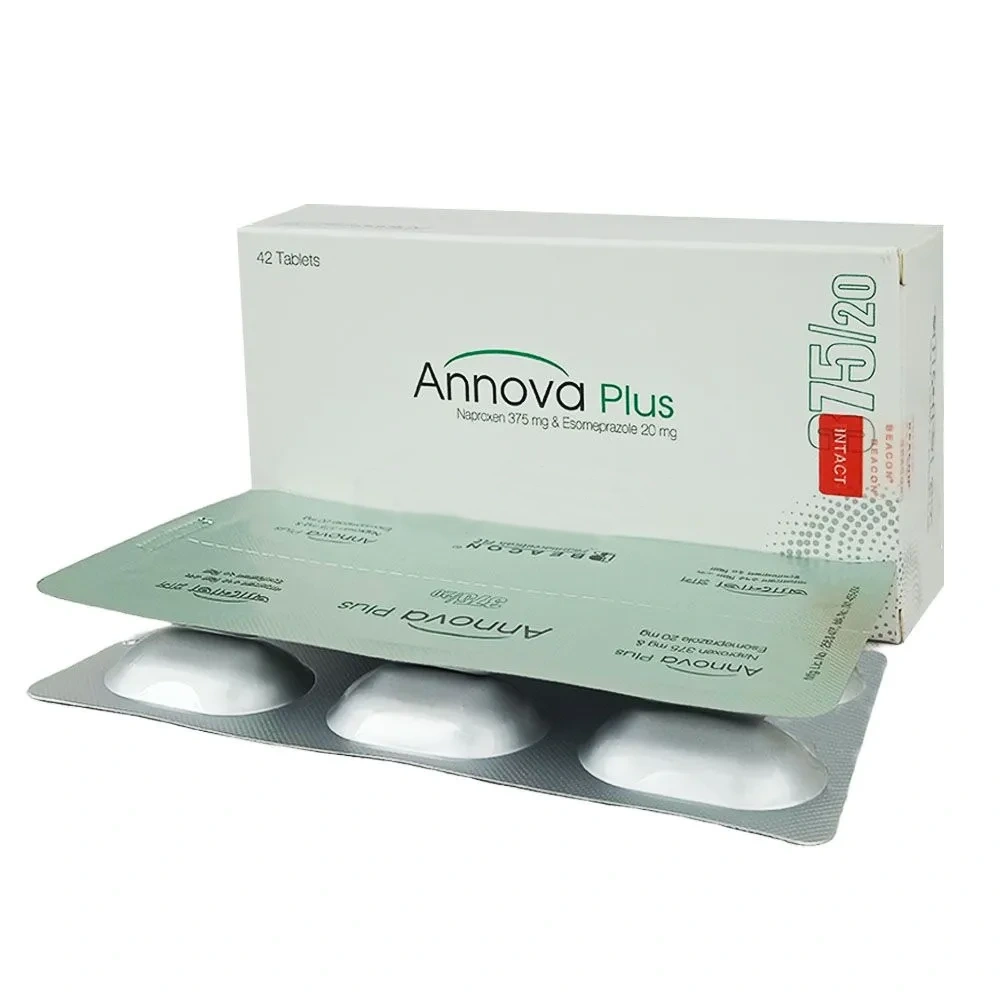
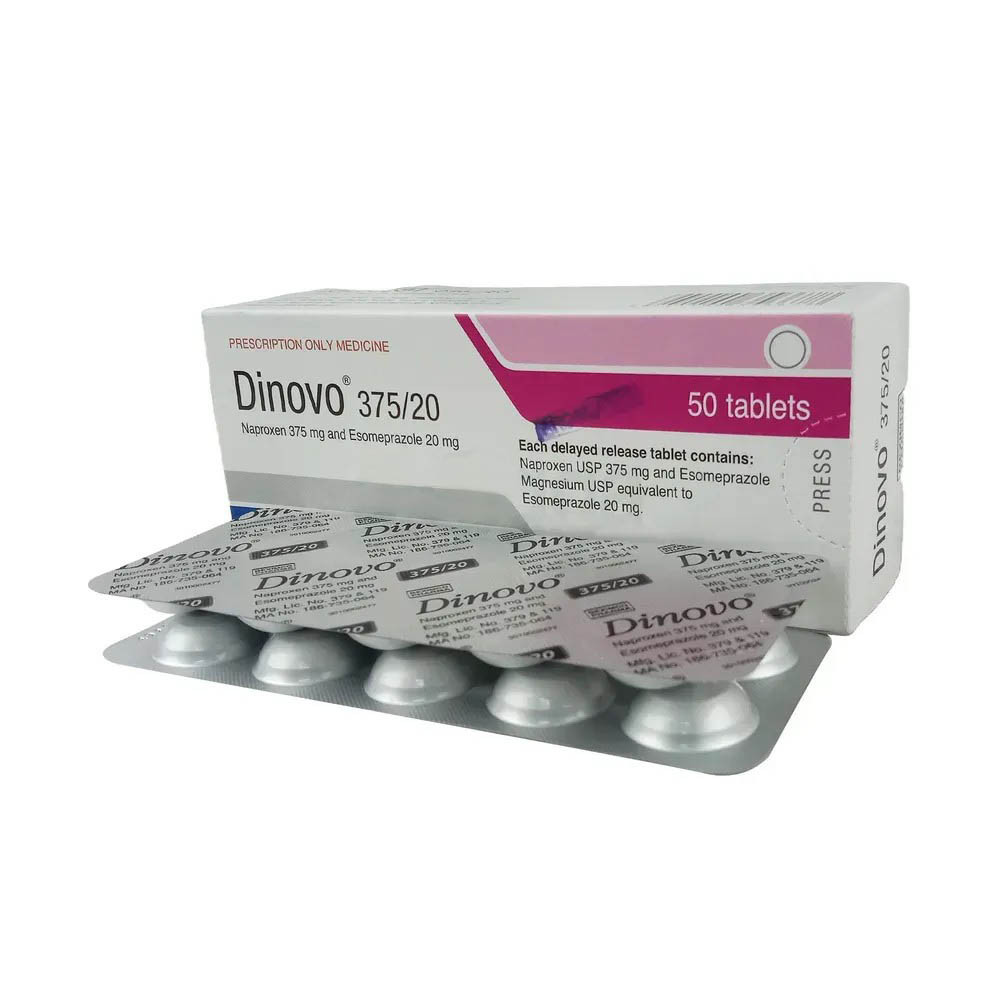
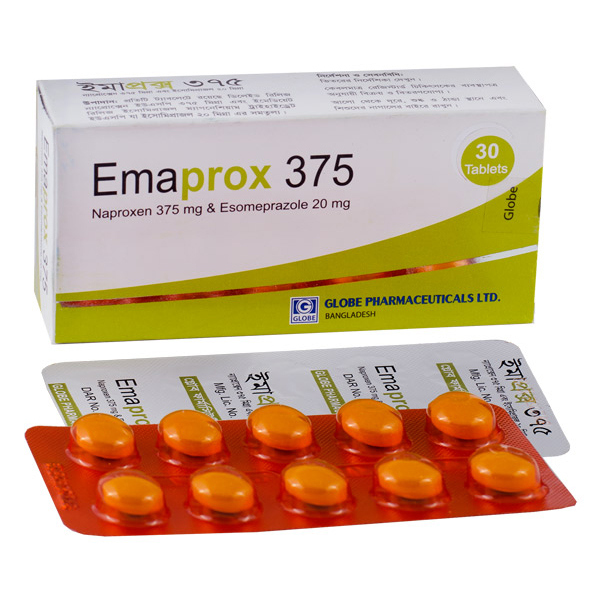
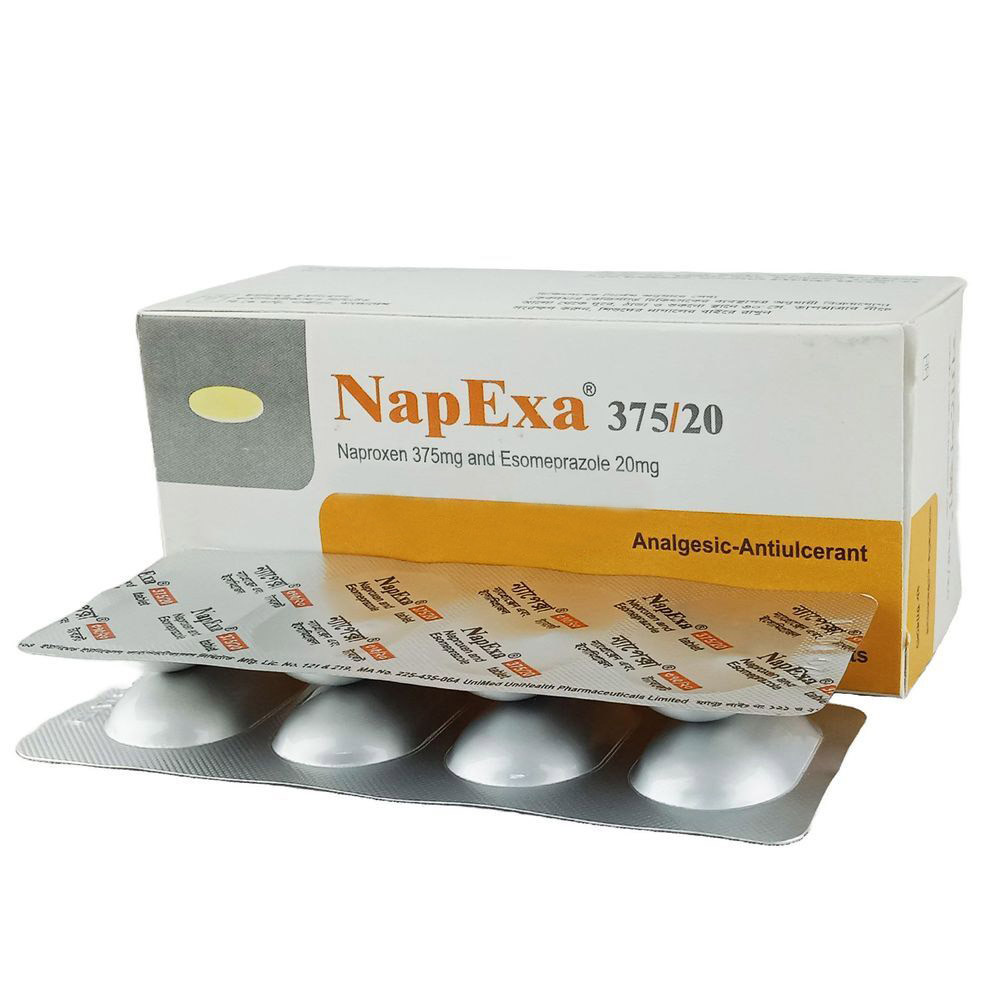
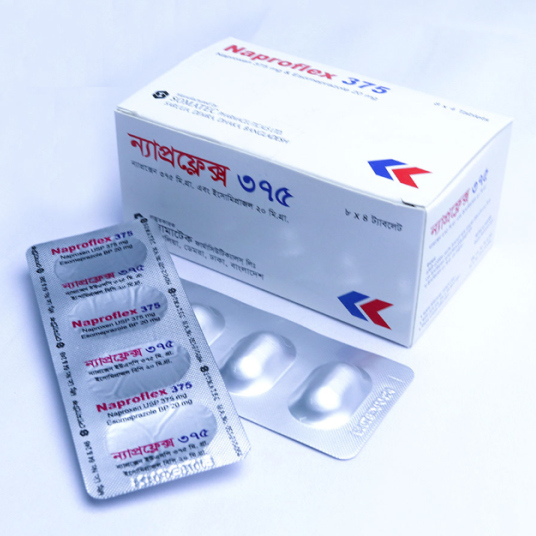
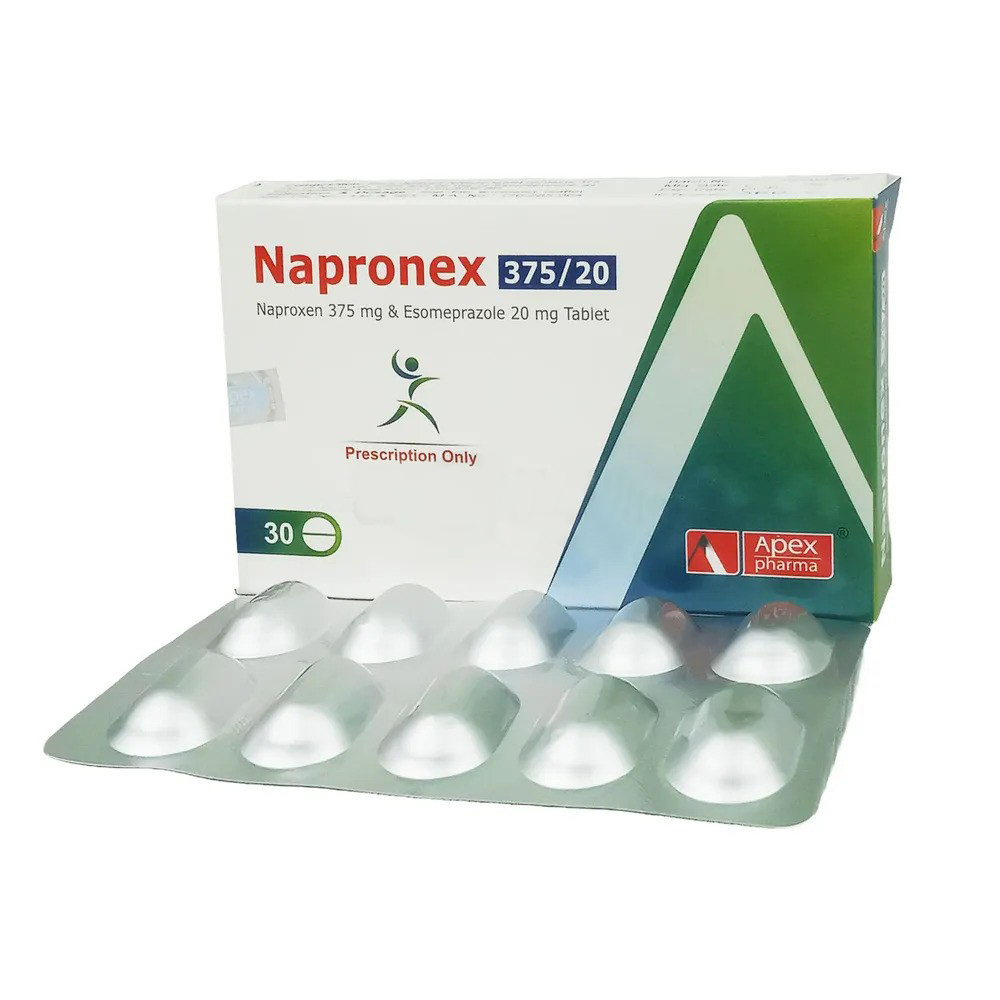
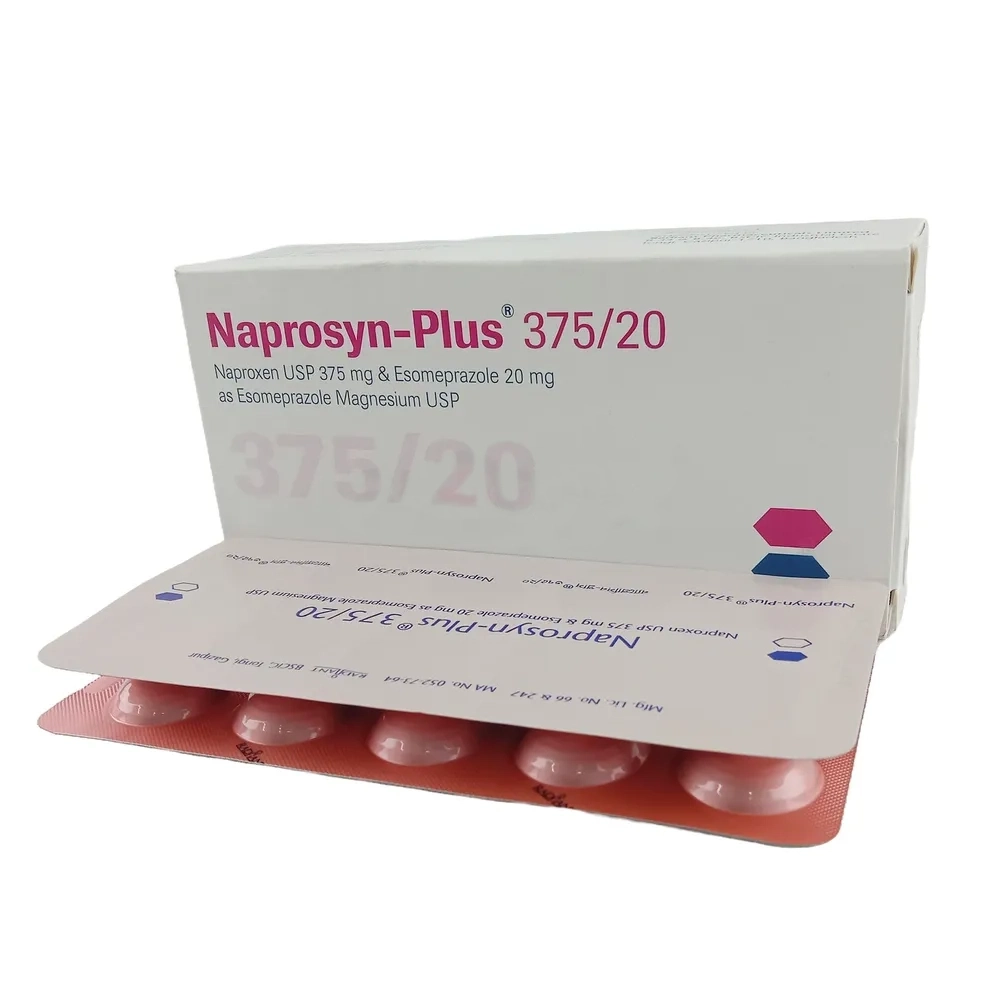
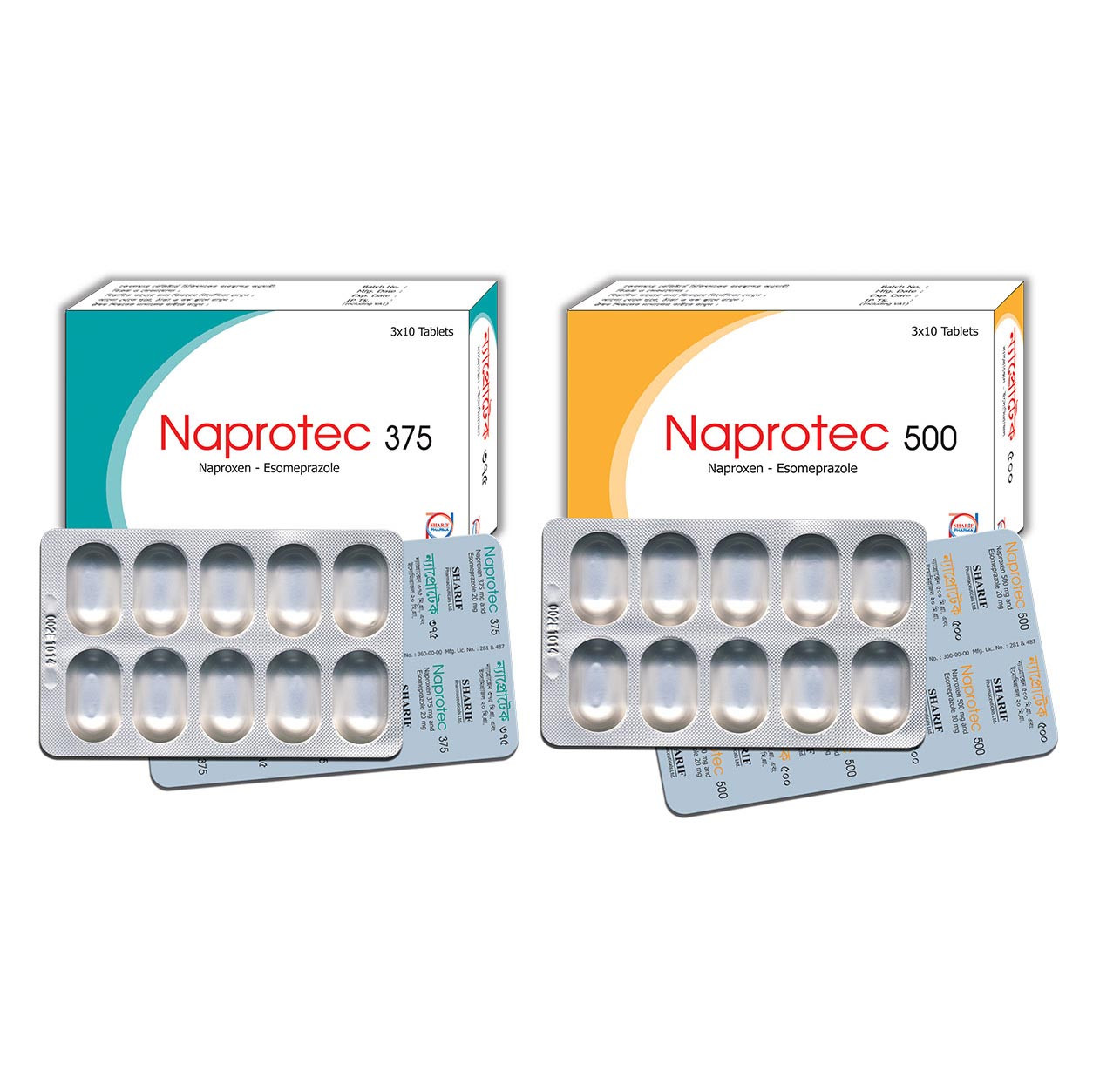
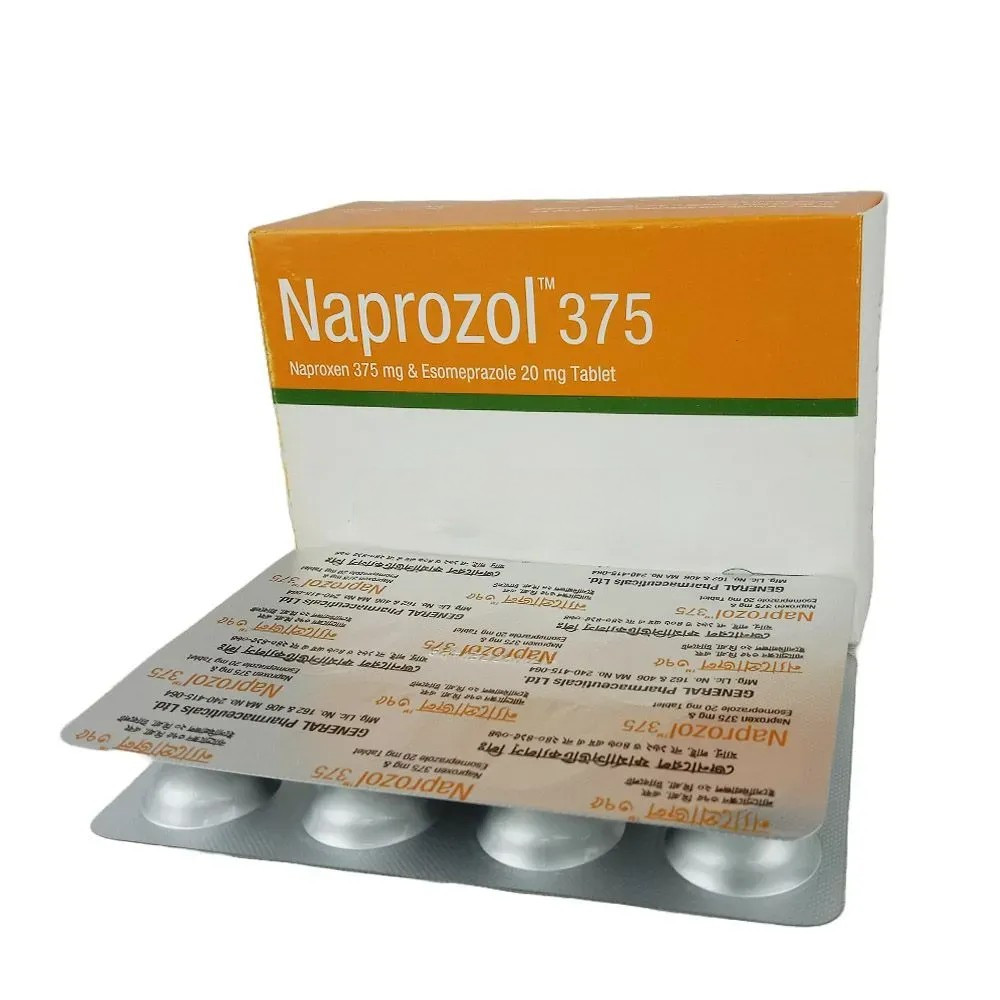
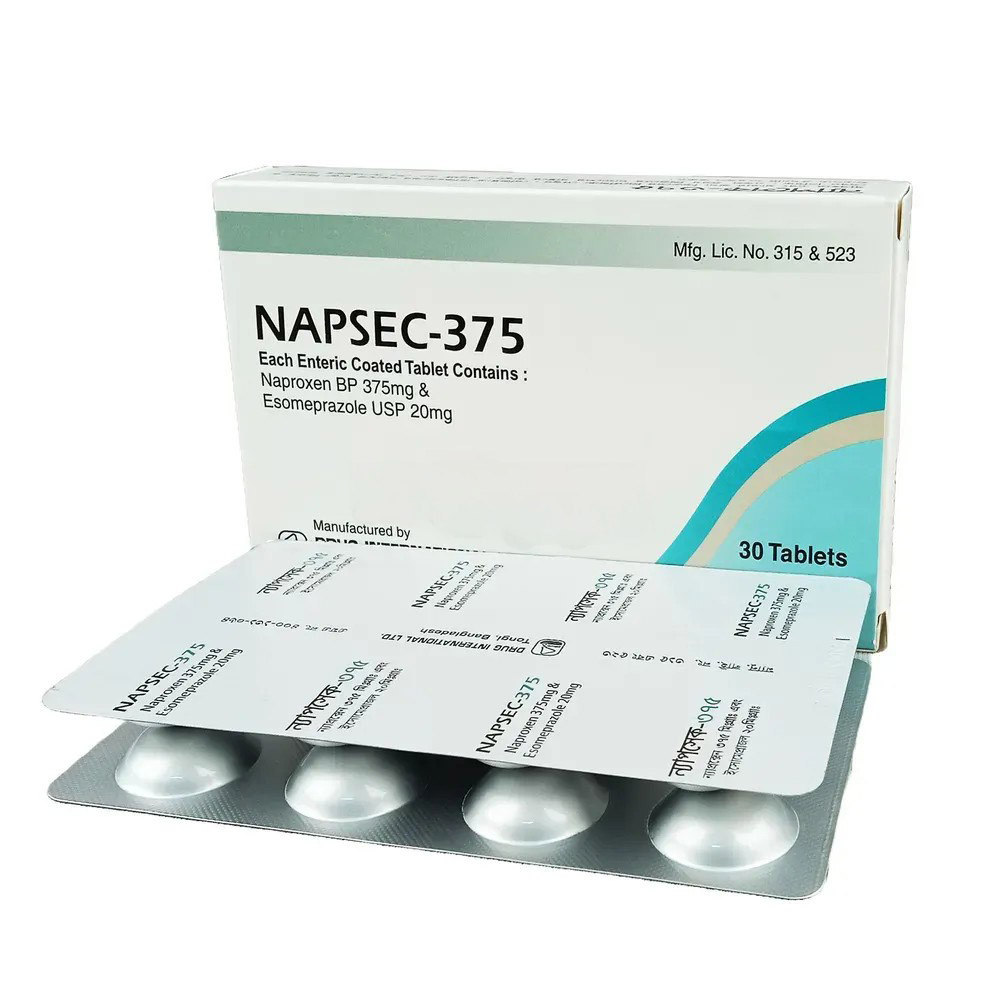
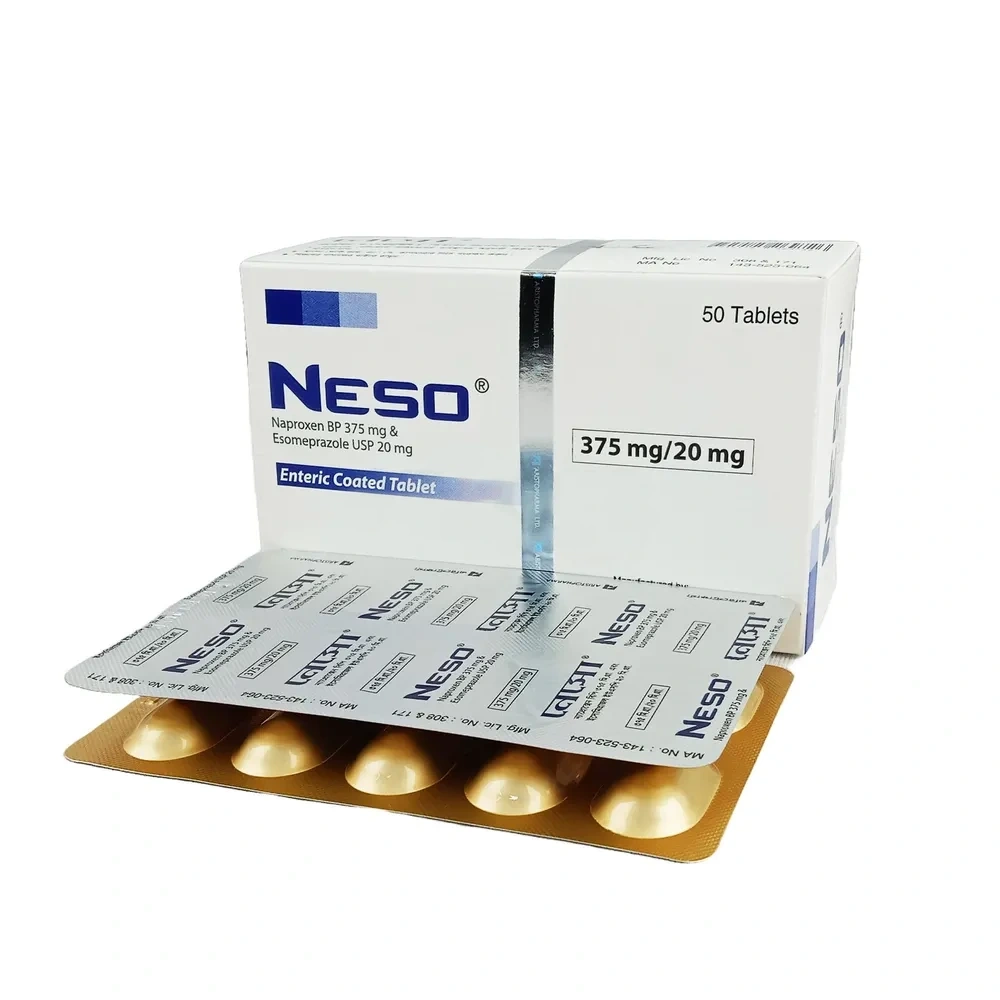
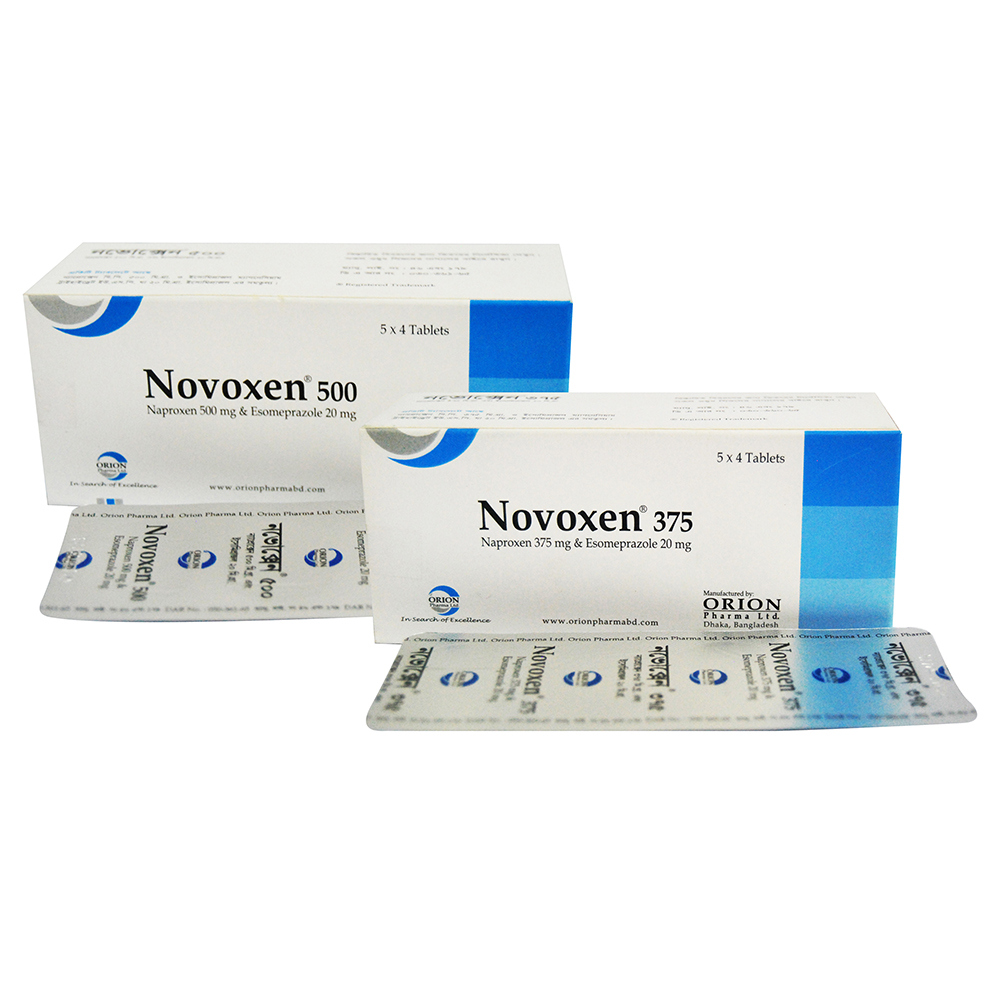
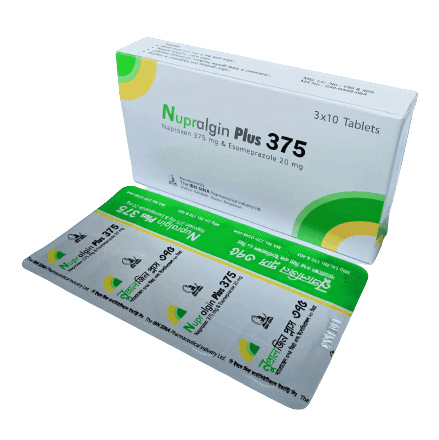
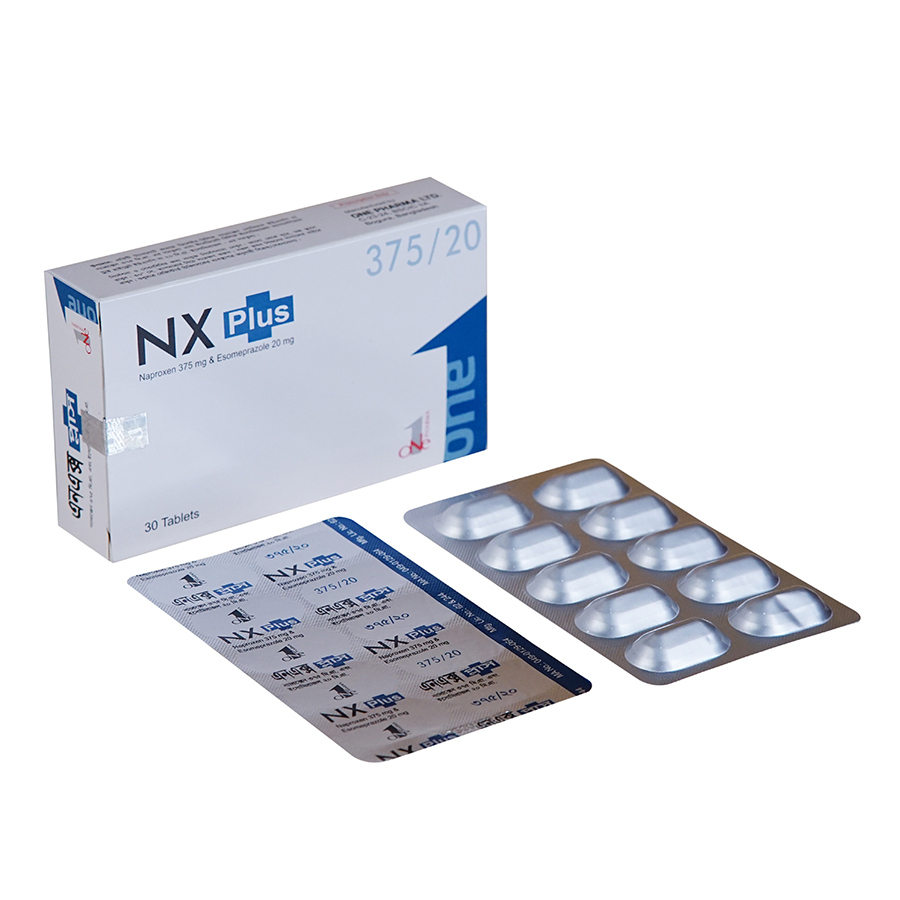
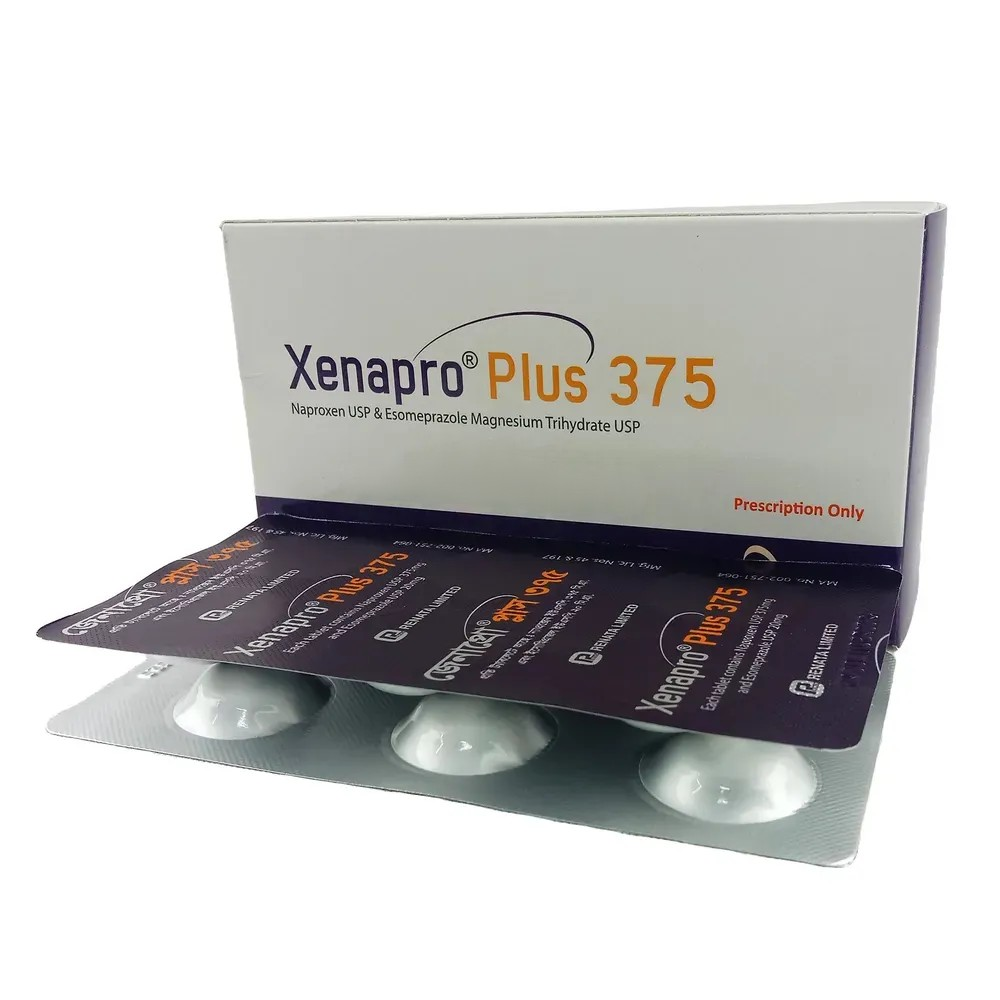
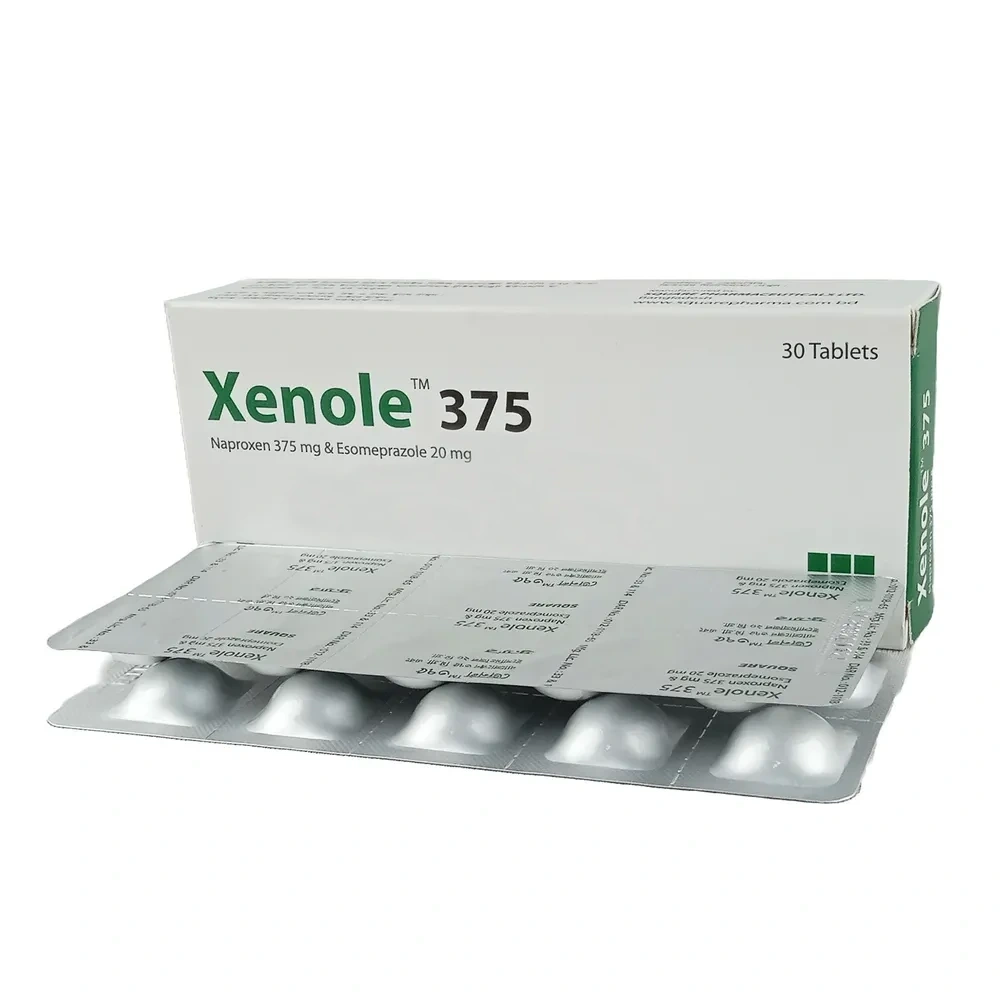
Naproxen Sodium + Esomeprazole Magnesium is a combination medication used to treat pain and inflammation associated with conditions such as arthritis, while protecting the stomach from damage caused by nonsteroidal anti-inflammatory drugs (NSAIDs). Naproxen is a potent NSAID that relieves pain, while Esomeprazole is a proton pump inhibitor (PPI) that reduces stomach acid production, minimizing the risk of ulcers.
Uses
This combination is primarily used to treat:
- Osteoarthritis
- Rheumatoid arthritis
- Ankylosing spondylitis
- Acute pain relief
- Prevention of NSAID-associated gastric ulcers
Mechanism of Action
Naproxen works by inhibiting cyclooxygenase (COX-1 and COX-2) enzymes, reducing the production of prostaglandins, which are responsible for pain, fever, and inflammation. Esomeprazole inhibits the H+/K+ ATPase pump in gastric parietal cells, reducing stomach acid production. Together, they relieve pain and inflammation while protecting the gastrointestinal tract from damage.
How Long Does It Take to Work?
Naproxen begins to relieve pain and inflammation within 30 minutes to an hour after administration. Esomeprazole takes a few hours to reduce stomach acid production, with full acid suppression occurring after several days of continuous use.
Absorption
Naproxen is rapidly absorbed from the gastrointestinal tract after oral administration, reaching peak plasma concentrations within 2-4 hours. Esomeprazole is also absorbed from the gastrointestinal tract but requires activation in acidic conditions. It reaches peak plasma concentration in about 1.5 hours.
Route of Elimination
Naproxen is primarily eliminated through the kidneys, with a small amount excreted in the bile. Esomeprazole is metabolized in the liver by cytochrome P450 enzymes (CYP2C19 and CYP3A4) and eliminated mainly through urine as metabolites.
Dosage
Carefully consider the potential benefits & risks of this tablet & other treatment options before deciding to use this tablet. Use the lowest effective dose for the shortest duration consistent with individual patient treatment goals. If a dose of Esomeprazole lower than a total daily dose of 40 mg is more appropriate, a different treatment should be considered.Rheumatoid Arthritis, Osteoarthritis and Ankylosing Spondylitis-
- Adults: One tablet twice daily of either: 375 mg naproxen/20 mg of esomeprazole; or 500 mg naproxen/20 mg of esomeprazole
- Weight greater than 50 kg: 375 mg naproxen/20 mg of esomeprazole; or 500 mg naproxen/20 mg of esomeprazole
- Weight 38 kg to less than 50 kg: One tablet twice daily of 375 mg naproxen/20 mg of esomeprazole.
The typical dosage for Naproxen Sodium + Esomeprazole Magnesium combination is one tablet twice daily:
- Naproxen Sodium: 500 mg per tablet
- Esomeprazole Magnesium: 20 mg per tablet
Administration
This combination is taken orally, with each tablet swallowed whole with water. It should be taken at least 30 minutes before meals to optimize the efficacy of Esomeprazole in reducing stomach acid.
Side Effects
Common side effects include:
- Nausea
- Diarrhea or constipation
- Headache
- Abdominal pain
- Dizziness
- Gastrointestinal bleeding or ulceration
- Kidney dysfunction
- Elevated liver enzymes
- Severe allergic reactions
Toxicity
Overdose of Naproxen can result in severe gastrointestinal bleeding, renal failure, and central nervous system effects such as drowsiness, dizziness, or seizures. Overdose of Esomeprazole may cause confusion, drowsiness, blurred vision, or increased heart rate. Supportive treatment and symptomatic care are required in case of overdose.
Precautions
- Patients with a history of ulcers or gastrointestinal bleeding should use this combination cautiously.
- Regular monitoring of renal and hepatic function is recommended during prolonged use.
- Patients with cardiovascular risk factors, such as hypertension or heart disease, should be monitored closely, as NSAIDs may increase the risk of cardiovascular events.
Interaction
- Anticoagulants (e.g., Warfarin): Increased risk of bleeding when used concurrently with Naproxen.
- Antacids: May reduce the absorption of Esomeprazole.
- Diuretics: Concomitant use with Naproxen may increase the risk of renal impairment.
Disease Interaction
- Patients with a history of peptic ulcers or gastrointestinal bleeding should use this combination with caution due to the increased risk of GI complications.
- Patients with kidney or liver disease may require dose adjustments and regular monitoring.
- Use cautiously in patients with cardiovascular diseases, as NSAIDs may increase the risk of heart attack or stroke.
Drug Interaction
Naproxen Sodium + Esomeprazole Magnesium can interact with:
- Warfarin: Increased bleeding risk
- Aspirin: Increased gastrointestinal side effects
- Cyclosporine: May increase the risk of nephrotoxicity
- SSRIs: Increased risk of gastrointestinal bleeding
Food Interactions
Food may reduce the absorption of Esomeprazole, so it is recommended to take the combination on an empty stomach. No significant food interactions are noted with Naproxen.
Pregnancy Use
Naproxen falls under pregnancy category C, meaning it should be avoided during the third trimester due to the risk of fetal harm, including premature closure of the ductus arteriosus. Esomeprazole is classified as category B, indicating no proven risk to humans, but caution is still advised.
Lactation Use
Naproxen is excreted in breast milk in small amounts and may cause harm to the infant. Esomeprazole is also excreted in breast milk, but its effects on the nursing infant are unknown. Therefore, breastfeeding is not recommended while using this combination.
Acute Overdose
Symptoms of overdose include severe nausea, vomiting, abdominal pain, dizziness, drowsiness, and possibly gastrointestinal bleeding. In severe cases, kidney failure, liver damage, or seizures may occur. Treatment includes gastric lavage, activated charcoal, and supportive measures.
Contraindication
This combination is contraindicated in patients with:
- Known hypersensitivity to Naproxen, Esomeprazole, or other NSAIDs
- Active peptic ulcer disease or gastrointestinal bleeding
- Severe renal or hepatic impairment
- Third trimester of pregnancy
Use Direction
Take one tablet twice daily, at least 30 minutes before meals. Do not crush or chew the tablet. Complete the full course of therapy as directed by your healthcare provider. Avoid alcohol and smoking while on this medication, as they may increase the risk of gastrointestinal bleeding.
Storage Conditions
Store at room temperature (20°C to 25°C or 68°F to 77°F). Keep the medication in its original packaging and away from moisture and light. Keep out of reach of children.
Volume of Distribution
Naproxen has a moderate volume of distribution of approximately 0.16 L/kg, indicating good tissue penetration. Esomeprazole has a volume of distribution of about 16 L, which reflects its distribution into various tissues.
Half Life
Naproxen has a half-life of approximately 12-17 hours, allowing for twice-daily dosing. Esomeprazole has a shorter half-life of around 1-1.5 hours, but its effects on acid suppression persist longer due to irreversible binding to the proton pump.
Clearance
Naproxen is primarily cleared by the kidneys, with a clearance rate of around 0.13 mL/min/kg. Esomeprazole is metabolized in the liver and excreted through both urine and feces, with a clearance rate dependent on CYP2C19 activity.