Introduction
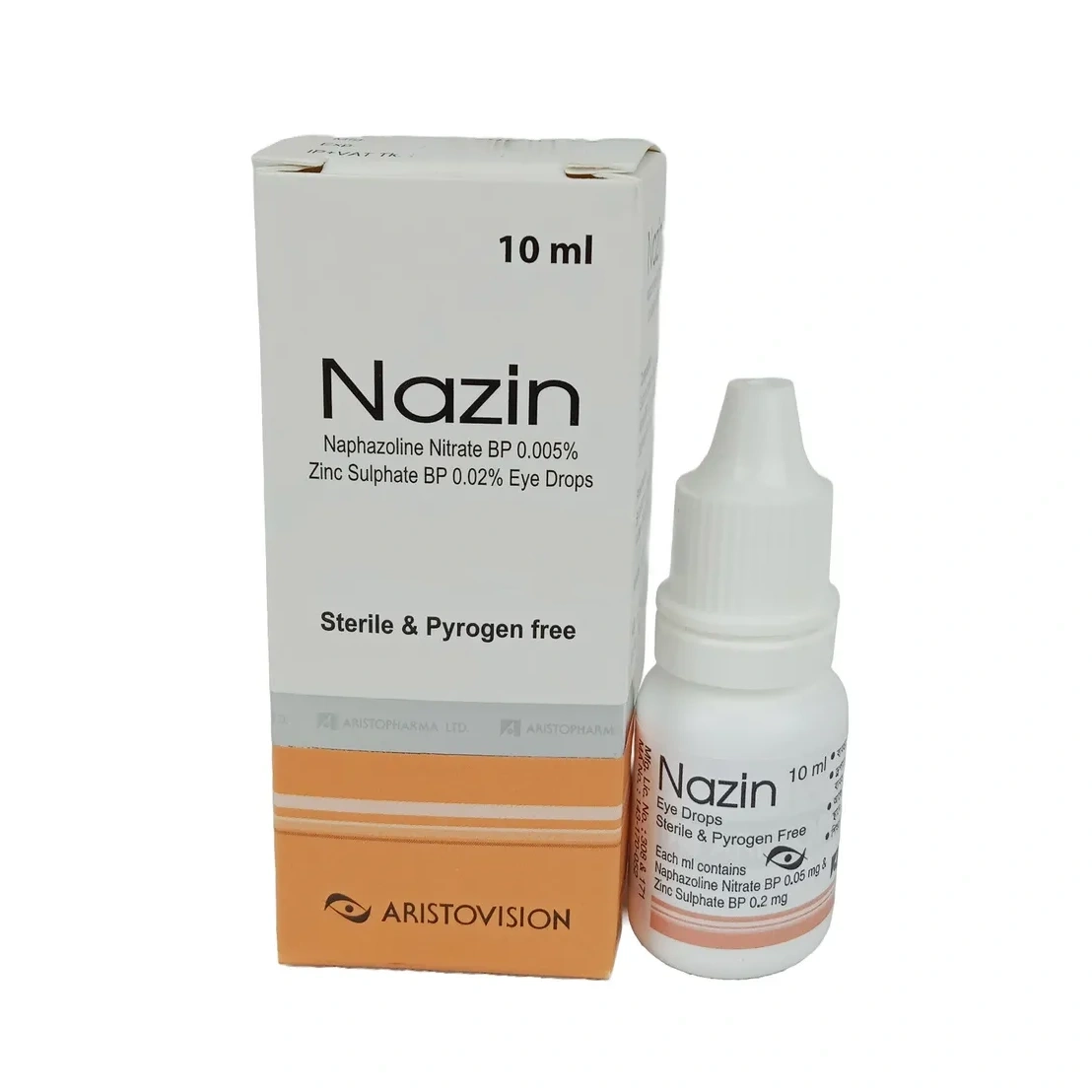
Naphazoline + Zinc Sulfate is a combination medication used in ophthalmic solutions to relieve symptoms associated with allergic conjunctivitis and other eye conditions. Naphazoline is a vasoconstrictor that helps reduce redness and swelling in the eyes, while Zinc Sulfate has astringent and anti-inflammatory properties that can alleviate irritation and itching.
Uses
This combination is primarily used for:
- Relieving redness, itching, and irritation in the eyes caused by allergic conjunctivitis.
- Soothing discomfort associated with minor eye irritations.
Mechanism of Action
Naphazoline works by constricting blood vessels in the eye, which reduces redness and swelling. This vasoconstrictive effect helps to decrease the appearance of bloodshot eyes. Zinc Sulfate, on the other hand, acts as an astringent, helping to tighten tissues and reduce inflammation, which helps to soothe irritation and itching.
How Long Does It Take to Work?
Patients usually experience relief from symptoms such as redness and itching within a few minutes to an hour after application. The duration of relief can vary, and the medication may need to be applied multiple times a day for sustained relief, depending on the severity of symptoms.
Absorption
When administered as an ophthalmic solution, Naphazoline and Zinc Sulfate primarily act locally within the eye. Systemic absorption is minimal but can occur to a small extent. The primary therapeutic effects are achieved through local action rather than systemic distribution.
Route of Elimination
Both Naphazoline and Zinc Sulfate are primarily eliminated through their action in the eye. Minimal systemic absorption means that most of the drug action is localized, and systemic clearance is not a major consideration. Any absorbed components are eventually excreted via the urine.
Dosage
Adults: 1 drop in the conjunctival sac, three to 4 times per day.Children: Naphazoline nitrate and Zinc sulphate drops has not been studied in children. Generally, in children the dosage of vasoconstrictors should be low and selected with caution.
The standard dosage for Naphazoline + Zinc Sulfate ophthalmic solution is typically one to two drops applied to the affected eye(s) up to four times daily, or as directed by a healthcare provider. Dosage may vary based on the severity of symptoms and individual patient needs.
Administration
To administer the drops:
- Wash your hands before use.
- Tilt your head back and gently pull down your lower eyelid to create a small pocket.
- Place one or two drops into the pocket without touching the dropper tip to the eye or surrounding area.
- Close your eye gently and press your finger against the inner corner of your eye for about one minute to prevent drainage.
- Repeat for the other eye if needed.
Side Effects
Common side effects may include:
- Temporary stinging or burning sensation in the eye.
- Increased tearing or dryness of the eye.
- Temporary blurred vision.
Toxicity
Acute toxicity from topical application is unlikely. However, excessive use or accidental ingestion may lead to systemic effects. In cases of overdose or severe reactions, discontinue use and seek medical attention immediately.
Precautions
Precautions include:
- Use with caution in patients with a history of cardiovascular disease, as Naphazoline can cause systemic vasoconstriction.
- Do not use if the eye is infected or if there is a history of eye disease without consulting a healthcare provider.
- Follow the prescribed dosage and avoid overuse to prevent potential adverse effects.
Interaction
Drug interactions with topical ocular use are minimal. However, inform your healthcare provider of any other medications or eye drops being used to manage potential interactions and avoid duplicate treatments.
Disease Interaction
Considerations include:
- Patients with a history of hypertension or other cardiovascular issues should use Naphazoline with caution due to its vasoconstrictive effects.
- Individuals with a history of dry eye syndrome or ocular surface disease may experience exacerbation of symptoms.
Drug Interaction
Interactions with other topical ocular medications are rare, but it is important to review all medications used by the patient. Avoid using multiple ocular treatments simultaneously without medical advice.
Food Interactions
There are no significant food interactions reported with Naphazoline + Zinc Sulfate ophthalmic solution. Maintain general dietary practices and avoid ingestion of the medication.
Pregnancy Use
During pregnancy, this combination should be used only if the potential benefits justify the risks. Limited data is available on the use of Naphazoline and Zinc Sulfate during pregnancy, so consult a healthcare provider to evaluate the risks and benefits and consider alternative treatments if necessary.
Lactation Use
During lactation, use with caution. Although systemic absorption is minimal, monitor the nursing infant for any potential adverse effects. Consult a healthcare provider before use to ensure safety for both the mother and the infant.
Acute Overdose
Acute overdose from topical application is unlikely. However, in cases of excessive use or ingestion, seek medical attention immediately for appropriate management.
Contraindication
This combination is contraindicated in individuals with:
- Known hypersensitivity to Naphazoline, Zinc Sulfate, or any other components of the formulation.
- Active eye infections or severe ocular conditions that may contraindicate the use of vasoconstrictors or astringents.
Use Direction
Follow the prescribed dosage and administration instructions:
- Apply one to two drops to the affected eye(s) as needed, up to four times daily.
- Do not exceed the recommended dosage and avoid simultaneous use of other ocular medications without consulting a healthcare provider.
- Consult a healthcare provider if symptoms persist or if any adverse reactions occur.
Storage Conditions
Store the ophthalmic solution at room temperature, away from direct sunlight and moisture. Keep the bottle tightly closed and out of reach of children. Follow any specific storage instructions provided with the product to maintain efficacy.
Volume of Distribution
The volume of distribution for Naphazoline and Zinc Sulfate is primarily localized to the ocular tissues due to topical application. Systemic distribution is minimal, and the primary therapeutic effects are localized to the eye.
Half Life
The half-life of Naphazoline and Zinc Sulfate in ocular tissues is not well-defined but is generally short due to local application. The therapeutic effects are primarily based on continuous use rather than systemic half-life.
Clearance
The clearance of Naphazoline and Zinc Sulfate occurs primarily through their localized action in the eye. Systemic clearance is minimal, with any absorbed components being excreted via the urine. The therapeutic effects are achieved through local action rather than systemic clearance.