Introduction
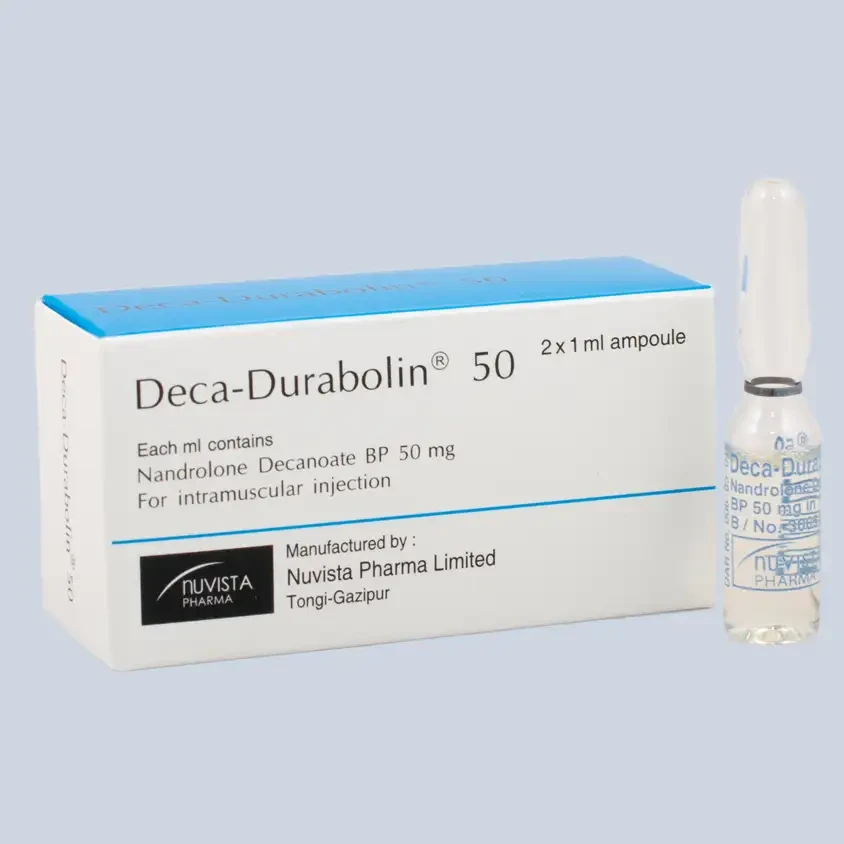
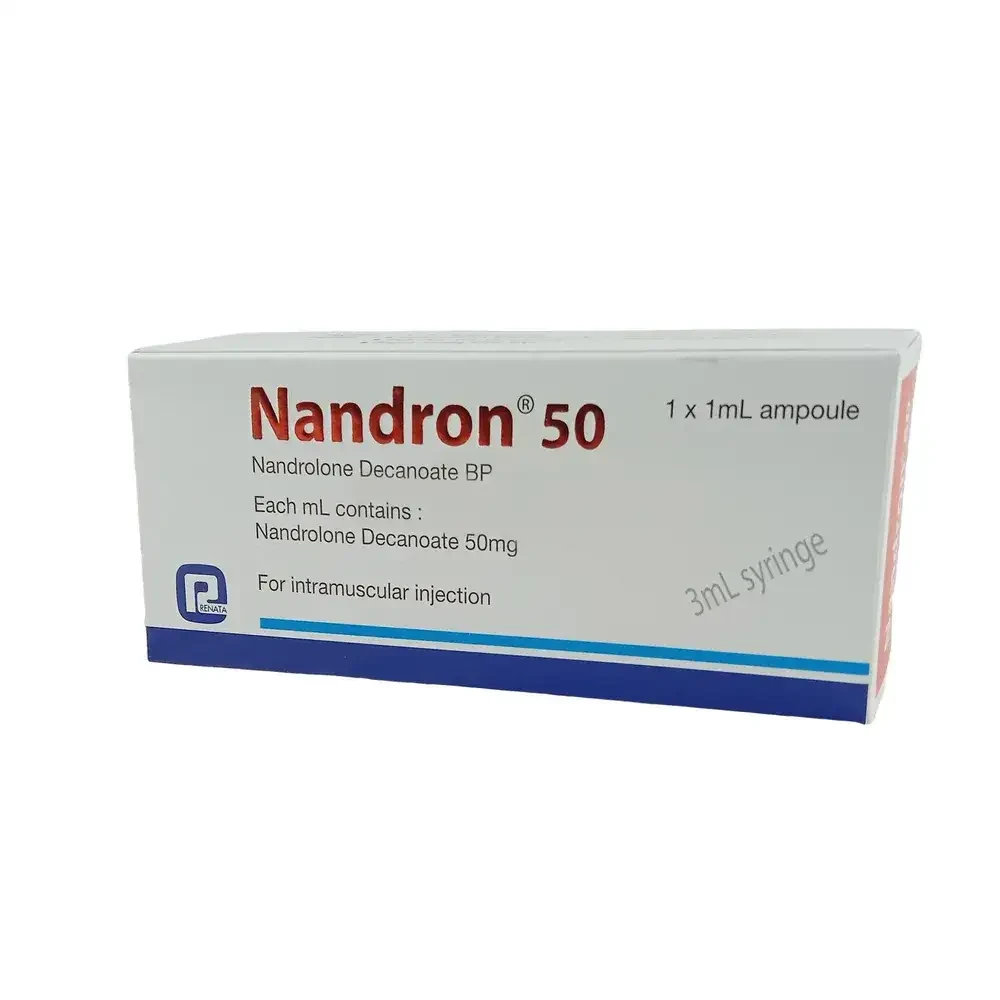
Nandrolone decanoate, also known as nandrolone caprinate, is an alkylated anabolic steroid indicated in the management of anemia of renal insufficiency and as an adjunct therapy in the treatment of senile and postmenopausal osteoporosis.
Uses
Nandrolone decanoate is an anabolic steroid indicated for the management of the anemia of renal insufficiency by increasing hemoglobin and red cell mass.
Nandrolone decanoate is indicated in the management of anemia of renal insufficiency. In Canada, it is also indicated as an adjunct therapy in the treatment of senile and postmenopausal osteoporosis.
Associated Conditions
Pharmacodynamics
Nandrolone decanoate is an alkylated anabolic steroid indicated in the management of anemia of renal insufficiency and as an adjunct therapy in the treatment of senile and postmenopausal osteoporosis. It has a long duration of action as it is given every 3-4 weeks, and a wide therapeutic window as acute overdoses are rare. Patients should be counselled regarding the risks of giving this drug to patients with cardiac, renal, or hepatic diseases.
Mechanism of Action
Nandrolone decanoate is hydrolyzed to nandrolone, possibly by PDE7B. Nandrolone is brought into cells by receptor mediated endocytosis, where it interacts with the androgen receptor. After binding to the androgen receptor, a conformational change occurs, the androgen receptor enters the nucleus, dimerizes, and can then bind to segments of DNA to regulate transcription. Androgens can also regulate transcription through activation of ERK, Akt, and MAPK; or binding to and competitively inhibiting transcription factors.
Absorption
A 50 mg intramuscular dose of nandrolone decanoate reaches a mean Cmax 2.14 ng/mL, with a mean Tmax of 30 hours, and a mean AUC of 400 h*ng/mL. A 100 mg intramuscular dose of nandrolone decanoate reaches a mean Cmax 4.26 ng/mL, with a mean Tmax of 30 hours, and a mean AUC of 862 h*ng/mL. A 150 mg intramuscular dose of nandrolone decanoate reaches a mean Cmax 5.16 ng/mL, with a mean Tmax of 72 hours, and a mean AUC of 1261 h*ng/mL.
Protein Binding
Data regarding the percent protein binding of nandrolone decanoate is not readily available. After nandrolone decanoate is hydrolyzed to nandrolone, it is bound to sex hormone binding globulin.
Route of Elimination
Nandrolone decanoate is eliminated as urinary metabolites, however data regarding elimination in the feces are not readily available. Data in cattle shows that nandrolone is 30% eliminated in the feces.
Half Life
Nandrolone decanoate has an absorption half life of 6 days and an elimination half life of 4.3 hours. Alternate studies have shown that nandrolone decanoate has a terminal half life of 7.1, 11.7, and 11.8 hours for doses of 50, 100, and 150 mg respectively.
Clearance
50 mg, 100 mg, and 150 mg doses of nadrolone decanoate had mean apparent clearances of 80.0 L/h, 74.3 L/h, and 76.2 L/h respectively.
Toxicity
Data regarding acute overdose of nandrolone decanoate are not readily available. However, patients experiencing a chronic overdose of anabolic steroids may experience adverse effects including suppression of testosterone and spermatogenesis, shrinking of testicles, decreased libido, and erectile dysfunction in men; and suppressed estrogen, progesterone, and ovulation, amenorrhea, and clitoromegaly in women. Patients may also experience neuropsychiatric, cardiovascular, and hepatic adverse effects. Alkylated anabolic steroids such as nandrolone decanoate are more likely to cause hepatic adverse effects. Treat patients with symptomatic and supportive measures.
The intraperitoneal LD50 in mice is >566 mg/kg.
Food Interactions
No interactions found.
Dosage
- Established Osteoporosis: 50 mg every 3 weeks
- Disseminated breast cancer in women (palliative therapy): 50 mg every 3 weeks
- Protein deficiency states occurring after major surgery or trauma: 50 mg every 2-3 weeks
- Anemia due to chronic renal failure: 50-200 mg per week
- Aplastic anemia: 50-150 mg per week
- Anemia due to cytotoxic therapy: 200 mg per week
- Chronic debilitating disease in elderly: 100 mg
- Postsurgical and post-traumatic catabolism: 25-50 mg every 3 weeks
- During glucocorticosteroid therapy: 50 mg every 2-3 week