Introduction
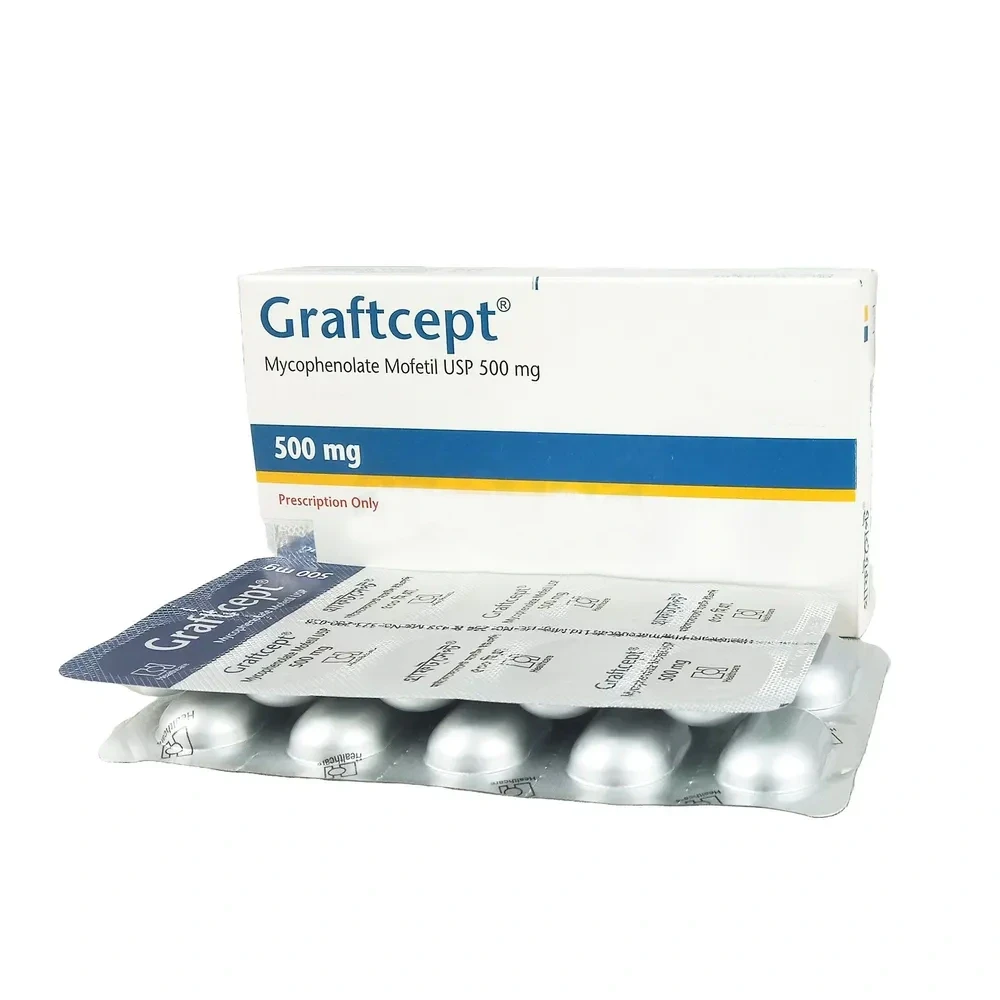
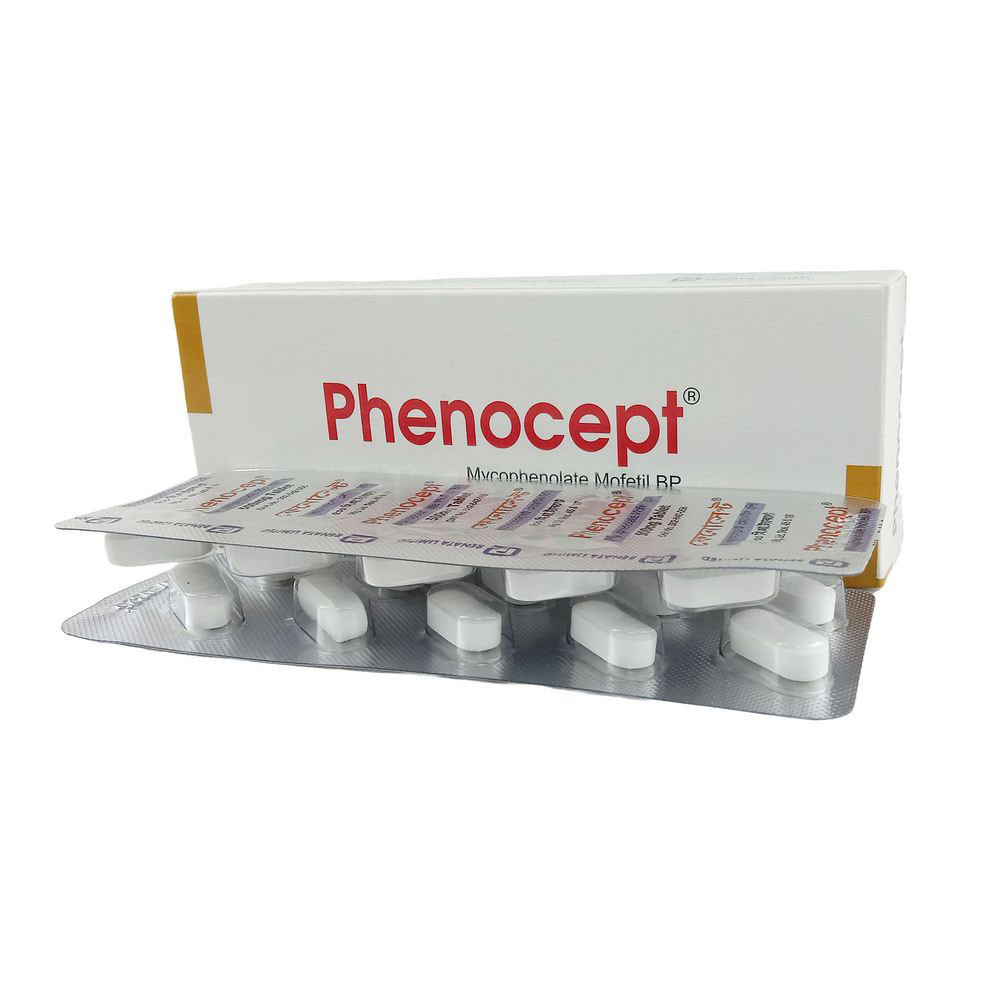
Mycophenolate mofetil (MMF) is a prodrug of mycophenolic acid and a reversible inhibitor of inosine monophosphate dehydrogenase (IMPDH). It is an immunosuppressant used with other agents such as cyclosporine and corticosteroids to prevent organ rejection after kidney, liver, and heart transplantation. It has also been studied for the treatment of autoimmune diseases and related complications. Unlike calcineurin inhibitors, MMF generally does not cause nephrotoxicity or fibrosis.
Mycophenolate mofetil was developed as a modified form of mycophenolic acid to improve bioavailability and reduce gastrointestinal side effects. It provides greater efficacy and better tolerability compared with mycophenolic acid.
Uses
Mycophenolate mofetil is an inosine monophosphate dehydrogenase inhibitor used to prevent the rejection of kidney, heart, or liver transplants.
Mycophenolate mofetil is indicated for the prophylaxis of organ rejection in patients undergoing allogeneic renal, hepatic, or cardiac transplants. It should be used with cyclosporine and corticosteroids. Mycophenolate mofetil may also be used off-label as a second-line treatment for autoimmune hepatitis that has not responded adequately to first-line therapy. Other off-label uses of this drug include lupus-associated nephritis and dermatitis in children.
Associated Conditions
Pharmacodynamics
Mycophenolate mofetil is a prodrug of mycophenolic acid (MPA). The active form of mycophenolate, MPA, prevents the proliferation of immune cells and the formation of antibodies that cause transplant rejection. The above effects lead to higher rates of successful transplantation, avoiding the devastating effects of graft rejection.
Mechanism of Action
The active metabolite of mycophenolate, mycophenolic acid, prevents T-cell and B-cell proliferation and the production of cytotoxic T-cells and antibodies. Lymphocyte and monocyte adhesion to endothelial cells of blood vessels that normally part of inflammation is prevented via the glycosylation of cell adhesion molecules by MPA. MPA inhibits de novo purine biosynthesis (that promotes immune cell proliferation) by inhibiting inosine 5’-monophosphate dehydrogenase enzyme (IMPDH), with a preferential inhibition of IMPDH II. IMPDH normally transforms inosine monophosphate (IMP) to xanthine monophosphate (XMP), a metabolite contributing to the production of guanosine triphosphate (GTP). GTP is an important molecule for the synthesis of ribonucleic acid (RNA), deoxyribonucleic acid (DNA), and protein. As a result of the above cascade of effects, mycophenolate mofetil reduces de-novo production of guanosine nucleotides, interfering with the synthesis of DNA, RNA, and protein required for immune cell production. Further contributing to the above anti-inflammatory effects, MMF depletes tetrahydrobiopterin, causing the decreased function of inducible nitric oxide synthase enzyme, in turn decreasing the production of peroxynitrite, a molecule that promotes inflammation.
Absorption
Mycophenolate mofetil is rapidly absorbed in the small intestine. The maximum concentration of its active metabolite, MPA, is attained 60 to 90 minutes following an oral dose. The average bioavailability of orally administered mycophenolate mofetil in a pharmacokinetic study of 12 healthy patients was 94%. In healthy volunteers, the Cmax of mycophenolate mofetil was 24.5 (±9.5)μg/mL. In renal transplant patients 5 days post-transplant, Cmax was 12.0 (±3.82) μg/mL, increasing to 24.1 (±12.1)μg/mL 3 months after transplantation. AUC values were 63.9 (±16.2) μg•h/mL in healthy volunteers after one dose, and 40.8 (±11.4) μg•h/mL, and 65.3 (±35.4)μg•h/mL 5 days and 3 months after a renal transplant, respectively. The absorption of mycophenolate mofetil is not affected by food.
Volume of Distribution
The volume of distribution of mycophenolate mofetil is 3.6 (±1.5) to 4.0 (±1.2) L/kg.
Protein Binding
The protein binding of mycophenolic acid, the metabolite of mycophenolate mofetil, is 97% and it is mainly bound to albumin. MPAG, the inactive metabolite, is 82% bound to plasma albumin at normal therapeutic concentrations. At elevated MPAG concentrations due to various reasons, including renal impairment, the binding of MPA may be decreased due to competition for binding.
Route of Elimination
A small amount of drug is excreted as MPA in the urine (less than 1%). When mycophenolate mofetil was given orally in a pharmacokinetic study, it was found to be 93% excreted in urine and 6% excreted in feces. Approximately 87% of the entire administered dose is found to be excreted in the urine as MPAG, an inactive metabolite.
Half Life
The average apparent half-life of mycophenolate mofetil is 17.9 (±6.5) hours after oral administration and 16.6 (±5.8) hours after intravenous administration.
Clearance
Plasma clearance of mycophenolate mofetil is 193 mL/min after an oral dose and 177 (±31) mL/min after an intravenous dose.
Toxicity
LD50
The LD50 of oral mycophenolate mofetil in rats is 250 mg/kg and >4000 mg/kg in mice.
Overdose information
Possible signs and symptoms of acute overdose may consist of hematological abnormalities including leukopenia and neutropenia, and gastrointestinal symptoms.
Food Interactions
- Avoid multivalent ions. Take multivalent ions such as calcium, iron, or magnesium at least 2 hours after taking this medication.
- Take on an empty stomach. Take at least 1 hour before or 2 hours after meals.
Dosage
Standard dosage for prophylaxis of renal rejection
- Adults: A dose of 1 g administered orally twice a day (daily dose of 2 g) is recommended for use in renal transplant patients.
- Children (aged 3 months to 18 years): Patients with a body surface area of 1.25 to 1.5 m2 may be prescribed Mycophenolate Mofetil Tablets at a dose of 750 mg twice daily (1.5 g daily dose). Patients with a body surface area >1.5 m2 may be prescribed Mycophenolate Mofetil tablets at a dose of 1 gm twice daily (2 g daily dose).
- Adults: A dose of 1.5 g administered orally (over not less than 2 hour) twice a day (daily dose of 3 g) is recommended for use in cardiac transplant patients.
- Children: no data are available for pediatric cardiac transplant patients.
- Adults: A dose of 1.5 g orally twice a day (daily dose of 3 g) is recommended for use in hepatic transplant patients
- Children: no data are available for pediatric hepatic transplant patients.
- Adults: A dose of 1.5 g administered orally twice a day (daily dose of 3 g) is recommended for management of first or refractory rejection.
- Children: no data are available for the treatment of first or refractory renal rejection in pediatric renal transplant patients.
Lupus nephritis patients:
Standard Dosage for Induction Therapy-
- Adults: A dose of 750 mg-1.5 g administered orally twice a day (daily dose of up to 3 g) is recommended
- Children: A dose of 600 mg/m2 administered orally twice a day (up to a maximum of 2 g daily) is recommended
- Adults: A dose of 500 mg-1 g administered orally twice a day is recommended
- Children: A dose of 300 mg/m2 administered orally twice a day is recommended