Introduction
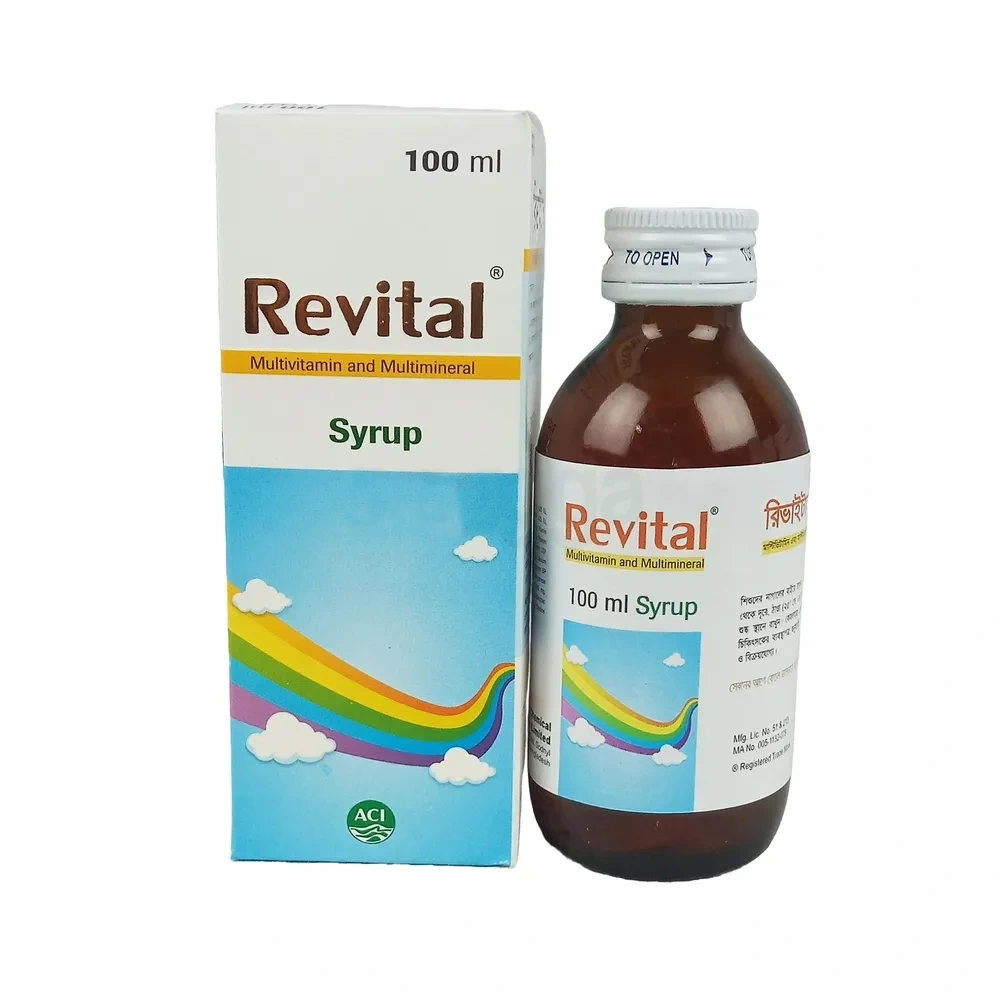
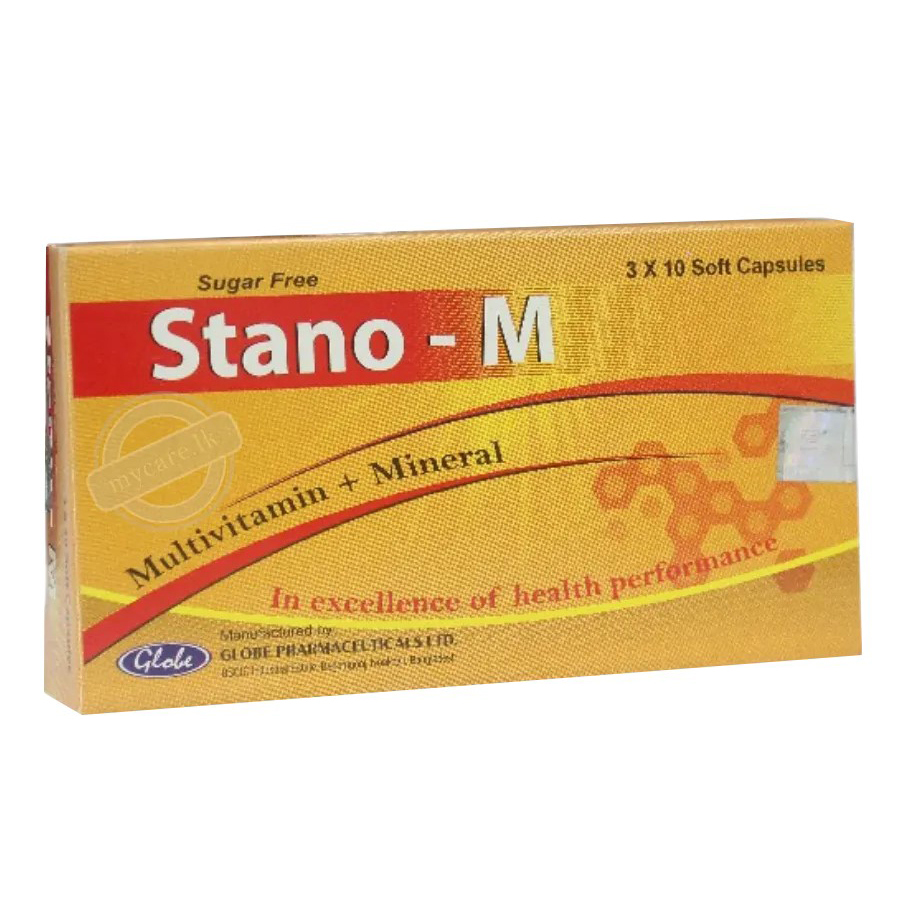
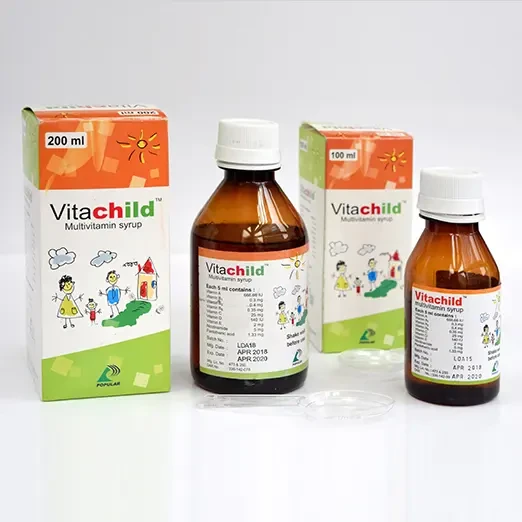
Multivitamins and multiminerals are dietary supplements that contain a blend of vitamins and minerals. They are designed to provide essential nutrients that may not be adequately obtained from the diet. These supplements are commonly used to support general health, prevent deficiencies, and enhance well-being.
Uses
Multivitamins and multiminerals are utilized to:
- Fill nutritional gaps in the diet.
- Support overall health and wellness.
- Prevent or treat deficiencies of specific vitamins and minerals.
- Improve energy levels and immune function.
Mechanism of Action
Multivitamins and multiminerals provide essential nutrients required for various physiological functions. Each vitamin and mineral in the supplement contributes to different bodily processes, such as metabolism, immune defense, and bone health.
How Long Does It Take to Work?
The time it takes for multivitamins and multiminerals to show effects can vary. Some individuals may notice improvements in energy and general health within a few weeks, while others might take several months to experience noticeable benefits. Consistent use over an extended period is often required to achieve long-term benefits.
Absorption
The absorption of vitamins and minerals from multivitamins depends on various factors, including:
- The form of the supplement (e.g., tablet, capsule, liquid).
- The presence of food in the stomach.
- Individual digestive health and nutrient absorption efficiency.
Route of Elimination
Vitamins and minerals are typically excreted through urine and feces. Fat-soluble vitamins (A, D, E, K) are stored in body tissues and released gradually, while water-soluble vitamins (B-complex, C) are excreted more quickly through urine.
Dosage
The dosage of multivitamins and multiminerals can vary based on the specific formulation and individual needs. It is important to follow the recommended dosage on the product label or as advised by a healthcare provider.
Administration
Multivitamins and multiminerals are generally administered orally in the form of tablets, capsules, gummies, or liquids. They are usually taken once or multiple times a day, depending on the formulation and specific health needs.
Side Effects
Common side effects may include:
- Gastrointestinal upset (e.g., nausea, diarrhea).
- Constipation.
- Allergic reactions (rare).
Toxicity
Overuse of multivitamins and multiminerals can lead to toxicity, particularly with fat-soluble vitamins and minerals like iron. Symptoms of toxicity vary depending on the nutrient involved and can include gastrointestinal distress, organ damage, or metabolic imbalances.
Precautions
Precautions to consider include:
- Consulting a healthcare provider before starting any new supplement, especially if you have underlying health conditions or are taking other medications.
- Following the recommended dosage to avoid potential toxicity.
- Monitoring for any adverse effects and discontinuing use if necessary.
Interaction
Multivitamins and multiminerals may interact with certain medications and supplements. For instance, high doses of calcium can interfere with the absorption of other minerals, and some vitamins can affect the efficacy of prescription medications. Consult with a healthcare provider to assess potential interactions.
Disease Interaction
Individuals with certain medical conditions, such as kidney disease or liver dysfunction, should be cautious with multivitamin and multimineral use, as impaired organ function can affect nutrient metabolism and excretion.
Drug Interaction
Multivitamins and multiminerals may interact with various drugs, including:
- Anticoagulants (e.g., warfarin) – some vitamins (e.g., Vitamin K) can affect blood clotting.
- Diuretics – may impact potassium levels and other electrolytes.
- Antacids – can affect the absorption of certain minerals.
Food Interactions
Certain foods can affect the absorption and effectiveness of multivitamins and multiminerals. For example:
- High-fiber foods may reduce the absorption of minerals like calcium and iron.
- Fat-containing foods can enhance the absorption of fat-soluble vitamins (A, D, E, K).
Pregnancy Use
During pregnancy, multivitamins and multiminerals are often recommended to ensure adequate intake of essential nutrients. Specific formulations are available that cater to the needs of pregnant women, including folic acid to prevent neural tube defects.
Lactation Use
Multivitamins and multiminerals can be beneficial during lactation to support the increased nutritional demands of breastfeeding. It is important to use supplements that are safe for both the mother and the infant.
Acute Overdose
Acute overdose of multivitamins and multiminerals can cause symptoms such as nausea, vomiting, diarrhea, and in severe cases, more serious health issues like organ damage or metabolic disturbances. Immediate medical attention is necessary in case of overdose.
Contraindication
Contraindications for multivitamins and multiminerals may include:
- Allergies to specific components of the supplement.
- Certain medical conditions that require special dietary management.
- Interactions with medications that require avoidance of specific nutrients.
Use Direction
Follow the instructions provided on the supplement label or as directed by a healthcare provider. Typically, the dosage is taken with food to enhance absorption and reduce gastrointestinal side effects.
Storage Conditions
Store multivitamins and multiminerals in a cool, dry place away from direct sunlight and moisture. Ensure that the container is tightly closed and out of reach of children.
Volume of Distribution
The volume of distribution for multivitamins and multiminerals is not typically specified as they are generally used as dietary supplements and not as pharmacological agents. Nutrient distribution can vary based on individual metabolism and nutritional status.
Half Life
The half-life of vitamins and minerals in multivitamin supplements varies depending on their solubility:
- Water-soluble vitamins (e.g., Vitamin C, B-complex) have a shorter half-life and are excreted more quickly.
- Fat-soluble vitamins (e.g., Vitamins A, D, E, K) have a longer half-life and are stored in body tissues.
Clearance
The clearance of vitamins and minerals from the body depends on their solubility and the body's ability to excrete them. Water-soluble vitamins are cleared through urine, while fat-soluble vitamins are cleared more slowly and stored in body tissues.