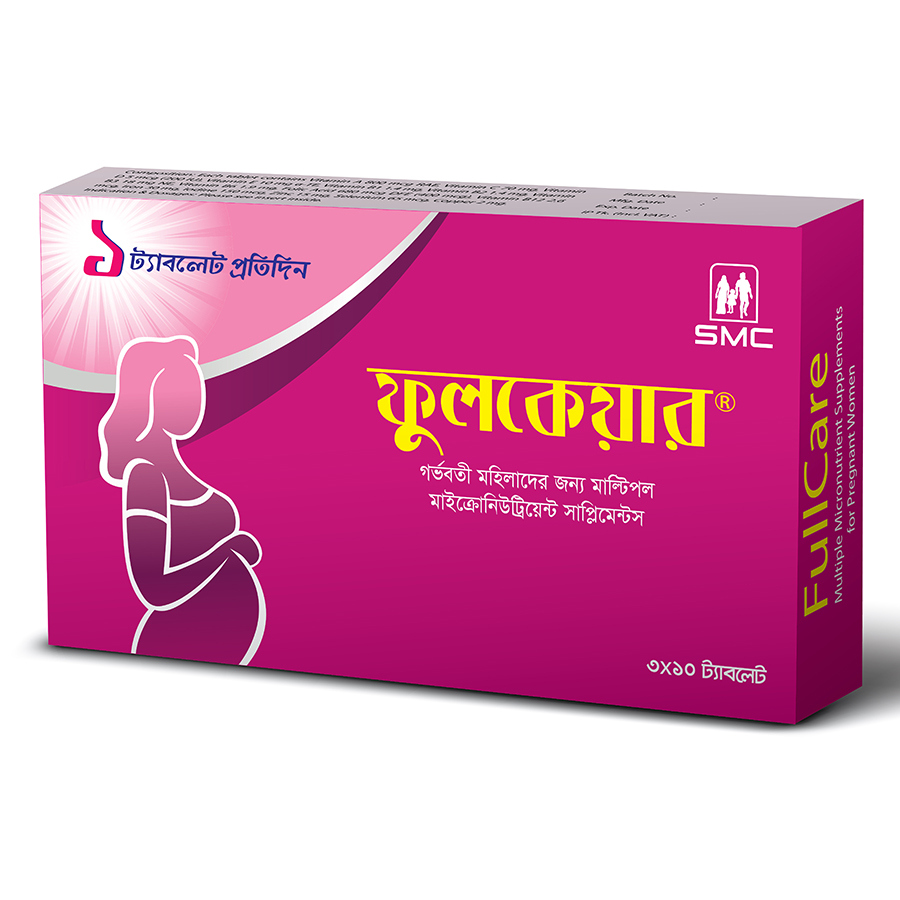
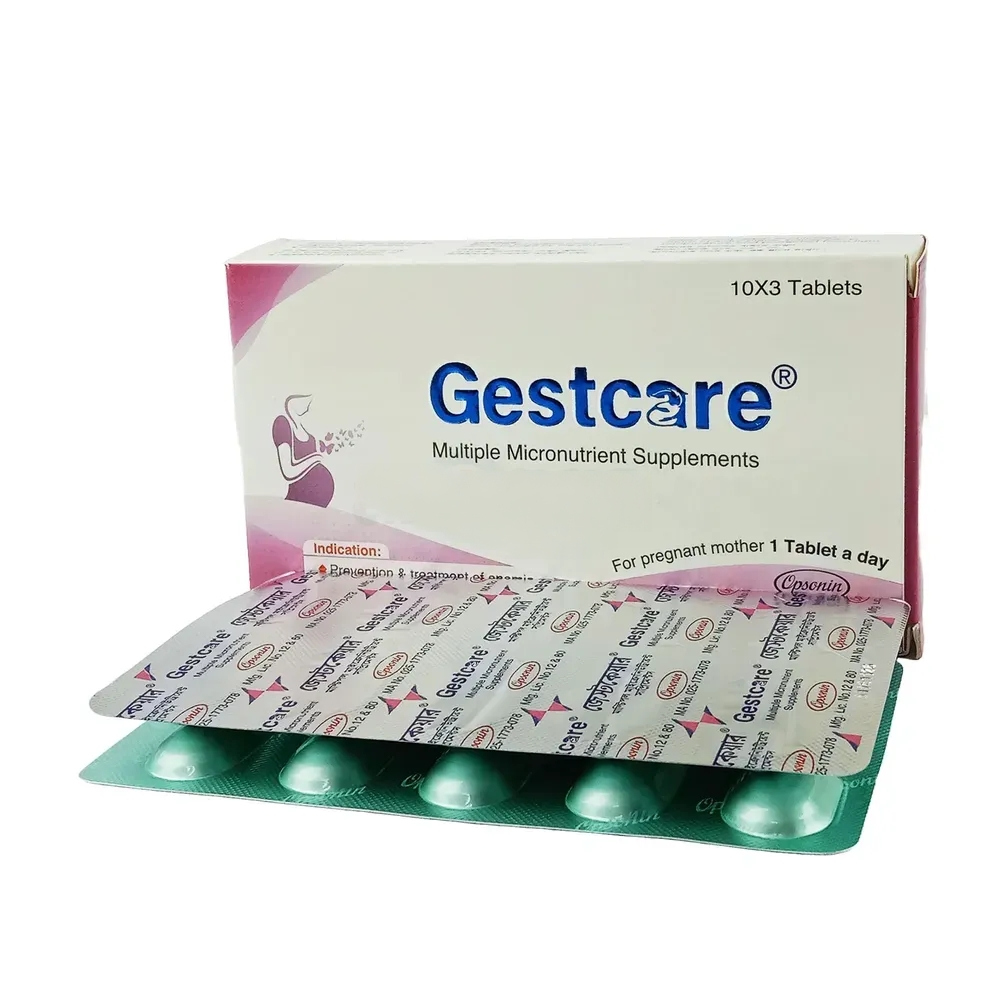
Introduction
Multiple micronutrient supplements are dietary supplements that contain a combination of essential vitamins and minerals. They are designed to provide a broad spectrum of nutrients that may be lacking in a person's diet. These supplements aim to support overall health, fill nutritional gaps, and promote optimal bodily functions.
Uses
Multiple micronutrient supplements are used for:
- Addressing or preventing nutritional deficiencies.
- Supporting overall health and well-being.
- Enhancing immune function and energy levels.
- Supporting specific health conditions, such as bone health, cardiovascular health, and cognitive function.
Mechanism of Action
Multiple micronutrient supplements work by providing the body with essential vitamins and minerals required for various biochemical processes. These nutrients act as co-factors for enzymes, support metabolic pathways, and help maintain normal physiological functions, such as immune response, cell repair, and energy production.
How Long Does It Take to Work?
The time it takes for multiple micronutrient supplements to show effects can vary depending on the individual and the specific nutrients involved. Generally, users may begin to notice improvements in energy levels and overall well-being within a few weeks. For specific health conditions, the effects may take longer to become noticeable.
Absorption
The absorption of vitamins and minerals from multiple micronutrient supplements occurs in the gastrointestinal tract. Fat-soluble vitamins (A, D, E, K) require dietary fats for optimal absorption, while water-soluble vitamins (B-complex, C) are absorbed directly into the bloodstream. The presence of other nutrients or food can affect absorption rates.
Route of Elimination
Micronutrients are eliminated from the body through various routes:
- Fat-soluble vitamins (A, D, E, K) are stored in body tissues and liver and are gradually excreted through bile and feces.
- Water-soluble vitamins (B-complex, C) are generally excreted through the urine, with excess amounts being filtered out by the kidneys.
Dosage
Take only one tablet daily starting as soon as possible after conception and continue to use 180 tablets for 6 months throughout the pregnancy or as directed by the physician. It is not recommended for children and adolescents.The dosage of multiple micronutrient supplements varies based on the specific formulation and individual needs. Common dosages are:
- Adult Multivitamins: Typically 1-2 tablets or capsules daily, depending on the formulation.
- Children's Multivitamins: Dosages are usually lower, often 1 chewable tablet or gummy per day.
It is important to follow the manufacturer's dosage instructions or consult a healthcare provider for personalized recommendations.
Administration
Multiple micronutrient supplements are usually taken orally in the form of tablets, capsules, gummies, or powders. They are generally taken with food to enhance absorption and minimize gastrointestinal discomfort. Adherence to the recommended dosage and timing is crucial for effectiveness.
Side Effects
Common side effects of multiple micronutrient supplements may include:
- Gastrointestinal upset (nausea, constipation, or diarrhea).
- Headache.
- Allergic reactions in sensitive individuals.
Side effects are typically mild and temporary. If severe or persistent side effects occur, consult a healthcare provider.
Toxicity
Toxicity from multiple micronutrient supplements is rare but can occur, particularly with excessive intake of fat-soluble vitamins (e.g., vitamin A) or minerals (e.g., iron). Symptoms of toxicity vary depending on the nutrient but may include nausea, headache, or organ damage. Seek medical attention if signs of toxicity occur.
Precautions
Precautions include:
- Avoiding excessive intake of vitamins and minerals, which can lead to toxicity.
- Monitoring for potential interactions with prescription medications or other supplements.
- Considering individual health conditions and dietary needs when choosing a supplement.
Interaction
Multiple micronutrient supplements may interact with certain medications or other supplements:
- Minerals like calcium can affect the absorption of certain medications, such as antibiotics.
- High doses of vitamin C can affect the effectiveness of certain medications.
It is important to discuss all supplements and medications with a healthcare provider to avoid potential interactions.
Disease Interaction
Individuals with certain health conditions may need to take precautions:
- People with kidney disease may need to avoid supplements with high levels of certain minerals.
- Those with liver conditions may need to be cautious with fat-soluble vitamins.
Consult a healthcare provider if you have chronic health conditions or are on specific medications.
Drug Interaction
Drug interactions can occur with multiple micronutrient supplements. For example:
- Antacids and certain medications can affect the absorption of minerals like iron and calcium.
- Some medications may alter vitamin and mineral metabolism.
Consult a healthcare provider about potential drug interactions and adjust supplement intake as necessary.
Food Interactions
Food can impact the absorption and effectiveness of micronutrients:
- Fat-soluble vitamins should be taken with meals containing fat for optimal absorption.
- Certain foods or beverages may affect nutrient absorption, such as coffee or tea affecting iron absorption.
Consider dietary habits when taking multiple micronutrient supplements to enhance efficacy.
Pregnancy Use
Multiple micronutrient supplements are often recommended during pregnancy to support maternal and fetal health. Specific formulations for pregnant women typically include higher amounts of folic acid, iron, and calcium. Consult a healthcare provider for appropriate supplementation during pregnancy.
Lactation Use
During lactation, multiple micronutrient supplements can support both maternal and infant health. Supplements for breastfeeding women usually include nutrients that are essential for milk production and overall health. Consult a healthcare provider for recommendations on lactation-specific supplements.
Acute Overdose
Acute overdose of multiple micronutrient supplements can lead to symptoms such as gastrointestinal distress or more severe effects depending on the nutrients involved. For example, excessive vitamin A can cause toxicity symptoms like dizziness and liver damage. Seek medical attention immediately if an overdose is suspected.
Contraindication
Multiple micronutrient supplements are generally safe but may be contraindicated in individuals with:
- Known hypersensitivity to any ingredient in the supplement.
- Conditions that contraindicate high doses of specific vitamins or minerals, such as certain kidney or liver disorders.
Use Direction
Follow the manufacturer's directions for use, including dosage and timing. Take supplements with food to enhance absorption and reduce gastrointestinal discomfort. Avoid exceeding the recommended dose, and consult a healthcare provider if uncertain about appropriate use.
Storage Conditions
Store multiple micronutrient supplements in a cool, dry place, away from direct sunlight and moisture. Keep out of reach of children and follow specific storage instructions on the packaging. Do not use supplements past their expiration date.
Volume of Distribution
The volume of distribution for micronutrients varies based on the nutrient. Generally, water-soluble vitamins are distributed throughout the body's fluids, while fat-soluble vitamins are stored in adipose tissue and the liver.
Half Life
The half-life of micronutrients varies widely:
- Water-soluble vitamins (e.g., vitamin C) have a shorter half-life and are excreted relatively quickly.
- Fat-soluble vitamins (e.g., vitamin D) have a longer half-life due to their storage in body tissues.
The half-life impacts how frequently supplements need to be taken and how long the nutrients remain active in the body.
Clearance
Clearance of micronutrients depends on their solubility and metabolism:
- Water-soluble vitamins are primarily cleared through the urine.
- Fat-soluble vitamins are cleared more slowly through bile and feces after being stored in the liver and fat tissues.
Renal and hepatic function can impact the clearance rates of these nutrients.