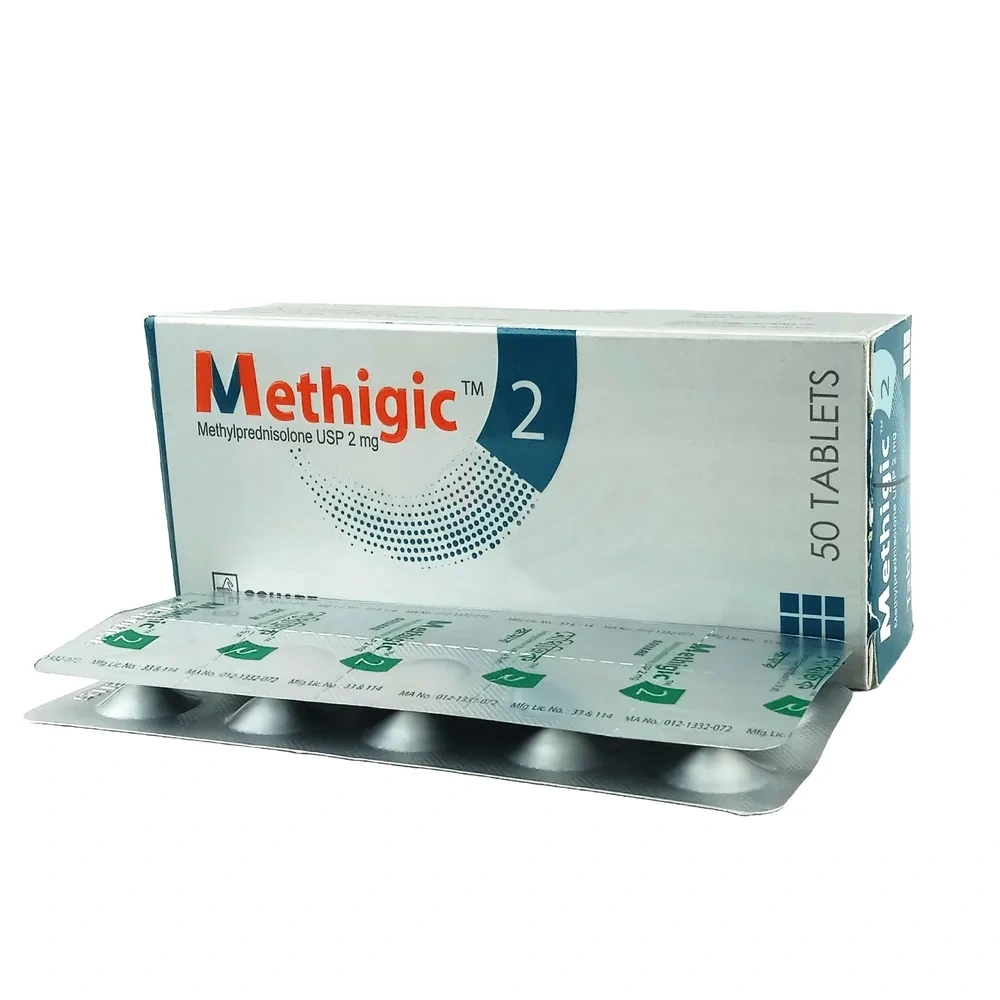
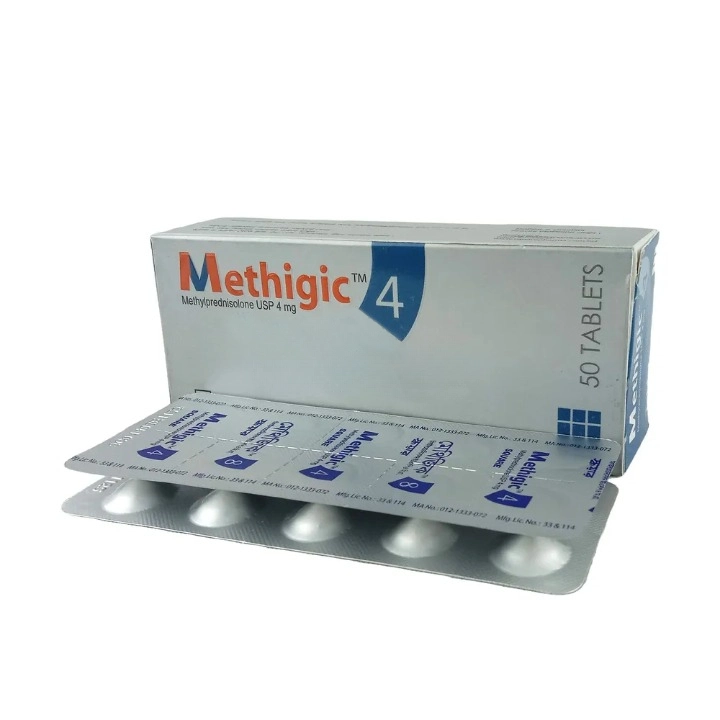
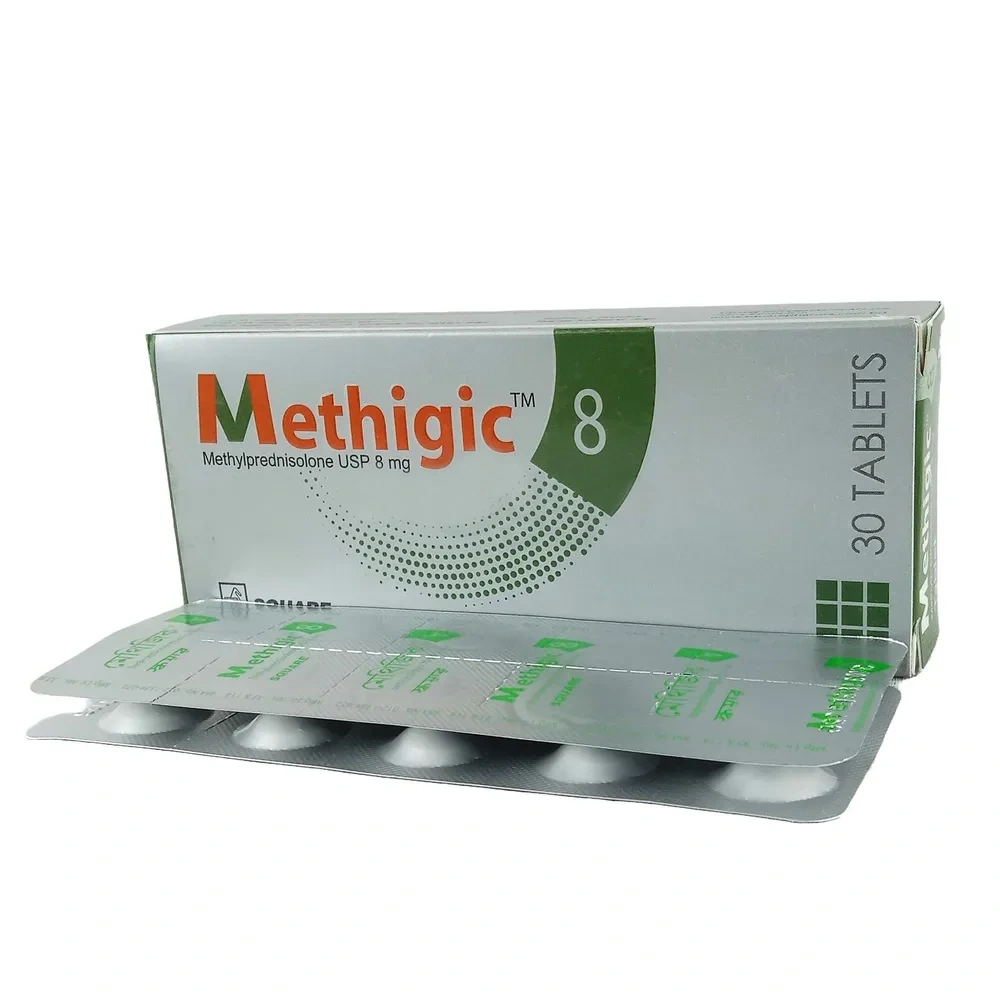
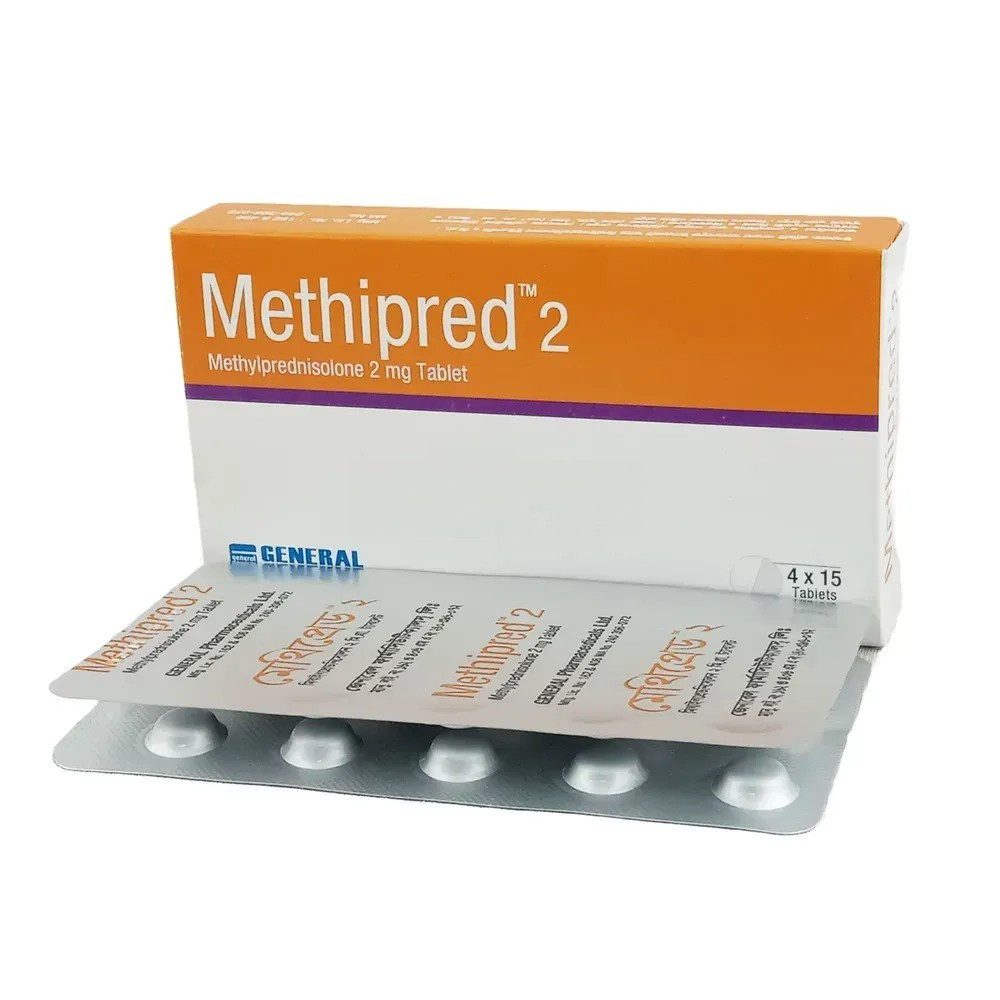
Introduction
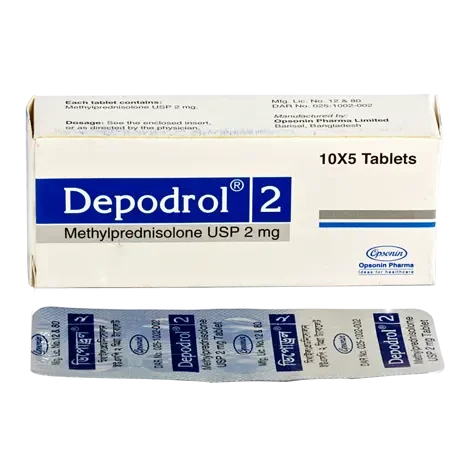
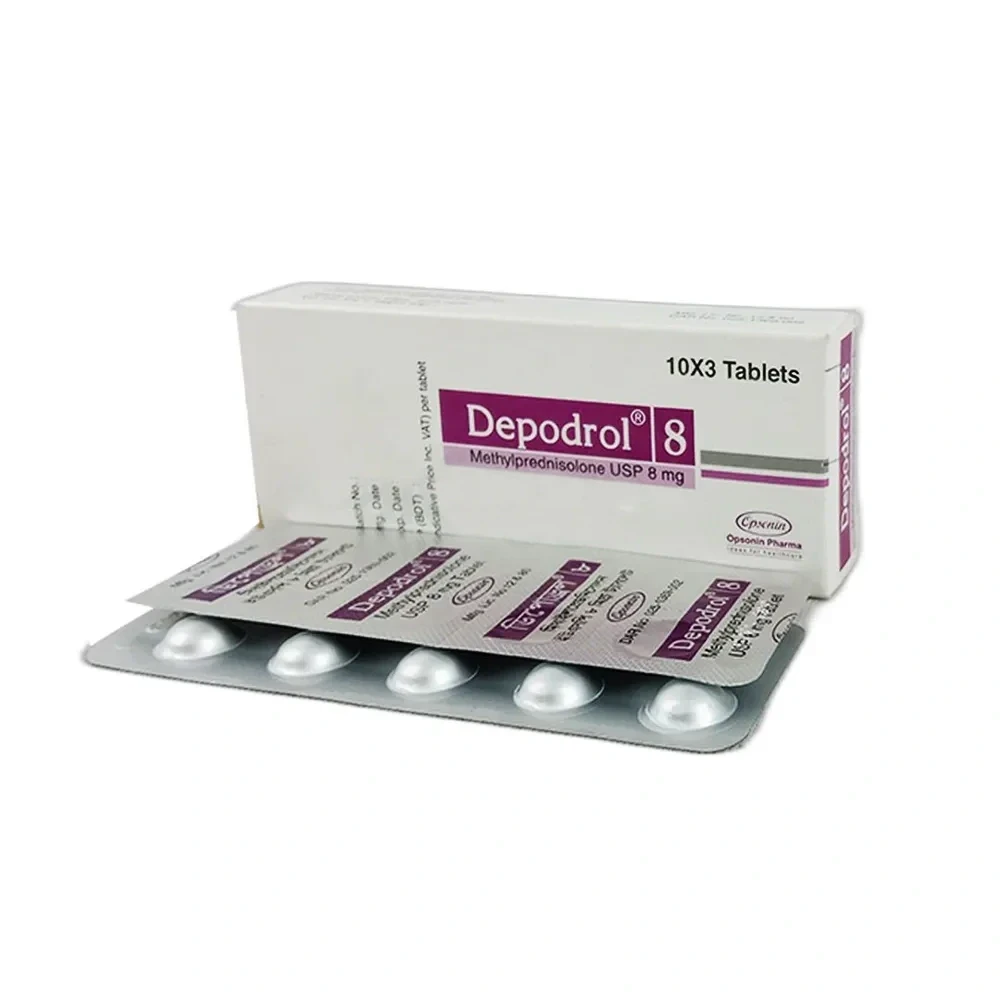
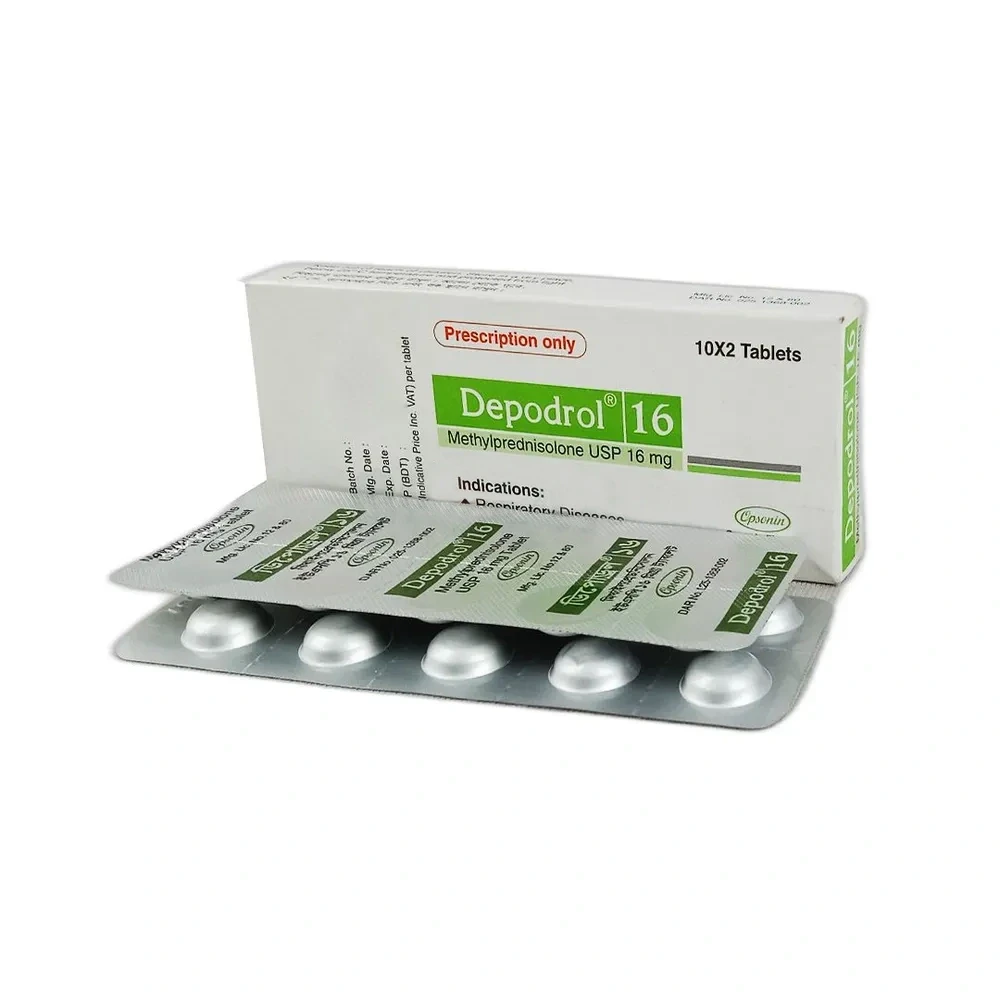
Methylprednisolone is a prednisolone derivative glucocorticoid with higher potency than prednisone. It was first described in the literature in the late 1950s.
Methylprednisolone was granted FDA approval on 24 October 1957. In the outbreak of COVID-19, low dose methylprednisolone-based therapy was successful in treating COVID-19-associated pneumonia in one patient with long-term immunosuppression. The efficacy of methylprednisolone in novel coronavirus pneumonia is being investigated further in clinical trials.
Uses
Methylprednisolone is a corticosteroid used to treat inflammation or immune reactions across a variety of organ systems, endocrine conditions, and neoplastic diseases.
Oral and intramuscular methylprednisolone are indicated for a number of endocrine, rheumatic, collagen, dermatologic, allergic, ophthalmic, respiratory, hematologic, neoplastic, edematous, gastrointestinal, nervous system, and other disorders. Intra-articular and soft tissue injections are indicated for short term treatment of acute gouty arthritis, acute and subactute bursitis, acute nonspecific tenosynovitis, epicondylitis, rheumatoid arthritis, and synovitis of osteoarthritis. Intralesional injections are indicated for alopecia areata, discoid lupus erythematosus, keloids, lichen planus, lichen simplex chronicus and psoriatic plaques, necrobiosis lipoidica diabeticorum, and localized hypertrophic infiltrated inflammatory lesions of granuloma annulare.
Associated Conditions
Pharmacodynamics
Corticosteroids bind to the glucocorticoid receptor, inhibiting pro-inflammatory signals, and promoting anti-inflammatory signals. Corticosteroids have a wide therapeutic window as patients may require doses that are multiples of what the body naturally produces. Patients taking corticosteroids should be counselled regarding the risk of hypothalamic-pituitary-adrenal axis suppression and increased susceptibility to infections.
Mechanism of Action
The short term effects of corticosteroids are decreased vasodilation and permeability of capillaries, as well as decreased leukocyte migration to sites of inflammation. Corticosteroids binding to the glucocorticoid receptor mediates changes in gene expression that lead to multiple downstream effects over hours to days.
Glucocorticoids inhibit neutrophil apoptosis and demargination; they inhibit phospholipase A2, which decreases the formation of arachidonic acid derivatives; they inhibit NF-Kappa B and other inflammatory transcription factors; they promote anti-inflammatory genes like interleukin-10.
Lower doses of corticosteroids provide an anti-inflammatory effect, while higher doses are immunosuppressive. High doses of glucocorticoids for an extended period bind to the mineralocorticoid receptor, raising sodium levels and decreasing potassium levels.
Absorption
Oral methylprednisolone has 89.9% the bioavailability of oral methylprednisolone acetate, while rectal methylprednisolone has 14.2% the bioavailability. Intravitreal methylprednisolone has a Tmax of 2.5h. Approximately 1/10 of an oral or IV dose of methylprednisolone will reach the vitreous humor. Further data regarding the absorption of methylprednisolone are not readily available.
Volume of Distribution
The average volume of distribution of methylprednisolone is 1.38L/kg.
Protein Binding
Methylprednisolone is 76.8% protein bound in plasma and does not significantly bind to corticosteroid binding protein. Methylprednisolone is bound to human serum albumin in plasma.
Route of Elimination
Methylprednisolone and its metabolites have been collected in urine in humans. A study in dogs showed 25-31% elimination in urine and 44-52% elimination in feces.
Half Life
Methylprednisolone has a half life of 2.3h.
Clearance
The average plasma clearance of methylprednisolone is 336mL/h/kg.
Toxicity
The oral LD50 in rats is >4g/kg. The intraperitoneal LD50 in mice is 2292mg/kg and in rats is 100mg/kg.
Data regarding acute overdoses of glucocorticoids are rare. Chronic high doses of glucocorticoids can lead to the development of cataract, glaucoma, hypertension, water retention, hyperlipidemia, peptic ulcer, pancreatitis, myopathy, osteoporosis, mood changes, psychosis, dermal atrophy, allergy, acne, hypertrichosis, immune suppression, decreased resistance to infection, moon face, hyperglycemia, hypocalcemia, hypophosphatemia, metabolic acidosis, growth suppression, and secondary adrenal insufficiency. Treat acute overdoses with symptomatic and supportive therapy, while chronic overdoses will require temporarily reduced dosages.
Food Interactions
- Avoid alcohol.
- Take with food. Food reduces GI irritation.
Dosage
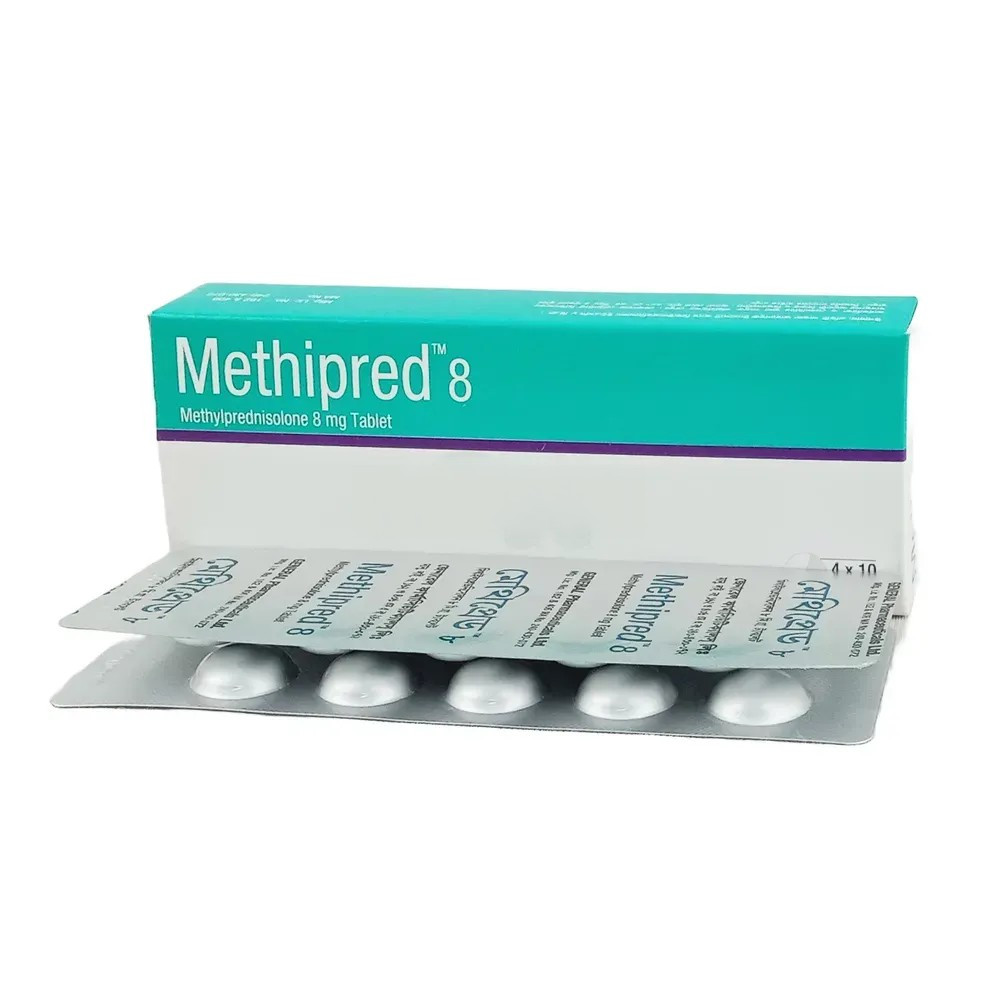
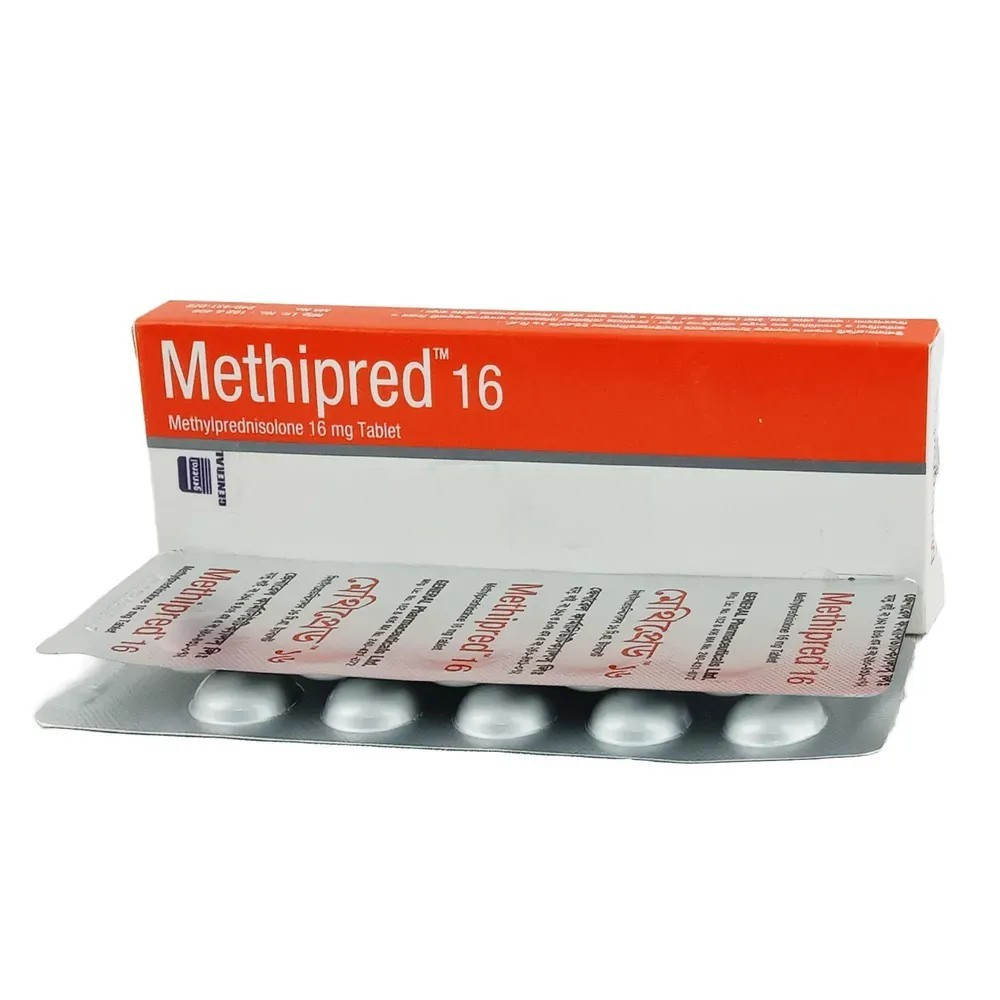
As anti-inflammatory or immunosuppressive initial dosage: As anti-inflammatory or immunosuppressive, the initial dosage of Methylprednisolone tablets may vary from 4-48 mg per day depending on the specific disease entity being treated, in situations of less severity lower doses will generally suffice while in selected patients higher initial doses may be required. The initial dosage should be maintained or adjusted until a satisfactory response is noted. If after a reasonable period of time there is a lack of satisfactory dirtied response, Methylprednisolone should be discontinued and the patient transferred to other appropriate therapy. It should be emphasized that dosage requirements are variable and must be Individualized on the basis of the disease under treatment and the response of the patient.
As anti-inflammatory or immunosuppressive maintenance dosage: After a favorable response is noted, the proper maintenance dosage should be determined by decreasing the initial drug dosage in small decrements at appropriate time intervals until the lowest dosage which will maintain an adequate clinical response is reached. It should be kept in mind that constant monitoring is needed in regard to drug dosage. If after long-term therapy the drug is to be stopped, it is recommended that it be withdrawn gradually rather than abruptly.
Multiple Sclerosis: In the treatment of acute exacerbations of multiple sclerosis, daily doses of 160 mg of Methylprednisolone for a week followed by 64 mg every other day for 1 month have been shown to be effective.
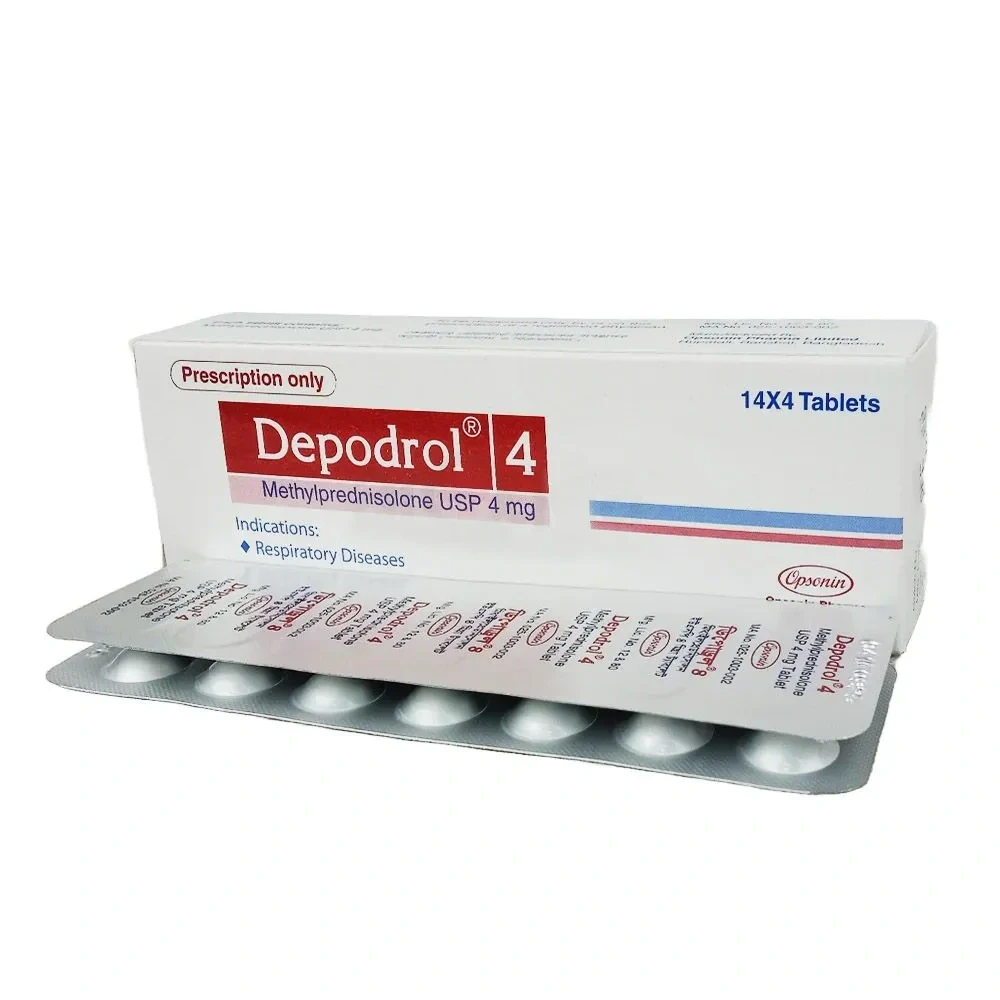
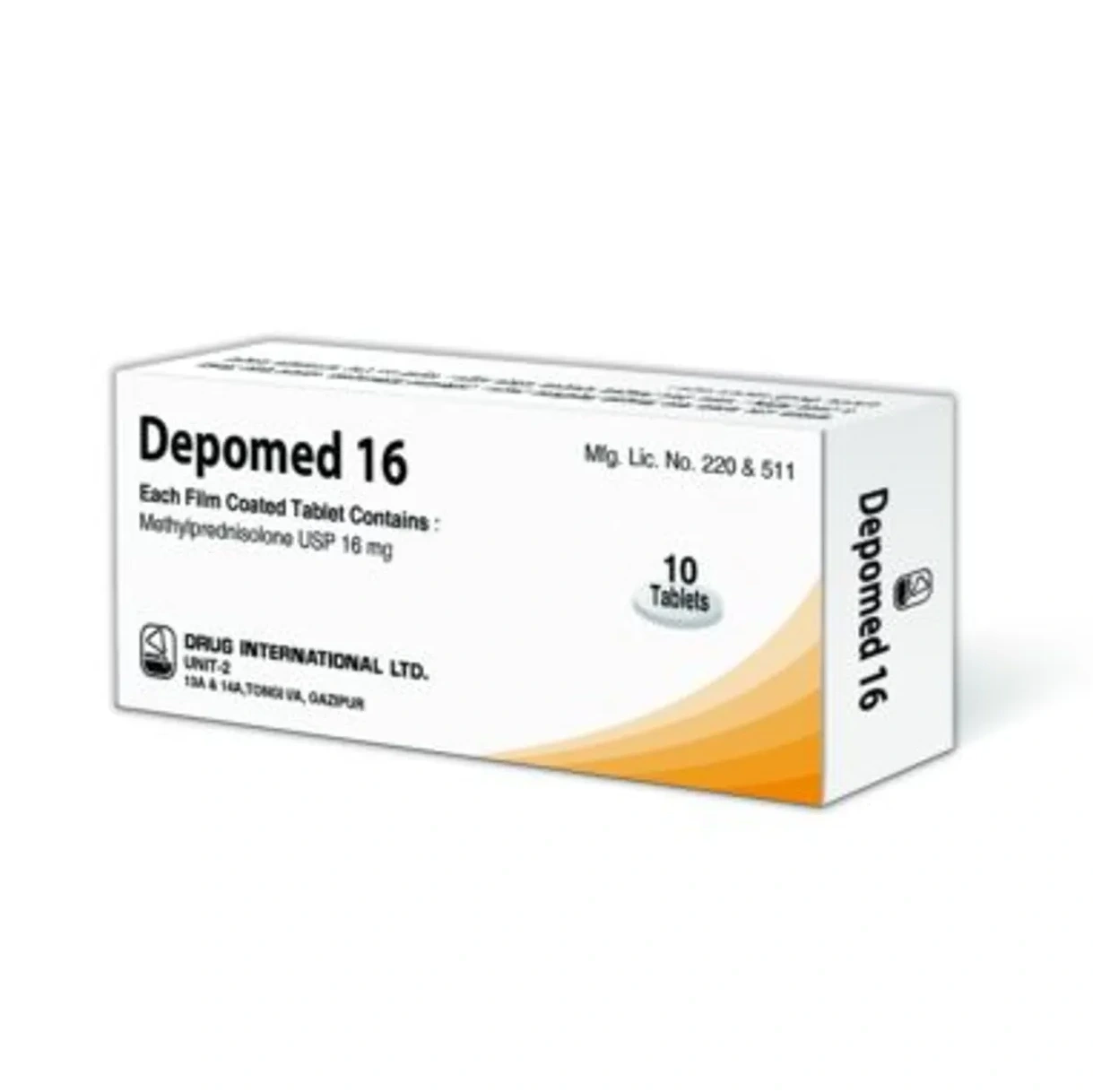
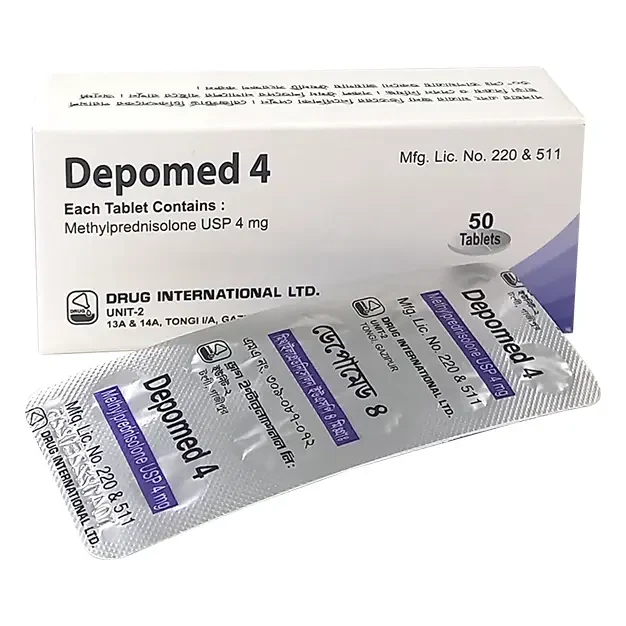
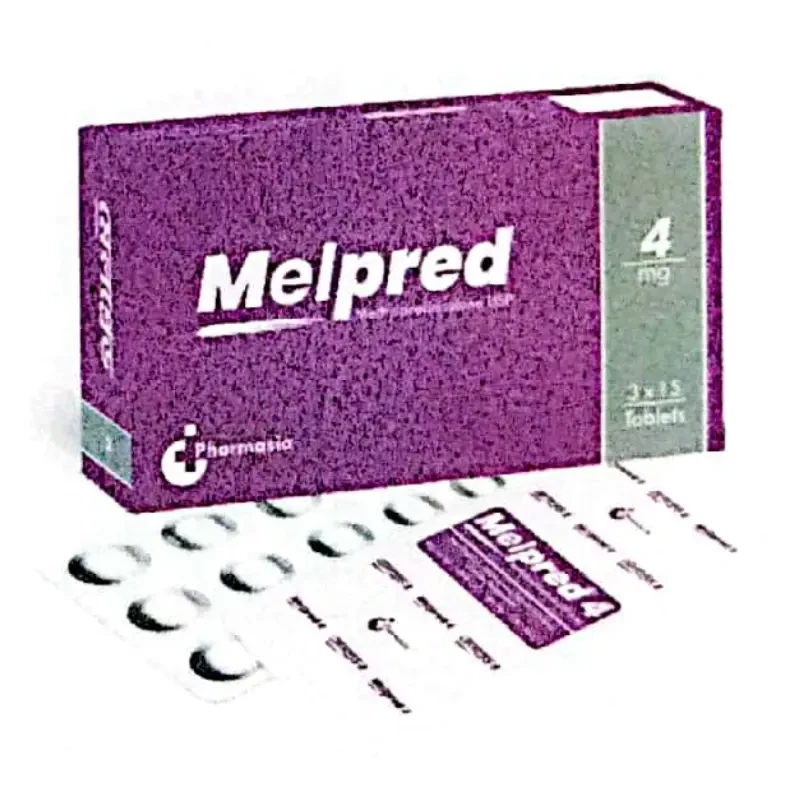
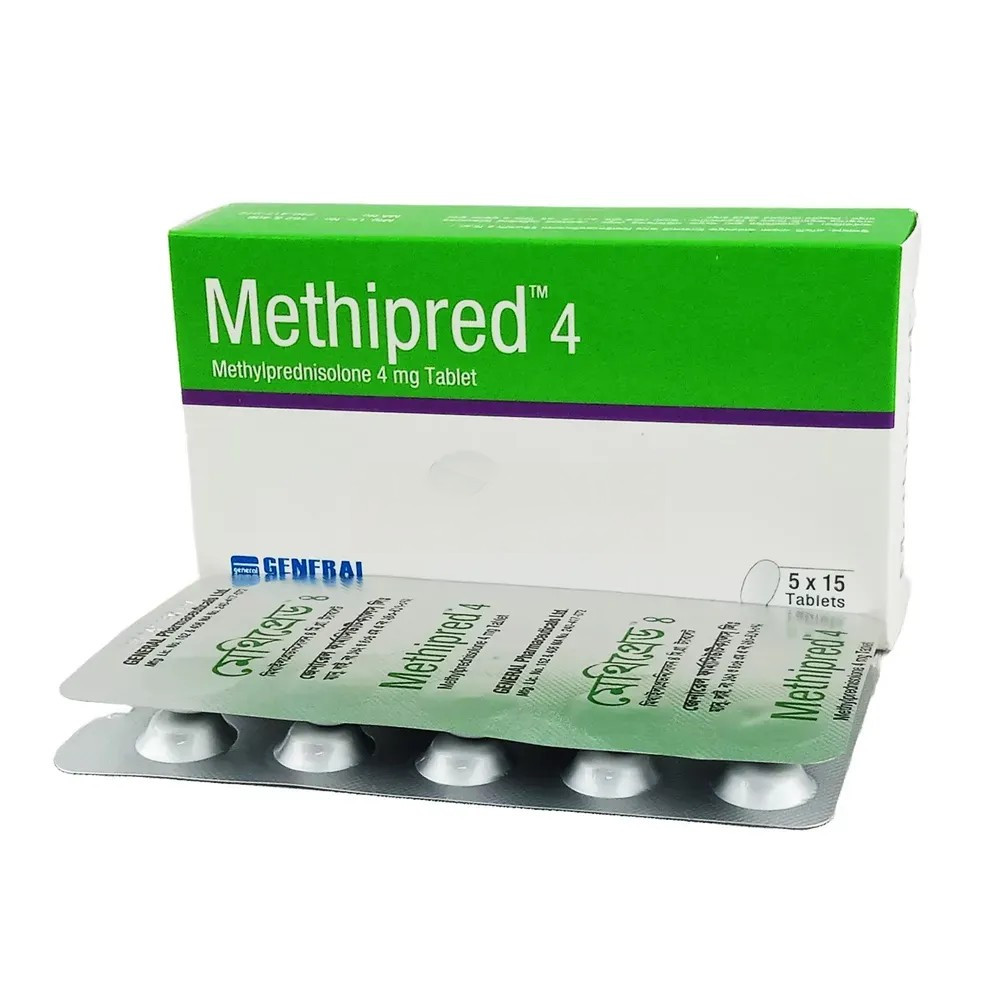
Methylprednisolone 4 mg tablet can be used to treat and to control severe allergy end dermatitis following the guideline listed below to minimize the steroid withdrawal syndromes:
- Day 1: 2 tablets before breakfast + 1 tablet after lunch + 1 tablet after dinner + 2 tablets at bedtime
- Day 2: 1 tablet before breakfast + 1 tablet after lunch + 1 tablet after dinner + 2 tablets at bedtime
- Day 3: 1 tablet before breakfast + 1 tablet after lunch + 1 tablet after dinner + 1 tablet at bedtime
- Day 4: 1 tablet before breakfast + 1 tablet after lunch + 1 tablet at bedtime
- Day 5: 1 tablet before breakfast + 1 tablet at bedtime
- Day 6: 1 tablet before breakfast
The following should be kept in mind when considering alternate-day therapy:
- Basic principles and indications for corticosteroid therapy should be applied.
- Alternate-day therapy is a therapeutic technique primarily designed for pefienis in whom long-term pharmacologic corticoid therapy is anticipated.
- In less severe disease processes in which corticoid therapy is indicated, it may be possible to initiate treatment with alternate-day therapy. More severe disease state usually will require daily divided high dose therapy for initiai control of the disease process. The initial suppressive dose level should be continued until a satisfactory clinical response is obtained, usually four to ten days in the case of many allergic and collagen diseases.