Introduction
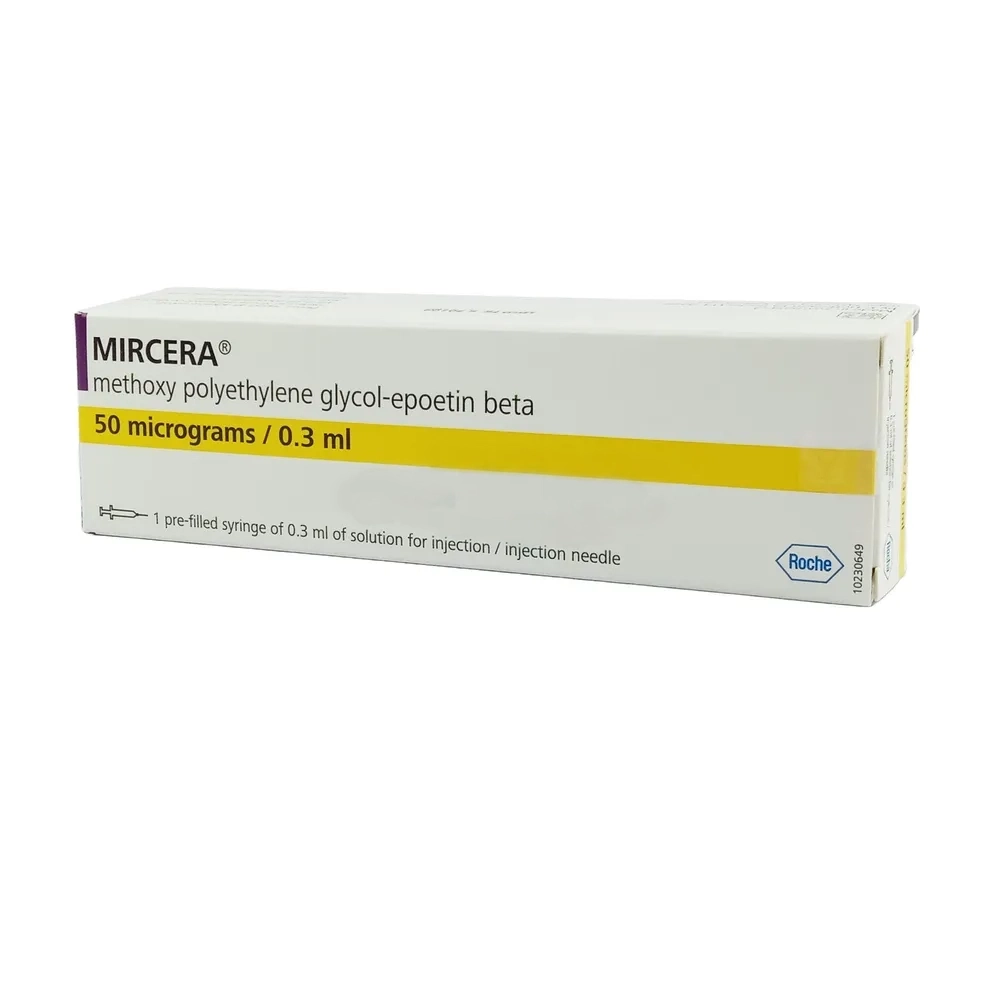
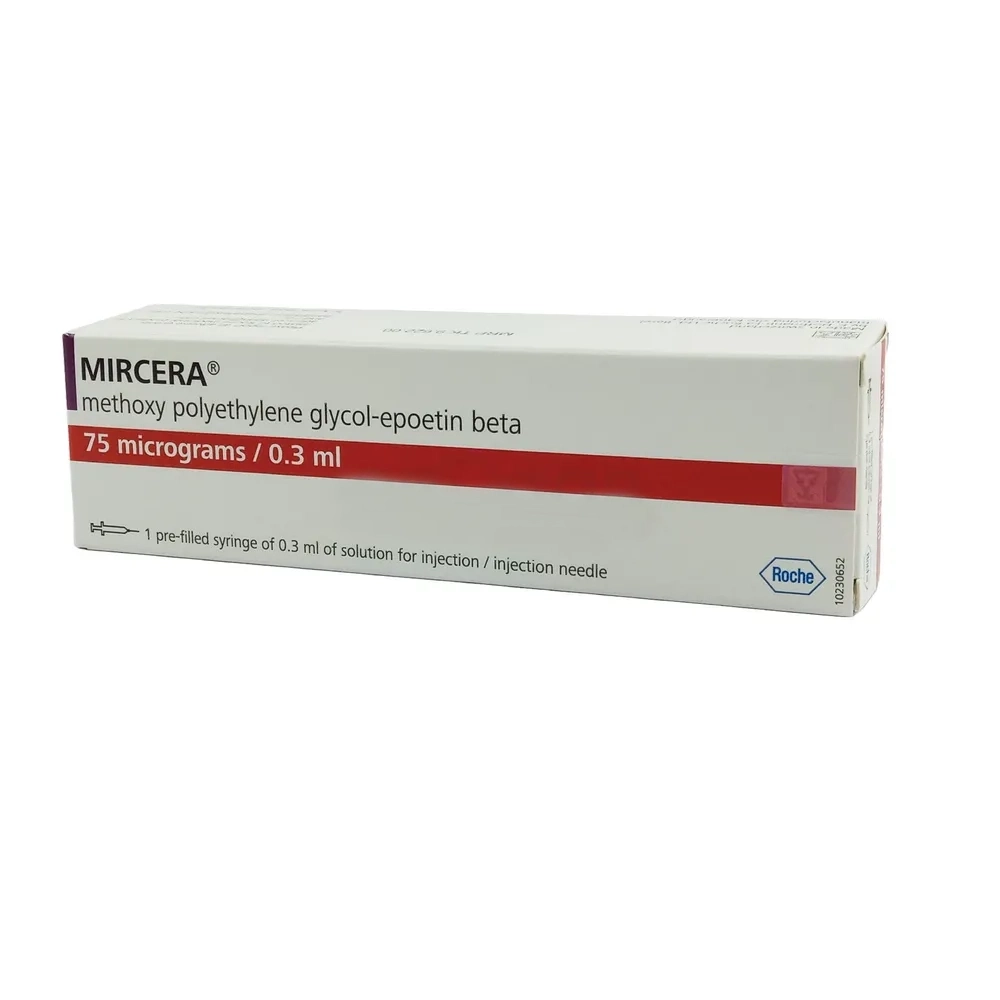
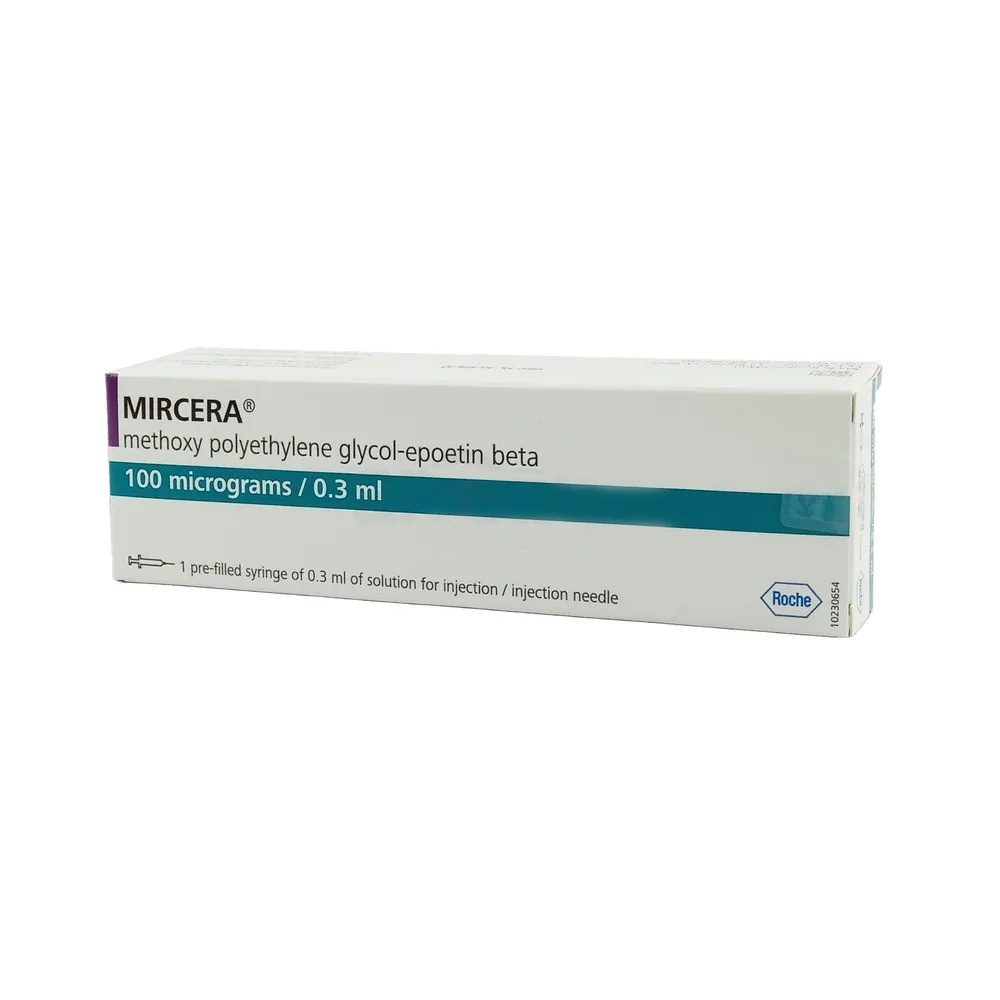
Methoxy polyethylene glycol-epoetin beta is a chemically synthesised Erythropoiesis Stimulating Agent (ESA) with a longer half-life than erythropoietin. ESA is used to increase synthesis of red blood cells to treat chronic kidney disease associated anemia.
Uses
Methoxy polyethylene glycol-epoetin beta is a synthetic erythropoiesis stimulating agent (ESA) used to treat anemia associated with chronic kidney disease.
For the treatment of patients with anaemia associated with chronic kidney disease. Not a substitute for RBC transfusion if immediate correction of anemia is required.
Associated Conditions
Pharmacodynamics
Stimulates hemoglobin production by stimulating the erythropoetin receptor of erythroid progenitor cells in the bone marrow. Hemoglobin increase, following a single initial dose, occurs 7 to 15 days after.
Mechanism of Action
Erythropoietin is a growth factor for erythroid development. It is produced in the kidney and released into the bloodstream in response to hypoxia, interacting with erythroid progenitor cells to increase red blood cell production. Production of endogenous erythropoietin is impaired in patients with chronic kidney disease (CKD), and erythropoietin deficiency is the primary cause of their anaemia. Administration of methoxy polyethylene glycol-epoetin beta acts like endogenous erythropoetin and stimulates erythropoetin receptor of the erythroid progenitor cells in the bone marrow.
Absorption
Administered parenterally (subcutaneous or IV) therefore not absorbed.
Volume of Distribution
~94.74 ml/kg
Protein Binding
No protein binding
Route of Elimination
Undergoes proteolysis at erythropoietin receptor
Half Life
In CKD patients on peritoneal dialysis with IV administration: 134 ± 65 hours In CKD patients on peritoneal dialysis with SC administration: 139 ± 67 hours
Clearance
In CKD patients on peritoneal dialysis : 0.49 ± 0.18 mL/hr/kg
Toxicity
Overdosage can cause severe hypertension.
Food Interactions
No interactions found.
Dosage
Treatment of anemic patients with chronic kidney disease:
- The solution can be administered subcutaneously (s.c.) or intravenously (i.v.), according to clinical preference.
- This preparation can be injected subcutaneously in the abdomen, arm or thigh. All three injection sites are equally suitable for subcutaneous injection with this preparation.
- It is recommended that hemoglobin is monitored every two weeks until stabilized, and periodically thereafter.
- Patients not on dialysis- In order to increase the haemoglobin to greater than 11 g/dl (6.83 mmol/L), the recommended starting dose is 1.2 microgram/kg body weight administered once every month as a single subcutaneous injection. Alternatively, a starting dose of 0.6 microgram/kg body weight may be administered once every two weeks as a single IV or SC injection.
- Patients on dialysis- In order to increase the haemoglobin to greater than 11 g/dl (6.83 mmol/L), the recommended starting dose of 0.6 microgram/kg body weight may be administered once every two weeks as a single IV or SC injection.
- The dose of this preparation may be increased by approximately 25 to 50% of the previous dose if the rate of rise in hemoglobin is less than 1.0 g/dl (0.621mmol/l) over a month. Further increases of approximately 25 to 50% may be made at monthly intervals until the individual target hemoglobin level is obtained.
- If the rate of rise in hemoglobin is greater than 2 g/dl (1.24 mmol/l) in one month, the dose is to be reduced by approximately 25 to 50%. If the hemoglobin level exceeds 13 g/dl (8.07 mmol/l), therapy is to be interrupted until the hemoglobin level falls below 13 g/dl and then restarted with approximately 50% of the previously administered dose. For regions where the upper limit of hemoglobin level has been set at 12 g/dl, dose adjustments of 25% should be considered. After dose interruption a hemoglobin decrease of approximately 0.35 g/dl per week is expected.
- Patients treated once every two weeks whose haemoglobin concentration is above 11 g/dl (6.83 mmol/l) may receive this preparation administered once monthly using the dose equally to twice the previous once every two weeks dose. Dose adjustments should not be made more often than once a month.